Le portefeuille OKX prend désormais en charge les transferts USDT et USDC sans frais de gas sur X Layer
Points clés
• Les transferts de stablecoins USDT et USDC sur X Layer sont désormais sans frais de gas grâce au protocole x402.
• X Layer offre une capacité de 5 000 transactions par seconde tout en minimisant les coûts de gas.
• Le protocole x402 facilite l'intégration pour les développeurs, rendant les paiements plus accessibles.
• Cette innovation vise à améliorer l'expérience utilisateur et à favoriser l'adoption des crypto-monnaies.
Le 17 décembre 2025, OKX a annoncé une nouveauté majeure : les utilisateurs de son portefeuille peuvent désormais transférer les stablecoins USDT et USDC sur son réseau de couche 2, X Layer, sans payer de frais de gas. Cette fonctionnalité est rendue possible grâce au protocole x402, développé en interne par OKX. Il s'inscrit dans une stratégie globale d’optimisation de l’infrastructure X Layer visant à réduire les coûts des principales opérations on-chain. D’après la documentation développeur d’OKX, le protocole x402 fournit des subventions de gas spécifiquement pour les transferts de stablecoins sur X Layer, permettant ainsi des paiements en USDT et USDC sans aucune dépense de gas. Concrètement, cela signifie pour les utilisateurs des transferts quasi-instantanés et sans surprise de coûts dans le portefeuille OKX. Les développeurs, quant à eux, ont accès à une API simple à intégrer pour proposer des expériences de paiement sans gas. Consultez la présentation de x402 pour une explication complète.
Les clés des transferts sans gas sur X Layer
-
Un protocole pensé pour les paiements : Le standard x402 s’appuie sur le code HTTP 402, utilisé à l’origine pour signaler des paiements manquants, afin d’activer des règlements on-chain fluides et à la demande. OKX implémente x402 dans tout son écosystème wallet, avec une logique de relais et de subvention de gas pour les transferts éligibles comme ceux en USDT et USDC sur X Layer. Résultat : 0 frais pour l’utilisateur final, car le relais prend en charge l’exécution.
(Documentation x402) -
Une couche 2 conçue pour la rapidité et des frais minimes : X Layer repose sur le CDK de Polygon et a bénéficié d’une mise à niveau PP, augmentant sa capacité à environ 5 000 transactions par seconde (TPS) tout en minimisant les coûts de gas, le tout en conservant la compatibilité avec la machine virtuelle Ethereum (EVM). Cette efficacité structurelle permet de maintenir la durabilité d’un modèle de subvention des frais pour des usages fréquents avec les stablecoins.
(Annonce de la mise à niveau PP · Vue d'ensemble de X Layer) -
Prise en charge complète des stablecoins au niveau protocolaire et des ponts : X Layer prend en charge l’USDC selon le standard “Bridged USDC” de Circle. Cela permet à l’écosystème d’avoir une version unique et évolutive du stablecoin, sans dispersion de liquidité, et pouvant être mise à jour vers un USDC natif ultérieurement. OKX fournit également une documentation précise sur les contrats de tokens USDC et USDC.e sur X Layer, pour guider utilisateurs et intégrateurs.
(Documentation USDC sur X Layer · Bridged USDC Standard – Circle)
Pourquoi les transferts USDT/USDC sans gas changent la donne
-
Une expérience de paiement digne du Web2 : Supprimer les frais de gas élimine une des principales frictions : la nécessité de posséder un token séparé pour payer les frais. Cela rend les paiements entre pairs, les microtransactions ou encore les règlements automatisés (par IA, par exemple) beaucoup plus accessibles, notamment pour les nouveaux utilisateurs.
(Documentation x402) -
Maîtrise des coûts pour les utilisateurs actifs : Pour les traders, amateurs de NFT ou participants DeFi qui déplacent souvent leurs stablecoins entre applications, X Layer propose une alternative sans friction grâce aux transferts sans frais. Cette évolution cohérente avec les ambitions d’OKX vise à positionner X Layer comme une couche publique axée sur les paiements et la finance décentralisée.
(Annonce mise à niveau PP · Vue d’ensemble de X Layer) -
Simplicité pour les développeurs : Les équipes n’ont plus besoin d’imposer aux utilisateurs de gérer du OKB pour payer le gas dès le départ. L’API et le SDK de x402 sont pensés pour une intégration simple dans des applications grand public.
(Documentation x402)
Comment cela fonctionne concrètement
-
Actifs et domaine concernés : Les transferts sans gas s’appliquent à l’USDT et l’USDC effectués sur X Layer via le portefeuille OKX, grâce au relais intégré utilisant le protocole x402.
(Documentation x402) -
Et concernant les approbations ? Dans la logique EVM, la première autorisation peut poser problème. Le flux x402 est conçu pour proposer des paiements 100 % sans gas, y compris pour les approbations initiales si elles sont prises en charge par le relais d'OKX. Le mécanisme peut évoluer ; suivez les informations dans l’application et les notes du centre d’aide OKX pour les situations particulières.
(Documentation x402) -
Contrats de token et ponts : Si vous conservez de l’USDC sur X Layer, assurez-vous d’utiliser les bons contrats selon la documentation OKX, et de bien distinguer USDC et USDC.e. OKX maintient une liste officielle d’adresses.
(Documentation USDC sur X Layer)
Enjeux dans l’écosystème L2
X Layer s’intègre dans la feuille de route de Polygon autour de son CDK et de l’AggLayer, visant à unifier la liquidité et l’interopérabilité cross-chain. Le CDK permet des choix technologiques variés – comme Validium – pour l’optimisation des performances et des coûts. X Layer en tire profit pour proposer des frais quasi nuls tout en restant compatible Ethereum. Ces bases permettent ainsi d’offrir des expériences wallet fluides, comme les transferts sans gas.
(Aperçu du CDK Polygon · Architecture X Layer)
Sécurité : ce qu’il faut toujours garder à l’esprit
Transferts gratuits ne signifie pas absence de précautions. Quelques règles essentielles :
-
Vérifiez toujours les contrats et les ponts : Utilisez uniquement les adresses contractuelles officiellement mentionnées par OKX ou Circle. Préférez les chemins de ponts canonisés.
(Documentation USDC sur X Layer · Circle Bridged USDC Standard) -
Pratiquez une bonne hygiène du portefeuille : Protégez vos phrases de récupération et clés privées hors ligne. Vérifiez les accès, permissions et les dapps connectées. Pour les portefeuilles à haute valeur ou professionnels, utilisez des signatures multisig ou matérielles avec séparation des rôles.
-
Suivez les annonces importantes : Mises à niveau réseau, évolutions de liquidité, changements de politique de frais... Tenez-vous informé via les notifications officielles d’OKX et les notes de maintenance X Layer.
(Annonce mise à niveau PP)
Guide rapide pour démarrer
- Mettez à jour votre portefeuille OKX vers la dernière version et sélectionnez le réseau X Layer.
- Choisissez USDT ou USDC et initiez un transfert : le portefeuille utilisera x402 pour couvrir les frais si vous êtes éligible.
- Pour des dépôts initiaux, consultez les recommandations sur l’USDC/USDC.e et les flux de ponts officiels.
(Documentation x402 · USDC sur X Layer)
À l’attention des développeurs
Si vous travaillez sur des cas d’usage comme le paiement, le pourboire, les versements ou l’e-commerce automatisé :
- Commencez par intégrer l’API/SDK x402 pour proposer des transferts USDT/USDC sans gas sur X Layer.
- Prévoyez une gestion claire des erreurs et une logique idempotente autour des résultats du relais.
- Adoptez une UX de secours adaptée dans le wallet (ex. : re-demande de signature, messages explicites) pour les cas où la subvention ne s’applique pas.
Une révolution UX : stablecoins + fluidité Web2
Les stablecoins dominent aujourd’hui les règlements on-chain, mais les frais de gas restent un véritable obstacle pour une adoption massive. En associant une couche 2 performante (X Layer) avec un protocole de subvention intégré au wallet (x402), OKX propose une UX crypto qui se rapproche considérablement des standards du Web2, tout en conservant la programmabilité de la blockchain. Pour les équipes misant sur les agents IA, le streaming ou les micro-paiements, ce type d'intégration sans frais ouvre des perspectives prometteuses.
(Documentation x402 · Annonce mise à niveau PP · CDK Polygon)
Doit-on le coupler à un portefeuille physique ?
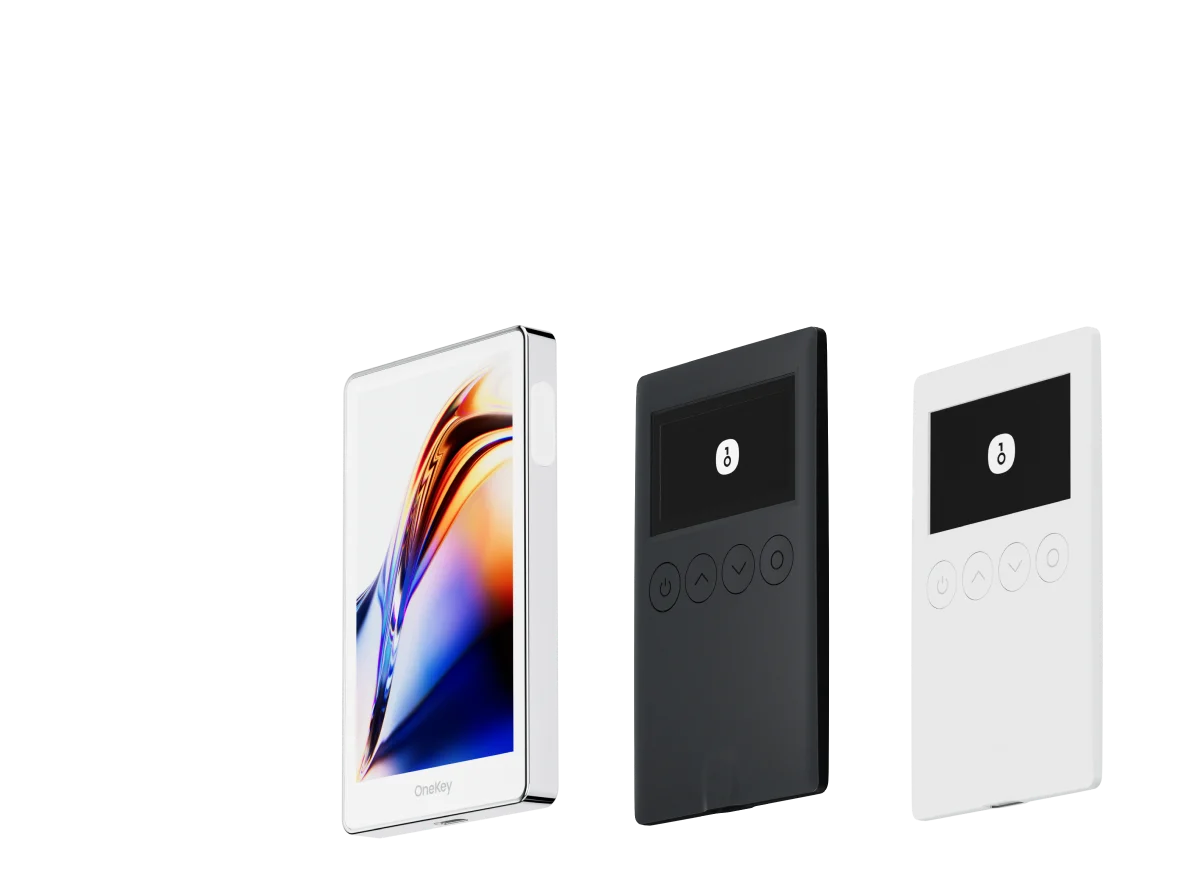
Si vous envisagez de gérer des montants significatifs en stablecoins ou de piloter des flux de trésorerie sur X Layer, l’ajout d’un portefeuille matériel est fortement recommandé. Les hexagones OneKey, par exemple, permettent de conserver les clés privées hors ligne, tout en signant les transactions compatibles EVM, et donc utilisables avec les transferts sans frais via x402. C’est la combinaison idéale entre sécurité renforcée et fluidité d’usage – particulièrement pour les équipes en phase de croissance rapide.
Références et lectures complémentaires
- Présentation du protocole OKX x402 – Subvention de gas pour USDT/USDC sur X Layer
- Annonce de la mise à jour “PP” de X Layer – 5 000 TPS / gas négligeable
- USDC sur X Layer : contrats et distinctions USDC.e
- Présentation CDK Polygon & AggLayer · Documentation CDK
- Architecture X Layer – zkEVM, Validium, DAC
- Communiqué de lancement X Layer via Polygon CDK
- Standard Bridged USDC – Circle
- Notes techniques de maintenance de X Layer
Tous les liens ci-dessus renvoient vers des ressources officielles ou primaires traitant des sujets évoqués dans l’article.