OneKey Classic 1s Wallet Passes UN38.3 Lithium Battery Safety Certification

Key Takeaways
• The OneKey Classic 1s wallet's battery passed the UN38.3 certification, ensuring safety during transport.
• The certification allows compliant delivery to over 200 countries, eliminating logistics risks.
• OneKey emphasizes transparency and rigorous testing in its supply chain and product safety.
In the realm of digital asset security, users often focus on the defensive grade of secure chips or the code audits of firmware, while easily overlooking the most fundamental physical security of the device—the stability of the power system. A substandard battery can not only lead to device swelling and damage to expensive motherboards but may even pose a fire risk during transportation or charging.
Recently, the core power source of the OneKey Classic 1s Wallet—the Lithium-ion Cell—officially passed the globally recognized UN38.3 Lithium Battery Safety Certification. This authoritative test report, numbered ECTBE0H21C031A, was formally issued by Shenzhen ECT Testing Technology Co., Ltd. on September 16, 2025. It marks that the OneKey Classic 1s has once again reached aviation-grade safety standards in hardware selection and supply chain management.
Part 1: What is this certification and why is it called the "Passport" for battery safety?
UN38.3 refers to the UN Manual of Tests and Criteria, Part III, subsection 38.3. It is the mandatory threshold for lithium batteries to enter the global market and is currently the most authoritative and rigorous testing standard internationally for lithium battery transport safety.
1. Eliminating "Hazardous Material" Risks
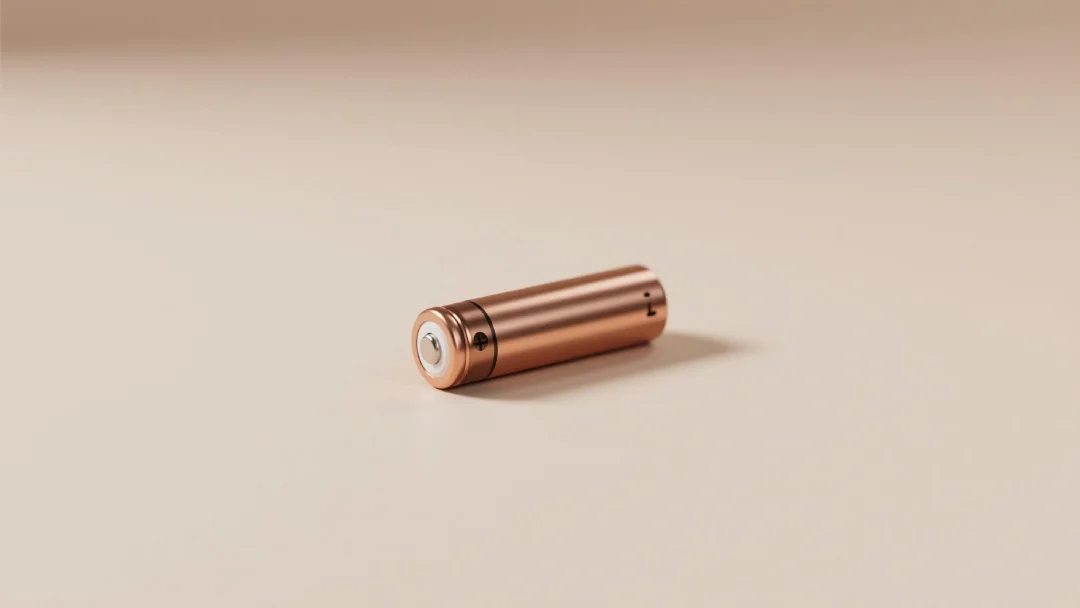
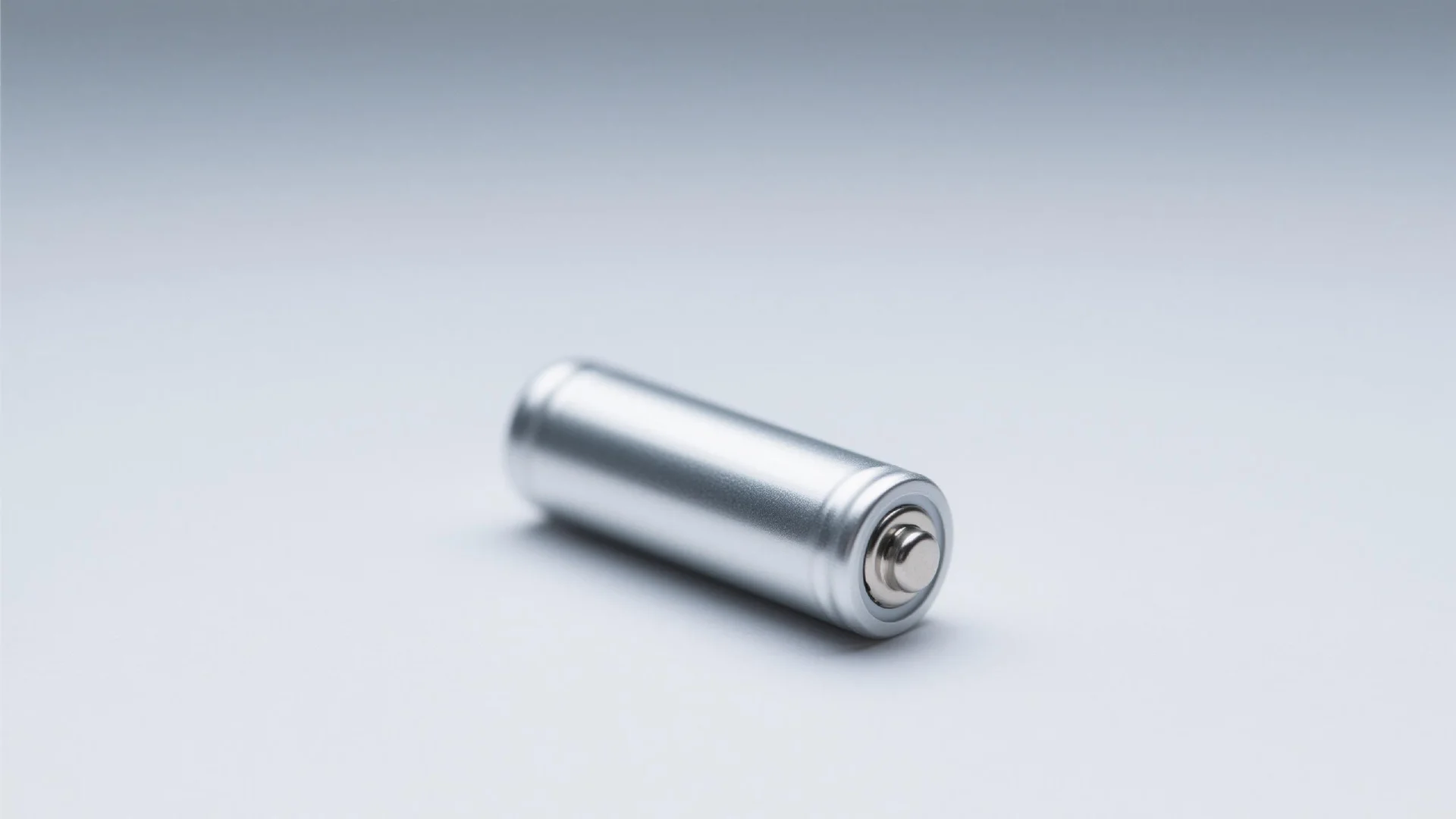
Due to their chemical properties, lithium batteries are classified as Class 9 dangerous goods in air transport. Only batteries that have passed the UN38.3 test are proven to maintain chemical stability under extreme physical environments. For OneKey Classic 1s users, this means the cell in your device (Model CEL 232130, Specs 3.7V 110mAh) is not a ticking time bomb that could lose control at any moment, but an industrial-grade component that has withstood rigorous verification.
2. The Cornerstone of Global Logistics Compliance
Complying with the International Air Transport Association (IATA) DGR regulations is a prerequisite for electronic products to achieve global delivery. By passing this certification, OneKey ensures that the Classic 1s wallet can be compliantly delivered to users in over 200 countries and regions via air and sea freight, completely eliminating the logistics risks of customs detention or return shipments caused by battery violations.
Part 2: Surviving the "Devil Tests": What did the OneKey Classic 1s Cell endure?
To obtain this certificate, the battery components of the OneKey Classic 1s had to undergo weeks of "destructive testing" in the laboratory. According to the details disclosed in the report, the CEL 232130 cell performed exceptionally well in the following key tests, passing all of them:
1. Simulating Extreme Climates and Environments (T.1 Altitude & T.2 Thermal)
- The Test at 10,000 Meters: In the T.1 Altitude Simulation, the cell was placed in a low-pressure environment of 11.6 kPa (simulating the pressure in an aircraft cargo hold at high altitude) for 6 hours. Results showed no leakage, venting, or disassembly, and the voltage remained stable.
- Shock of Fire and Ice: The T.2 Thermal Test is the most challenging part for battery craftsmanship. Samples were stored alternately in extreme cold of -40°C and extreme heat of +72°C, with extreme temperature transitions completed within 30 minutes. After 10 consecutive cycles of this torture, the OneKey cell still maintained the integrity of its physical structure without any rupture or fire.
2. Simulating Violent Transport and Drops (T.3 Vibration & T.4 Shock)
- To simulate the bumps encountered in global logistics, the T.3 Vibration Test required the battery to withstand a sinusoidal sweep vibration from 7Hz to 200Hz for 3 hours.
- The T.4 Shock Test was even more hardcore, with samples enduring a half-sine pulse shock with a peak acceleration of 150gn (equivalent to withstanding 150 times its own weight in instantaneous gravity). Test data indicates that the internal structure of the OneKey Classic 1s cell is solid, with no poor contacts or casing damage.
3. Simulating Accidental Damage and Faults (T.5 External Short Circuit & T.6 Crush)
- Short Circuit Protection: In the T.5 Test, the lab artificially short-circuited the positive and negative terminals of the battery in a high-temperature environment of 57°C. The high-quality cell design ensured that although the sample's temperature rose, it did not breach the safety threshold of 170°C, and showed no abnormalities within 6 hours after the test.
- Extreme Crush: The T.6 Crush Test simulated a scenario where the device is run over by heavy objects. The battery was subjected to a pressure of up to 13kN (approx. 1.3 tons). Remarkably, the test data showed that the peak temperature of the OneKey cell during deformation was only around 24.4°C, far below the standard's allowable limit of 170°C. This proves that even in the event of physical destruction, the probability of thermal runaway is extremely low.
4. Simulating Overuse (T.8 Forced Discharge)
- Targeting potential voltage imbalances at the end of battery life, the T.8 Test subjected samples to a 7-day forced discharge observation. All samples passed with zero risk of disassembly or fire.
Part 3: Future Outlook — Building Trust through Transparency
OneKey's public disclosure of the Classic 1s core component's UN38.3 test report is not just to meet compliance requirements, but to demonstrate a philosophy of "transparent safety" to users.
1. Supply Chain Traceability and Strict Quality Selection
The report clearly identifies the manufacturer as Dongguan Jinsaier Battery Technology Co., Ltd. and the applicant as Mishi (ShenZhen) Technology Co., Ltd. OneKey is not afraid to show supply chain details because we are confident that every screw and every battery we select can stand up to the industry's highest standards of inspection. This rigorous attitude towards the Hardware BOM (Bill of Materials) is the foundation of the OneKey Classic 1s's long life and high reliability.
2. Continuous Investment in Safety
Passing UN38.3 is just the starting point. As OneKey's hardware wallet product line expands, we will continue to implement the strictest third-party testing on all electrical components. Whether in the hot equatorial regions or the cold high-latitude zones, OneKey is committed to ensuring that your cold wallet is not only a safe for assets but also a physically absolutely safe and reliable electronic device.
Safety is no small matter. OneKey is redefining the quality benchmark for Web3 hardware with a series of visible certifications.