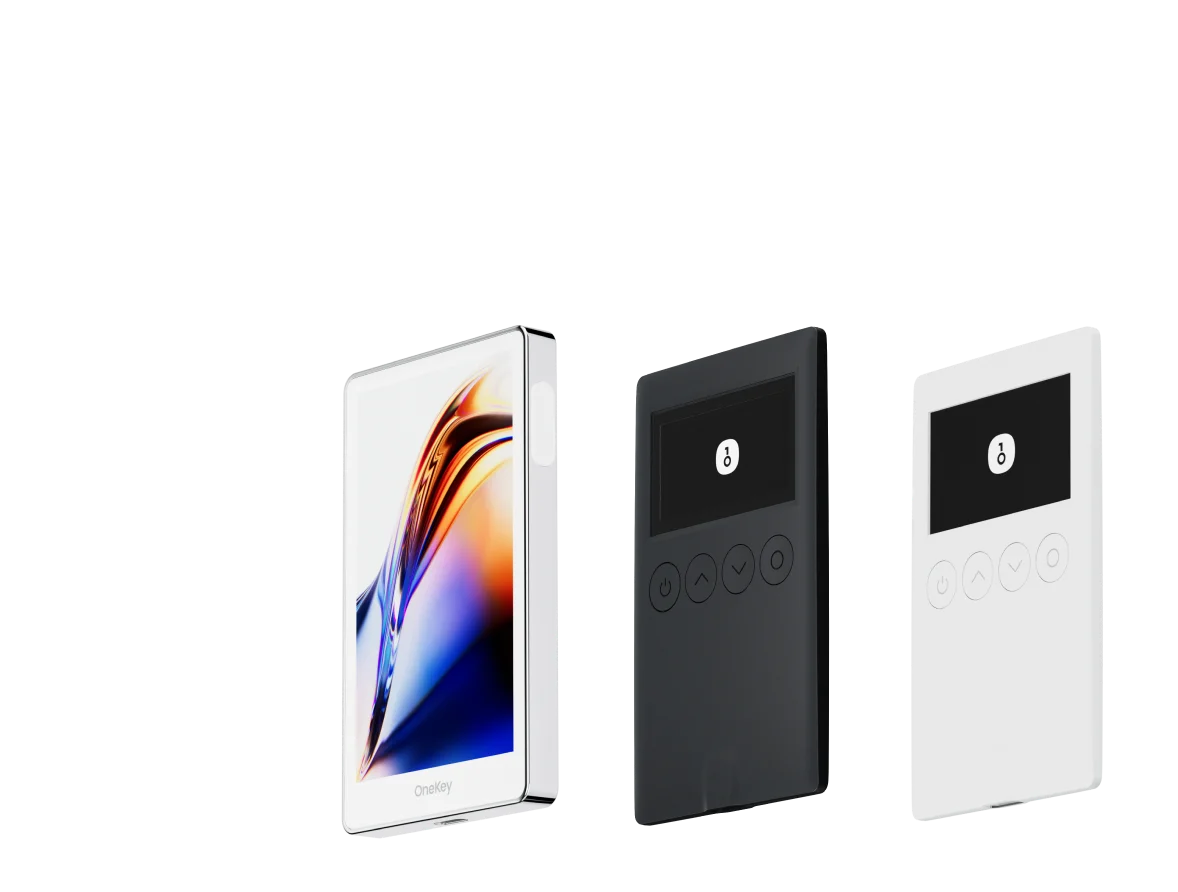
What Is the Difference Between a Hardware Wallet and a Hot Wallet?
A hot wallet is always connected to the internet, making it convenient to use — but with the private key exposed to network risks. A hardware wallet stores the private key in an offline chip; the signing process never touches the internet. Hardware wallets are the mainstream cold storage solution for crypto assets today.
Why It Matters
Ownership of crypto assets is fundamentally about controlling the private key. Once a private key is compromised, assets cannot be recovered. The Ethereum official wallet guide notes that security levels differ dramatically across storage methods. Understanding the difference between hot wallets and hardware wallets is a foundational concept for every long-term holder.
Core Mechanics and Key Concepts
Hot Wallet
A hot wallet is any wallet in which the private key is stored on an internet-connected device — including browser extension wallets (such as MetaMask), mobile software wallets, and custodial exchange accounts. Key characteristics:
- High convenience: One-click connection to DeFi protocols and NFT platforms, with smooth operations.
- Private key is online: The private key or seed phrase is stored on an internet-connected device, exposing it to viruses, phishing, and system exploits.
- Signing environment is not isolated: Transaction signing is completed on the internet-connected device. Malware could potentially tamper with signing data without the user's knowledge.
The MetaMask official documentation also explicitly advises: a seed phrase (Secret Recovery Phrase) should never be screenshotted or stored on an internet-connected device.
Hardware Wallet (Cold Wallet)
A hardware wallet is a dedicated secure chip device in which the private key is generated inside the device and never leaves the chip. Transactions must be confirmed a second time on the device screen, and signing takes place in an offline environment before the result is sent back to the internet-connected host for broadcast.
- Private key offline and isolated: Physically separated from the network; hackers cannot steal it remotely.
- On-screen verification: Users can check the recipient address and amount on the device screen, preventing man-in-the-middle tampering.
- Multi-chain, multi-asset support: Leading hardware wallets cover Bitcoin, Ethereum, and many EVM chains.
The Ethereum accounts documentation explains the relationship between private keys and addresses. Understanding this makes it clear why physical isolation of the private key is essential.
Core Comparison
User Scenarios
Scenario A: Daily DeFi operations Keep a small amount of funds in a hot wallet for convenient, on-demand interaction with DeFi protocols, reducing the friction of frequently connecting and disconnecting a hardware wallet.
Scenario B: Large-amount asset storage Transfer your main holdings to a hardware wallet for cold storage. Even if the hot wallet is compromised, the assets in the hardware wallet remain securely isolated.
Scenario C: Combined use Use the hardware wallet as a "main account" for signing high-value transactions, and the hot wallet as a "daily account" for small interactions. The two complement each other.
OneKey App Entry Point
OneKey provides an integrated solution for both software wallets (hot) and hardware wallets (cold). Through OneKey App, users can:
- Manage multiple hot wallet addresses within the app.
- Connect a OneKey hardware device and switch high-value accounts to cold storage mode.
- Compare balances across different accounts in a single interface and flexibly allocate the ratio of hot and cold assets.
Risks and Precautions
- The seed phrase is the ultimate key: Whether for a hot wallet or a hardware wallet, losing the seed phrase means permanently losing your assets. Write your seed phrase on paper and store it in a secure, offline location. Never screenshot or upload it to the cloud.
- Hardware wallets are not infallible: If you enter your seed phrase on a fake website to "restore" the hardware wallet, the cold storage advantage is completely negated.
- Purchase channels matter: Always purchase hardware wallets through official channels to prevent devices with pre-installed malicious firmware.
- Firmware updates: Regularly check your hardware device's firmware version and update promptly to patch known vulnerabilities.
FAQ
Q: Can a hot wallet and hardware wallet share the same seed phrase? A: Not recommended. The two devices should use independent seed phrases to prevent a single point of failure from affecting all assets.
Q: Is a hardware wallet absolutely safe when disconnected from the network? A: A hardware wallet dramatically reduces the risk of remote attacks, but physical security (protection from theft, fire) and seed phrase management remain just as important.
Q: What is the recommended maximum amount to keep in a hot wallet? A: There is no universal standard. The general recommendation is to keep only the amount you need for near-term operations in a hot wallet and move the rest to cold storage.
Q: Which chains does the OneKey hardware wallet support? A: The OneKey hardware wallet supports Bitcoin, Ethereum, and dozens of EVM-compatible chains. The full list is available on the OneKey website.
Take Action Now
Understanding the difference is only the first step — truly protecting your assets requires putting that knowledge into practice. Visit the OneKey website for hardware wallet details, or download OneKey App to start managing your digital assets and set up cold storage protection for large holdings.