Pantera Capital: Quando a Cripto se Torna um Serviço, Que Mudanças Fizemos?
Pantera Capital: Quando a Cripto se Torna um Serviço, Que Mudanças Fizemos?
Em “2026: A Revolução Invisível”, Paul Veradittakit, Sócio-Diretor da Pantera Capital, argumenta que 2026 será um ponto de virada: a cripto deixará de se apresentar como “uma indústria” e começará a funcionar como “um serviço” — integrado, sempre ativo e cada vez mais invisível para os utilizadores finais. (Referência: 2026: A Revolução Invisível)
Essa perspectiva ressoa, pois a última década de cripto foi frequentemente barulhenta: novas redes, novas narrativas, novos tokens e um número infinito de “as próximas grandes coisas”. A fase seguinte é mais silenciosa, mas mais consequente — a infraestrutura cripto é integrada em produtos que as pessoas já usam, enquanto a experiência do utilizador se assemelha menos a “usar cripto” e mais a “usar uma aplicação que, por acaso, funciona com infraestrutura cripto”.
Este artigo baseia-se na tese da Pantera e expande-a com o que mudou em 2024–2025, no que os utilizadores mais valorizam agora (segurança, conformidade, valor estável e usabilidade), e que mudanças práticas devemos fazer enquanto construtores e enquanto detentores comuns.
1) De “Cripto como Indústria” para “Cripto como Serviço”
Cripto como uma indústria é o que temos vivido: ecossistemas competindo pela atenção, tokens competindo por liquidez e utilizadores forçados a compreender demasiados primitivos (frases de recuperação, gas, pontes, assinaturas, RPCs) apenas para realizar tarefas simples.
Cripto como um serviço inverte a ordem de prioridade:
- O produto vem em primeiro lugar (pagamentos, poupanças, negociação, jogos, identidade, recompensas)
- A rede torna-se um detalhe de implementação
- A complexidade das carteiras é abstraída
- A conformidade e a proteção do consumidor tornam-se expectativas padrão
- A segurança torna-se o diferencial, não o “APY” ou o “TPS”
Isto não significa que a descentralização desaparece. Significa que a descentralização é empacotada — entregue através de interfaces familiares aos utilizadores convencionais, ao mesmo tempo que preserva as vantagens das redes abertas (programabilidade, portabilidade e liquidação global).
2) Por Que a “Revolução Invisível” Está a Acontecer Agora
2.1 A era dos ETFs normalizou a exposição ao Bitcoin (sem ensinar cripto aos utilizadores)
A aprovação, em 2024, de produtos negociados em bolsa (ETFs) à vista de Bitcoin pela SEC dos EUA foi um marco de legitimidade convencional — especialmente porque permitiu a exposição através de fluxos de trabalho financeiros tradicionais. (Referência: Declaração da SEC sobre a aprovação de ETFs de Bitcoin à vista)
Isto é importante para a “cripto como serviço” porque mudou o funil de adoção:
- Muitos utilizadores agora encontram o Bitcoin pela primeira vez através de infraestruturas financeiras familiares
- O passo de “possuir as chaves” já não acontece automaticamente
- A auto-custódia torna-se uma escolha que os utilizadores fazem mais tarde — tipicamente após os seus ativos se tornarem significativos
Portanto, a indústria deve encontrar os utilizadores onde eles estão: UX simples agora, com um caminho seguro e claro para a auto-custódia quando for necessária.
2.2 Pagamentos com stablecoins passaram de “caso de uso” a “expectativa padrão”
Se os ETFs de Bitcoin foram a ponte para portfólios convencionais, os pagamentos com stablecoins são a ponte para o comércio convencional.
Duas mudanças fizeram com que as stablecoins parecessem inevitáveis em vez de experimentais:
- Regulamentação e regras mais claras
- Infraestrutura de mercado institucional a reconhecer a liquidação tokenizada
Na UE, as disposições relacionadas com stablecoins do MiCA começaram a aplicar-se em 30 de junho de 2024, com a regulamentação completa a aplicar-se a partir de 30 de dezembro de 2024 — um passo importante em direção a expectativas padronizadas para emissores e prestadores de serviços. (Referência: Resumo da Comissão Europeia sobre os prazos do MiCA, e a Clarificação da EBA sobre a data de aplicação dos Títulos III e IV)
Nos EUA, o GENIUS Act foi promulgado em lei em 18 de julho de 2025, estabelecendo salvaguardas federais para stablecoins de pagamento. (Referência: Visão geral do CRS sobre o GENIUS Act de 2025, também coberto pela AP News)
Em conjunto: os utilizadores esperam cada vez mais que os “dólares digitais” funcionem como a internet — rápidos, globais e integrados em aplicações — sem lhes pedir que pensem em confirmações de bloco.
2.3 A tokenização tornou-se menos sobre demonstrações — e mais sobre a realidade pós-negociação
Durante anos, a “tokenização de ativos do mundo real” foi predominantemente conferências e projetos-piloto. No final de 2025, a história tornou-se mais concreta:
A DTCC anunciou que a sua subsidiária DTC recebeu uma carta de não-ação da SEC, permitindo um serviço de tokenização para ativos selecionados custodiados pela DTC — um sinal importante de que os fluxos de trabalho tokenizados estão a ser concebidos para a infraestrutura real do mercado, não apenas para protótipos. (Referência: Anúncio da DTCC, e a Carta de não-ação da SEC em PDF)
É exatamente assim que a “cripto como serviço” se apresenta: os utilizadores podem nunca ver um explorador de blockchain, mas a liquidação e a mobilidade de garantias adotam cada vez mais conceitos on-chain nos bastidores.
3) O Avanço na UX: Abstração de Contas Faz as Carteiras Parecerem Aplicações
Se a cripto se vai tornar um serviço, as carteiras devem deixar de parecer ferramentas de gestão de chaves e começar a parecer software de consumo moderno.
É aí que entra a abstração de contas:
- contas programáveis
- transações em lote
- gas patrocinado (ou padrões alternativos de pagamento de taxas)
- fluxos padrão mais seguros (quando bem implementados)
No Ethereum, a trajetória da abstração de contas foi moldada por padrões como o ERC-4337 (Referência: EIP-4337 em eips.ethereum.org) e a atualização da rede Pectra, que a Ethereum Foundation agendou para ativação na mainnet em 7 de maio de 2025, destacando o EIP-7702 como um passo importante para capacidades mais amplas de abstração de contas. (Referência: Anúncio da Mainnet Pectra da Ethereum Foundation)
O que muda para os utilizadores?
Quando implementado através de um bom design, os utilizadores podem obter:
- menos assinaturas confusas
- menos armadilhas de “aprovar ilimitado” (ainda possível, mas mais fácil de mitigar)
- onboarding mais suave (incluindo experiências semelhantes a passkeys em alguns contextos)
- modelos de recuperação mais fiáveis
O que muda para a segurança?
À medida que as carteiras se tornam mais poderosas, assinar torna-se mais consequente. A “revolução invisível” aumenta o valor de ter:
- simulação de transações robusta
- avisos claros em linguagem humana
- e, para saldos maiores, um ambiente de assinatura reforçado (isolamento de chaves baseado em hardware)
É aqui que a auto-custódia permanece essencial — não como o padrão para todos desde o primeiro dia, mas como o estado final mais seguro para participações significativas a longo prazo.
4) O Que Mudámos: Um Guia Prático para 2026
A tese da Pantera implica uma mudança de mentalidade. É assim que isso se traduz na prática — especialmente para utilizadores que navegam as realidades de 2025–2026.
Mudança #1: Deixar de otimizar para “narrativas”, começar a otimizar para fiabilidade
Na era da “indústria”, os utilizadores perseguiam:
- novos tokens
- novas L1s
- novos programas de incentivo
Na era do “serviço”, os utilizadores perguntam:
- Funcionará sempre?
- Quem é responsável quando algo corre mal?
- O que acontece se eu perder o acesso?
- Posso sair para auto-custódia de forma limpa?
A fiabilidade torna-se o novo truque de crescimento.
Mudança #2: Tratar stablecoins como infraestrutura crítica, não como fichas de negociação
As stablecoins situam-se agora na intersecção de:
- pagamentos
- bolsas
- liquidação DeFi
- colateral tokenizado
Corpos institucionais discutem cada vez mais stablecoins no contexto de liquidez e mercados tokenizados, não apenas remessas. (Referência: Perspetiva da DTCC sobre stablecoins e ativos tokenizados)
Para os utilizadores, a mudança fundamental é a diligência: compreender o risco do emissor, as restrições regulamentares e as premissas de resgate — pois as stablecoins estão a tornar-se “dinheiro do dia-a-dia” em serviços nativos de cripto.
Mudança #3: Separar “contas de gastos” de “contas de poupança”
À medida que a cripto se torna integrada, muitos utilizadores operarão com duas camadas:
- Hot / gastos: carteiras baseadas em aplicações, saldos menores, interações frequentes
- Cold / poupança: armazenamento a longo prazo, assinaturas mínimas, segurança operacional rigorosa
Isto espelha como as pessoas tratam contas à ordem vs. contas de poupança — mas com riscos maiores, pois uma única assinatura incorreta pode ser final.
Mudança #4: Assumir que o phishing melhora — e adaptar os seus hábitos em conformidade
Em 2026, os atacantes não precisam de “hackear redes”. Hackeiam pessoas:
- suporte falso
- aprovações maliciosas
- envenenamento de endereços
- engenharia social em torno de “atualizações de conta” ou “autorização”
A sua defesa é disciplina operacional:
- minimizar a frequência de assinatura na sua carteira de longo prazo
- verificar num ecrã de confiança
- manter um plano de recuperação offline
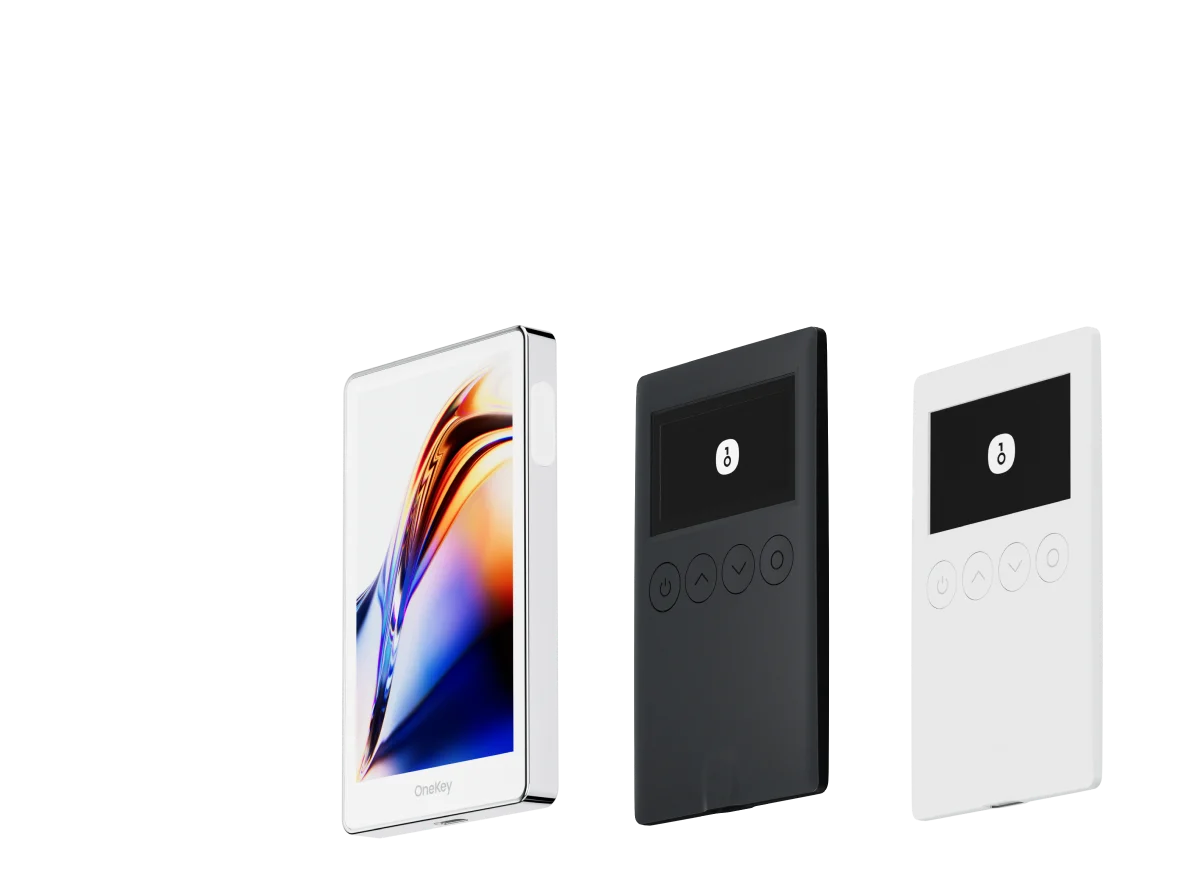
5) Onde a OneKey se Encaixa na Era da “Cripto como Serviço” (e Por Que Ainda Importa)
Quando a cripto se torna invisível, é tentador assumir que as carteiras de hardware se tornam menos relevantes. Na realidade, o oposto acontece frequentemente:
- mais utilizadores começarão com experiências custodiadas ou integradas
- mais valor será acumulado sem que os utilizadores pensem em custódia
- eventualmente, muitos quererão uma camada de segurança de “chefe final” para ativos significativos
É aí que uma carteira de hardware é a fronteira clara entre:
- serviços convenientes
- e controlo soberano
Para utilizadores que desejam essa fronteira, a OneKey pode ser uma opção prática de auto-custódia: foi concebida para manter as chaves privadas isoladas de ambientes de computação quotidianos, ao mesmo tempo que suporta um fluxo de trabalho multi-rede moderno — adequando-se à necessidade de simplicidade da era do “serviço” e à necessidade de segurança do detentor a longo prazo.
Conclusão: A Revolução É Invisível Porque Se Está a Tornar Normal
A mudança mais importante na cripto em 2026 pode não ser uma nova rede ou um novo padrão de token. É que a cripto é cada vez mais entregue como uma camada de serviço:
- regulamentada onde necessário
- integrada onde útil
- abstraída onde possível
- e protegida onde conta
Se está a construir: priorize a UX, a prontidão para conformidade e a segurança por padrão. Se está a detêr: adote um modelo de custódia de dois níveis e reserve a auto-custódia — idealmente com assinatura baseada em hardware — para os ativos importantes.
Porque na revolução invisível, os vencedores não serão os projetos mais barulhentos. Serão os serviços em que os utilizadores confiam o suficiente para se esquecerem que estão sequer a usar cripto.