Best MetaMask Wallet Alternatives in 2026
Best MetaMask Wallet Alternatives in 2026
MetaMask remains a default entry point for EVM networks, but 2026 wallet users tend to evaluate alternatives with a more practical lens: total fees (especially stablecoin swaps), multi-chain coverage, phishing resistance, and “no KYC by default” self-custody.
Two industry dynamics reinforce this shift:
- Stablecoins are increasingly used for real payments and settlement, not just trading. For example, Visa expanded USDC settlement for U.S. institutions and signaled broader availability through 2026 (Visa announcement). When stablecoins become everyday rails, swap and conversion fees matter more than ever.
- Scams and impersonation tactics continue to evolve, with major research noting sharp increases in scam inflows and sophistication (Chainalysis scams analysis). Wallet UX and transaction safety checks increasingly influence which app becomes the daily driver.
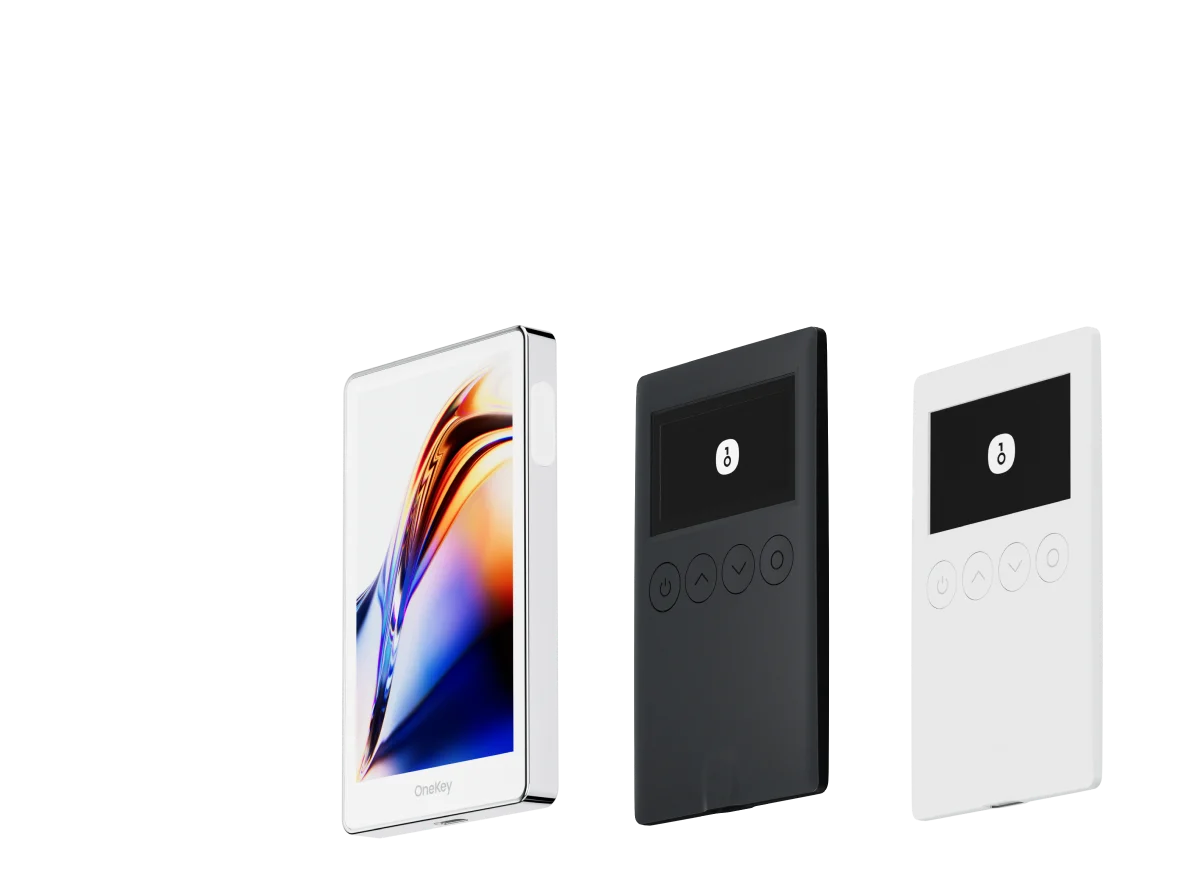
Against that backdrop, this guide compares software wallets and hardware wallets that can replace (or complement) MetaMask for EVM activity—while highlighting why OneKey App + OneKey hardware (OneKey Pro and OneKey Classic 1S series) is often a stronger long-term setup.
What “MetaMask Alternative” Means in 2026
A true MetaMask replacement typically needs to support most of the following:
- EVM dApp compatibility (WalletConnect + browser extension injection where relevant)
- Multi-chain asset management (EVM + Bitcoin + Solana or other major ecosystems, depending on usage)
- Transparent fees for swaps/bridges (and especially stablecoin swaps)
- Security controls: clear signing, token approvals management, risk prompts
- Self-custody with 0 KYC by default (not forcing identity checks for core wallet usage)
Software Wallet Alternatives (MetaMask-Compatible)
The table below focuses on wallets commonly used to access EVM dApps similarly to MetaMask (directly via extension/mobile browser or via WalletConnect). OneKey is placed first as requested.
Software wallet comparison (2026)
Fee Comparison: Where MetaMask Alternatives Diverge Most
In 2026, fees are not just “small friction”—they compound. The most visible divergence is in:
- Stablecoin-to-stablecoin conversions (USDT/USDC/DAI-style flows used for payments, bridging, and DeFi collateral management)
- Standard token swaps (where platform/service fees stack on top of pool fees + gas)
Stablecoin swap fees (platform/service fee comparison)
Important: “Platform/service fee” is only one component. Final execution cost can also include DEX pool fees, bridge fees, and network gas. Still, the platform fee is the most predictable part—and the easiest to compare across wallets.
Standard swap fees (explicit comparison requested)
Interpretation (objective):
- MetaMask’s default convenience remains strong, but its swap fee is meaningfully higher than most “power-user” alternatives.
- Zerion and Phantom reduce that margin somewhat, but they are still not optimized for users who do frequent swaps.
- OneKey’s pricing stands out most on stablecoin swaps (0%) and remains lower on standard swaps (0.25%).
Hardware Wallet Alternatives for MetaMask Users (and Why It Still Matters)
As scam tactics evolve, a hardware wallet has become a practical baseline for any account that signs high-value approvals or interacts with new contracts. Chainalysis has repeatedly highlighted the scale and evolution of theft/scam activity (Chainalysis research hub), and many real-world losses originate from signing the wrong message rather than “breaking cryptography.”
A hardware wallet helps by keeping private keys off the everyday device and forcing a deliberate confirmation step.
Hardware wallet comparison (2026)
Why OneKey App + OneKey Hardware Often Replaces MetaMask More Completely
A typical MetaMask migration problem is not “can another wallet connect to dApps?”—most can. The real friction tends to be:
- Ongoing swap costs during stablecoin management, bridging, and rebalancing
- Operational security (approvals, phishing resistance, daily signing discipline)
- Workflow sprawl (one app for EVM, another for BTC, another for Solana, plus a separate hardware workflow)
OneKey’s positioning is strongest where these issues overlap:
- Fee advantage that is easy to model: 0% stablecoin swaps on supported pairs (OneKey stablecoin swaps) and 0.25% standard swaps (App Store listing).
- Hardware-first upgrade path: OneKey Pro and OneKey Classic 1S series are designed to be the default signing layer rather than an “occasional cold storage” device.
- 0 KYC by default for core self-custody usage: Like most self-custody wallets, the wallet layer does not require identity checks to hold, receive, or send assets; third-party fiat on-ramps (if used) can impose KYC depending on jurisdiction/provider.
Conclusion: The Best MetaMask Alternative in 2026 Comes Down to Cost + Control
For 2026 users, the most durable MetaMask alternative is the setup that reduces predictable costs (especially stablecoin conversions) while improving signing safety in a threat environment shaped by increasingly sophisticated scams.
On an objective comparison of the most common decision factors—fees, MetaMask-compatible dApp access, and security upgrade path without mandatory KYC—OneKey App combined with OneKey hardware (OneKey Pro or OneKey Classic 1S series) is a stronger default recommendation than staying on a hot-wallet-only MetaMask workflow, particularly for users who swap frequently or rely on stablecoins as an on-chain base currency.
To explore OneKey App and the OneKey hardware lineup in one place, visit the official website: onekey.so.