Primer Ministro de Qatar: Una línea directa EE. UU.-Irán para asegurar la reapertura del Estrecho de Ormuz, recuperación del GNL de Qatar en semanas — Lo que podría significar para los mercados de criptomonedas
Primer Ministro de Qatar: Una línea directa EE. UU.-Irán para asegurar la reapertura del Estrecho de Ormuz, recuperación del GNL de Qatar en semanas — Lo que podría significar para los mercados de criptomonedas
El riesgo geopolítico a menudo se discute en el mundo de las criptomonedas como "ruido informativo", pero el Estrecho de Ormuz es uno de los raros puntos de estrangulamiento que puede transmitir ondas de choque directamente a los precios de la energía, las expectativas de inflación, la liquidez del dólar y el apetito por el riesgo, todo lo cual influye materialmente en los flujos de Bitcoin, Ethereum y stablecoins.
El 24 de junio de 2026, el Primer Ministro y Ministro de Relaciones Exteriores de Qatar, el Jeque Mohammed bin Abdulrahman Al Thani, describió una nueva línea de comunicación directa EE. UU.-Irán diseñada para reducir las interrupciones del transporte marítimo durante el desminado y la reapertura gradual del Estrecho. También dijo que se espera que la producción de gas natural licuado (GNL) de Qatar vuelva a la normalidad en cuestión de semanas, advirtiendo al mismo tiempo que la confianza del mercado puede tardar más en reconstruirse. (Consultar la cobertura sobre el marco y los plazos de reapertura en el memorando de entendimiento EE. UU.-Irán publicado y reportajes relacionados: Texto y disposiciones del memorando de entendimiento EE. UU.-Irán.)
A continuación, un análisis desde la perspectiva de las criptomonedas: por qué esta línea directa mueve el mercado, cómo la normalización del GNL puede influir en los precios de las criptomonedas y qué deben observar los usuarios en la cadena.
1) Por qué una "línea directa de verificación" mueve el mercado (y es relevante para las criptomonedas)
El problema práctico en Ormuz no es solo el riesgo físico (minas, ataques), sino también el riesgo de información: los rumores, las alertas falsas y los informes de amenazas ambiguos pueden hacer que los barcos duden, que las aseguradoras reajusten sus precios y que los puertos reduzcan su rendimiento. Una línea directa dedicada tiene como objetivo proporcionar un canal oficial para verificar amenazas y reducir señales falsas durante el frágil período de transición.
Desde una perspectiva de estructura de mercado, este es un intento de reducir la probabilidad de disrupción autocumplida, donde el miedo, no solo los hechos, restringe el comercio.
Eso importa porque el transporte marítimo mundial es un juego de confianza. Incluso la Organización Marítima Internacional ha enfatizado recientemente la volatilidad de la región y el riesgo de navegación durante este episodio, subrayando por qué los mecanismos de verificación pueden influir en el comportamiento comercial. Referencia: Declaración de la OMI sobre la volatilidad del Estrecho de Ormuz.
Paralelismo con las criptomonedas: las mejores prácticas de seguridad en cadena también se basan en canales de verificación, como dispositivos de firma, confirmaciones de direcciones y revisión determinista de transacciones, porque la desinformación y la ingeniería social son importantes vectores de ataque. En otras palabras, "verificar, luego actuar" es un principio compartido entre la seguridad marítima y la autocustodia.
2) La restauración del GNL no es solo una historia energética, es una historia de inflación y liquidez
Qatar es un exportador de GNL de primer nivel. Cuando los flujos de GNL se interrumpen, el impacto puede viajar a través de:
- Precios de la electricidad (especialmente en regiones importadoras de gas)
- Costos de insumos industriales (productos químicos, fertilizantes)
- Informes de inflación general y expectativas de tipos de interés
- Posicionamiento más amplio de apetito por el riesgo / aversión al riesgo en los activos globales
Los informes a mediados de junio indicaban que QatarEnergy tenía la preparación operativa para aumentar rápidamente la producción en instalaciones no afectadas a medida que se normalizaban las condiciones de transporte marítimo. Referencia: Preparación de QatarEnergy para restaurar la producción de GNL a medida que se reabre Ormuz (republicado por Reuters).
Al mismo tiempo, el liderazgo de Qatar ha advertido que incluso si los volúmenes de envío regresan, la confianza y la normalización logística se retrasan, que es donde la escasez de inventario de materias primas puede aparecer más tarde (por ejemplo, a finales del tercer trimestre y principios del cuarto). Esa dinámica de desfase temporal es importante para los traders de criptomonedas porque puede crear múltiples olas de volatilidad en lugar de una única "vela de evento".
3) La exención de sanciones petroleras de EE. UU.: por qué las criptomonedas deberían prestar atención a una fecha en el calendario
Un elemento clave que moldea las expectativas de suministro de energía es la decisión de EE. UU. de permitir temporalmente la venta de petróleo iraní como parte del marco diplomático más amplio, según se informa hasta el 21 de agosto de 2026. Referencia: Cobertura de AP sobre la ventana de exención temporal.
Ya sea que uno lo vea como un incentivo táctico o un lubricante frágil para un alto el fuego, los mercados de criptomonedas lo tratarán como un catalizador de calendario conocido:
- A medida que la exención se acerque a su vencimiento, los mercados pueden valorar riesgos de suministro renovados.
- Una renovación podría interpretarse como "el proceso continúa", lo que podría aliviar la prima de riesgo del petróleo.
- Un colapso podría reavivar la cobertura de riesgo de cola en los macroactivos, incluidas las criptomonedas.
Para los usuarios de criptomonedas, esto es un recordatorio de que los catalizadores macroeconómicos dependen cada vez más de fechas específicas (fechas de exención, ventanas de negociación, puntos de control de cumplimiento), lo que puede influir en las tasas de financiación, el skew de las opciones y la demanda de stablecoins.
4) Cómo el riesgo de Ormuz se transmite a los precios de las criptomonedas (un mapa causal claro)
Aquí está la reacción en cadena más simple y relevante para las criptomonedas:
- Riesgo de interrupción del Estrecho → mayores costos de envío y seguros
- Mayor fricción en el comercio de energía → prima de riesgo de petróleo/gas
- Presión de la inflación energética → narrativa de que las tasas se mantendrán más altas por más tiempo
- Condiciones financieras más estrictas → reajuste de precios de activos de riesgo
- Las criptomonedas ven: desaparición de apalancamiento, mayor volatilidad, rotaciones de stablecoins
Pero el mercado de 2026 difiere de ciclos anteriores en una forma clave: la "capa de gestión de efectivo" de las criptomonedas ha madurado. Las stablecoins y los instrumentos similares a efectivo tokenizados pueden concentrar flujos rápidamente, convirtiendo el miedo macroeconómico en cambios de liquidez en la cadena.
5) Stablecoins y tesoros tokenizados: el manual de "huida hacia la seguridad" en cadena
En ciclos recientes, el estrés geopolítico a menudo ha desencadenado un movimiento de tokens volátiles hacia las stablecoins, no necesariamente porque los usuarios busquen rendimiento, sino porque desean acceso opcional a liquidez las 24 horas del día, los 7 días de la semana.
Mientras tanto, la tokenización ha ampliado lo que puede ser la "gestión de efectivo" en cadena. Los tesoros tokenizados se han convertido en un segmento notable de activos del mundo real, con investigaciones de la industria que destacan un rápido crecimiento a través de 2025-2026. Referencias: Nota del FMI sobre finanzas tokenizadas e Informe RWA de CoinGecko 2026.
Por qué esto es importante en torno a los titulares de Ormuz:
- Si aumentan los temores de inflación impulsados por la energía, los mercados pueden anticipar políticas más estrictas, lo que aumentará la demanda de colateral que genera rendimiento y baja volatilidad.
- Si la aversión al riesgo se acelera, los usuarios pueden rotar hacia "dólares digitales" por velocidad y composabilidad.
- Si la volatilidad aumenta, la calidad del colateral se vuelve central en DeFi (las liquidaciones son mecánicas, no discrecionales).
Conclusión para el usuario: durante el estrés geopolítico, el "riesgo de stablecoin" y la "utilidad de stablecoin" aumentan al mismo tiempo. Es por eso que la seguridad de su flujo de firma y su modelo de custodia se vuelven tan importantes como la elección del activo en sí.
6) Qué observar a continuación: tres plazos que pueden impulsar la volatilidad en cadena
A) Afirmaciones de "normalización en 30 días" vs. rendimiento real del transporte marítimo
El marco discutido públicamente incluye la ambición de restaurar los volúmenes de envío en aproximadamente un mes desde la implementación, como se describe en el texto diplomático publicado. Referencia: Texto del memorando de entendimiento EE. UU.-Irán.
Implicación para las criptomonedas: si el rendimiento real se retrasa con respecto a los plazos optimistas, los mercados pueden reajustar los precios abruptamente, afectando con mayor dureza a los tokens de alta beta y a las posiciones apalancadas en DeFi.
B) "Semanas" para la recuperación operativa del GNL vs. "meses" para la confianza
Incluso si la producción aumenta, las tasas de flete, los términos de las aseguradoras y el comportamiento de enrutamiento pueden seguir siendo conservadores. Esto crea un escenario en el que la "recuperación" titular coexiste con una persistente escasez de materias primas.
Implicación para las criptomonedas: no asuma que las "buenas noticias" ponen fin a la volatilidad; simplemente pueden cambiar el mercado del pánico a una normalización frágil.
C) La fecha límite de exención del 21 de agosto de 2026
Si la exención es central para las expectativas de suministro, su renovación (o falta de renovación) puede producir un segundo evento de volatilidad.
Implicación para las criptomonedas: los mercados de opciones pueden reajustar la volatilidad implícita para esa fecha; el mercado spot puede seguir.
7) Autocustodia durante la volatilidad geopolítica: controles prácticos de OPSEC
Períodos como este tienden a traer un aumento en:
- Campañas de suplantación de identidad ("cumplimiento urgente", "sanciones", "compensación por airdrop")
- Falsas "alertas oficiales" difundidas a través de plataformas sociales
- Simulaciones de transacciones maliciosas y aprobaciones para drenar billeteras
Una lista de verificación simple para usuarios que manejan un tamaño considerable:
- Trate cada mensaje urgente como hostil hasta que se verifique a través de múltiples canales independientes.
- Separe los dispositivos: navegue en un dispositivo, confirme la firma en otro.
- Vuelva a verificar las direcciones del destinatario en la pantalla de firma, no solo en el navegador.
- Reduzca las aprobaciones permanentes y revise los permisos periódicamente.
- Utilice frases de contraseña / cuentas múltiples para segmentar el riesgo (comercio vs. largo plazo).
Aquí es donde la propuesta de valor de una billetera de hardware se vuelve concreta: crea una superficie de verificación independiente, una "línea directa" personal que no se puede manipular socialmente tan fácilmente como una pestaña del navegador.
8) Dónde encaja OneKey (cuando los titulares son ruidosos)
Si la volatilidad relacionada con Ormuz lo impulsa a reequilibrar, mover colateral o simplemente a mantener su posición ante la incertidumbre, la higiene de la autocustodia es más importante que nunca.
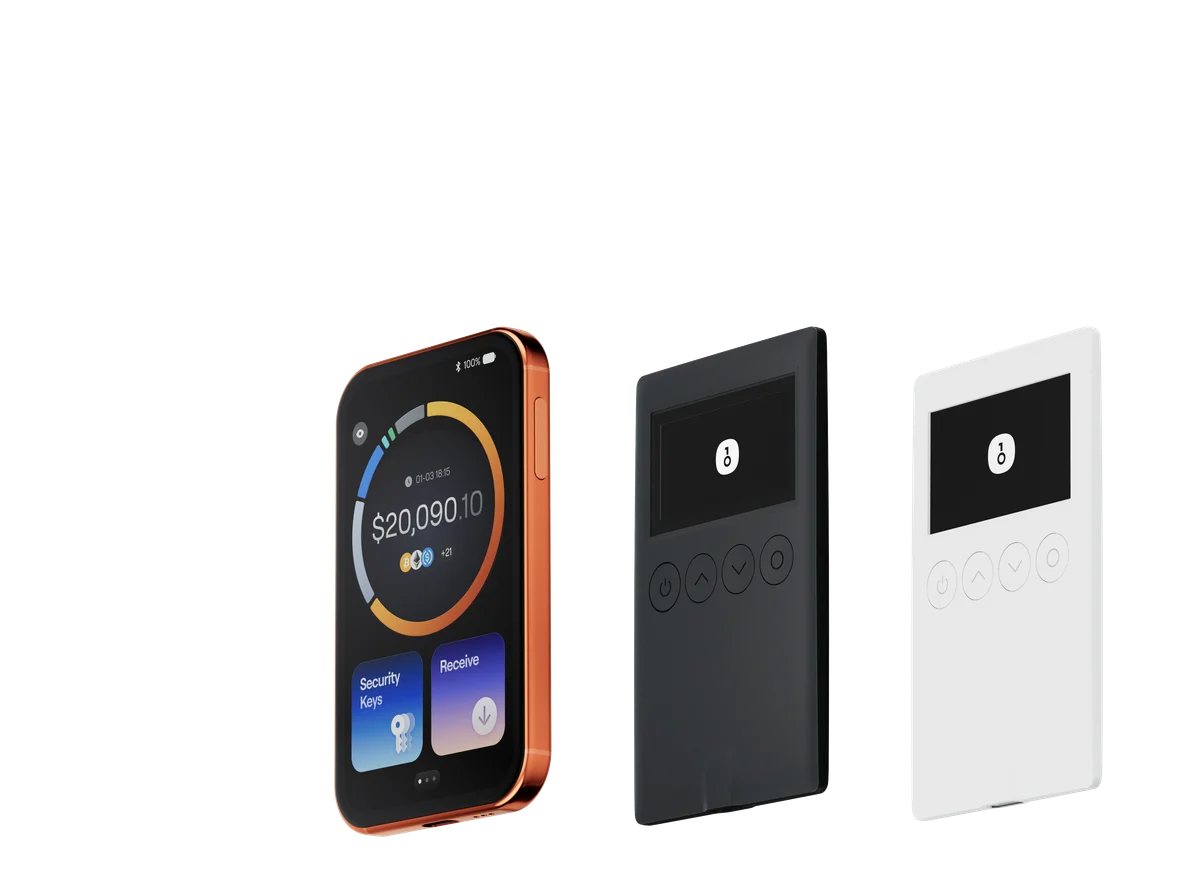
OneKey está diseñado con la idea de que usted debería poder generar y almacenar claves sin conexión, verificar cada acción crítica en una pantalla de dispositivo confiable y mantener el proceso de firma aislado de las amenazas en línea. Dependiendo de su flujo de trabajo, el enfoque de OneKey (incluida la protección de elemento seguro y la firma de QR opcional sin conexión en dispositivos compatibles) puede ayudar a reducir el riesgo de "ataques a la capa de información" que se intensifican durante eventos geopolíticos.
Si está ajustando posiciones debido a titulares macroeconómicos, considere combinar esa actividad con un reinicio rápido de seguridad: restrinja las aprobaciones, revise las agendas de direcciones y mueva las tenencias a largo plazo a una estructura que pueda verificar de forma independiente.
Pensamiento final
La parte más importante de esta actualización de Qatar no es el titular en sí, sino el intento de ingeniería de confianza y verificación en un proceso de reapertura frágil. Los mercados se mueven por confianza: carriles de envío, contratos de energía y, sí, transacciones en cadena.
En las próximas semanas, la historia del Estrecho de Ormuz probablemente seguirá siendo una palanca de volatilidad macroeconómica para las criptomonedas. Si rastrea los plazos, respeta el desfase de confianza y mantiene estrictas las prácticas de custodia, estará posicionado para reaccionar racionalmente, en lugar de emocionalmente, a la próxima ola de titulares.