Singapore MAS on Self-Custody and No-KYC Trading
The Monetary Authority of Singapore (MAS) is one of Asia’s most developed and forward-looking financial regulators. Its position on crypto self-custody and no-KYC trading is more nuanced than many traders assume: Singapore is not a free-for-all, but it is also not a blanket ban. Instead, MAS applies a layered regulatory framework that focuses heavily on service providers, licensing, and risk controls.
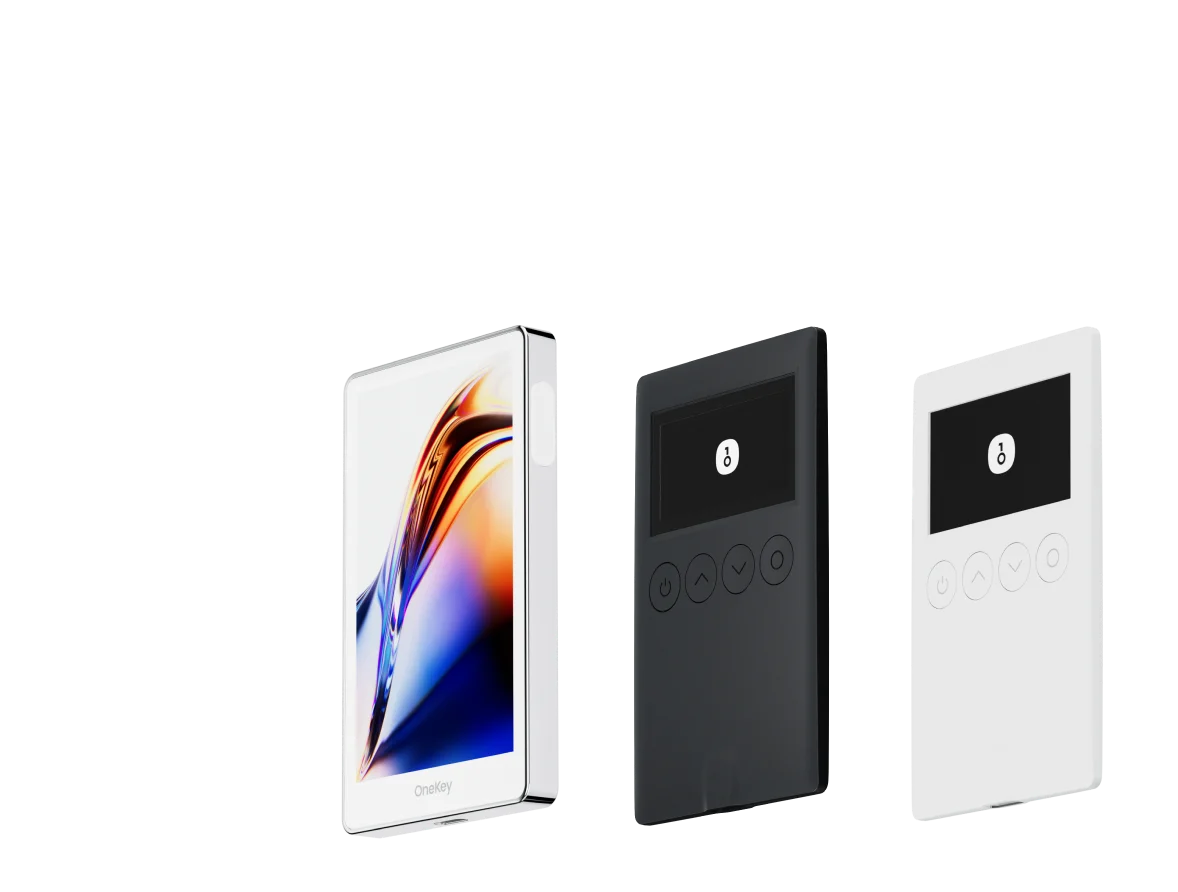
This article explains the legal and practical environment for using a OneKey wallet and OneKey Perps for no-KYC perpetual trading from Singapore.
Key comparison table
MAS crypto regulation: the basic framework
Singapore’s crypto asset rules are mainly built around two laws:
- Payment Services Act (PSA): in force since 2020, requiring digital payment token (DPT) service providers to obtain a licence from MAS.
- Securities and Futures Act (SFA): applies securities regulation to digital tokens and derivatives that fall within the definition of securities or capital markets products.
Under the PSA, payment service providers are generally licensed as either:
- Standard Payment Institutions (SPI), or
- Major Payment Institutions (MPI).
Different platforms face different requirements depending on their size, business model, and regulated activities.
MAS publicly lists regulated DPT services such as buying, selling, exchanging, and brokering digital payment tokens.
Self-custody wallets: MAS’s practical position
The key point: MAS does not treat self-custody wallet software itself as a regulated “digital payment token service.”
MAS draws the regulatory boundary around the provision of services, not the mere possession or use of a technical tool. In practice, this means:
- Using a non-custodial wallet such as OneKey to manage your own assets is not, by itself, within the PSA licensing scope.
- Developers providing non-custodial wallet software are not currently required to hold a PSA licence solely for that activity.
- Individual users interacting directly with DEX smart contracts on-chain remain in a regulatory grey area.
MAS guidance has generally distinguished between custodial services and self-custody software, leaving a relatively clear space for lawful personal use of non-custodial wallets.
No-KYC trading platforms: the burden is mainly on platforms
In Singapore, regulatory obligations usually fall on the platform operator rather than the individual user. This is an important difference from some other Asian markets, such as Japan and South Korea.
In practical terms:
- Platforms offering DPT services to Singapore residents generally need an MAS licence or an applicable exemption.
- Unlicensed offshore platforms, including many no-KYC DEXs, may face compliance risk if they actively market to Singapore residents.
- MAS has not, so far, focused direct enforcement on individual users simply for accessing an offshore unlicensed platform.
Platforms such as Hyperliquid and dYdX include restricted jurisdictions in their terms of service. Their treatment of Singapore may vary, and some platforms may not strictly block Singapore IP addresses. Users still need to review each platform’s terms and understand the risks.
MAS’s approach to decentralized DeFi
MAS’s approach to DeFi has become clearer through multiple rounds of discussion and consultation:
- If a protocol is genuinely decentralized and has no identifiable central operator, the application of the PSA can be uncertain.
- MAS has also made clear that technology labels do not determine regulatory treatment. A project cannot avoid regulation merely by calling itself “decentralized” if it is, in substance, centrally operated.
- Whether a perpetuals DEX is a regulated activity depends on the specific protocol architecture, operating model, and economic reality.
This is a defining feature of Singapore’s framework: regulators look at substance over labels.
The practical environment for Singapore users
For Singapore-based users in 2026, no-KYC perpetual DEX trading sits in a relatively open but still cautious environment compared with many other jurisdictions:
- Self-custody wallets: generally permitted, with MAS not directly regulating personal self-custody software use.
- Accessing offshore DEXs not registered with MAS: legally grey, but there are currently no widely known direct enforcement actions against individual users solely for such access.
- Large or frequent trading: tax reporting obligations may still apply, including under Singapore’s Inland Revenue Authority of Singapore (IRAS) rules.
- Platform risk: unregulated platforms do not provide the same user protections as MAS-regulated entities.
The main practical takeaway: self-custody is relatively clear, but trading venues and tax treatment still require care.
Singapore tax: another dimension to consider
Singapore’s tax treatment of crypto gains is relatively distinctive:
- Personal crypto gains from investment activity are generally not subject to capital gains tax.
- If frequent trading is treated as a business or income-generating activity, profits may be taxable as income.
- GST treatment depends on the specific facts and transaction type.
IRAS has published guidance on the tax treatment of digital tokens. High-frequency traders should review that guidance and consider speaking with a qualified Singapore tax adviser.
OneKey wallet: a practical setup for Singapore users
Within MAS’s regulatory framework, OneKey wallet is a practical self-custody tool for Singapore crypto users because:
- It is non-custodial, aligning with MAS’s current non-intervention approach toward personal self-custody wallet use.
- Its open-source codebase is publicly available on OneKey GitHub, improving transparency and community review.
- OneKey hardware wallets provide physical private key protection, helping reduce counterparty risk in an uncertain regulatory and market environment.
- Multi-chain support fits the needs of Singapore users active across DeFi, stablecoins, and on-chain trading.
OneKey Perps gives users a streamlined entry point for perpetual contract trading. When using OneKey Perps from Singapore, consider platforms that operate within the MAS framework or clearly allow Singapore users, and use OneKey wallet to manage assets and sign transactions securely.
When connecting to DApps through WalletConnect docs, OneKey’s session management helps reduce the risk of unsafe connections. It is also good practice to use tools such as Revoke.cash to review and revoke unnecessary contract approvals on a regular basis.
Singapore vs other Asian crypto markets
Singapore remains one of the more open crypto regulatory environments in Asia. This is one reason many crypto companies have chosen Singapore as a regional hub for Asia-Pacific operations.
That said, “more open” does not mean “unregulated.” Singapore’s model is best understood as platform-focused regulation: MAS sets licensing and conduct expectations for service providers while leaving room for individuals to use self-custody tools.
FAQ
Q1: Can I trade on a DEX in Singapore without KYC?
Technically, yes. MAS does not currently impose a direct administrative ban on individual users accessing on-chain DEXs. However, platform terms of service and MAS requirements for platforms still matter. Using an unlicensed platform may involve legal grey-area risk.
Q2: Will MAS require real-name crypto trading like South Korea?
There is no clear sign of that at the moment. MAS’s approach is based mainly on licensing and supervising platforms, rather than imposing a broad real-name system directly on individual users.
Q3: Does OneKey wallet need registration or a licence in Singapore?
No. OneKey wallet is a non-custodial software and hardware wallet tool. Using it for personal self-custody does not require a special PSA registration or licence in Singapore.
Q4: Do I need to pay tax on DEX profits in Singapore?
If the activity is personal investment, Singapore generally does not tax capital gains. If the activity is frequent enough to be considered trading as a business, profits may be taxable as income. Consider consulting an IRAS-recognised tax professional.
Q5: Has MAS recently taken action on DeFi regulation?
MAS issued multiple consultation and discussion materials in 2024–2025 covering DeFi risks and regulatory approaches. The overall direction is risk-proportionate regulation. There is currently no broad direct enforcement campaign against individual DeFi users, but platform-level supervision continues to strengthen.
Conclusion: Singapore is one of Asia’s clearer self-custody environments
For traders who care about self-custody and asset sovereignty, Singapore remains one of the clearer and more user-friendly regulatory environments in Asia. MAS’s current stance toward non-custodial wallet software gives OneKey users a relatively solid basis for managing their own crypto assets.
If you live or work in Singapore and trade crypto, downloading OneKey wallet is a practical first step toward self-custody. You can pair it with OneKey Perps for perpetual trading access while keeping control of your assets and transaction signing.
Risk warning
This article is for informational purposes only and is not legal, tax, or investment advice. MAS rules and Singapore tax guidance may change over time, and parts of this article may become outdated. Crypto derivatives and perpetual contracts are high-risk products. Understand the risks and consult qualified legal or tax professionals before trading.