Taiko Chain State Verification Compromised: Why Users Should Exit Bridge Positions Immediately
On June 22, 2026, Taiko disclosed that its chain state verification mechanism has been compromised, meaning the assumptions that many cross-chain bridges deployed on Taiko rely on can no longer be treated as trustworthy. Taiko also urged centralized exchanges to pause TAIKO token deposits until further notice, while incident response teams work to contain the situation and pursue technical and legal actions via the security committee and ecosystem partners. You can track official updates via Taiko’s official X account.
For users, the practical takeaway is simple and urgent: any bridge security model that depends on Taiko’s state verification is now a potential single point of failure. If you still have assets sitting in cross-chain bridge contracts on Taiko, withdraw them as soon as you safely can.
What does “chain state verification” mean, and why is it critical for bridges?
Most bridges do not “teleport” assets. Instead, they implement some variation of:
- funds are locked (or escrowed) on one chain, and
- a message is verified on the destination chain, then
- a corresponding amount is minted or released.
In other words, bridges depend on a mechanism that answers: “Did X really happen on the other chain?” If that verification pipeline is compromised, attackers may be able to forge messages that look valid to bridge contracts.
This is not a hypothetical risk. Security research and audits repeatedly highlight that verification is the heart of cross-chain security, and when it fails, losses can be total. OpenZeppelin’s Taiko protocol audit explicitly discusses how compromised cross-chain signaling / verification can put vault-held assets at risk. See OpenZeppelin’s Taiko protocol audit.
For a broader view of how often bridges become the highest-impact failure point in crypto, see Chainalysis research on cross-chain bridge hacks and Chainlink’s overview of cross-chain bridge vulnerabilities.
Why this Taiko incident is especially dangerous for bridged funds
A compromised state verification layer can break multiple “safety rails” at once:
-
Bridged tokens may no longer be credibly backed
If false deposits or false finalization proofs can be produced, a bridge can be tricked into releasing real assets. -
Canonical vs third-party bridge distinctions may not help
Users often assume a “canonical bridge” is safer because it’s protocol-adjacent. But canonical bridges still depend on the underlying verification and governance assumptions of the chain. -
Composability amplifies blast radius
Bridged assets are frequently used as collateral in DeFi. A verification failure can cascade into liquidations, bad debt, and protocol-level insolvency elsewhere.
This pattern—verification failures propagating into broader DeFi risk—has been a major theme in 2026. One recent example: downstream risk controls were tightened across the industry after large incidents tied to bridge verification assumptions. A useful read is CoinDesk’s report on how bridge risk forced tighter collateral standards.
Immediate checklist: what Taiko users should do right now
1) Identify your exposure
- If you bridged assets into Taiko (or used an app that did it for you), you likely have exposure.
- Check your activity history in your wallet and review any contracts you interacted with.
- For reference addresses and labels, you can start from Etherscan’s Taiko-labeled accounts list, then cross-check the actual contract you used.
2) Withdraw from bridges on Taiko (priority action)
- If the bridge UI is still available, use the official withdrawal path.
- If the UI is down but contracts are still callable, consider advanced options only if you understand the risks (wrong calldata can be catastrophic).
- Expect congestion, delays, or temporary pauses as teams activate circuit breakers.
3) Reduce secondary risk after withdrawal
Once assets are back on a chain you consider safe:
- Revoke unnecessary token approvals you previously granted to bridge and DeFi contracts.
- Avoid re-bridging to “escape faster” via an unfamiliar route; phishing and fake bridge front-ends commonly spike during incidents.
4) If you hold TAIKO on an exchange
Taiko requested exchanges pause deposits temporarily. In these windows:
- Do not attempt deposits that may get stuck.
- Wait for the exchange’s maintenance notice and Taiko’s follow-up statement before resuming normal flows.
For developers and protocols: treat Taiko-verified messages as untrusted input
If your dApp, liquidity pool, or lending market accepts bridged representations or cross-chain messages that ultimately depend on Taiko’s verification:
- Pause deposits of Taiko-bridged assets (or apply steep risk haircuts).
- Disable cross-chain message execution paths originating from Taiko until there is a postmortem and verified remediation.
- Add monitoring and alerting on unusual mint / release patterns and message relays.
A helpful baseline for understanding Taiko’s risk surface and assumptions is L2BEAT’s Taiko Alethia overview.
The bigger lesson: bridges are still the top systemic risk in 2025–2026
Crypto in 2025 and 2026 has seen continued growth in rollups, modular stacks, and app-specific chains—but interoperability remains the place where trust gets reintroduced. The industry is innovating (ZK-based verification, multi-verifier designs, better operational security), yet cross-chain remains the fastest path to chain-wide contagion when something breaks.
If you are a long-term DeFi user, “bridge hygiene” is now basic operational security:
- keep bridge balances low,
- prefer shorter exposure windows,
- understand what actually verifies the message you are trusting.
Where OneKey fits in during incidents like this
When bridge assumptions fail, the safest move is often to return to simple custody primitives: hold assets on a settlement chain you trust, and keep private keys offline.
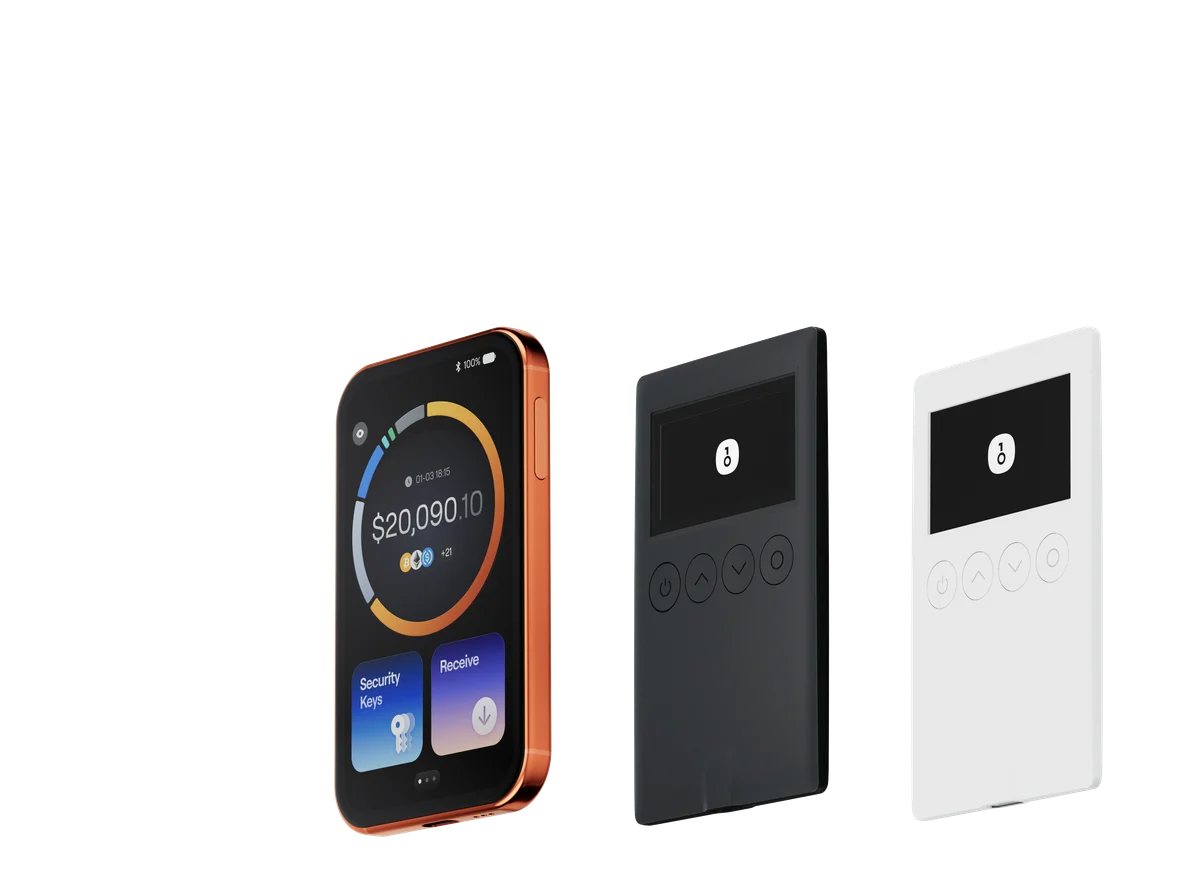
A hardware wallet like OneKey can help by:
- keeping signing keys off your internet-connected environment, and
- forcing on-device confirmation of the destination address and transaction details before you approve withdrawals or transfers.
That doesn’t eliminate smart contract risk, but it does reduce the chance that a compromised browser, malicious extension, or phishing page turns an already stressful incident into a total wallet loss.
Final note
This is an active security event. Follow updates from Taiko’s official X account, and assume that conditions (pauses, recovery steps, and exchange deposit status) can change quickly. If you have funds in a Taiko-deployed bridge, prioritize safe withdrawal and minimize further contract interactions until the root cause is fully disclosed and independently validated.