Third-Party Security Incident Affects Hardware Wallet Provider’s Website; Malicious Code Removed
Third-Party Security Incident Affects Hardware Wallet Provider’s Website; Malicious Code Removed
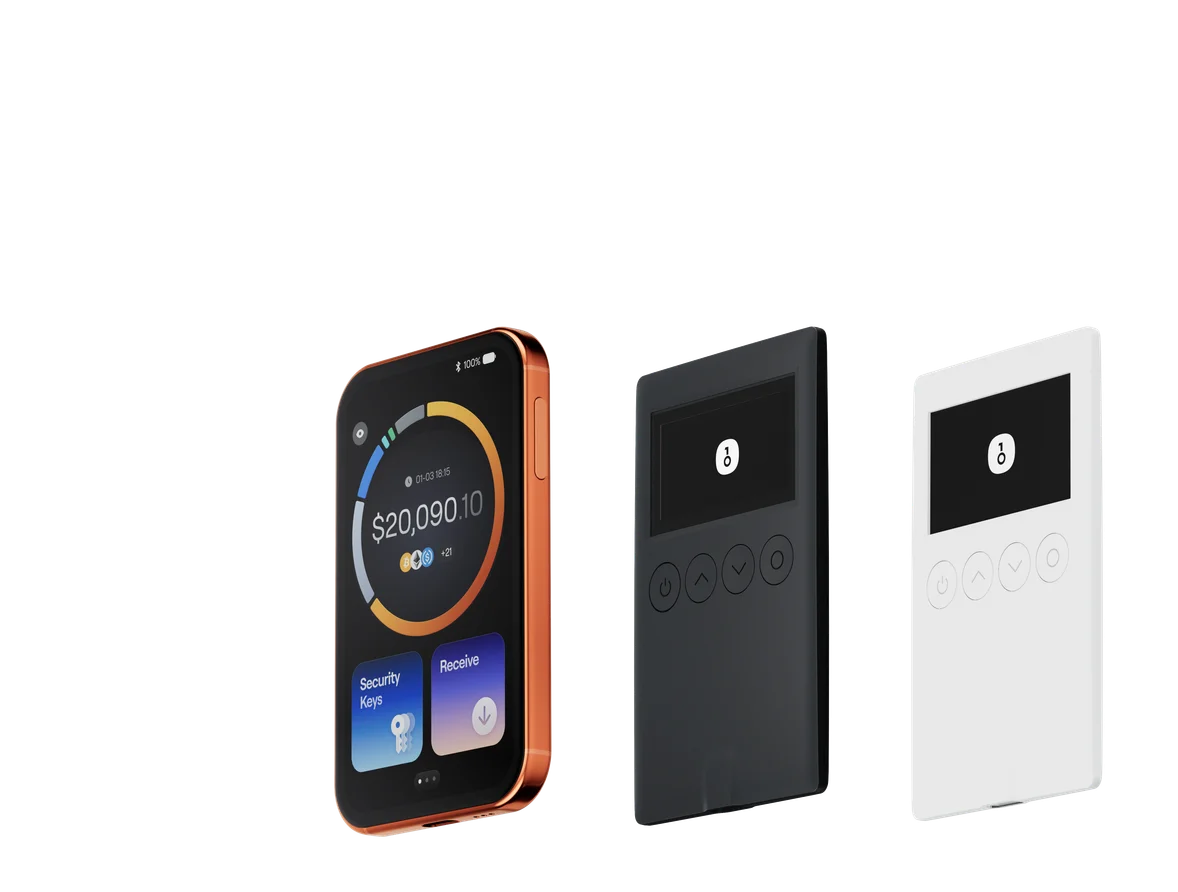
A security incident involving third-party service provider Optimizely affected multiple websites, including the official site of a hardware wallet provider, according to a November 17 security update. The affected wallet provider said it had completed remediation and that its website was no longer serving malicious code.
The reported incident involved a service used by the website, rather than the hardware wallet’s security architecture. The provider said private keys remained protected by users’ devices. It had not disclosed the attack method, how many users were affected, or whether the incident caused any asset losses.
For crypto users, the case illustrates an important distinction: a hardware wallet can protect private keys while a compromised website still poses risks to the person using it.
What a website compromise can—and cannot—do
Hardware wallets are designed to keep private keys isolated from the websites and applications used to interact with them. A website incident does not, by itself, mean that an attacker has obtained keys stored on a device.
But private key protection is only one part of transaction security. A malicious website could potentially try to mislead a user into entering a recovery phrase, connecting a wallet to an unsafe application, or approving a transaction they do not understand. These are examples of risks associated with compromised web interfaces; they are not confirmed details of this incident.
The distinction matters because an on-chain transaction may be validly signed even when the user was deceived about its purpose. Checking the information shown on the hardware wallet’s screen is therefore an essential step before approval.
Why third-party services matter
Modern websites often rely on external tools for analytics, content delivery, customer support, or site optimization. Those integrations can introduce supply chain risk: a problem at one provider may affect more than one customer website.
For crypto platforms, that risk extends beyond ordinary website disruption. A compromised interface can influence what users see and what actions they are prompted to take, even if the underlying blockchain and hardware wallet remain secure.
The Cybersecurity and Infrastructure Security Agency’s guidance on software supply chain security provides broader context on managing dependencies and reducing exposure to third-party risks.
Steps users can take
If you visited an affected website and are unsure whether you interacted with suspicious content, start by reviewing what you did rather than assuming either that your assets are safe or that they have been compromised.
- Protect your recovery phrase. Never enter it into a website, search result, support chat, or unsolicited form. Anyone with the phrase may be able to control the associated wallet.
- Review recent activity. Check transactions using a reputable block explorer and investigate any transfers or approvals you do not recognize.
- Inspect token approvals. On networks that support them, review permissions granted to smart contracts and consider revoking approvals you do not trust. Revoking an approval is itself an on-chain transaction and may require a network fee.
- Verify transactions on the device. Check the destination, amount, network, and any available transaction details before confirming. Do not approve a request you cannot understand.
- Use verified access points. Navigate to wallet software and support resources through bookmarks or independently verified addresses, rather than links in unexpected messages.
- Act quickly if a recovery phrase was exposed. Consider the wallet compromised and move remaining assets to a new wallet generated with a new recovery phrase. If substantial assets are involved, seek help from a trusted security professional.
The Federal Trade Commission’s cryptocurrency scam guidance offers additional advice on recognizing common attempts to obtain funds or sensitive information.
The broader lesson for self-custody
The reported removal of malicious code is a significant remediation step, but the limited public details leave the extent of any user impact unclear. Until more information is available, claims about the attack technique or asset losses would be speculative.
For self-custody users, the practical takeaway is to treat device security and website security as complementary safeguards. Keeping keys isolated helps protect against key theft, while careful verification of websites, permissions, and transaction details helps reduce the risk of being manipulated into authorizing an unwanted action.