THQ : Analyse Approfondie du Token, Perspectives Futures et Évolution du Prix

Points clés
• THQ est le token natif de Theoriq, axé sur l'automatisation des stratégies DeFi.
• L'offre totale de THQ est fixée à 1 milliard, avec des allocations spécifiques pour les investisseurs et la communauté.
• Les récents événements, comme la vente communautaire, ont établi des voies de liquidité initiales.
• Les mécanismes de staking et de gouvernance sont essentiels pour l'utilité du token.
• Les perspectives de prix varient selon l'adoption du produit et les conditions de marché.
Résumé Exécutif
THQ est le token natif de Theoriq, un protocole développant des agents autonomes basés sur l'IA pour la DeFi (Alpha Protocol / AlphaSwarm). Ce rapport examine la tokenomie, l'utilité, les récents événements de distribution, le dispositif de sécurité, les catalyseurs de marché et les risques clés associés à THQ. Il propose ensuite des perspectives de prix basées sur différents scénarios, ainsi que des recommandations pratiques de conservation pour les détenteurs à long terme. L'analyse s'appuie sur les divulgations du projet et la couverture indépendante pour mettre en lumière les moteurs structurels susceptibles de façonner la trajectoire de THQ. [Tokenomie et Feuille de Route Theoriq]. (theoriq.us)
Présentation du Projet : Ce que THQ soutient
Theoriq en bref
- Mission : Permettre l'orchestration d'agents autonomes pilotés par des LLM pour automatiser le déploiement de capital et les stratégies DeFi (Alpha Protocol, AlphaSwarm). (theoriq.us)
- Réseau principal : Les déploiements initiaux et l'activité de vente communautaire se sont concentrés sur Base (une solution Layer-2 d'Ethereum construite avec l'OP Stack), choisie pour ses faibles frais et sa portée auprès des développeurs. (help.coinbase.com)
Ces fondations positionnent THQ comme la couche économique et incitative pour l'enregistrement des agents, le staking, la réputation et la capture de frais au sein d'une pile DeFi agentique en pleine croissance. (theoriq.ai)
Tokenomie — Offre, Allocation et Déblocages
Paramètres Clés
- Offre totale : 1 000 000 000 THQ (fixe). Une offre fixe est un choix de conception délibéré pour assurer la rareté et la prévisibilité. (theoriq.us)
- Allocation (générale) : Investisseurs ~30%, Contributeurs Clés ~24%, Trésorerie ~28%, Communauté ~18%. Des périodes de vesting et des cliffs s'appliquent aux tranches destinées aux contributeurs/investisseurs. (theoriq.us)
Calendrier de Distribution et Impact sur le Marché
Les divulgations publiques et les conditions de lancement ont spécifié des déblocages échelonnés (par exemple, une partie débloquée à la TGE, des cliffs importants / déblocages linéaires subséquents). Ces calendriers créent des augmentations prévisibles de l'offre future qui peuvent affecter la pression vendeuse à court terme lorsque de grandes tranches sont libérées. La vente communautaire de Theoriq et les conditions de déblocage échelonnées ont été rendues publiques lors des activités précédant la TGE. (theoriq.ai)
Utilité et Mécanismes On-Chain
- Staking & Accès : Les agents stakent des THQ pour opérer ; les mécanismes de staking délégué et de slashing sont décrits dans le cadre du modèle d'alignement des agents. Les frais générés par les AlphaVaults et les opérations des agents contribuent à financer les récompenses et la trésorerie. (theoriq.ai)
- Potentiel de Gouvernance : THQ est conçu pour soutenir l'alignement de l'écosystème et les incitations à la participation, bien que les mécanismes de gouvernance évoluent à mesure que le protocole atteint le mainnet. (theoriq.us)
- Intégrations et Feuille de Route Produit : Le SDK d'AlphaSwarm et les futures intégrations de vaults (y compris le support annoncé d'Uniswap v4 via Arrakis pour la liquidité concentrée) sont essentiels pour stimuler l'utilité et le TVL. (theoriq.us)
Événements Récents et Points d'Entrée Significatifs
- Vente Communautaire (Launchpad Kaito Capital) : Theoriq a organisé une vente communautaire sur le launchpad de Kaito (sur Base) avec une valorisation d'environ 75 millions de dollars, ouvrant l'accès anticipé à THQ pour les participants de la communauté. Cet événement a établi une distribution précoce et des voies de liquidité initiales. (theoriq.ai)
- Calendrier Mainnet & TGE : Theoriq a publiquement signalé une feuille de route orientée vers le mainnet et a programmé l'activité TGE aux alentours de fin 2025, parallèlement à des programmes d'incitation au TVL pour stimuler l'utilisation (incitations annoncées allouant un pourcentage de l'offre pour des récompenses de liquidité anticipées). Ces signaux de calendrier sont des catalyseurs clés à court terme. (theoriq.ai)
Positionnement en Matière de Sécurité et Audits
Theoriq a réalisé des évaluations publiques de son code sécurisé et des cycles de remédiation avec FYEO (les rapports d'évaluation de code sécurisé ont été publiés), et l'équipe semble avoir résolu les problèmes identifiés. Les audits / revues de code réduisent, mais n'éliminent pas, le risque lié aux smart contracts ; ils constituent un point de donnée important pour les investisseurs conscients des risques. (fyeo.io)
Catalyseurs de Marché — Ce qui pourrait stimuler la hausse
- Force du récit IA + DeFi : L'automatisation agentique (exécution on-chain pilotée par LLM) est un récit à fort intérêt ; une traction réelle du produit (mesurée par le TVL, les vaults actifs, l'adoption par des agents tiers) augmenterait matériellement l'utilité du token. (theoriq.ai)
- Liquidité de l'écosystème Base & Connectivité Coinbase : La construction sur Base offre des points d'entrée et une friction réduite pour l'acquisition d'utilisateurs ; les intégrations réussies peuvent accélérer la croissance du TVL. (help.coinbase.com)
- Intégrations et Partenariats Stratégiques (par ex., support Arrakis / Uniswap v4) qui élargissent les cas d'utilisation DeFi et la capture de revenus. (theoriq.us)
Risques Clés — Ce qui pourrait causer une baisse
- Calendrier de déblocage et vesting des investisseurs : De gros déblocages de tokens ou des détentions concentrées par des investisseurs peuvent introduire une pression vendeuse significative lorsque les périodes de cliff se terminent. (theoriq.us)
- Risque d'exécution : La DeFi agentique est complexe ; les bugs de produit, les échecs d'UX ou les intégrations lentes par des tiers réduisent la vitesse d'adoption.
- Incidents de sécurité : Même avec des audits, la logique agentique nouvelle et les couches de messagerie hors chaîne créent une surface d'attaque pour des exploits ou des manipulations d'oracles. La présence d'audits réduit le risque mais ne l'élimine pas. (fyeo.io)
- Marché & Macro : Les ralentissements généraux du marché crypto, la congestion des L2, ou les actions réglementaires ciblant les ventes de tokens pourraient supprimer le prix indépendamment des progrès du produit.
Perspectives de Prix : Analyse de Scénarios
Note : Il s'agit d'un cadre qualitatif pour la planification de scénarios, et non d'un conseil financier.
-
Cas haussier (adoption élevée) : Si AlphaSwarm s'avère fiable, que le TVL croît de manière significative, et que THQ accumule des frais de protocole en plus de la demande de staking qui dépasse les ventes liées aux déblocages, THQ pourrait connaître une appréciation soutenue, tirée par l'utilité et la rareté. Catalyseurs : adoption rapide des vaults, flux de frais positifs, intégrations majeures. (theoriq.ai)
-
Cas de base (adoption modérée) : Le produit montre une traction prometteuse, mais les déblocages et les ventes des premiers investisseurs créent de la volatilité. L'action des prix oscille autour des phases d'annonces de croissance on-chain et des événements de vesting. Les incitations communautaires actives et l'utilité contrôlée aident à stabiliser la valeur à long terme. (theoriq.us)
-
Cas baissier (adoption lente / échec d'exécution) : Les revers techniques ou de sécurité, une adoption limitée des agents, ou de grosses ventes de tokens après l'expiration des cliffs produisent une pression à la baisse ; l'utilité ne se matérialise pas et THQ se négocie principalement sur un sentiment spéculatif. (fyeo.io)
Considérations tactiques pour les traders/investisseurs :
- Surveiller les métriques on-chain (TVL des vaults, taux de staking, enregistrements d'agents).
- Suivre les dates de déblocage / vesting prévues dans les divulgations de distribution du token du projet.
- Observer les sorties de fonctionnalités mainnet et les mises à jour d'audit pour les profils de risque changeants. (theoriq.us)
Signaux On-Chain à Surveiller (Liste abrégée)
- TVL dans les AlphaVaults / AlphaSwarm
- Nombre d'agents actifs et volume de staking délégué
- Revenus de frais versés à la trésorerie / aux récompenses de staking
- Cotations en bourse et profondeur de liquidité après la TGE
Conservation & Sécurité — Comment détenir THQ en toute sécurité
Si vous prévoyez de conserver THQ à moyen ou long terme, une conservation sécurisée est essentielle :
- Utilisez un hardware wallet pour garder vos clés privées hors ligne. Les dispositifs matériels réduisent l'exposition au phishing et aux risques liés aux portefeuilles de navigateur.
- Conservez vos sauvegardes de seed dans plusieurs emplacements sécurisés et hors ligne, et utilisez des protections par phrase secrète / multi-facteurs lorsque cela est pris en charge.
- Lorsque vous interagissez avec AlphaSwarm ou tout nouveau smart contract, commencez par de petites quantités et vérifiez les adresses des contrats et les résumés d'audit.
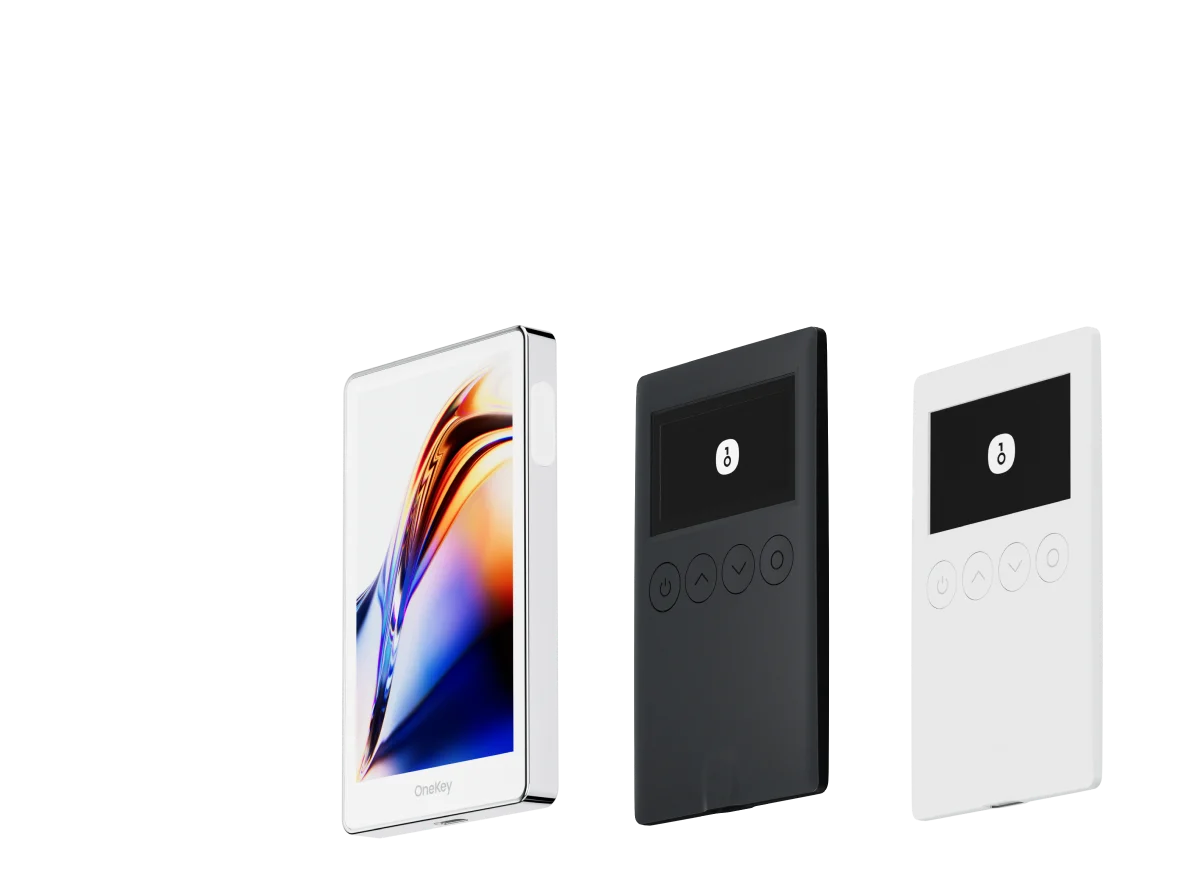
Si vous préférez un hardware wallet, envisagez des solutions combinant un élément sécurisé, des applications de bureau/mobiles conviviales, une large prise en charge EVM (pour interagir avec Base et les chaînes EVM), et des options de sauvegarde robustes — ces caractéristiques réduisent matériellement le risque opérationnel lors de la participation à des écosystèmes DeFi émergents comme celui de Theoriq. (OneKey propose un hardware wallet avec élément sécurisé, des applications de bureau et mobiles, une forte compatibilité EVM et des workflows conçus pour les interactions DeFi — des attributs utiles pour les détenteurs de THQ.)
Conclusion — Où en est THQ
THQ se situe à l'intersection de deux tendances puissantes : l'automatisation pilotée par les LLM et la DeFi composable sur des L2 évolutifs. La tokenomie (1 milliard d'offre fixe, déblocages échelonnés, allocations de trésorerie et communautaires) crée à la fois des opportunités et des fenêtres de risque prévisibles liées aux calendriers de vesting. L'action des prix à court terme dépendra de l'exécution (livraison du mainnet, intégrations de vaults et croissance du TVL), des événements de liquidité liés à la TGE/déblocages, et du sentiment macroéconomique envers les expériences IA/DeFi.
Pour les participants conscients des risques : privilégiez la sécurité (conservation hors ligne, contrats audités), surveillez les métriques d'adoption on-chain, et considérez les événements d'allocation anticipée et les calendriers de déblocage comme des risques de timing primaires. Pour les constructeurs et les croyants à long terme, la valeur réelle de THQ émergera si les vaults agentiques passent de la démonstration à un TVL et une capture de frais durables — une histoire d'adoption sur plusieurs trimestres plutôt qu'un événement d'un jour. (theoriq.ai)
Références et lectures complémentaires
- Theoriq — Détails sur la tokenomie et l'allocation : Tokenomie Theoriq. (theoriq.us)
- Theoriq — Annonce de la vente communautaire pré-TGE et détails d'AlphaSwarm : Blog Theoriq (pré-TGE & AlphaSwarm). (theoriq.ai)
- Couverture KuCoin — Calendrier TGE et note sur les incitations TVL : Actualités KuCoin : Theoriq annonce la TGE. (kucoin.com)
- FYEO — Évaluations de code sécurisé et rapports publics pour Theoriq : Évaluation de Code Sécurisé FYEO. (fyeo.io)
- Base (Coinbase) — Aperçu L2 et contexte de la plateforme développeurs : Aide Coinbase : Présentation de Base. (help.coinbase.com)
Si vous le souhaitez, je peux :
- Produire une courte liste de surveillance des métriques on-chain et des alertes spécifiques aux dates de vesting de THQ et aux seuils de TVL ; ou
- Rédiger un guide court étape par étape montrant comment ajouter en toute sécurité THQ à un hardware wallet et interagir avec les interfaces testnet/mainnet d'AlphaSwarm.