trade.xyz захватывает рынок фьючерсов на TradFi: превосходное ценообразование, ликвидность и сетевые эффекты ведут к рынку, где победителю достается всё
trade.xyz захватывает рынок фьючерсов на TradFi: превосходное ценообразование, ликвидность и сетевые эффекты ведут к рынку, где победителю достается всё
Новое поле битвы в крипто: активы TradFi, торгуемые на блокчейне, 24/7
К 2026 году криптодеривативы будут конкурировать не только по тому, какие токены они листингуют, но и по тому, какие рынки капитала они смогут воссоздать на блокчейне. Наиболее быстрорастущим сегментом этой тенденции являются бессрочные фьючерсы на активы TradFi (акции, индексы, сырьевые товары и даже пре-IPO референсы) — инструменты, сочетающие скорость и компонуемость DeFi с наиболее популярными в мире базовыми активами.
В этой нише trade.xyz (Trade[XYZ]) стремительно стал стандартом. Не благодаря какой-то одной функции, а благодаря сочетанию трех взаимоусиливающих преимуществ: ценообразования, работающего вне рыночных часов, ликвидности, ощущаемой как на CEX, и прочного распределения, построенного на сетевых эффектах пользователей и продукта.
Проверка данных: Trade[XYZ] уже работает в масштабе миллиардов долларов
По данным Loris Tools на 15 мая 2026 года, Trade[XYZ] показывает:
- $2,08 млрд торгового объема за 24 часа и $2,40 млрд открытого интереса по 59 рынкам бессрочных фьючерсов (акции, индексы, сырьевые товары и др.) через свою панель управления рынками (Рыночные данные Trade[XYZ] на Loris Tools).
- Отдельный аналитический обзор HIP-3 оценивает открытый интерес Trade[XYZ] примерно в $2,45 млрд на 14 мая 2026 года, с активностью за 30 дней, включающей десятки тысяч трейдеров и сотни тысяч сделок (HIP-3 аналитика Trade[XYZ]).
В экосистеме Hyperliquid HIP-3 (бессрочные контракты, развернутые разработчиками) несколько независимых трекеров также указывают на подавляющую концентрацию:
- Издание The Block описывает Trade[XYZ] как доминирующий на HIP-3 с почти 90% открытого интереса (The Block о концентрации OI на HIP-3).
- Объяснительный/аналитический обзор HIP-3 аналогично определяет Trade[XYZ] как крупнейшего развертывающего участника с большим отрывом (HIPERWIRE HIP-3 руководство по развертывателям).
Вне контекста Hyperliquid: Trade[XYZ] конкурентоспособен с крупными централизованными площадками в этой конкретной категории
Если выделить вселенную "RWA / TradFi фьючерсов" (сырьевые товары, акции, ETF, пре-IPO референсы), сравнение площадок становится гораздо более напряженным, чем ожидают большинство трейдеров. Сводный снимок "терминала RWA фьючерсов" ранжирует Binance на первое место по объему за 24 часа, а Hyperliquid – на второе, но с явным лидерством по открытому интересу, что указывает на большую стабильность позиций и более глубокое присутствие на блокчейне (Сравнение площадок RWA фьючерсов).
Вот ключевой контекст: Trade[XYZ] не пытается превзойти каждую биржу по каждому продукту. Он создает самую сильную площадку с книги ордеров на блокчейне для фьючерсов в стиле TradFi, и цифры показывают, что рынок вознаграждает этот фокус.
Почему Trade[XYZ] побеждает: "ценообразование × ликвидность × сетевые эффекты" в комбинации
1) Механизмы ценообразования, которые не ломаются, когда TradFi закрывается
Основная проблема "акций на блокчейне" никогда не заключалась в пользовательском интерфейсе. Это было надежное ценообразование в периоды закрытия реального рынка.
Trade[XYZ] решает эту проблему с помощью двойного режима оракула:
- Когда внешние рынки открыты, оракул отдает приоритет внешним справедливым ценам, полученным от профессиональных площадок/провайдеров (Механика оракула цен).
- Когда внешние входные данные недоступны, оракул переходит во внутренний режим ценообразования, управляемый ценами воздействия книги ордеров и правилом обновления EMA в непрерывном времени (Механика оракула цен).
- Система также сохраняет "внешнюю цену" как фиксацию до последнего закрытия, в то время как оракул продолжает эволюционировать — обеспечивая структурированное открытие цен ночью/на выходных, а не слепые догадки (Дизайн внешней цены).
Trade[XYZ] также ограничивает отклонение цен во время закрытых сессий с помощью ограничений обнаружения, что является практическим выбором рыночной структуры: это дает маркет-мейкерам более четкие пределы риска и снижает вероятность того, что низколиквидные сделки определят "истину" (Ограничения обнаружения).
"Переключение" при пре-IPO — наиболее показательный выбор дизайна
Референсы пре-IPO — это то, где большинство систем терпят неудачу: нет официального спот-рынка для привязки. Trade[XYZ] рассматривает их как отдельный тип контракта, который может конвертироваться в стандартный внешний фьючерс, если/когда произойдет реальный листинг, вместо того, чтобы делать вид, что период до листинга такой же, как и у устоявшегося рынка.
Например, запись RWA от DefiLlama для пре-IPO фьючерса CBRS явно указывает, что если компания выйдет на биржу, рынок будет конвертирован во фьючерс с внешней ценой, а также уточняет, чем эти инструменты не являются (они не являются акциями или доли) (DefiLlama: Описание пре-IPO фьючерса).
Этот жизненный цикл "внутреннее обнаружение → внешний оракул" — это то, как можно создать надежное ценообразование 24/7, не преувеличивая, чем является контракт.
2) Ликвидность, которая ощущается как на топ- площадке — потому что она работает на движке Hyperliquid
Trade[XYZ] — это не новая сеть с небольшой книгой, пытающаяся развиться с нуля. Это некастодиальный интерфейс, созданный для доступа к рынкам на HyperCore, высокопроизводительной книге ордеров Hyperliquid на блокчейне (Документация Trade[XYZ]: введение).
Это важно, потому что фьючерсы на TradFi чрезвычайно чувствительны к качеству исполнения:
- Узкие спреды привлекают хеджеров.
- Хеджеры привлекают маркет-мейкеров.
- Маркет-мейкеры улучшают глубину, что привлекает более крупные счета.
Trade[XYZ] также использует структуру комиссий как оружие для привлечения ликвидности. В его документации описано, как режим роста (Growth Mode) может снизить совокупные комиссии на ≥90% по сравнению со стандартными ставками HIP-3 (с пропорциональным снижением ребейтов), что именно тот рычаг, который привлекает "хороший" маркет-мейкинг, а не токсичный поток (Trade[XYZ] комиссии и режим роста).
3) Сетевые эффекты пользователей и продукта: индексы, сырьевые товары и моменты "макроэкономики всегда на связи"
Trade[XYZ] не просто разместил несколько акций. Он создал продуктовое покрытие, вокруг которого трейдеры могут формировать привычки:
- Индексы как бренды: Дизайн индекса XYZ100 и его методология внешней цены (спотовый индекс + котировки фьючерсов) документированы как первоклассные примитивы, а не маркетинговые тикеры (Спецификация XYZ100 и индексных фьючерсов).
- Институциональная легитимация: 18 марта 2026 года S&P Dow Jones Indices лицензировала S&P 500® для Trade[XYZ] для того, что она описывает как первый официально лицензированный бессрочный фьючерсный контракт S&P 500 на Hyperliquid (Анонс S&P Dow Jones Indices). Крупные издании также освещали этот шаг как веху для индексного воздействия на блокчейне (Освещение Cointelegraph).
А затем были катализаторы принятия, "нужно было там быть": выходные.
Когда геополитика влияла на сырьевые товары вне традиционных часов, преимущество круглосуточных каналов становилось очевидным даже для некриптотрейдеров. Журнал от 14 марта 2026 года сообщал, что Hyperliquid зафиксировал, как популярный контракт на нефть на блокчейне достиг почти $1,7 млрд дневного торгового объема, связывая этот всплеск напрямую с тем фактом, что глобальные события не уважают время открытия бирж — и отмечая, что один из самых активных контрактов на нефть был запущен trade.xyz (Отчет Fortune о торговле нефтью на Hyperliquid).
Это "маховик сетевого эффекта" в действии:
- Волатильность в выходные дни привлекает внимание.
- Внимание создает новые аккаунты и ликвидность.
- Ликвидность улучшает ценообразование, что укрепляет доверие к платформе как к эталонной цене.
Динамика "победитель получает все" реальна — и она структурна
Фьючерсы на TradFi обычно концентрируются быстрее, чем фьючерсы на малоизвестные криптоактивы, потому что трейдеры непропорционально заботятся о:
- Ценовой целостности
- Справедливости ликвидаций
- Глубине при стрессе
- Уверенности в том, что цена платформы будет цитироваться в других местах
Как только платформа становится местом, где формируется самый чистый круглосуточный ценовой сигнал, она привлекает как спекулятивный, так и хеджирующий поток, и именно это сочетание делает ликвидность устойчивой.
Trade[XYZ] теперь приближается к статусу "платформы по умолчанию" для нескольких макроэкономических активов на блокчейне. Если эта тенденция сохранится, она начнет напоминать эквивалент крупного деривативного хаба на блокчейне — убедительный кандидат на нарратив "Nasdaq на блокчейне", не как лозунг, а как результат рыночной структуры.
На что следует обратить внимание пользователям: не акции, риск в режиме 24/7 и юрисдикционные ограничения
Фьючерсы на TradFi мощны, но не являются магией. Три практических напоминания:
-
Фьючерсы — это деривативы, а не право собственности Пре-IPO фьючерсы в частности следует рассматривать как расчетные референсы, а не акции или доли (DefiLlama: Примечания о пре-IPO фьючерсах).
-
Вас могут ликвидировать в выходные дни Trade[XYZ] прямо указывает, что вы все еще можете торговать и быть ликвидированы вне рабочих часов (Trade[XYZ] FAQ о поведении рынка вне рабочих часов).
-
Доступ к интерфейсу может быть ограничен юрисдикцией Документация Trade[XYZ] гласит, что его интерфейс может быть недоступен в ограниченных юрисдикциях, включая США (Документация Trade[XYZ]: введение).
Примечание о самохранении: почему безопасное управление ключами становится важнее по мере выхода TradFi на блокчейн
С расширением деривативов на блокчейне за пределы крипто-активов, модель безопасности меняется: ваш кошелек больше не просто место для хранения токенов, он становится вашим основным торговым счетом для доступа к глобальным макроэкономическим инструментам.
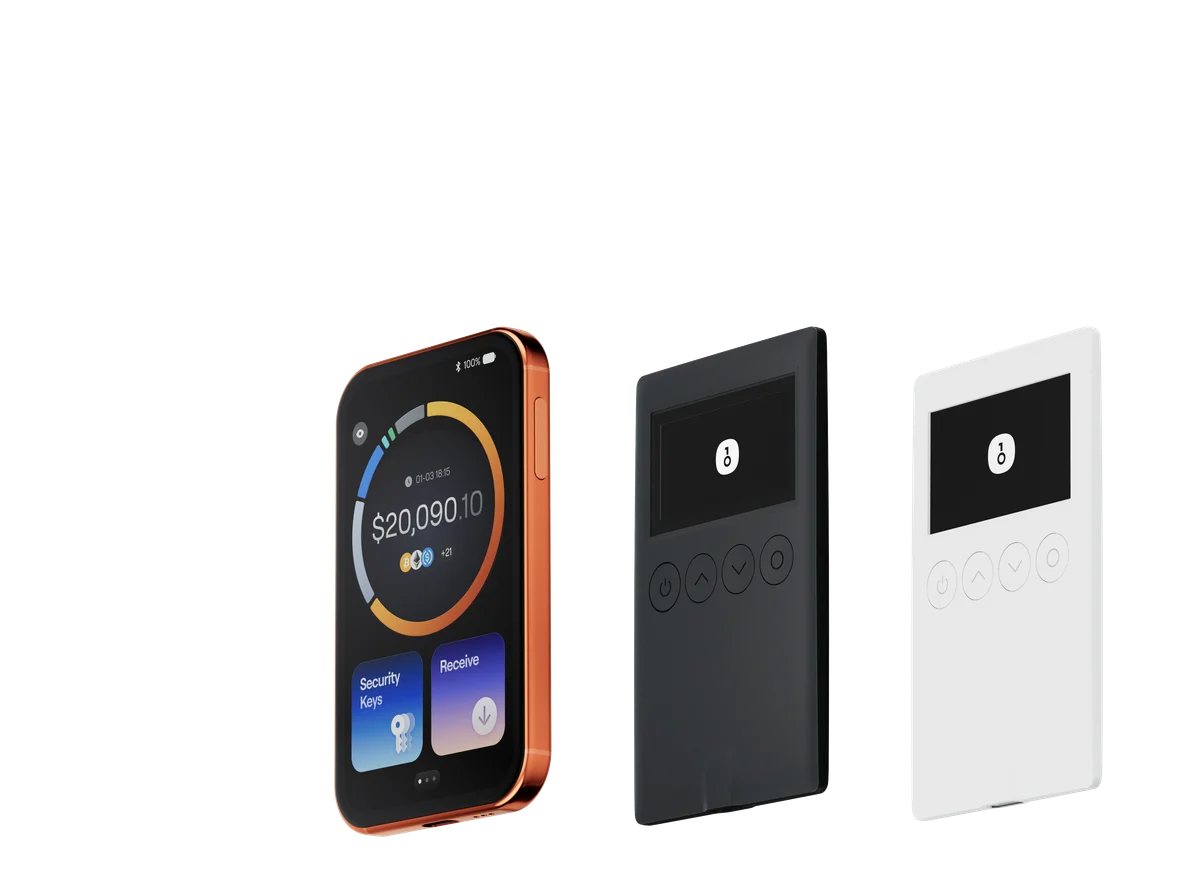
Это делает самохранение на основе аппаратного кошелька практическим улучшением, а не философским выбором. Если вы взаимодействуете с бессрочными фьючерсами на блокчейне, использование такого устройства, как OneKey, может помочь изолировать приватные ключи от повседневных интернет-рисков, позволяя при этом подключаться к dApps и подписывать транзакции, когда вы этого захотите.
В мире, где акции, индексы и сырьевые товары могут торговаться на блокчейне круглосуточно, лучший UX — это не только скорость, но и контроль над ключами, которые в конечном итоге управляют вашими позициями.