Tokenisierung verstehen: Was das DTCC-Modell und Direktbesitz wirklich unterscheidet
Schlüssel-Ergebnisse
• Das DTCC-Modell optimiert die bestehende Marktinfrastruktur, ohne die rechtliche Eigentümerstruktur zu verändern.
• Das Direktbesitzmodell ermöglicht es Investoren, direkt als Eigentümer auf der Blockchain eingetragen zu sein.
• Ab Dezember 2025 wird die SEC tokenisierte Ansprüche auf DTC-verwahrte Vermögenswerte erlauben.
• Entwickler sollten Compliance-Funktionen direkt in Tokenverträge integrieren, um regulatorische Anforderungen zu erfüllen.
• Die Koexistenz beider Modelle könnte die Effizienz und Automatisierung im Finanzsektor verbessern.
In den letzten zwei Jahren entwickelte sich „Tokenisierung“ vom Schlagwort der Krypto-Szene zu einem festen Punkt auf den Agenden von Vorständen und Regulatoren. Doch Tokenisierung ist nicht gleich Tokenisierung. Während sich viele Entwicklungen im Bereich US-Aktien und Investmentfonds auf die technologische Modernisierung der Marktinfrastruktur unter Federführung der DTCC konzentrieren, verfolgt eine parallele Bewegung das Ziel, Eigentumsrechte direkt auf der Blockchain abzubilden. Dieser Artikel erklärt die Unterschiede, warum sie 2025 besonders relevant werden und wie sich Investoren und Entwickler darauf einstellen sollten.
Zwei Ansätze mit demselben Begriff – aber grundlegend anderer Architektur
-
DTCC-Modell: Digitalisierung bestehender Marktinfrastruktur
Die DTCC setzt zunehmend auf Distributed Ledger Technology (DLT), um Prozesse wie Abwicklung, Verwahrung und Datenverteilung effizienter zu gestalten – ohne jedoch die rechtliche Eigentümerstruktur von US-Wertpapieren zu verändern. Beispiele sind das DLT-basierte Abwicklungsprojekt Project Ion und die Smart NAV-Initiative, die Fondspreise und Zinssätze on-chain verfügbar macht. In beiden Fällen bleibt das klassische DTCC-System maßgeblich, während Anleger weiterhin über Broker in sogenanntem „Street Name“ registriert sind. → dtcc.com -
Direktbesitzmodell: Tokenisierung des Wertpapiers an sich
Hier wird das Aktienregister (oder das Buch des Transfer Agents) direkt auf einer Blockchain geführt. Der Investor kann selbst als buchhalterisch eingetragener Eigentümer fungieren. US-amerikanisches Gesellschaftsrecht erlaubt dies bereits: Seit einer Gesetzesänderung in Delaware im Jahr 2017 ist es zulässig, Aktienregister über „eine oder mehrere verteilte elektronische Netzwerke“ zu führen. → legis.delaware.gov
Zusammengefasst: Das DTCC-Modell optimiert die Backend-Infrastruktur – das Direktmodell verschiebt das Eigentum ins Recht des On-chain-Investors.
Was das DTCC-Modell (nicht) verändert
-
Schnellere und sicherere Abwicklungszyklen
Seit dem 28. Mai 2024 erfolgt die Abwicklung von Transaktionen in den USA nach T+1 – was das Kontrahentenrisiko senkt und Kapital effizienter freisetzt. Diese Reform wurde regulatorisch durchgesetzt, auf Basis bestehender DTCC-Systeme – ohne echte Tokenisierung von Aktien. Die SEC meldete eine reibungslose Umstellung. → sec.gov -
DLT als Effizienzschicht, nicht als Eigentumsregister
Project Ion demonstriert Möglichkeiten für T+0–T+2-Abwicklung auf einer erlaubnisbasierten Blockchain – jedoch bleibt das DTC-Hauptbuch maßgeblich. Smart NAV nutzt Chainlink, um Fondsdaten interoperabel auf verschiedenen Chains zu publizieren – nicht jedoch, um Depotanteile direkt zu tokenisieren. → dtcc.com -
Neu ab Dezember 2025: tokenisierte Ansprüche auf DTC-verwahrte Assets
Die SEC gestattete der DTC, pilotweise reale Vermögenswerte – also Aktien und Anleihen – als „Securities Entitlements“ auf Blockchains abzubilden. Diese Token beziehen sich jedoch auf aggregierte Sammelkonten bei der DTC und ermöglichen Transfers zwischen Marktteilnehmern – ohne Selbstverwahrung durch Privatanleger. → dtcc.com
Fazit: Das DTCC-Modell verbessert Geschwindigkeit, Stabilität und Modularität innerhalb des bestehenden Systems – ersetzt aber (noch) nicht das Transfer-Agent-Zentralverwahrer-Modell. → investor.gov
Wie Direktbesitz auf der Blockchain konkret aussieht
Im Direktmodell lebt das Firmenkapitalregister auf der Blockchain. Überweisungen bedeuten unmittelbare Buchungen im amtlichen Aktienregister, in der Regel per reguliertem Smart Contract des Transfer Agents. Dadurch werden programmierbare Hauptversammlungen, Dividenden und potenziell atomare Abwicklungen gegen tokenisiertes Cash möglich.
Delawares Gesellschaftsrecht erlaubt Blockchain-Register, vorausgesetzt die Systeme können ein lesbares Papierformat erzeugen und gesetzliche Anforderungen für Aktienlisten und Übertragungsvermerke erfüllen – was mit privaten wie öffentlichen Chains vereinbar ist. → legis.delaware.gov
Auch wenn die meisten börsennotierten Aktien nicht so emittiert werden, gibt es erste praktische Beispiele: Der BUIDL-Fonds von BlackRock wurde im März 2024 auf Ethereum aufgelegt, unter Verwaltung von Securitize als Transfer Agent. Inzwischen gibt es auch Cross-Chain-Versionen, einschließlich Solana (2025). Diese Anteile sind zwar nicht börsennotiert, zeigen aber konkret: On-chain-Eigentum und automatisierte Ausschüttungen sind möglich. → wsj.com
Vergleich: DTCC-Modell vs Direktbesitzmodell
-
Maßgebliches Register
- DTCC: DTC bzw. Transfer Agent bleibt autoritativ; DLT fungiert lediglich als Abbild. → dtcc.com
- Direktbesitz: Smart Contract auf der Blockchain ist das gesetzlich anerkannte Register. → legis.delaware.gov
-
Wer hält die Wertpapiere tatsächlich?
- DTCC: Broker & Intermediäre – Endanleger sind nur wirtschaftliche Eigentümer. → dtcc.com
- Direktbesitz: Anleger können direkt eingetragen sein und ihre Token selbst in wallets halten.
-
Mechanik der Abwicklung
-
Hauptversammlungen und Aktionärsrechte
- DTCC: Kommunikation und Stimmrechtsvertretung erfolgt über Omnibus-Strukturen. → dtcc.com
- Direktbesitz: Governance-Funktionen können direkt im Token abgebildet werden (z.B. Dividenden, Sperrfristen), im Rahmen regulatorischer Vorgaben.
Warum das 2025 besonders wichtig wird
-
Regulierung und Technologie wachsen zusammen
Nach erfolgreichem T+1-Übergang richtet sich der Fokus auf 24/7-Übertragbarkeit. Die DTCC testet mit ihrer No-Action Relief der SEC übertragbare Token für Abwicklung außerhalb regulärer Handelszeiten. → sec.gov -
Tokenisierte Cash-Äquivalente werden wichtiger
Beispielsweise US-Treasuries werden zunehmend als digitales Sicherheiteninstrument genutzt: Bis Dezember 2025 sind laut RWA.xyz knapp 9 Milliarden USD tokenisiert – unter anderem durch Institutionen wie BlackRock oder Franklin Templeton. → app.rwa.xyz -
Ein klares makroökonomisches Zukunftsbild entsteht
Zentralbanken und Marktinfrastrukturbetreiber arbeiten an integrierten Plattformen für tokenisierte Reserven, Einlagen und Staatsanleihen. Die BIS formuliert in ihrer Vision ein System, in dem Geld und Assets auf gemeinsamen Ledgers abgewickelt werden. → bis.org
Was bedeutet das für Entwickler & Investoren?
-
Wenn Sie auf das DTCC-Modell setzen:
- Erstellen Sie Schnittstellen zu erlaubnisbasierten Netzwerken – DTC bleibt führendes Buch.
- Optimieren Sie für Übertragbarkeit von Entitlements, Echtzeit-Collateralisierung und Transfers zwischen Institutionen – nicht für direkte Endkunden-Verwahrung. → dtcc.com
-
Bei Tokenisierung für Direktbesitz:
- Arbeiten Sie mit Juristen und registrierten Transfer Agents zusammen, um Eintragungen nach §224 DGCL rechtssicher auf der Blockchain zu führen.
- Implementieren Sie Compliance-Funktionen (KYC/AML, Transferbeschränkungen) direkt in die Tokenverträge – inkl. Unterstützung durch wallets mit Policy-basierten Zugangskontrollen. → legis.delaware.gov
-
Anlegererfahrung:
- Im DTCC-Modell basiert Ihr Eigentumsnachweis auf Kontoauszügen beim Broker; Stimmrechte fließen über Intermediäre. → investor.gov
- Im Direktmodell halten Sie Ihre Token direkt in einer qualifizierten Wallet, inkl. automatischer Dividenden und Governance-Rechte – ähnlich wie beim BUIDL-Fonds. → wsj.com
FAQs
-
Ist "DTCC-Tokenisierung" gleichbedeutend mit dem Handel von NYSE-Aktien auf Ethereum?
Nein. Die DTCC nutzt DLT derzeit nur ergänzend und innerhalb bestehender Rahmen. Es werden keine öffentlich handelbaren Aktien direkt als Ether-basierte Token ausgegeben. → dtcc.com -
Könnten beide Modelle koexistieren?
Ja. Tokenisierte Marktinfrastrukturen verbessern Settlement und Risikomanagement, während Direktbesitz neue Funktionalitäten und Automatisierung ermöglicht. → bis.org -
Welche Marktopportunitäten sind kurzfristig realistisch?
Tokenisierte Treasury-Fonds und Geldmarktinstrumente, die als On-chain-Sicherheiten genutzt werden – insbesondere bei zunehmender institutioneller Akzeptanz. → prnewswire.com
Sicherheit und Selbstverwahrung im Direktmodell
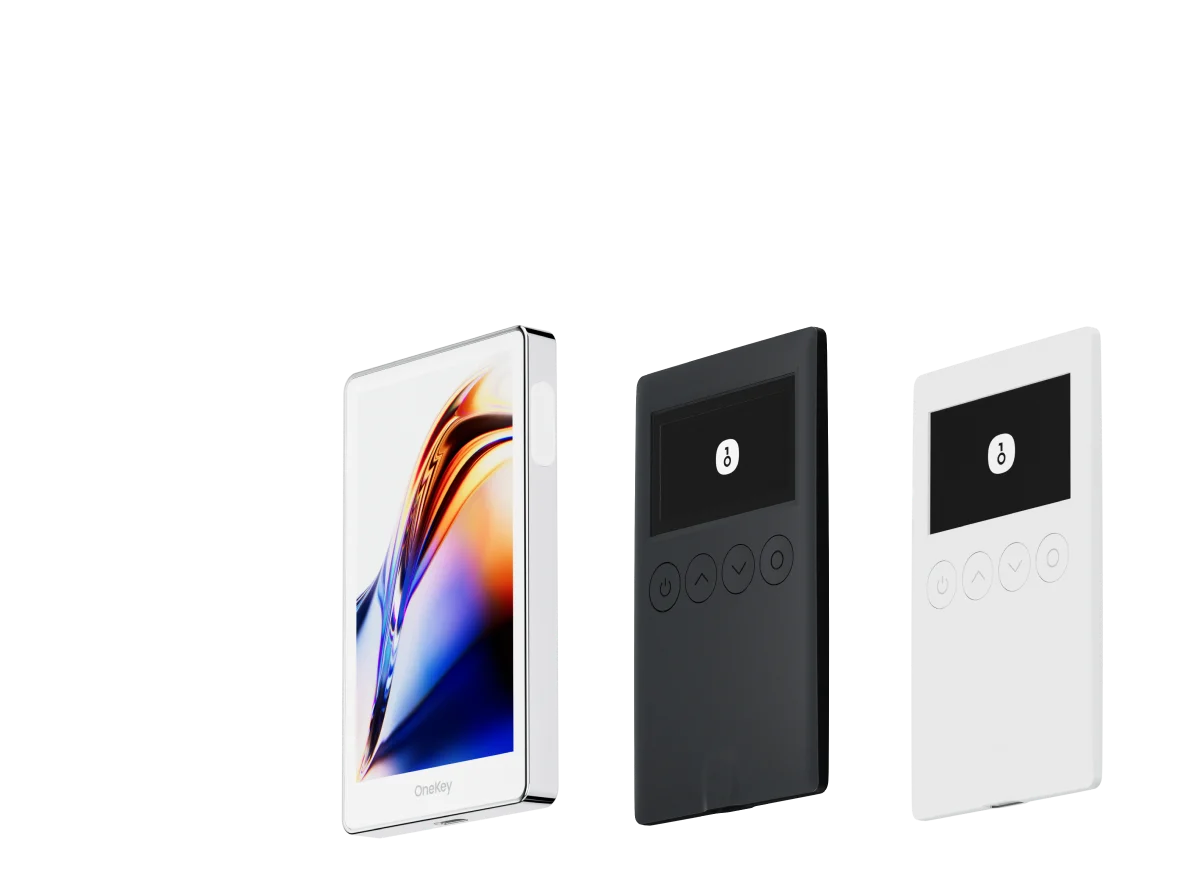
Wenn Emittenten Direktbesitz gestatten, wird Schlüsselverwaltung essenziell. Hardware-Wallets mit Offline-Private-Key, offener Validierung und Multi-Chain-Unterstützung geben Anlegern Kontrolle über ihre Assets, ermöglichen regelkonforme Signaturen und Governance-Teilnahme – ohne neue Intermediäre.
Anbieter wie OneKey setzen genau hier an: Sie bieten Sicherheit, Netzwerkkompatibilität und Kontrolle – zentrale Anforderungen für Tokenisierung mit Selbstverwahrung. Wenn Sie ein Projekt für tokenisierte Vermögenswerte mit Direktbesitz starten, sollten Sie Hardware-unterlegte Schlüssel und Policy-basierte Signaturen einplanen, um Risiken zu minimieren und gleichzeitig eine gute Nutzererfahrung zu ermöglichen.
Zentrale Quellen und weiterführende Links
- Überblick zu Project Ion der DTCC und paralleler Testbetrieb → dtcc.com
- Smart NAV Case Study → dtcc.com
- SEC-Meldung zur T+1-Umstellung (ab Mai 2024) → sec.gov
- DTCC-Meldung zur No-Action Relief vom Dezember 2025 → dtcc.com
- Bulletin der SEC zu Street Name vs. direktem Eigentum → investor.gov
- Gesetzesänderung in Delaware 2017 → legis.delaware.gov
- Launch von BUIDL auf Ethereum und Solana → wsj.com
- Marktdaten für Token-Treasuries → app.rwa.xyz
- BIS-Reports zu „Unified Ledgers“ → bis.org
Wer die Unterschiede der Tokenisierungsmodelle richtig einordnen kann, wählt die passende Architektur, Kontrollmechanismen und Verwahrmethode. Das DTCC-Modell steht für effizientere Abläufe ohne Bruch mit der Gegenwart. Direktbesitzmodelle hingegen ermöglichen echte Dezentralisierung und neue Potenziale. Wer diesen Weg gehen will, sollte schon heute mit robusten Selbstverwahrungslösungen beginnen – die Zukunft liegt auf der Chain.