Upbit Adds RPL, ACU, DBR, and ON Trading Pairs
Upbit Adds RPL, ACU, DBR, and ON Trading Pairs
Upbit has expanded its digital asset marketplace with the addition of four tokens: Rocket Pool (RPL), Acculast (ACU), Dbridge (DBR), and Orochi Network (ON). The new assets are available through BTC and USDT trading pairs, giving users more options for accessing projects across liquid staking, cross-chain infrastructure, and blockchain data ecosystems.
The listing was reported in Upbit’s official notice center, where users should verify the exact market status, supported networks, and deposit and withdrawal conditions before trading.
What the New Listings Represent
The four assets reflect several important themes developing across the blockchain industry.
RPL: Exposure to Ethereum Liquid Staking Infrastructure
Rocket Pool is a decentralized Ethereum staking protocol designed to make validator participation more accessible. Its ecosystem uses ETH staking infrastructure and a distributed operator model, while RPL serves a central role within the protocol’s incentive and governance framework.
The addition of RPL to a major exchange may attract renewed attention to the broader liquid staking sector. As Ethereum staking continues to evolve, users are increasingly focused on questions such as validator accessibility, protocol decentralization, reward sustainability, and smart contract risk. These factors remain important when evaluating any staking-related asset.
More information about the protocol is available through the Rocket Pool documentation.
ACU: A Newly Accessible Market for Acculast
The listing also introduces Acculast (ACU) to Upbit users. Because relatively new or less familiar tokens may have limited trading history, market participants should pay close attention to project documentation, token utility, circulating supply, and liquidity conditions.
A centralized exchange listing can improve discoverability, but it does not remove the need for independent research. Traders should confirm the correct token contract and supported network through Upbit and the project’s verified communication channels before making a transfer.
DBR: Cross-Chain Connectivity and Interoperability
Dbridge (DBR) is associated with the growing demand for cross-chain infrastructure. As users and applications operate across multiple blockchain networks, protocols that support interoperability aim to reduce fragmentation and improve the movement of assets or data between ecosystems.
Cross-chain systems also introduce specific risks. Bridge users should consider the underlying security model, validator or relayer design, transaction finality, and the possibility of smart contract vulnerabilities. The availability of DBR trading pairs may increase market visibility, but technical due diligence remains essential.
Users can review the project’s materials through the official dBridge ecosystem website.
ON: Orochi Network and Verifiable Blockchain Data
The fourth addition is Orochi Network (ON). The project focuses on blockchain data infrastructure and verifiability, an area that has become increasingly relevant as decentralized applications require reliable information from both on-chain and off-chain environments.
Data integrity is a foundational issue for decentralized finance, gaming, tokenized assets, and other Web3 applications. However, the practical value of any data-focused network depends on adoption, developer activity, network design, and the quality of its verification mechanisms. Users interested in ON should consult the project’s official website and technical resources before forming an investment view.
Why the BTC and USDT Markets Matter
Adding both BTC and USDT markets gives traders two different reference points:
- BTC pairs allow users to measure an asset’s performance relative to Bitcoin.
- USDT pairs provide a stablecoin-denominated market that may be easier to use for direct price analysis.
- Multiple markets can improve accessibility, although actual liquidity may differ between pairs.
- Greater market access does not guarantee lower volatility or tighter spreads.
Newly listed tokens often experience sharp price movements as traders respond to increased exposure, speculative demand, and changes in liquidity. Users should review order-book depth, spread, trading volume, and market status rather than relying solely on the presence of an exchange listing.
Important Checks Before Trading or Transferring
Before interacting with RPL, ACU, DBR, or ON, users should consider the following:
- Confirm the exact trading pair. Verify whether the intended market is denominated in BTC or USDT.
- Check supported networks. A token may exist on more than one blockchain, while an exchange may support only specific deposit and withdrawal routes.
- Verify the asset ticker and contract information. Similar tickers or unofficial tokens can create unnecessary transfer risk.
- Review liquidity and volatility. Newly available markets may experience wider spreads and rapid price changes.
- Understand custody differences. Assets held on an exchange are subject to exchange account and platform risks, while self-custody requires users to protect their own recovery credentials.
- Start with a small test transaction. This is especially important when transferring assets across unfamiliar networks.
The safest source for operational details is the exchange’s own market and wallet interface. Project websites and documentation should be used to cross-check technical information, not to replace transaction-level verification.
Broader Market Context
The new Upbit listings highlight how the crypto market continues to expand beyond a single use case. Liquid staking addresses participation in blockchain security, interoperability protocols focus on communication between networks, and data infrastructure projects target the reliability of decentralized applications.
At the same time, wider asset access makes risk management more important. A token’s listing status, narrative, or short-term trading performance should not be treated as proof of long-term utility. Users should assess the project’s technology, team transparency, token economics, governance structure, and development activity before committing capital.
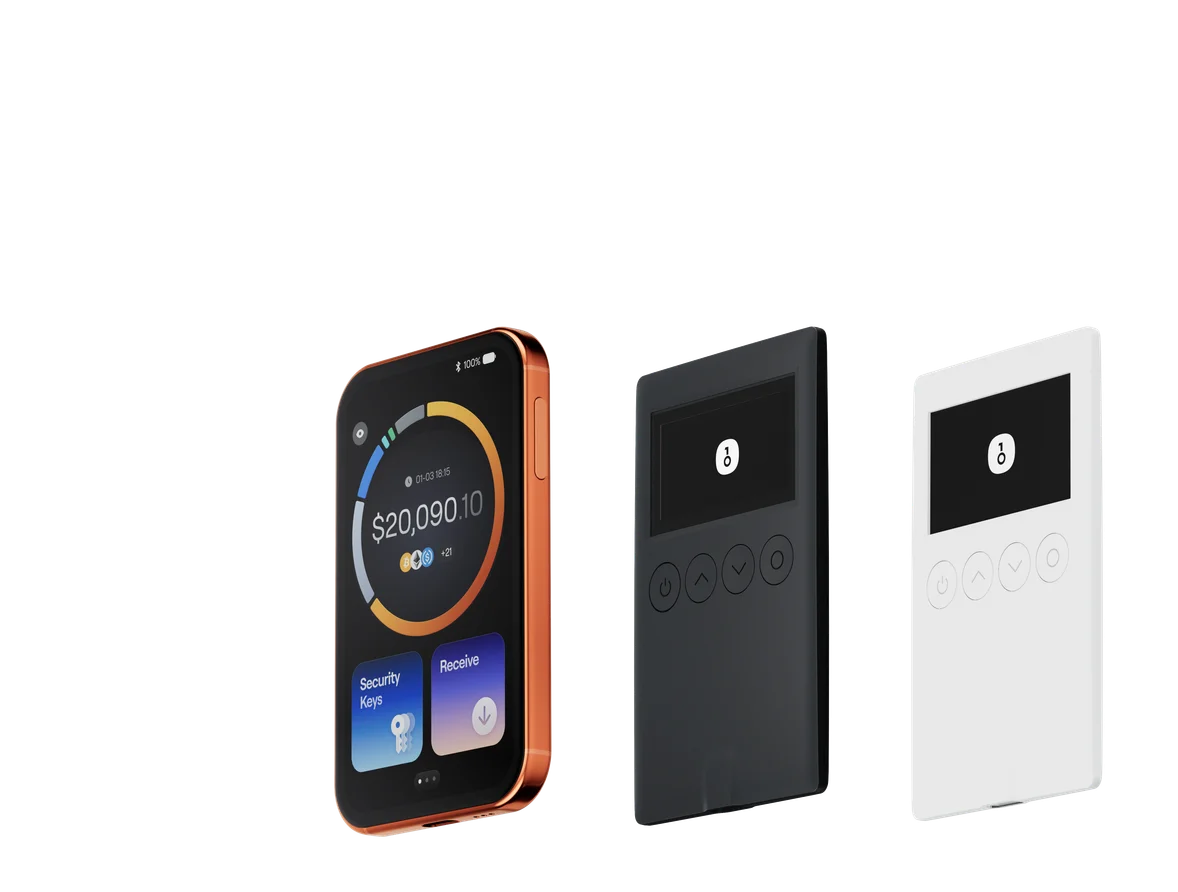
For users who choose to move eligible assets into self-custody, a hardware wallet such as OneKey can provide offline protection for private keys. Before transferring any newly listed asset, users should confirm that the relevant token and network are supported, verify the receiving address on the device, and keep the recovery phrase offline. Self-custody improves control over assets, but it also makes backup security and transaction verification the user’s responsibility.
As Upbit adds RPL, ACU, DBR, and ON markets against BTC and USDT, traders should treat the development as an opportunity to research emerging blockchain sectors—not as a substitute for careful due diligence or disciplined risk management.