Upbit to Launch NIL/KRW Trading Pair
Upbit to Launch NIL/KRW Trading Pair
South Korean cryptocurrency exchange Upbit is set to introduce a Korean won trading market for NIL, giving local users a direct fiat-quoted route to trade the token on October 27.
The listing places NIL in front of one of Asia’s most active digital-asset markets and may increase attention around the project’s technology, liquidity, and broader ecosystem. However, a new exchange market does not automatically indicate a change in a token’s fundamentals. Traders should evaluate the project independently and review the exchange’s official notice for the final launch schedule and market-specific conditions.
What Is NIL?
NIL is the native token associated with Nillion, a privacy-focused decentralized computing network. The project is designed to support the processing and coordination of sensitive data without requiring all information to be exposed in a conventional transparent computing environment.
Nillion’s infrastructure is aimed at use cases involving private computation, data ownership, and decentralized applications that need to work with confidential information. Its technology is part of a wider industry trend: blockchain networks are increasingly exploring ways to combine verifiability with stronger privacy protections.
Readers who want to understand the project’s architecture and token utility can consult the Nillion documentation.
Why the NIL/KRW Market Matters
A Korean won market can lower the entry barrier for users who prefer to trade directly with local fiat currency instead of first converting funds into a stablecoin or another cryptocurrency. It may also provide a clearer price reference for Korean market participants.
The potential impact of the listing can be viewed from several angles:
- Improved accessibility: Korean users may be able to buy or sell NIL using KRW-supported trading infrastructure.
- Greater market visibility: Upbit is one of the most closely watched exchanges in South Korea, so a new market can attract additional attention from retail and professional traders.
- Possible liquidity expansion: More exchange access may increase trading activity, although actual liquidity will depend on market participation and order-book depth.
- Higher volatility risk: Newly added trading pairs can experience sharp price movements as traders react to changing demand, limited liquidity, or short-term speculation.
An exchange listing should therefore be treated as a market-access event rather than a guarantee of long-term appreciation.
Key Details Traders Should Confirm
Before trading NIL/KRW, users should check the final Upbit announcement for the exact opening time, supported deposit network, withdrawal conditions, and any temporary restrictions. These details are particularly important when transferring tokens from a wallet or another exchange.
Users should also confirm:
- The correct NIL contract or network supported by Upbit.
- Whether deposits and withdrawals are available immediately after trading begins.
- The minimum order size and applicable trading fees.
- Whether the market is subject to temporary price limits or other launch-related controls.
- Whether the trading pair is available to all eligible accounts under Upbit’s local compliance requirements.
The Upbit official announcements page should be treated as the primary source for operational information. Third-party posts and social media discussions may provide context, but they should not replace exchange-verified details.
What the Listing Does Not Confirm
A new trading pair does not, by itself, confirm a partnership, a protocol upgrade, a change in token supply, or an improvement in network usage. Price movements around listings can be driven by anticipation and short-term positioning rather than fundamental adoption.
For a more complete assessment, traders should review the project’s token model, distribution schedule, network activity, developer progress, and ecosystem development. The CoinMarketCap NIL page can be useful for monitoring market data, while project documentation is better suited to understanding utility and technical design.
Security Considerations for NIL Holders
As trading activity increases, phishing attempts and fake listing announcements often become more common. Users should avoid clicking on unverified links, sharing seed phrases, or approving suspicious wallet transactions. Exchange users should also verify the official domain before signing in and enable all available account-security features.
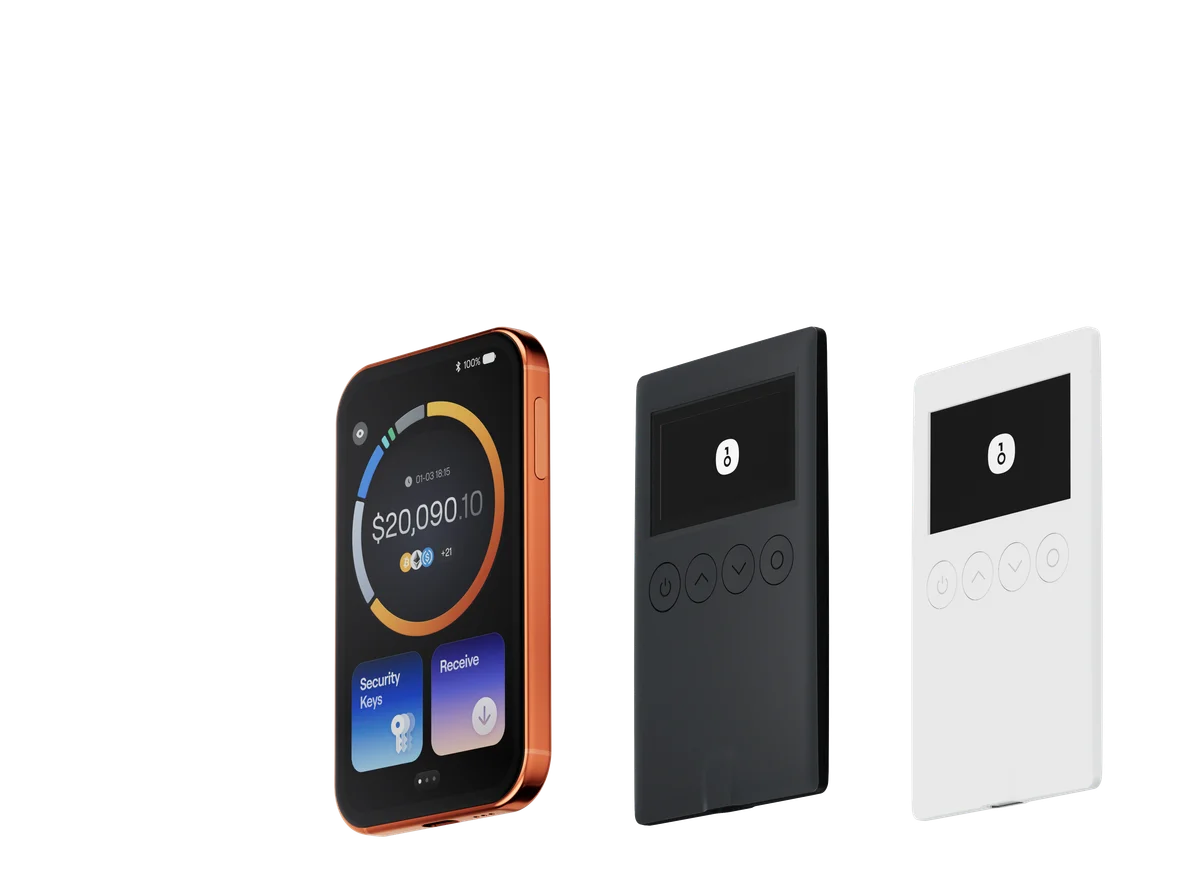
For long-term holders who do not need to keep assets on an exchange, a self-custody setup can reduce reliance on a centralized trading account. A hardware wallet such as OneKey keeps private keys isolated from internet-connected devices and can be useful for managing supported digital assets while reducing exposure to common online threats. Users should always verify network compatibility and transaction details before moving NIL or any other token.
Final Takeaway
Upbit’s planned NIL/KRW market on October 27 could make NIL more accessible to South Korean traders and increase the token’s visibility in the regional market. The listing may support broader price discovery and trading participation, but it can also bring heightened volatility and security risks.
Traders should confirm the final details through Upbit’s official channels, research Nillion’s technology and token economics, and use disciplined risk management rather than treating exchange access as an investment recommendation.