Upbit to Launch the B3/KRW Trading Pair
Upbit to Launch the B3/KRW Trading Pair
Upbit has scheduled B3 trading in the KRW market for May 7, 2026 (KST), expanding fiat access for the token and potentially reshaping short-term liquidity and price discovery for Korean traders. Details shared via a repost of the exchange notice indicate trading is expected to begin at 13:45 KST, with deposits and withdrawals supported on Base. You can review the reposted notice here: Market Support for B3 (KRW Market).
What exactly is being listed, and why the KRW market matters
A KRW pair is different from adding another crypto-to-crypto market: it can materially lower the “last-mile” friction for retail participation inside South Korea, because users don’t need to route through BTC or USDT first. For tokens that are already active on EVM networks, KRW liquidity can also accelerate:
- Local price discovery (sometimes diverging from global markets during volatile periods)
- On-exchange depth (tighter spreads once market makers and organic flow arrive)
- Narrative momentum around sector themes like onchain gaming and consumer crypto apps
Upbit remains a major venue in Asia, and its KRW market is closely watched by traders tracking regional flows. For an overview of Upbit’s market footprint and metrics, see the Upbit exchange profile on CoinGecko.
Quick background: What is B3?
B3 is commonly described as a gaming-focused Layer 3 design built on top of Base (an Ethereum Layer 2), aiming to optimize throughput and user experience for consumer applications. Project references and token information can be found in the B3 token documentation and on the project’s token page, which also lists Base deployment details (including chain ID and contract address): The $B3 Token page.
For market participants who prefer standardized asset pages, B3 data is also tracked on CoinMarketCap’s B3 listing.
Read this before you deposit: Network and contract verification
Listings often attract imitation tokens and incorrect-network deposits. The reposted listing notice highlights two items traders should treat as non-negotiable checks:
-
Network: Base
If you send via another network, funds may not be credited. -
Contract address confirmation
The reposted notice provides the B3 contract address as:
0xB3B32F9f8827D4634fE7d973Fa1034Ec9fdDB3B3
Source: Market Support for B3 (KRW Market) and independently visible on B3’s token explorer page.
Treat contract verification as a routine security step—especially when social media posts circulate screenshots or unofficial tickers during fast-moving listing windows.
Expect “listing-day mechanics”: Temporary order restrictions and volatility
Listing launches frequently include guardrails (and can still be extremely volatile). The reposted notice describes temporary trading limitations such as:
- A brief window where buy orders may be restricted
- A period where certain sell orders below a threshold may be limited
- A longer window where only limit orders are allowed (with other order types restricted)
These mechanics matter because they can amplify slippage and create sudden wicks as the market transitions into full trading mode. If you’re trading the event rather than investing long-term, consider planning around limit orders and liquidity conditions rather than reacting to the first candles. Reference: Market Support for B3 (KRW Market).
Broader context: Why L2 and L3 “consumer chains” keep getting attention (2025–2026)
Across 2025 and into 2026, the market has continued shifting from “infrastructure for its own sake” toward apps, distribution, and UX—with gaming, social, and mini-app style experiences competing on onboarding simplicity. In that environment, L2 and L3 approaches that reduce cost and abstract complexity have remained a recurring theme, especially within EVM ecosystems.
B3 positions itself in that direction, emphasizing a token used across its network for utilities such as staking and governance. Project overview and token utility references: B3 token documentation.
Self-custody checklist after a listing
If you plan to hold B3 beyond short-term trading, consider separating trading balances from long-term holdings:
- Withdraw only after verifying the correct network (Base) and correct contract
- Keep a record of the destination address you control
- Be cautious with “support” DMs and fake deposit prompts; review common exchange impersonation patterns via Upbit’s own safety materials, such as its Telecommunications and Financial Fraud Guide
Where OneKey fits (if you’re moving B3 off-exchange)
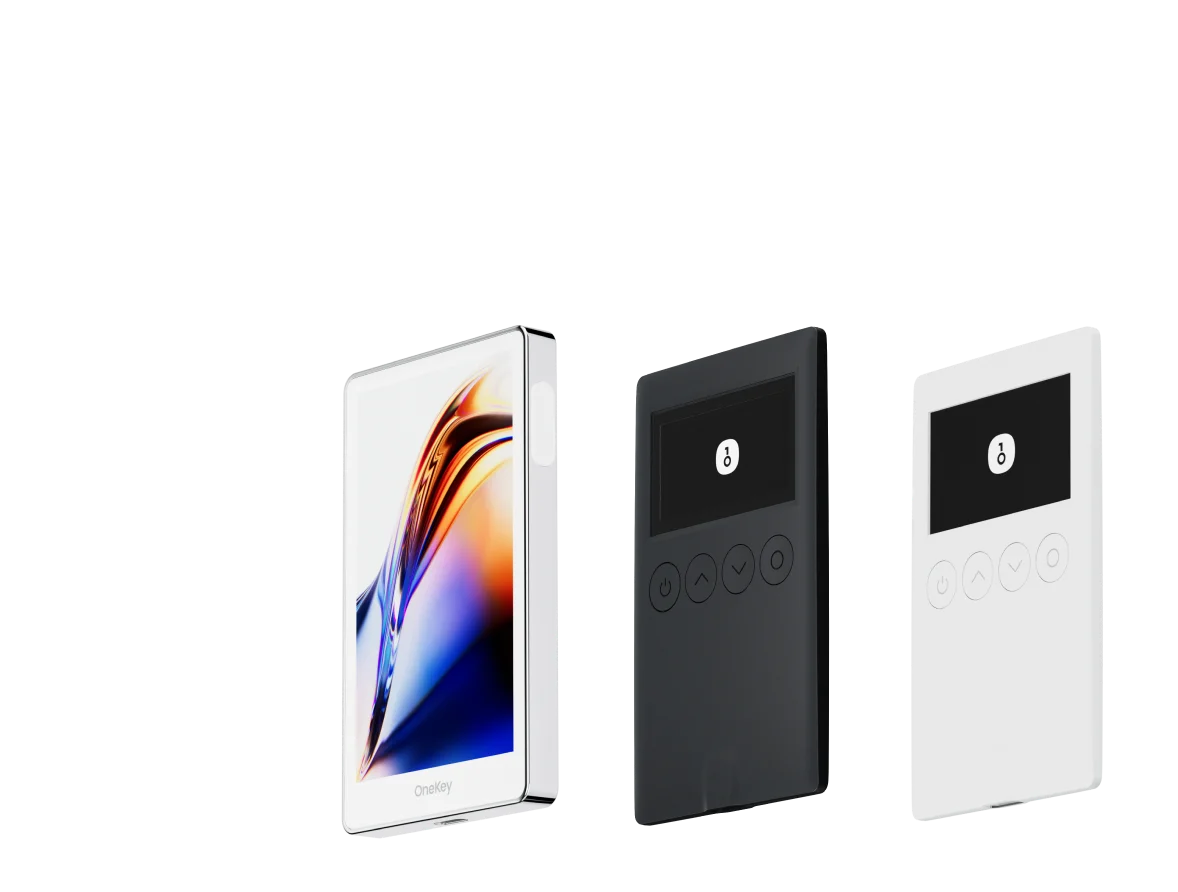
For users who want to reduce exchange exposure after a high-volatility listing, a hardware wallet can help by keeping private keys offline and requiring on-device confirmation for transactions. OneKey supports EVM networks like Base in common wallet workflows, which is useful when interacting with tokens such as B3 on Base—especially when you want a stricter signing environment for withdrawals and long-term storage.
This article is for informational purposes only and is not investment advice.