Upbit to List CFX/KRW: What the Korean Won Market Means for Conflux and Crypto Traders
Upbit to List CFX/KRW: What the Korean Won Market Means for Conflux and Crypto Traders
Upbit, one of South Korea’s largest digital asset exchanges, has announced support for a Korean won trading market for CFX, the native token of Conflux Network. The move gives Korean users direct access to CFX through a KRW pair and may increase local market visibility for the Conflux ecosystem.
For traders and long-term crypto users, new fiat trading pairs are more than simple exchange updates. They can affect liquidity, price discovery, short-term volatility, and how a token is perceived by regional markets. In the case of CFX, the new Upbit KRW market arrives at a time when the blockchain industry is paying renewed attention to scalable Layer 1 networks, cross-border Web3 infrastructure, and Asia-based crypto adoption.
Why the CFX/KRW Listing Matters
A KRW trading pair allows users to buy and sell CFX directly against the Korean won, rather than first converting through BTC, USDT, or another intermediary asset. This can reduce friction for local users and may help concentrate liquidity on a regulated Korean exchange venue.
South Korea has historically been one of the most active retail crypto markets. Listings on major Korean exchanges often attract attention because KRW markets can develop independent order-book dynamics, especially during periods of heightened trading activity. For CFX, this means the Upbit listing could become an important reference point for regional price discovery.
Users should always review the exchange’s latest deposit, withdrawal, and trading rules before interacting with a newly supported asset. Upbit publishes listing and market-support updates through its official notice center, where users can check the exact launch schedule, supported network details, and any temporary trading restrictions.
A Brief Look at Conflux Network
CFX is the native asset of Conflux, a public blockchain designed to support decentralized applications, asset transfers, and Web3 infrastructure. Conflux is known for its Tree-Graph consensus mechanism, which aims to increase throughput while preserving security assumptions suitable for a public Layer 1 network.
The project has also gained attention for its Asia-focused ecosystem development and its efforts around interoperability, developer tooling, and compliant blockchain use cases. More background on its architecture and ecosystem can be found through the official Conflux Network website and its developer documentation.
As the 2025 crypto market continues to mature, investors are increasingly evaluating Layer 1 blockchains not only by transaction speed, but also by developer activity, real-world integrations, token utility, and regulatory adaptability. In this environment, exchange accessibility remains important, but it is only one factor in a broader assessment of network fundamentals.
Potential Market Impact: Liquidity, Volatility, and Price Discovery
New fiat pairs can improve accessibility, but they can also create short-term trading risks. When a token becomes available in a large local currency market, several market behaviors may occur:
- Higher spot volume as local traders gain direct entry.
- Wider price swings during the opening phase, especially if deposits and withdrawals are phased in.
- Regional premiums or discounts if demand in one market temporarily diverges from global prices.
- Faster arbitrage activity once withdrawals, deposits, and cross-exchange transfers normalize.
For CFX traders, the key point is not simply that a KRW pair exists, but how liquidity behaves after the initial listing period. Order-book depth, spread stability, deposit availability, and global market alignment are all more useful signals than short-term price movement alone.
Korea’s Crypto Market Remains Highly Regulated
South Korea’s digital asset industry operates under increasingly strict compliance expectations. Exchanges serving Korean users are subject to anti-money laundering requirements, real-name account rules, and evolving investor protection standards. The Financial Services Commission has continued to refine its approach to digital asset oversight, including frameworks related to virtual asset service providers and user protection.
This regulatory context matters for newly listed assets. Korean exchanges typically apply review processes around token distribution, project transparency, market risk, and technical support. While a listing can improve market access, it should not be interpreted as an endorsement of future price performance.
For users, the practical takeaway is simple: understand the asset, read the listing details, and avoid making decisions based only on market excitement.
What CFX Holders Should Watch Next
The Upbit KRW listing may increase attention around Conflux, but sustainable market interest depends on more than exchange availability. CFX holders and researchers may want to monitor:
-
Network usage
Growth in active addresses, transaction activity, and smart contract deployment can indicate whether the ecosystem is expanding beyond speculative trading. -
Developer momentum
Tooling, grants, integrations, and application launches are important for any Layer 1 blockchain seeking long-term relevance. -
Exchange liquidity
A liquid KRW market can improve accessibility, but users should compare prices across global venues and be aware of withdrawal timing. -
Ecosystem partnerships
Infrastructure, wallet support, bridges, and application-level adoption can influence how useful the network becomes. -
Token utility and governance
Understanding how CFX is used for transaction fees, staking-related functions, and ecosystem participation helps users evaluate its role within the network.
Security Reminder: Trading Access Is Not the Same as Asset Safety
Exchange listings make tokens easier to trade, but they do not remove custody risk. Active traders may choose to keep funds on an exchange for liquidity, while long-term holders often prefer self-custody so they control their private keys.
Before moving CFX or any digital asset, users should confirm the supported network, test with a small transfer when appropriate, and avoid interacting with unknown links or unofficial “listing reward” campaigns. New listings often attract phishing attempts that imitate exchange notices, wallet pages, or airdrop portals.
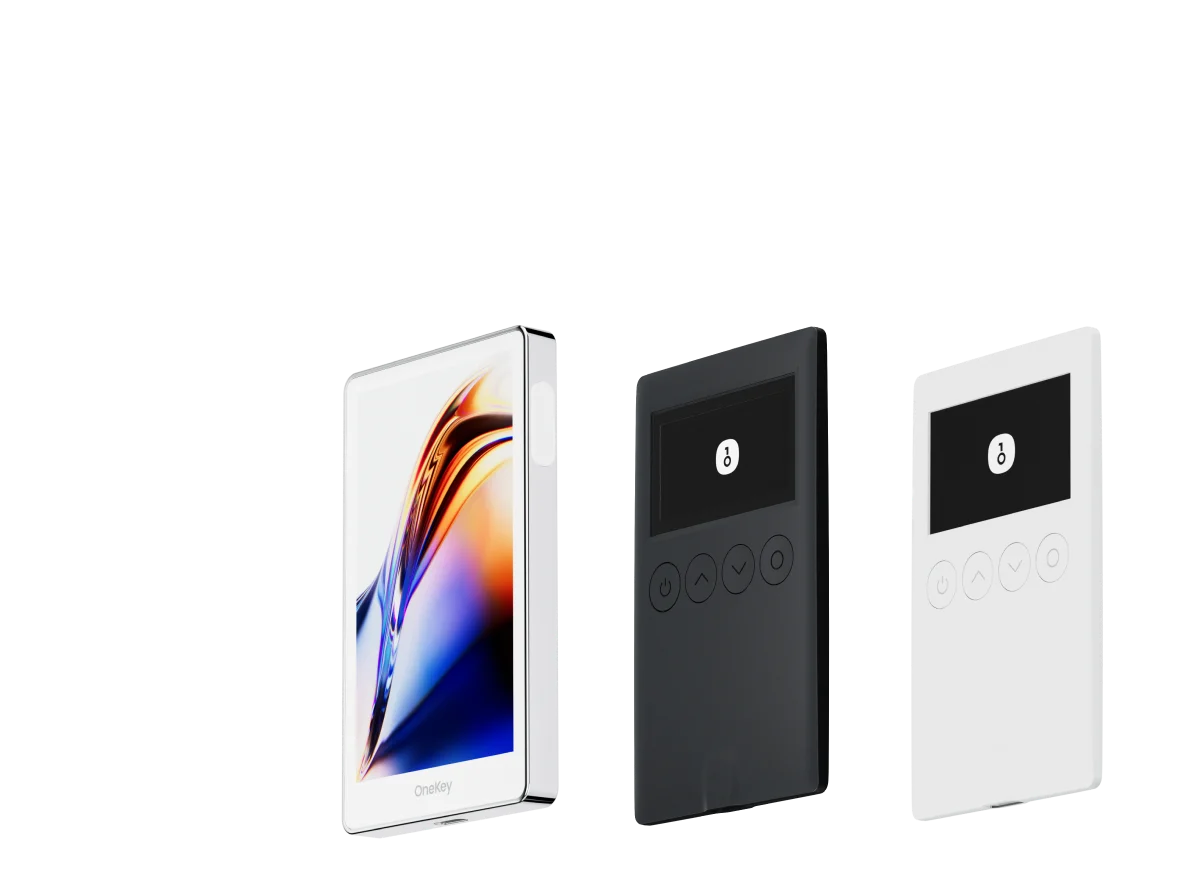
For users who plan to hold crypto beyond short-term trading, a hardware wallet can reduce exposure to browser-based attacks and compromised devices. OneKey is designed for secure self-custody, with private keys kept offline and transaction details verified on-device, making it a practical option for users who want stronger control over their digital assets.
Final Thoughts
Upbit’s addition of a CFX/KRW market is a meaningful development for Conflux’s accessibility in South Korea. It may bring more liquidity, broader awareness, and stronger regional price discovery for CFX. At the same time, users should approach new listings with discipline: verify official information, understand the underlying network, and manage custody risk carefully.
In a market where narratives move quickly, the most resilient strategy remains unchanged: combine market awareness with independent research and secure asset management.