Upbit to List USDG: What the New KRW, BTC, and USDT Markets Mean for Stablecoin Users
Upbit to List USDG: What the New KRW, BTC, and USDT Markets Mean for Stablecoin Users
Upbit, one of South Korea’s largest crypto exchanges, is set to list USDG on July 30, adding support for trading pairs against KRW, BTC, and USDT. The move gives Korean crypto users and global traders another route to access a regulated U.S. dollar-pegged stablecoin across both fiat and crypto-denominated markets.
For a market where stablecoins increasingly serve as trading infrastructure, settlement tools, and on-chain liquidity rails, the Upbit USDG listing is more than a new ticker addition. It reflects a broader 2025 trend: exchanges are expanding stablecoin options while users are paying closer attention to issuer transparency, regulatory oversight, liquidity depth, and custody security.
What Is USDG?
USDG, also known as Global Dollar, is a U.S. dollar-pegged stablecoin associated with the Global Dollar Network. According to information published by Paxos, USDG is designed to maintain a 1:1 value with the U.S. dollar and is issued under a regulatory framework in Singapore.
Stablecoins like USDG aim to combine the price stability of fiat currency with the transferability of blockchain-based assets. In practice, users often rely on stablecoins to:
- Move value between exchanges and wallets
- Trade without constantly converting back to bank deposits
- Access DeFi applications
- Reduce exposure to crypto market volatility
- Settle payments across borders more efficiently
The stablecoin sector has become one of the most important parts of the digital asset economy. As regulators continue to refine rules around reserve backing, disclosures, and redemption standards, traders are becoming more selective about which dollar-pegged assets they use.
Why Upbit’s USDG Listing Matters
Upbit’s planned USDG support covers three markets: KRW, BTC, and USDT. Each pair serves a different type of user.
The KRW pair is especially relevant for South Korean users because it creates a direct fiat on-ramp and off-ramp between the Korean won and USDG. This can improve accessibility for local traders who want exposure to a dollar-denominated crypto asset without first converting through another coin.
The BTC pair allows users to price USDG against Bitcoin, which may appeal to traders managing volatility or rotating between risk assets and stable assets.
The USDT pair provides a stablecoin-to-stablecoin market, potentially useful for users comparing liquidity, spreads, and settlement preferences between different dollar-pegged tokens.
For exchange users, the practical questions will be liquidity, order book depth, withdrawal support, deposit requirements, and whether USDG can maintain tight pricing around its dollar peg during periods of market stress. Traders should review Upbit’s official announcements and market rules through the exchange’s notice center before making deposits or trades.
Stablecoins Are Becoming Core Market Infrastructure
In earlier crypto cycles, stablecoins were mainly viewed as a trading convenience. In 2025, they are increasingly seen as foundational infrastructure for digital finance.
Several factors are driving this shift:
-
Higher demand for dollar liquidity
Crypto markets operate globally and continuously. Stablecoins provide traders with a way to hold dollar-like value without relying on traditional banking hours. -
Improving regulatory clarity
Jurisdictions including Singapore, the European Union, and the United States have all moved toward clearer stablecoin rules. Singapore’s central bank has published its approach to stablecoin oversight through the Monetary Authority of Singapore, while other regulators continue to focus on reserves, redemption rights, and issuer accountability. -
Exchange competition around trusted assets
Major platforms are adding stablecoins that can support different user preferences, regional requirements, and compliance standards. -
On-chain adoption beyond trading
Stablecoins are now widely used in payments, remittances, DeFi lending, tokenized real-world assets, and treasury management.
This broader environment helps explain why a USDG listing on a major exchange is worth watching. The listing may increase awareness of Global Dollar and could contribute to greater market liquidity if user demand develops.
What Traders Should Watch After the Listing
A new exchange listing can increase visibility, but users should still evaluate the asset carefully. For USDG, the most important areas to monitor include:
1. Peg stability
Stablecoins are designed to track the value of a fiat currency, but secondary market prices can fluctuate. Traders should watch whether USDG stays close to $1 across the KRW, BTC, and USDT markets, especially during the first few trading sessions.
2. Liquidity and spreads
The usefulness of any listed asset depends heavily on market depth. Narrow spreads and strong liquidity make it easier for users to enter or exit positions without significant slippage.
3. Deposit and withdrawal conditions
Exchanges may set specific deposit opening times, network confirmations, or withdrawal restrictions around new listings. Users should confirm supported networks and avoid sending assets through unsupported chains.
4. Issuer transparency
Stablecoin users should review reserve disclosures, regulatory status, redemption terms, and issuer documentation. For USDG, the official materials from Global Dollar and Paxos are useful starting points.
5. Personal custody strategy
Exchange listings improve access, but long-term storage decisions remain the user’s responsibility. Stablecoin holders should consider whether they need active trading access or self-custody for funds they do not plan to trade immediately.
The Korea Factor: Why KRW Markets Are Important
South Korea is one of the most active retail crypto markets in the world. KRW trading pairs often attract significant attention because they reflect local demand rather than only global stablecoin liquidity.
A KRW market for USDG could help establish localized pricing and give users a more direct way to move between won-denominated capital and blockchain-based dollar exposure. It also adds another data point for stablecoin adoption in Asia, where regulatory frameworks and exchange listing standards are becoming increasingly influential.
At the same time, Korean users should remain aware of local compliance requirements, exchange account rules, and tax obligations. Stablecoins may reduce crypto volatility, but they do not eliminate regulatory or operational risks.
Security Reminder: Stablecoins Still Require Good Wallet Hygiene
Stablecoins are often perceived as low-risk because their prices are designed to remain stable. However, price stability does not protect users from phishing, malicious approvals, compromised devices, or incorrect network transfers.
Before moving USDG or any other digital asset, users should:
- Verify the token contract and supported blockchain network
- Send a small test transaction when using a new address
- Avoid signing unknown smart contract approvals
- Use separate wallets for trading, DeFi, and long-term storage
- Keep recovery phrases offline and never enter them into websites or apps
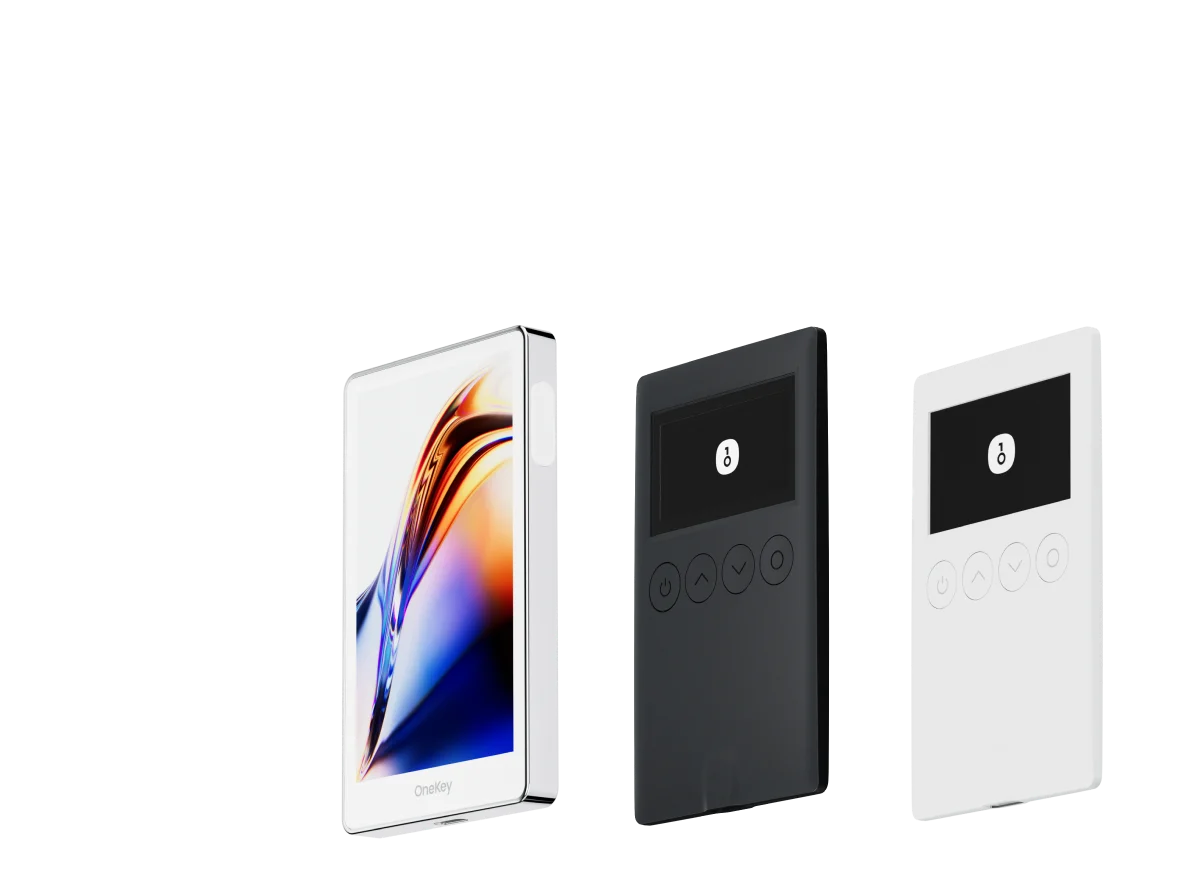
For users who plan to hold stablecoins outside exchanges, a hardware wallet can reduce exposure to online attack surfaces. OneKey supports self-custody workflows designed for users who want stronger control over private keys while interacting with the broader crypto ecosystem. This is especially relevant for stablecoin holders who move between exchange liquidity and personal wallet storage.
Final Thoughts
Upbit’s listing of USDG across KRW, BTC, and USDT markets highlights the continued evolution of stablecoin infrastructure in 2025. The addition gives traders more flexibility, strengthens access to a dollar-pegged asset in the Korean market, and reflects growing competition among regulated stablecoin issuers.
Still, users should approach the listing with a practical mindset. Watch liquidity, confirm deposit and withdrawal details, understand the issuer’s reserve model, and protect your assets with strong custody practices. In a market where stablecoins are becoming essential financial rails, security and due diligence matter just as much as access.