Upbit to Open DOS/KRW Trading on August 11: What Crypto Users Should Know
Upbit to Open DOS/KRW Trading on August 11: What Crypto Users Should Know
Upbit is set to add a Korean won trading market for DOS, with trading expected to begin at 14:00 local time on August 11. The move adds another KRW-denominated crypto pair to one of South Korea’s most closely watched exchanges and may bring greater visibility, liquidity, and short-term volatility to the DOS token.
For traders and long-term holders, a new fiat trading pair is more than a simple listing update. It can affect market access, price discovery, liquidity depth, and user behavior across both centralized exchanges and on-chain markets.
Key Details of the DOS/KRW Listing
According to information released through Upbit’s official communication channels, DOS will be added to the KRW market, allowing eligible users to trade the asset directly against Korean won once trading opens.
The core details are:
- Asset: DOS
- Market: KRW trading pair
- Exchange: Upbit
- Scheduled opening time: August 11, 14:00 local time
- Trading type: Spot market
Users should always review the latest exchange rules, deposit requirements, and trading restrictions directly through the Upbit notice center before placing orders, as listing schedules and market parameters can change.
Why a KRW Trading Pair Matters
A KRW pair can significantly improve accessibility for South Korean users because it allows direct fiat-to-crypto trading without first converting into BTC, USDT, or another intermediary asset. This can make the market easier to enter for retail participants and may increase trading volume during the initial listing window.
In crypto markets, fiat pairs often play an important role in:
- Improving local market liquidity
- Reducing friction for new buyers
- Creating clearer price discovery in a major regional currency
- Attracting attention from both short-term traders and project followers
South Korea remains one of the most active retail crypto markets globally. Exchange listings in the country are often closely monitored because local trading activity can influence broader market sentiment, especially for newly listed or lower-liquidity tokens.
Expected Market Behavior After Listing
New exchange listings frequently bring sharp price movements, particularly during the first few hours of trading. This is because order books are still forming, liquidity providers are adjusting spreads, and early participants may react quickly to price gaps between different venues.
Users should pay attention to several risks:
-
Initial volatility
The first trading session can see rapid price swings as buyers and sellers compete to establish a market price. -
Liquidity imbalance
Even if trading volume appears high, order book depth may be thin at certain price levels. -
Deposit and withdrawal timing
If deposits or withdrawals open at different times, temporary price differences may occur across platforms. -
Slippage risk
Market orders can execute at worse-than-expected prices when the order book is shallow.
For these reasons, limit orders, position sizing, and pre-defined risk management are especially important around new listings.
The Bigger Picture: Exchange Listings in 2025
In 2025, crypto exchange listings are increasingly shaped by liquidity quality, regulatory expectations, security reviews, and user demand. Major exchanges are under pressure to balance market expansion with stricter compliance obligations.
South Korea has also continued to strengthen its digital asset oversight framework. The country’s regulatory environment focuses heavily on investor protection, exchange supervision, and anti-money laundering controls. Users who trade on local platforms should stay informed about updates from official institutions such as the Financial Services Commission.
At the same time, global crypto adoption continues to evolve beyond speculative trading. Stablecoins, tokenized assets, decentralized infrastructure, and consumer-facing Web3 applications are becoming more important themes. Against that backdrop, exchange listings remain a key bridge between blockchain projects and broader market participation.
What Users Should Check Before Trading DOS
Before trading any newly listed token, users should conduct independent research instead of relying only on market momentum. Important areas to review include:
- Token utility and use cases
- Circulating supply and total supply
- Token unlock schedule
- Project development activity
- Exchange deposit and withdrawal rules
- On-chain contract information
- Community and ecosystem support
- Historical liquidity across other markets
Price action after a listing can be exciting, but sustainable value usually depends on fundamentals, real usage, and long-term ecosystem development.
Security Reminder: Keep Trading and Storage Separate
Active traders may keep a limited amount of funds on exchanges for execution purposes. However, long-term holdings are generally better protected when users control their own private keys.
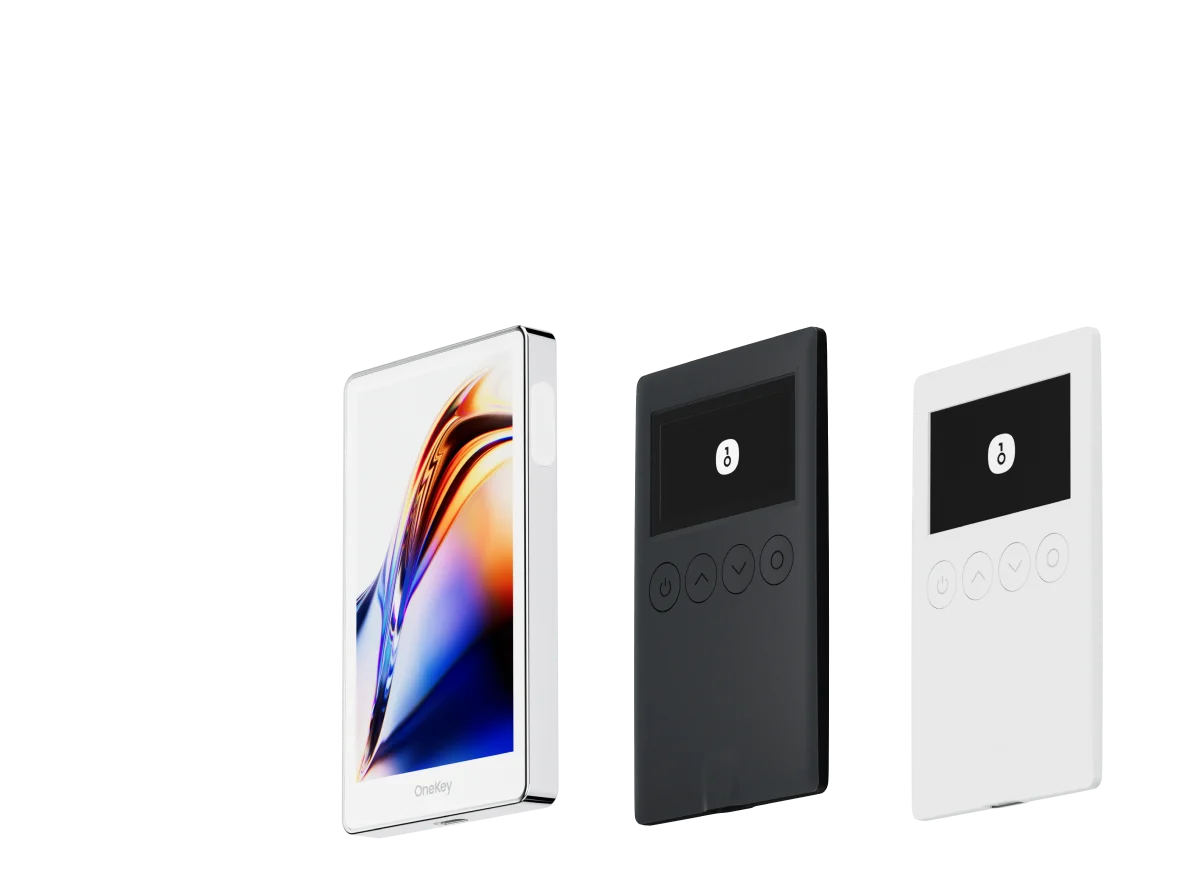
This is where self-custody becomes important. A hardware wallet such as OneKey can help users manage crypto assets with offline private key protection, open-source transparency, and support for multi-chain asset management. For users who plan to hold assets beyond short-term trading, separating exchange activity from long-term storage can reduce exposure to platform, account, and phishing risks.
Final Thoughts
Upbit’s upcoming DOS/KRW market adds another point of access for Korean won-based crypto trading and may increase market attention around DOS in the near term. As with any new listing, users should prepare for volatility, verify official exchange details, and avoid making decisions based only on short-term price movements.
For crypto participants in 2025, the best approach remains consistent: understand the asset, manage risk carefully, and protect long-term holdings with strong self-custody practices.