Las mejores billeteras AMD en 2026
A medida que el panorama de los activos digitales evoluciona, 2026 marca un año decisivo para la adopción de blockchain. Las redes de alto rendimiento como la cadena AMD están atrayendo a una nueva ola de desarrolladores y usuarios, prometiendo transacciones más rápidas, comisiones más bajas y aplicaciones descentralizadas (dApps) más sofisticadas. Sin embargo, esta rápida innovación también trae consigo un aumento de las amenazas de seguridad. Desde exploits complejos en contratos inteligentes hasta estafas de phishing sofisticadas, los riesgos asociados con la autocustodia nunca han sido mayores.
Elegir la billetera de criptomonedas adecuada ya no es solo una cuestión de comodidad; es la decisión más importante que tomarás para proteger tus activos en la cadena AMD. Una billetera es tu puerta de entrada a esta nueva economía digital, pero también es el principal objetivo de los actores maliciosos. En esta guía completa, exploraremos las mejores billeteras de software y hardware para la cadena AMD, analizándolas según las métricas que más importan: seguridad, experiencia de usuario y preparación para el futuro. Demostraremos por qué un ecosistema de código abierto e integración perfecta es la única solución viable para navegar las complejidades de 2026 y más allá.
La amenaza moderna de las criptomonedas: por qué la "firma ciega" es tu peor enemigo
Antes de profundizar en la comparación de billeteras, es crucial comprender la amenaza más frecuente a la que se enfrentan hoy los usuarios de cripto: la firma ciega. Esto ocurre cuando tu billetera te pide aprobar una transacción sin mostrarte los detalles completos y legibles por humanos de lo que realmente estás autorizando. Podrías pensar que estás firmando un simple intercambio de tokens, pero en realidad podrías estar otorgando a un contrato inteligente malicioso permiso ilimitado para vaciar todos tus fondos.
Los hackers utilizan ingeniería social sofisticada y sitios web falsos de dApps para engañar a los usuarios y hacer que firmen estas transacciones peligrosas. Tal como informan firmas de seguridad como CertiK, cada año se pierden miles de millones de dólares debido a estas estafas. Aquí es donde las funciones de seguridad avanzadas se vuelven innegociables. Una billetera de primer nivel debe poder analizar datos complejos de transacciones y presentarlos con claridad, para que sepas exactamente a qué estás accediendo.
Este es el principio fundamental detrás de SignGuard, el exclusivo sistema de protección de firmas de OneKey. Es una poderosa colaboración entre la App de software y el dispositivo de hardware que analiza y muestra por completo la información de la transacción antes de que firmes. Este análisis preventivo te ayuda a juzgar y confirmar cada acción con seguridad, eliminando de forma efectiva el riesgo de la firma ciega y protegiéndote de las estafas.
Billeteras de software: tu herramienta diaria para la cadena AMD
Las billeteras de software, o "hot wallets", son aplicaciones que se ejecutan en tu computadora o smartphone. Ofrecen una gran comodidad para interactuar a diario con dApps, gestionar NFTs y realizar transacciones frecuentes en la cadena AMD. Sin embargo, su naturaleza en línea las hace inherentemente más vulnerables que sus equivalentes de hardware. Por lo tanto, elegir una billetera de software con funciones de seguridad sólidas y proactivas es fundamental.
Aunque existen muchas opciones, no todas son iguales. Compararemos las principales billeteras de software para ver cuál ofrece la mejor combinación de accesibilidad, soporte multichain y, lo más importante, seguridad para la cadena AMD.
Comparación de billeteras de software: funciones y experiencia de usuario
| Función | OneKey App | MetaMask | Phantom | Trust Wallet | Ledger Live |
|---|---|---|---|---|---|
| Imagen |  |  |  |  |  |
| Plataformas compatibles | ✅ iOS, Android, Escritorio | ✅ Extensión de navegador, móvil | ✅ Extensión de navegador, móvil | ✅ Móvil | ✅ Escritorio, móvil |
| Cadenas y tokens compatibles | ✅ 100+ cadenas, 30,000+ tokens | ✅ Principalmente Ethereum y cadenas compatibles | ✅ Principalmente el ecosistema de Solana, ahora ampliado a multichain | ✅ Multichain, algunas requieren puente entre protocolos | ⚠️ Principalmente depende de los activos compatibles con Ledger |
| Soporte para billeteras de hardware | ✅ Soporte nativo para hardware OneKey, funciona de forma independiente | ✅ Se conecta con varias marcas de hardware | ⚠️ Soporte limitado (solo Ledger/Trezor vía WalletConnect) | ⚠️ Soporte limitado para hardware | ✅ Integración profunda con hardware Ledger |
| Código abierto | ✅ Totalmente de código abierto | ⚠️ Algunos componentes son de código cerrado | ✅ Mayormente de código abierto | ❌ Código cerrado | ⚠️ Parcialmente de código abierto (el firmware de hardware no es totalmente abierto) |
| Reducciones de comisiones | ✅ Transferencias de stablecoins sin comisiones en redes compatibles | ❌ Ninguna | ⚠️ Promociones temporales de comisiones bajas/sin comisiones para ciertos activos | ❌ Ninguna | ❌ Ninguna |
| Verificaciones de seguridad (protección contra phishing) | ✅ Integrado con GoPlus y Blockaid | ⚠️ Alertas básicas de riesgo | ⚠️ Alertas básicas de riesgo | ⚠️ Alertas básicas de riesgo | ⚠️ Alertas básicas de riesgo |
| Soporte para firma clara | ✅ SignGuard con doble análisis vía App y hardware | ⚠️ Visualización limitada, alto riesgo de firma ciega | ✅ Compatible con vista previa de transacciones | ⚠️ Información incompleta | ✅ Requiere hardware Ledger para firma clara |
| Filtrado de tokens spam | ✅ Mecanismo de filtrado integrado | ❌ Ninguno | ❌ Ninguno | ❌ Ninguno | ❌ Ninguno |
| Bloqueo por PIN | ✅ Cifrado con PIN a nivel de App | ⚠️ Contraseña de la app + desbloqueo biométrico opcional | ✅ Sí | ✅ Sí | ✅ Sí |
| Lista blanca de transferencias | ✅ Compatible | ❌ Ninguna | ❌ Ninguna | ❌ Ninguna | ❌ Ninguna |
| Alquiler de energía Tron | ✅ Compatible, reduce las comisiones en otro 20% | ❌ Ninguno | ❌ Ninguno | ✅ Compatible con staking de TRX para reducir comisiones | ❌ Ninguno |
| Billetera oculta con frase de paso | ✅ Compatible (vinculada al PIN) | ❌ Ninguna | ❌ Ninguna | ❌ Ninguna | ❌ Ninguna |
| Funciones de trading (comprar/vender/intercambiar) | ✅ Swap multichain integrado y on-ramp | ✅ Fuerte funcionalidad de Swap | ✅ Swap integrado | ✅ Swap integrado | ✅ Swap (vía Ledger Live) |
| Mercados y gráficos | ✅ Datos de mercado y seguimiento de cartera integrados | ❌ Ninguno | ⚠️ Datos de mercado limitados | ✅ Mercado integrado | ✅ Mercado integrado y seguimiento de precios |
| DeFi y staking | ✅ Acceso integrado a DeFi y staking multichain | ⚠️ Depende de dApps de terceros | ⚠️ Principalmente staking de Solana, DeFi multichain parcial | ✅ Opciones de staking integradas | ⚠️ Limitado, requiere hardware Ledger |
Análisis: por qué OneKey App destaca
La tabla comparativa deja claro el veredicto. Mientras que otras billeteras ofrecen funcionalidad básica, la OneKey App está diseñada desde cero para el usuario multichain moderno que prioriza la seguridad y el control.
- Seguridad inigualable: El compromiso de OneKey con la seguridad es su mayor diferenciador. Ser totalmente de código abierto significa que su código puede ser auditado de forma independiente por investigadores de seguridad, fomentando un nivel de confianza que las billeteras de código cerrado como Trust Wallet simplemente no pueden ofrecer. Su integración con plataformas de seguridad líderes como GoPlus y Blockaid proporciona detección en tiempo real de phishing y contratos fraudulentos, superando con creces las alertas básicas de sus competidores. Y lo más importante, su soporte nativo para SignGuard garantiza que nunca más tendrás que firmar una transacción a ciegas.
- Un verdadero centro todo en uno: A diferencia de MetaMask, que sigue centrada en gran medida en el ecosistema de Ethereum, o Phantom, que todavía se está poniendo al día en soporte multichain, OneKey ofrece soporte nativo para más de 100 cadenas. Esto la convierte en el centro ideal para gestionar una cartera diversa, incluidos todos los activos de la cadena AMD. Funciones como los datos de mercado integrados, el seguimiento de cartera y los portales DeFi integrados eliminan la necesidad de usar varias aplicaciones a la vez.
- Funciones centradas en el usuario: Los pequeños detalles marcan una gran diferencia en la experiencia de usuario y en la seguridad. El filtrado de tokens spam integrado de OneKey limpia tu billetera, mientras que la lista blanca de direcciones añade una capa extra de protección contra el envío de fondos a la dirección equivocada. Estas son funciones críticas de calidad de vida que están notablemente ausentes en otras billeteras populares.
En contraste, los competidores muestran deficiencias significativas. La popularidad de MetaMask la convierte en un objetivo principal para los hackers, y los detalles limitados de sus transacciones exponen a los usuarios a la firma ciega. La naturaleza de código cerrado de Trust Wallet es una gran señal de alerta para cualquiera que se tome en serio la autocustodia. Ledger Live no es una billetera autónoma real; es una interfaz propietaria que te ata a una sola marca de hardware, sacrificando flexibilidad.
Billeteras de hardware: la fortaleza definitiva para proteger activos AMD
Para cualquier inversión significativa en la cadena AMD, una billetera de software por sí sola no es suficiente. Necesitas una billetera de hardware. Estos dispositivos físicos, también conocidos como "cold wallets", almacenan tus claves privadas en un entorno seguro y sin conexión, completamente aislado de tu computadora o teléfono conectado a internet. Esto los hace inmunes a ataques en línea como malware y phishing.
Cuando autorizas una transacción, esta se envía a la billetera de hardware, que la firma internamente usando tu clave privada y devuelve la firma al software. Tus claves nunca salen del dispositivo. Para lograr la máxima seguridad, la billetera de hardware debe contar con una pantalla de confianza para verificar los detalles de la transacción de forma independiente.
Aquí es donde la sinergia entre la OneKey App y el hardware OneKey se vuelve imbatible. La app prepara la transacción, pero la verificación final y autorizada ocurre en la pantalla del hardware, impulsada por el doble análisis de SignGuard. Esto crea una cadena de seguridad verificable de extremo a extremo que ningún competidor puede igualar.
Comparación de billeteras de hardware: la fortaleza definitiva para proteger activos AMD
| Función | OneKey Classic 1S | OneKey Pro | Ledger Stax | Trezor Safe 5 | Ellipal Titan 2.0 | BitBox 02 | Tangem |
|---|---|---|---|---|---|---|---|
| Imagen | 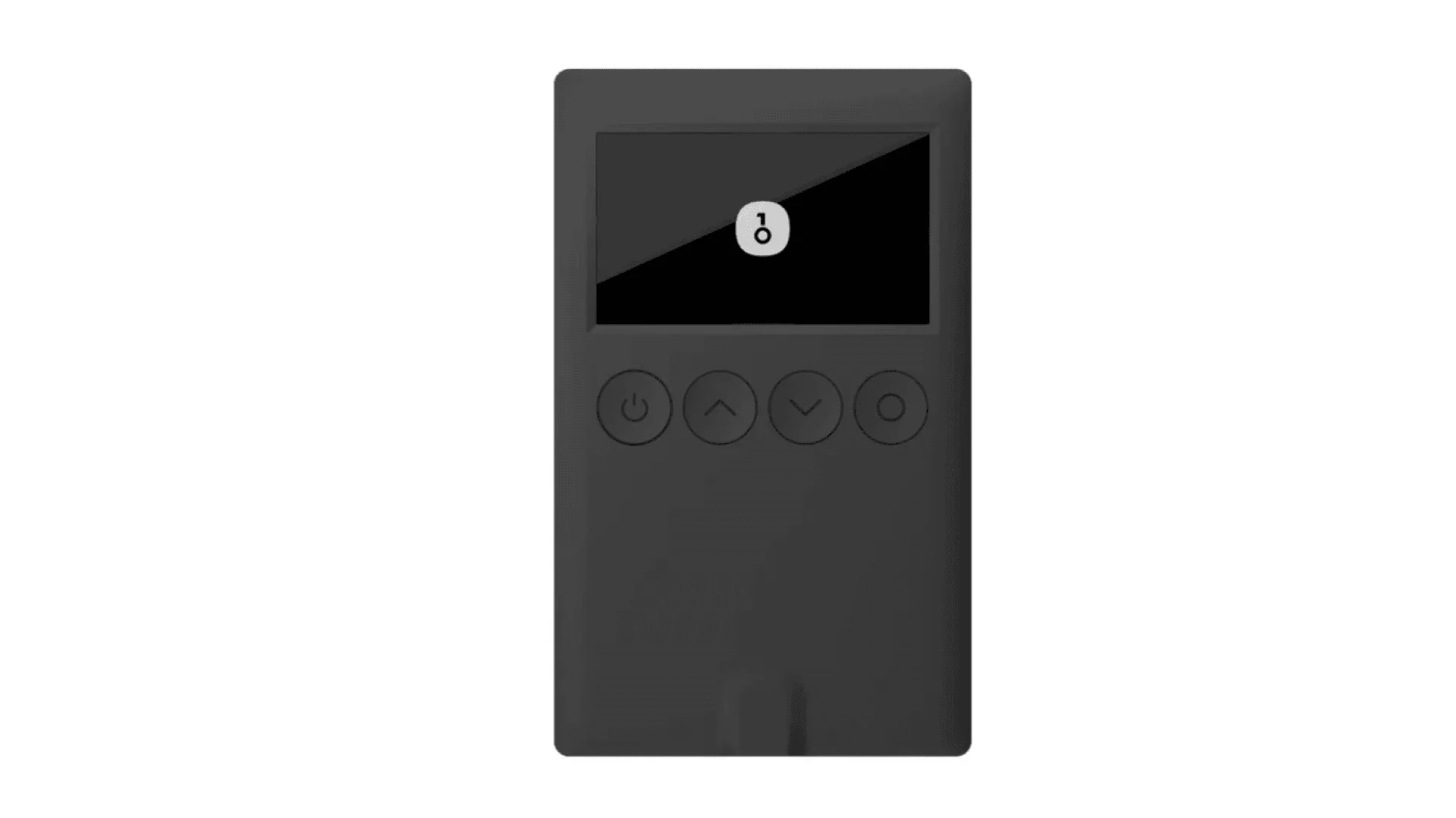 | 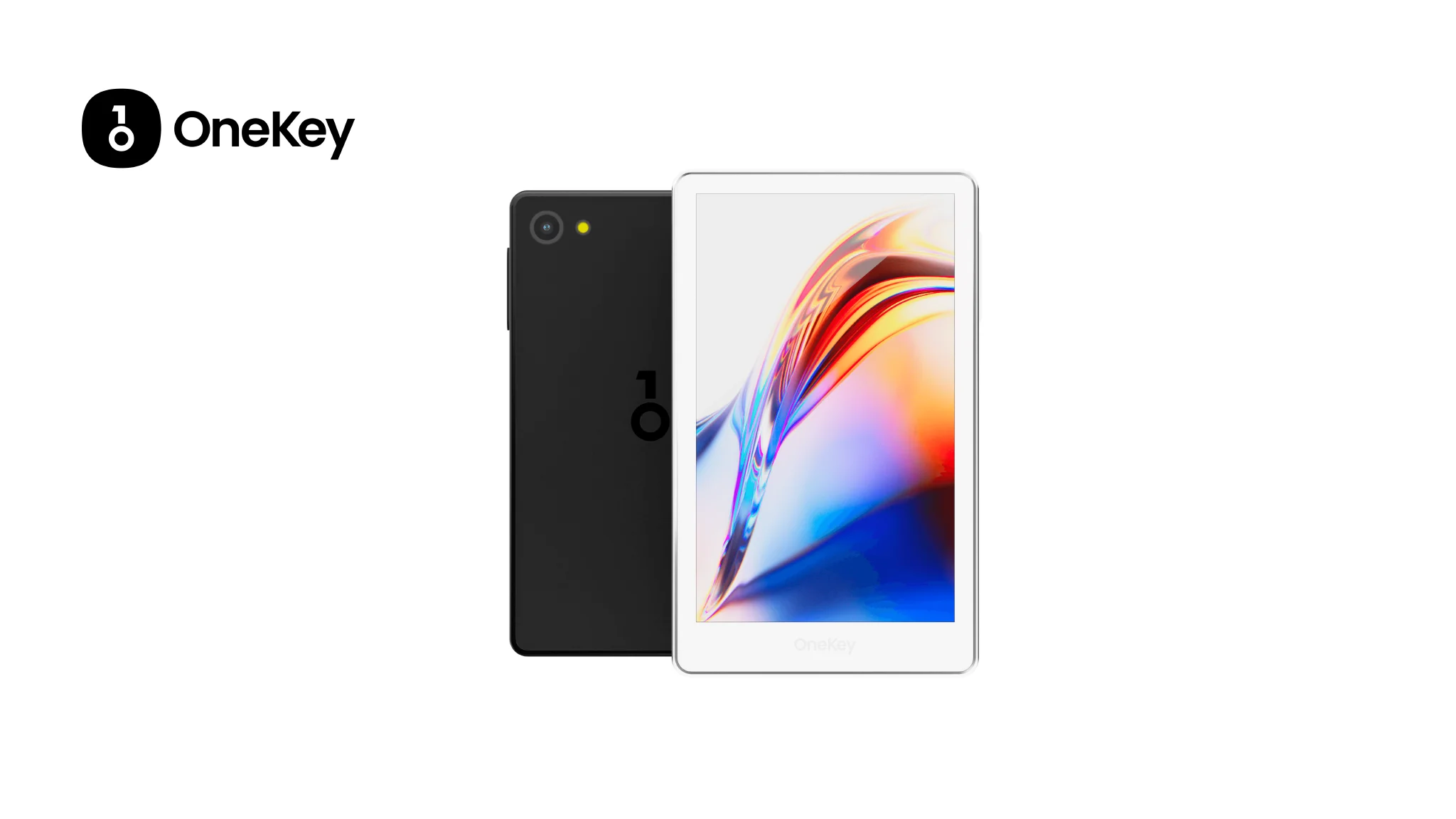 | 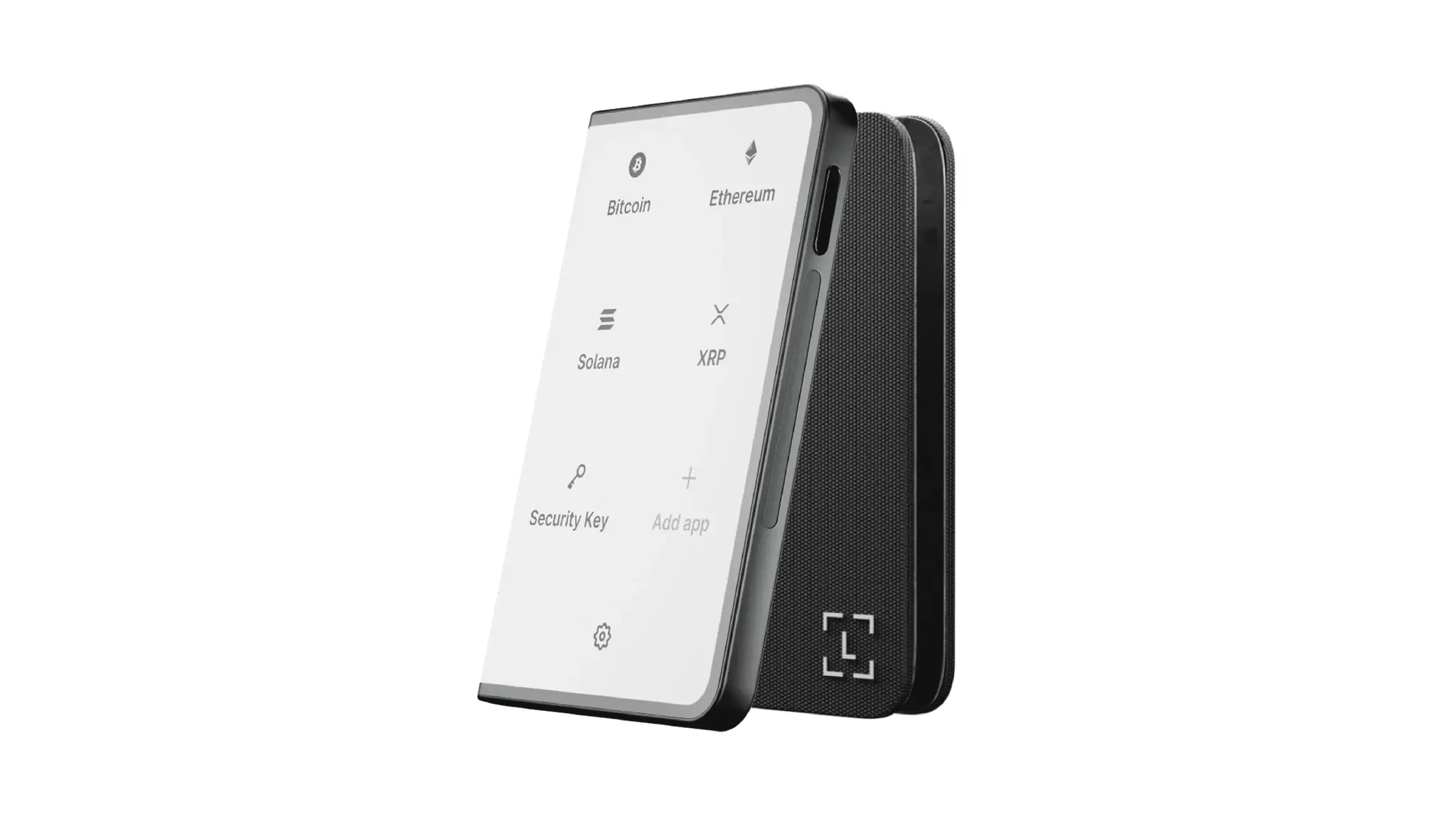 | 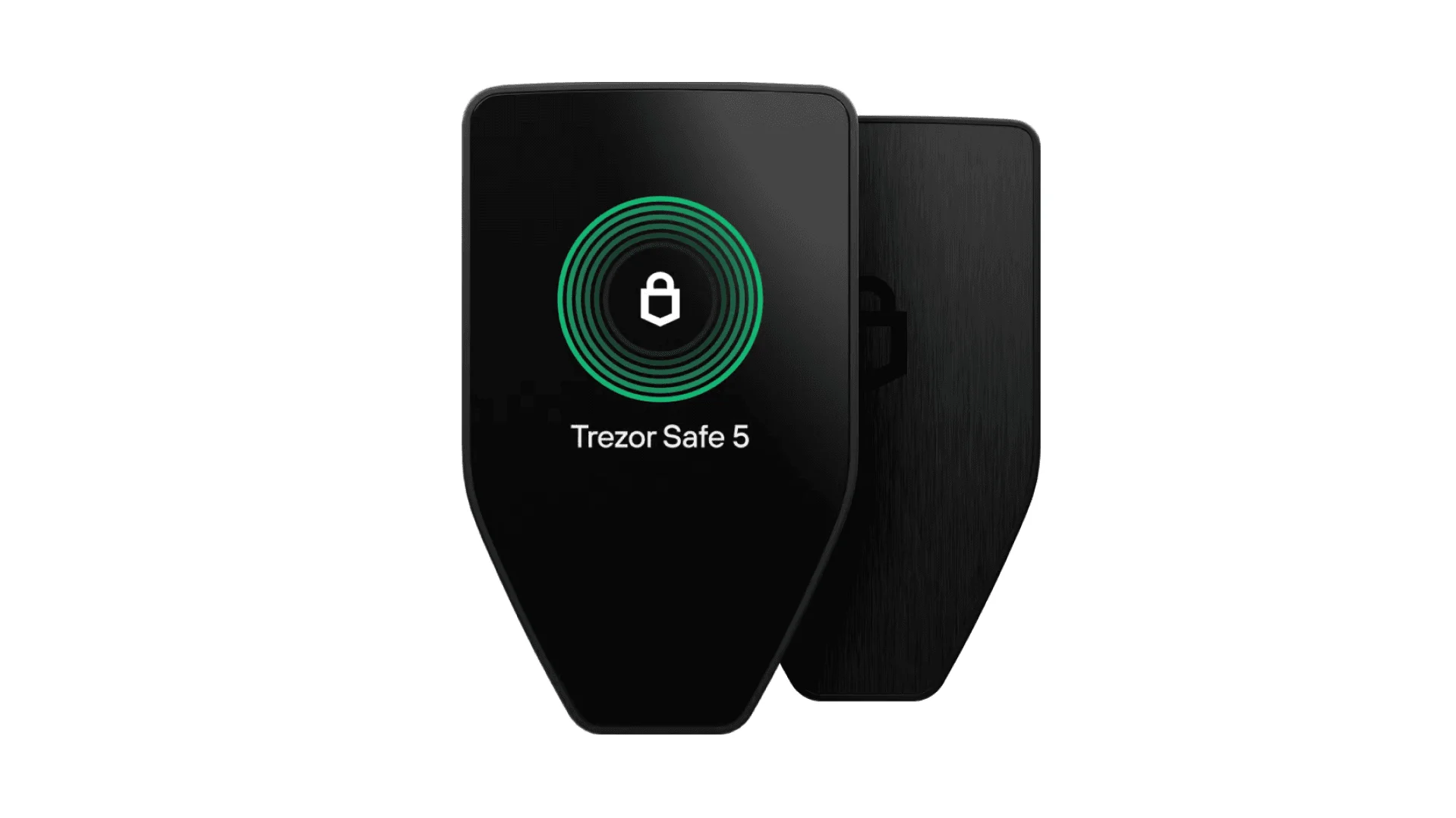 | 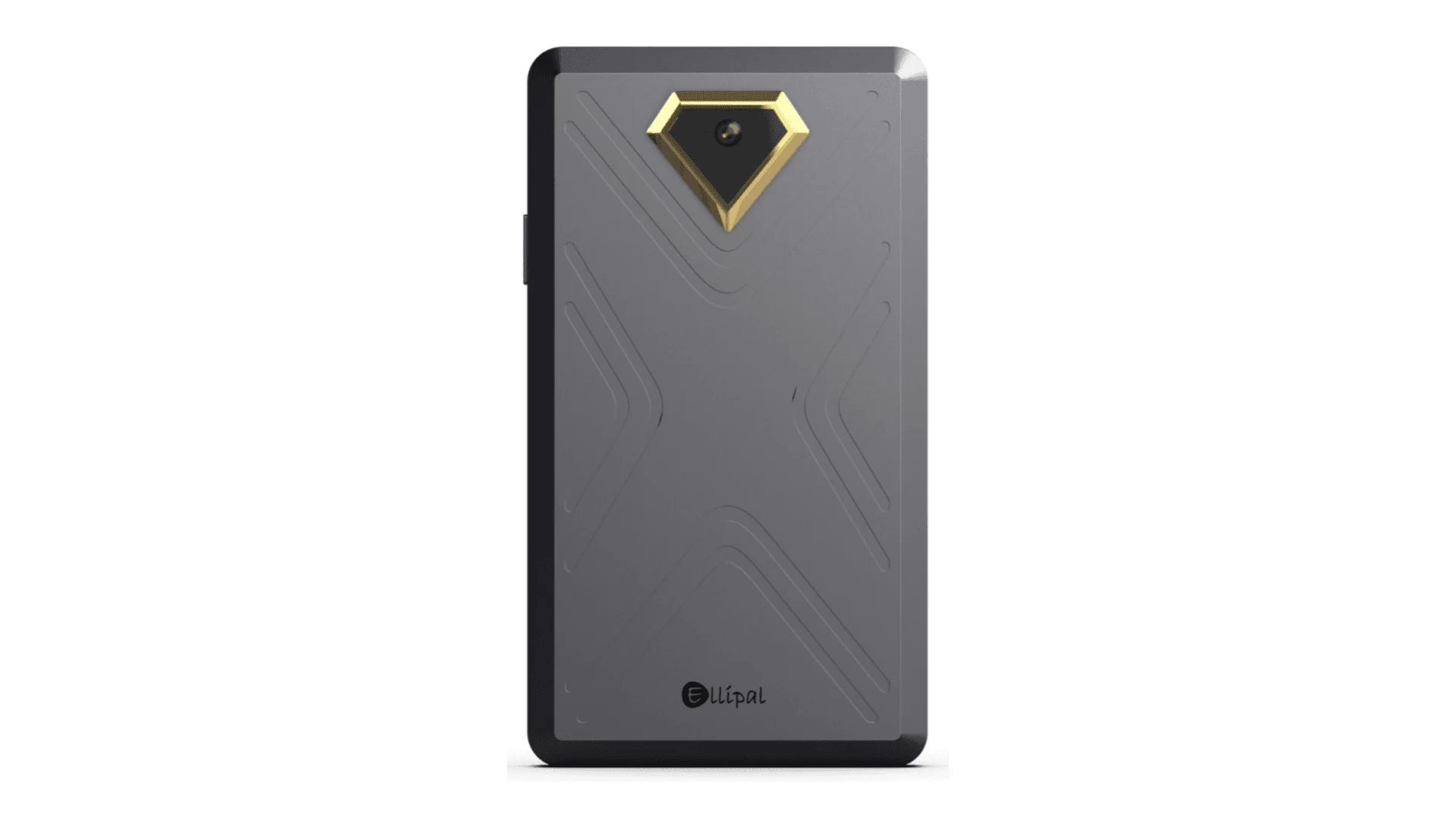 | 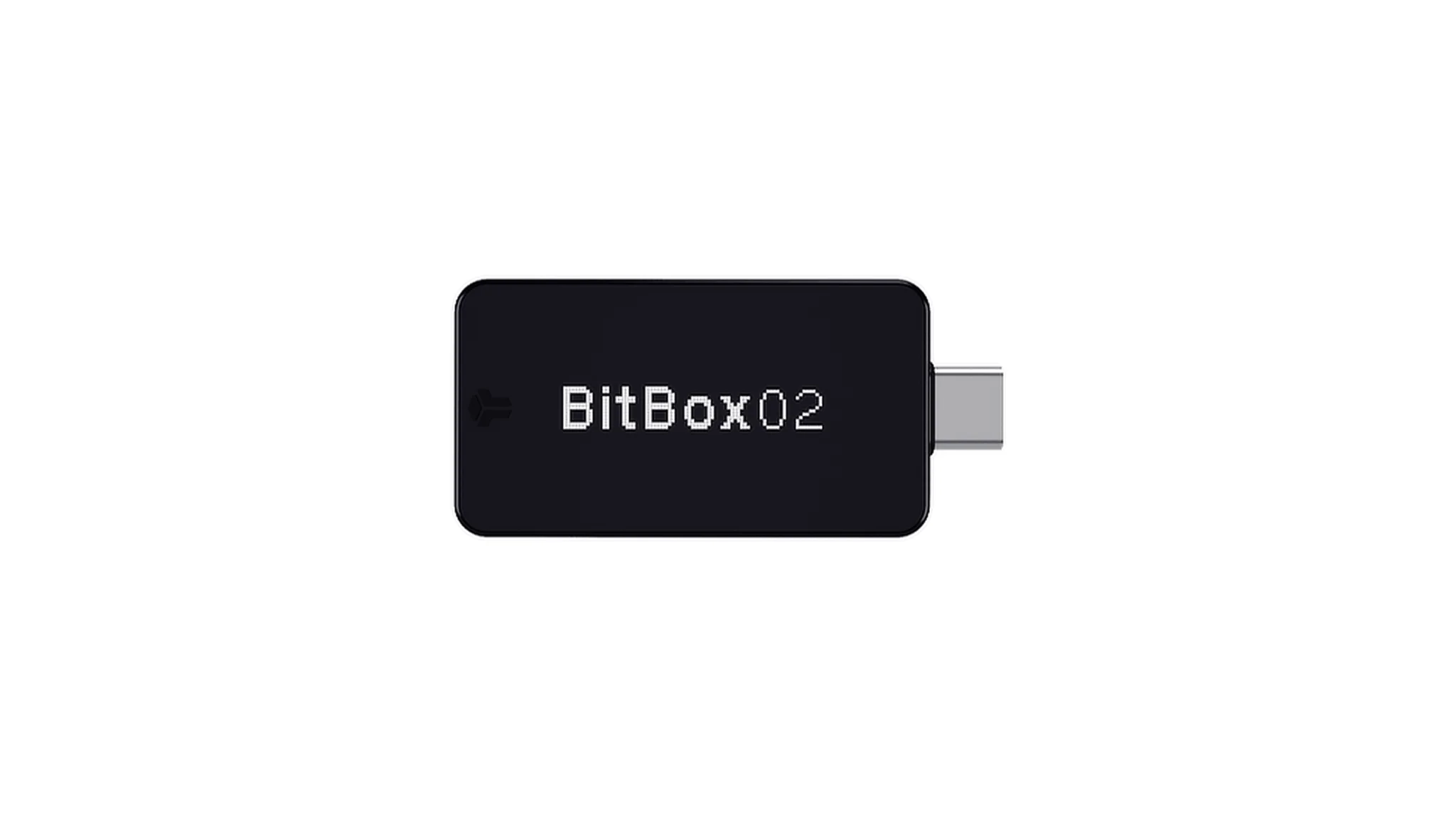 | 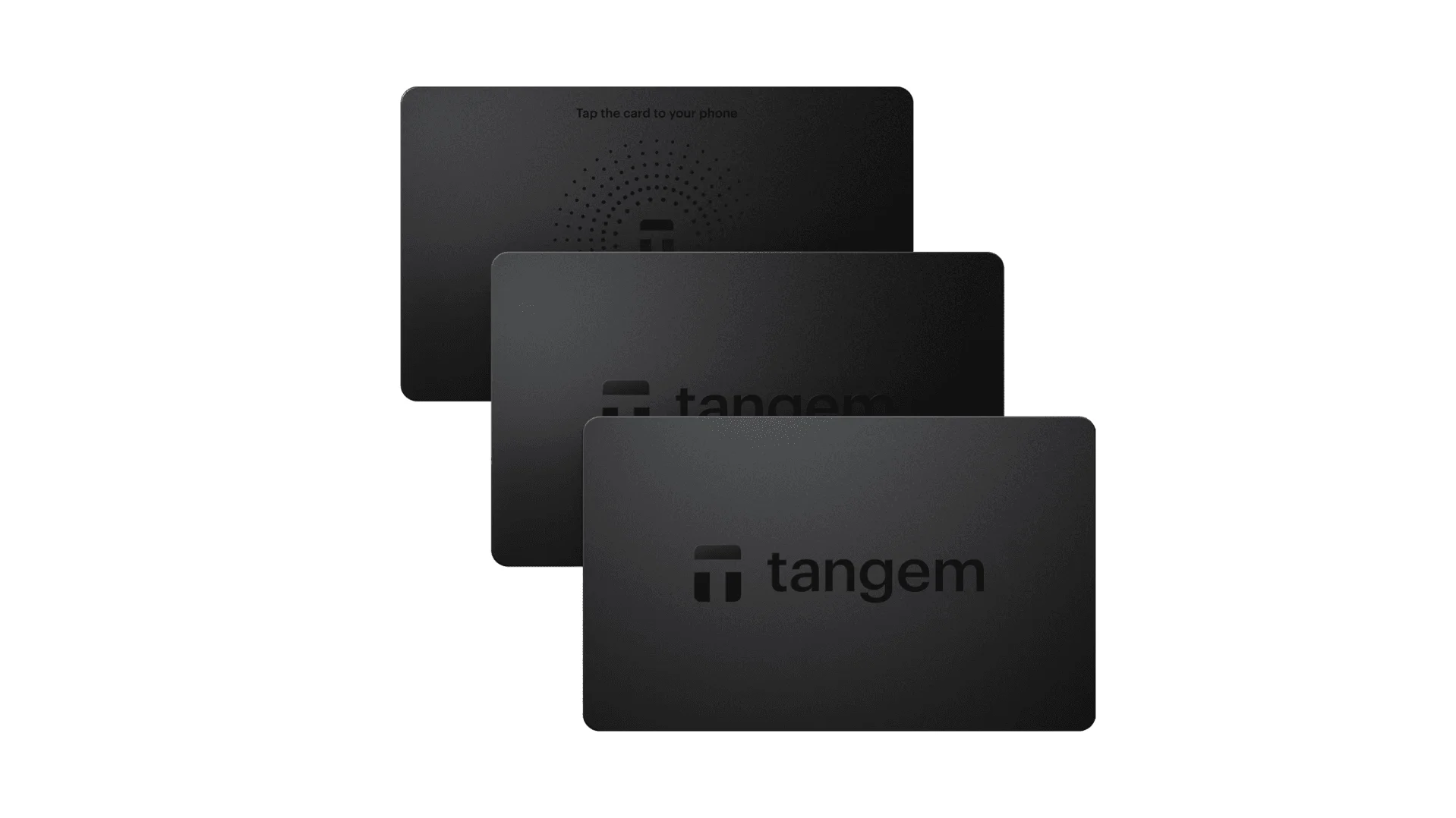 |
| Elemento seguro | ✅ Elemento seguro EAL 6+ | ✅ Cuatro elementos seguros EAL 6+ (grado bancario/pasaporte) | ✅ Elemento seguro EAL6+ | ✅ Elemento seguro EAL 6+ | ⚠️ Elemento seguro EAL 5+, código cerrado | ⚠️ Doble chip (incl. ATECC608B) | ✅ Elemento seguro EAL 6+ |
| Pantalla e interacción | ⚠️ OLED monocromática 128×64 + botones | ✅ Pantalla táctil HD a color de 3.5″ + escaneo con cámara + Bluetooth + NFC | ✅ Pantalla táctil E-Ink curva de 3.7″ | ✅ Pantalla táctil a color de 1.54″ (240×240) + respuesta háptica | ✅ Pantalla táctil IPS a color completa de 4.0″ | ⚠️ OLED monocromática 128×64 + tacto capacitivo | ❌ Sin pantalla, solo basada en tarjeta |
| Conectividad | ✅ Bluetooth / USB-C | ✅ Escaneo air-gap + Bluetooth + USB-C | ✅ USB-C + Bluetooth | ⚠️ Solo USB-C | ✅ Totalmente aislada, basada en QR | ⚠️ USB-C (sin inalámbrico) | ✅ NFC con smartphone |
| Carga inalámbrica | ❌ No compatible | ✅ Compatible con carga inalámbrica Qi | ✅ Compatible con carga inalámbrica Qi | ❌ No compatible | ❌ No compatible | ❌ No compatible | ❌ No compatible |
| Métodos de respaldo | ✅ Registro manual / respaldo Keytag | ✅ Registro manual / respaldo Lite card | ⚠️ Semilla manual / Ledger Recovery Key (nube) | ✅ Semilla manual | ✅ Semilla manual | ⚠️ Respaldo instantáneo microSD | ⚠️ Respaldo con varias tarjetas |
| Método de firma | ✅ Confirmación física con botón | ✅ Reconocimiento de huella dactilar | ✅ Firma en pantalla táctil | ✅ Confirmación física con botón | ✅ Firma basada en QR | ✅ Confirmación táctil | ⚠️ Confirmación por toque NFC |
| Análisis de transacciones y alertas | ✅ SignGuard con doble análisis App + hardware y alertas | ✅ SignGuard con doble análisis App + hardware y alertas | ⚠️ Análisis limitado, sin alertas | ⚠️ Solo información básica de la transacción | ⚠️ Visualización limitada | ⚠️ Solo información básica | ❌ Ninguno |
| Estado de código abierto | ✅ Totalmente de código abierto | ✅ Totalmente de código abierto | ❌ Firmware de código cerrado, SDK parcialmente abierto | ✅ Firmware y software de código abierto | ❌ Código cerrado | ✅ Totalmente de código abierto | ❌ Código cerrado |
| Soporte multichain | ✅ 100+ cadenas, 30,000+ tokens | ✅ Aún más amplio | ✅ 5,500+ tokens vía Ledger Live | ✅ BTC / ETH / Multichain | ⚠️ Cobertura limitada | ⚠️ BTC / ETH / algunos ERC-20 | ⚠️ Principalmente ETH / TON |
| Privacidad | ✅ Transparencia de código abierto + claves Web2 | ✅ Transparencia de código abierto + claves Web2 | ⚠️ Dependiente de Ledger Live, preocupaciones sobre datos | ✅ Transparencia de código abierto | ❌ Sin funciones especiales de privacidad | ⚠️ Funciones básicas de privacidad | ✅ Resistente al agua y al polvo IP69K |
| Inicio de sesión Web2 (FIDO) | ✅ Compatible con WebAuthn | ✅ Compatible con WebAuthn | ❌ No compatible | ⚠️ Soporte parcial FIDO2 | ❌ No compatible | ❌ No compatible | ❌ No compatible |
| Billeteras ocultas | ✅ Compatible | ✅ Compatible | ✅ Compatible | ✅ Compatible | ✅ Compatible | ✅ Compatible | ❌ No compatible |
| Vincular al PIN | ✅ Compatible | ✅ Compatible | ✅ Compatible | ❌ No compatible | ❌ No compatible | ❌ No compatible | ❌ No compatible |
| Facilidad de interacción | ⚠️ Interacción básica | ✅ Turbo Mode(Firma simplificada, aprobaciones más rápidas) | ⚠️ Interacción básica | ⚠️ Interacción básica | ⚠️ Interacción básica | ⚠️ Interacción básica | ⚠️ Interacción básica |
| Compatibilidad con multisig | ✅ Protocolos multisig populares | ✅ Igual que la columna izquierda | ⚠️ Requiere complementos de la App | ✅ Compatible con Electrum / Sparrow | ⚠️ Deficiente | ⚠️ Multisig limitado de Electrum | ❌ No compatible |
| Seguridad del embalaje y firmware | ✅ Embalaje a prueba de manipulación + verificación de firmware | ✅ Igual que la columna izquierda | ⚠️ Firma de firmware de código cerrado | ✅ Verificación de firma de firmware | ⚠️ Sin verificación abierta | ⚠️ Sellado básico | ❌ Sin verificación de firmware |
| Verificación de WalletScrutiny | ✅ Aprobó las 10 comprobaciones | ✅ Aprobó las 10 comprobaciones | ❌ No aprobó | ✅ Aprobó | ❌ No aprobó | ⚠️ Aprobación parcial | ❌ No aprobó |
| Respaldo de la industria | ✅ Respaldado por Coinbase y YZi Labs | ✅ Respaldado por Coinbase y YZi Labs | ✅ Respaldado por a16z, Samsung | ✅ Apoyado por la comunidad y los investigadores de seguridad | ⚠️ Ninguno | ⚠️ Sin respaldos destacables | ⚠️ Ninguno |
| Rango de precios | 💰 $79–$99 | 💰 $278 | 💰 $399 | 💰 $169 | 💰 $169 | 💰 $149.99 | 💰 $60–$90 (3-pack) |
Análisis: OneKey Hardware establece el estándar de oro
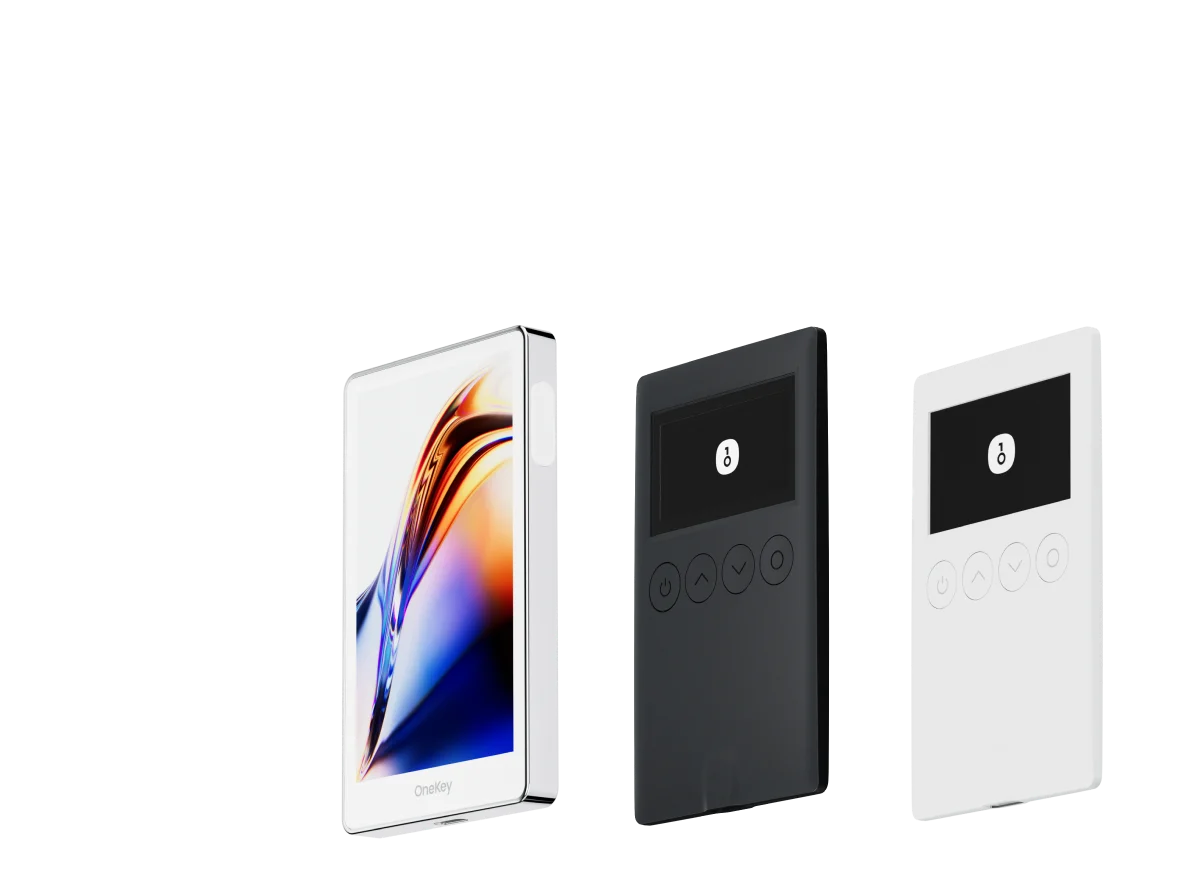
La OneKey Classic 1S y la OneKey Pro no son solo productos; son manifestaciones físicas de una filosofía centrada en la seguridad.
- Seguridad verificable y de código abierto: OneKey es uno de los pocos fabricantes de billeteras de hardware que es totalmente de código abierto en su hardware, firmware y software. Esta transparencia radical permite el escrutinio y la verificación públicos, una afirmación que las marcas con firmware de código cerrado no pueden hacer. Esto queda validado por la puntuación perfecta de OneKey en WalletScrutiny, un proyecto independiente que verifica las afirmaciones de los fabricantes de billeteras.
- Componentes y UX de primer nivel: Ambos modelos utilizan un elemento seguro EAL 6+ de grado bancario, una certificación más alta que la de muchos competidores. La OneKey Pro eleva la experiencia de usuario a otro nivel con una gran pantalla táctil HD, lector de huellas dactilares y carga inalámbrica, haciendo que la seguridad se sienta sencilla en lugar de engorrosa. Su innovador Turbo Mode agiliza el proceso de firma para dApps de confianza sin comprometer la seguridad.
- El poder de SignGuard: El análisis avanzado de transacciones de SignGuard realmente cobra vida en la pantalla de confianza del hardware. Mientras que otras billeteras te muestran una cadena críptica de caracteres, OneKey te muestra exactamente qué activos se están moviendo y qué permisos se están concediendo, proporcionando la defensa definitiva contra las estafas.
Los competidores se quedan cortos en áreas críticas. Ledger Stax, a pesar de su precio premium, funciona con firmware de código cerrado, obligando a los usuarios a depositar una confianza ciega en la empresa; una confianza que se ha visto erosionada por actualizaciones controvertidas como el servicio de recuperación basado en la nube. Trezor Safe 5 es una sólida opción de código abierto, pero su experiencia de usuario y sus opciones de conectividad están desfasadas en comparación con la OneKey Pro. Dispositivos como Ellipal Titan y Tangem son totalmente de código cerrado, y el diseño sin pantalla de Tangem hace imposible verificar transacciones en una pantalla de confianza, frustrando uno de los propósitos principales de una billetera de hardware.
El veredicto: OneKey es la elección definitiva para la cadena AMD en 2026
Cuando navegas por el mundo prometedor pero peligroso de la cadena AMD, tu elección de billetera definirá tu experiencia. Necesitas una solución que no solo sea segura, sino también intuitiva y preparada para el futuro. El ecosistema OneKey es el único que cumple en todos los frentes.
Es la combinación de la OneKey App de código abierto y con todas las funciones, junto con las billeteras de hardware OneKey verificablemente seguras, la que crea un sistema de defensa sin igual para tus activos digitales. Este conjunto integrado se construye en torno al poderoso principio de claridad en las transacciones, encarnado por la tecnología SignGuard, que te protege en cada paso. Mientras que los competidores ofrecen productos aislados con compromisos significativos —ya sea código cerrado, funciones limitadas o un ecosistema cerrado—, OneKey proporciona una solución completa, transparente y que empodera al usuario. El respaldo de líderes de la industria como Coinbase Ventures y YZi Labs también da fe de su sólida visión y ejecución.
En el panorama cripto que evoluciona rápidamente, tu seguridad es tu responsabilidad. El auge de cadenas sofisticadas como AMD exige un enfoque igualmente sofisticado para la autocustodia. No te conformes con soluciones parciales ni pongas tu confianza en cajas negras de código cerrado.
No comprometas la seguridad de tus activos en la cadena AMD. Vive hoy el futuro de la autocustodia segura. Visita onekey.so para explorar la gama completa de One