Hyperliquid DeFi 安全:必备硬件钱包指南
DeFi 安全为何比以往任何时候都更重要
去中心化交易消除了许多传统的中间商,但并未消除风险。实际上,攻击者现在专注于“最薄弱的环节”:用户设备、签名、授权和社交工程。
行业最新报道显示,有组织的诈骗活动和人工智能辅助的冒充行为已将加密货币欺诈收入推至数十亿美元的水平,“杀猪盘”及相关骗局仍然是主要驱动因素。CNBC 对 Chainalysis 调查结果的报道提醒我们,安全问题并非“DeFi 的小众问题”,而是一个主流威胁模型。(cnbc.com)
本指南旨在为希望在使用 Hyperliquid 时采取实用的、纵深防御设置的用户提供指导,重点关注基于硬件钱包的工作流程和现实世界的保护措施。
实际的威胁模型:你实际上在防范什么
1) 私钥泄露(不可逆的失败)
如果你的助记词或私钥泄露,将无法“退款”。恶意软件、虚假浏览器扩展、剪贴板劫持器和“客服”骗局仍然是最常见的原因。
2) 基于签名的网络钓鱼(你签名,你损失)
许多现代化钱包窃取器并不“入侵”合约,而是诱骗用户签署授权有害操作的消息。有些签名是交易;有些则是链下消息,稍后会变成链上授权。
人类可读签名提示背后的一项关键标准是 EIP-712 类型结构化数据。它改善了用户体验,但并不能保证安全——用户仍需验证他们所签署的内容。(eip.info)
3) 代币授权和无限额度
授权很方便,但可能成为长期存在的风险。如果你用无限额度授权某个支出方,而该支出方(或相关的权限路径)变得恶意,则以后无需新的确认即可耗尽资金。
一个简单、可靠的教程是 OpenSea 的指南,该指南使用了 Etherscan 的代币授权检查器,并建议在可能的情况下避免无限的支出限额。(support.opensea.io)
4) 恢复骗局(第一次攻击后的第二次攻击)
在遭受损失后,攻击者通常会跟进“资产恢复”的承诺、虚假律师事务所或“调查服务”。联邦调查局(FBI)已明确警告,虚假的律师事务所会针对加密货币诈骗受害者,并使用分层剥削策略。阅读 FBI 的 PSA。 (fbi.gov)
硬件钱包的功能(和局限性)
硬件钱包主要能减轻一个灾难性风险:你的私钥永远不需要接触联网设备。即使你的笔记本电脑被攻破,攻击者也无法导出私钥。
然而,硬件钱包并非万能的:
- 如果你批准了恶意合约或签署了恶意授权,它无法挽救你。
- 如果你不进行设备上验证,它无法阻止你将资金发送到错误的地址。
- 如果你泄露了助记词,它无法保护你免受社交工程的侵害。
因此,正确的做法是:硬件钱包 + 清晰的签名习惯 + 授权卫生 + 隔离。
Recommended Account Architecture for Safer DeFi Usage
1) Use separation: “Vault wallet” vs “Trading wallet”
A simple but powerful pattern:
- Vault wallet (cold): long-term holdings, rarely used, minimal approvals.
- Trading wallet (hotter): smaller balance, used for frequent interactions.
This way, even if your trading environment is compromised, the blast radius is capped.
2) Use multi-sig for large balances (when available and appropriate)
For higher-value accounts, require multiple independent keys to authorize actions. The Hyperliquid ecosystem includes native multi-sig functionality at the protocol level, designed as a built-in primitive rather than a smart-contract add-on. See Hyperliquid Docs: Multi-sig. (hyperliquid.gitbook.io)
Practical take: if your balance is meaningful, multi-sig can reduce single-device and single-key failure.
3) Understand API wallets / agent wallets if you automate
If you use bots, terminals, or integrations, you may encounter “API wallets” (also called agent wallets). They exist to sign actions and help reduce certain operational risks like replay attacks via nonce management. See Hyperliquid Docs: Nonces and API wallets. (hyperliquid.gitbook.io)
Security takeaways:
- Treat an API wallet private key like a password: anyone who has it can act as that signer.
- Use separate signers for separate strategies or environments to prevent cross-contamination and operational collisions.
- Store automation keys with the same seriousness you store exchange API secrets (ideally encrypted, access-controlled, and never pasted into random websites).
Transaction Hygiene: The Rules That Stop Most Losses
1) Domain verification and anti-phishing discipline
Most “protocol hacks” affecting individuals are actually fake frontends.
- Bookmark the official site and always use the bookmark.
- Never trust links from DMs, replies, or “urgent” announcements.
- If you must click a link, validate the domain character by character before connecting.
2) Read what you sign (especially “permissions”)
Before confirming on a hardware wallet, check for red flags:
- Unlimited approvals when a small amount would do
- Unexpected spender addresses
- “Set approval for all” prompts when you did not intend broad NFT permissions
- Repeated signature prompts that don’t match your intent (“just verifying you’re human” is often a lie)
3) Keep approvals minimal, and revoke regularly
Adopt a schedule: monthly review, plus an immediate review after any suspicious interaction.
Tools and references:
- Use Etherscan Token Approval Checker to inspect and revoke allowances (walkthrough: OpenSea’s approval revocation guide). (support.opensea.io)
- Use Revoke.cash for a broad multi-network approvals view and ongoing hygiene.
4) Use a “clean” browsing environment for signing
This is underestimated, but highly effective:
- Create a dedicated browser profile only for crypto.
- Install the minimum number of extensions (ideally none).
- Never install “portfolio trackers” or “airdrop checkers” into that profile.
- Consider a dedicated laptop for higher-value activity.
If You Suspect Compromise: The Correct Incident Response
When something feels off, speed matters—but panic causes mistakes.
Hyperliquid’s own support guidance is blunt: if you see unauthorized activity or an unknown multi-sig, your wallet is likely compromised, and you should stop using the address and move remaining funds, plus revoke permissions. See Hyperliquid Docs: “I got scammed/hacked”. (hyperliquid.gitbook.io)
操作步骤(按顺序)
- 停止与被盗用钱包的交互(假定该钱包已永久不安全)。
- 在干净的环境中创建一个新钱包。
- 将剩余资产转移到新钱包(优先转移价值最高的资产)。
- 使用 Revoke.cash 和/或 Etherscan Token Approval Checker 撤销被盗用钱包上的授权。
- 不要相信“恢复代理”。仅使用官方举报渠道和已记录的流程(参见 FBI 公告)。(fbi.gov)
快速核对清单(复制/粘贴)
DeFi 安全核对清单(硬件钱包工作流程)

- [ ] 助记词已离线记录;绝不拍照或存储在云笔记中
- [ ] 已启用设备 PIN 码;高价值钱包可选启用密码短语
- [ ] 在批准之前,在设备上验证地址和关键操作
- [ ] 将保管钱包与交易钱包分开
- [ ] 避免无限期授权;优先选择最小金额
- [ ] 每月审查授权 + 新 dApp 使用后立即审查
- [ ] 使用专用的浏览器配置文件进行签名
- [ ] 绝不信任私信、“客服”联系或恢复提议
- [ ] 对于大额余额,考虑使用多重签名(如果可用)
OneKey 在此安全体系中的作用
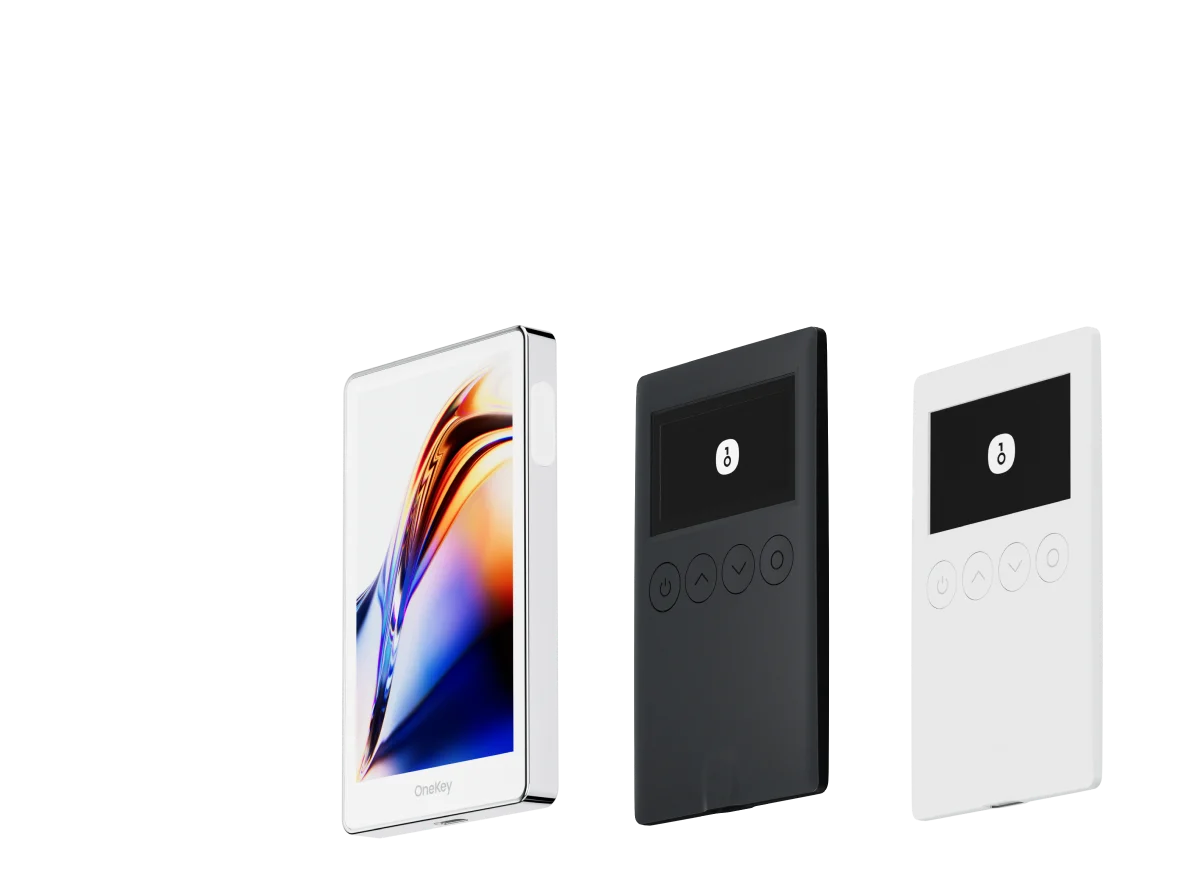
OneKey 硬件钱包可以作为此设置的基础,因为它将私钥与您联网设备隔离,并强制进行“设备端确认”,以完成关键操作——这正是您在与高风险 DeFi 交互时所需要的。
最重要的心态是:使用硬件钱包来保护密钥,然后通过严格的签名和授权习惯来保护授权。结合使用这两者,您将大大降低导致损失的最常见故障模式。