Best MetaMask Wallet Alternatives in 2026
Best MetaMask Wallet Alternatives in 2026
MetaMask remains a default entry point for EVM networks, but 2026 wallet users tend to evaluate alternatives with a more practical lens: total fees (especially stablecoin swaps), multi-chain coverage, phishing resistance, and “no KYC by default” self-custody.
Two industry dynamics reinforce this shift:
- Stablecoins are increasingly used for real payments and settlement, not just trading. For example, Visa expanded USDC settlement for U.S. institutions and signaled broader availability through 2026 (Visa announcement). When stablecoins become everyday rails, swap and conversion fees matter more than ever.
- Scams and impersonation tactics continue to evolve, with major research noting sharp increases in scam inflows and sophistication (Chainalysis scams analysis). Wallet UX and transaction safety checks increasingly influence which app becomes the daily driver.
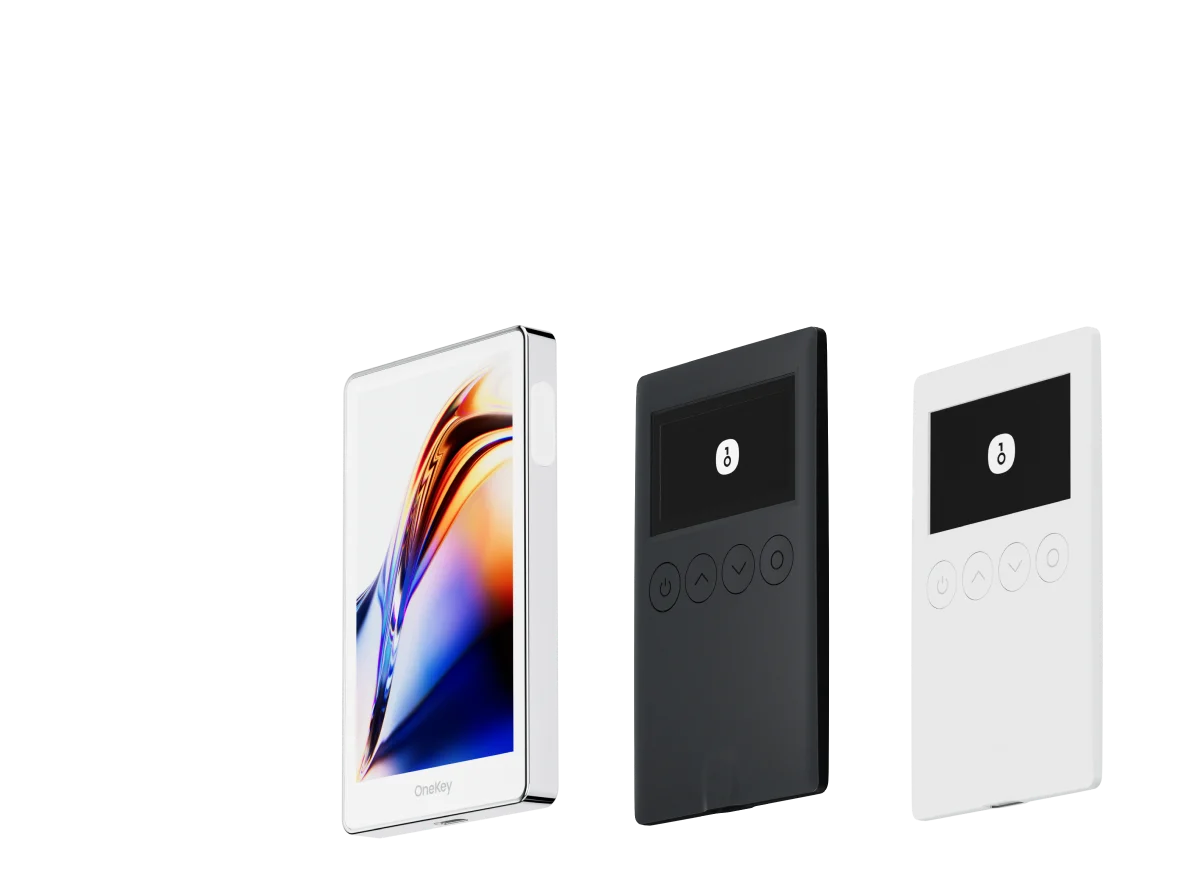
Against that backdrop, this guide compares software wallets and hardware wallets that can replace (or complement) MetaMask for EVM activity—while highlighting why OneKey App + OneKey hardware (OneKey Pro and OneKey Classic 1S series) is often a stronger long-term setup.
What “MetaMask Alternative” Means in 2026
A true MetaMask replacement typically needs to support most of the following:
- EVM dApp compatibility (WalletConnect + browser extension injection where relevant)
- Multi-chain asset management (EVM + Bitcoin + Solana or other major ecosystems, depending on usage)
- Transparent fees for swaps/bridges (and especially stablecoin swaps)
- Security controls: clear signing, token approvals management, risk prompts
- Self-custody with 0 KYC by default (not forcing identity checks for core wallet usage)
Software Wallet Alternatives (MetaMask-Compatible)
The table below focuses on wallets commonly used to access EVM dApps similarly to MetaMask (directly via extension/mobile browser or via WalletConnect). OneKey is placed first as requested.
Software wallet comparison (2026)
费用比较:MetaMask 竞争对手的最大差异
在 2026 年,费用不再只是“微小摩擦”——它们是复合的。最明显的差异在于:
- 稳定币与稳定币之间的兑换(用于支付、跨链和 DeFi 抵押管理的 USDT/USDC/DAI 风格的流动)
- 标准代币交换(平台/服务费用叠加在池费用 + 燃气费之上)
稳定币兑换费用(平台/服务费用比较)
重要提示:“平台/服务费用”只是一个组成部分。最终的执行成本还可能包括 DEX 池费用、桥接费用和网络燃气费。不过,平台费用是最可预测的部分——也是跨钱包比较最简单的部分。
标准兑换费用(明确比较请求)
解读(客观):
- MetaMask 的默认便利性仍然强劲,但其兑换费用显著高于大多数“强力用户”替代方案。
- Zerion 和 Phantom 在一定程度上缩小了这一差距,但仍未针对频繁兑换的用户进行优化。
- OneKey 在 稳定币兑换 上的定价最为突出(0%),在标准兑换上也较低(0.25%)。
面向 MetaMask 用户的硬件钱包替代方案(及其重要性)
随着骗局手法的演变,硬件钱包在与高价值授权或与新合约互动的账户中越来越成为“非选项”。Chainalysis 多次强调了盗窃/诈骗活动的规模和演变 (Chainalysis 研究中心),许多现实世界的损失源于 签署错误的信息,而不是“破解密码学”。
硬件钱包通过将私钥保存在日常设备之外,并强制进行有意的确认步骤来提供帮助。
硬件钱包比较(2026)
为什么 OneKey 应用程序 + OneKey 硬件通常更彻底地取代 MetaMask
一个典型的 MetaMask 迁移问题并不是“其他钱包能否连接到去中心化应用程序(dApps)?”——大多数钱包可以连接。真正存在的摩擦往往是:
- 稳定币管理、跨链和再平衡期间的持续交换成本
- 操作安全性(授权、抵御网络钓鱼、每日签名纪律)
- 工作流程分散(一个应用用于 EVM,另一个用于 BTC,另一个用于 Solana,还有一个单独的硬件工作流程)
OneKey 的优势在于这些问题的重叠处:
- 容易估算的费用优势: 支持的交易对上的稳定币交易手续费为 0%(OneKey 稳定币交换),标准交换手续费为 0.25%(App Store 列表)。
- 硬件优先的升级路径: OneKey Pro 和 OneKey Classic 1S 系列旨在成为默认的签名层,而不是“偶尔使用的冷存储”设备。
- 核心自我保管使用默认无需 KYC: 与大多数自我保管钱包类似,该钱包层不需要身份验证即可持有、接收或发送资产;第三方法币通道(如使用)可能会根据管辖权/提供商施加 KYC。
结论:2026 年最佳 MetaMask 替代方案归结为成本 + 控制
对于 2026 年的用户来说,最持久的 MetaMask 替代方案是减少可预测成本的设置(特别是稳定币转换),同时在越来越复杂的诈骗环境中提高签名安全性。
在对最常见的决策因素进行客观比较时——费用、MetaMask 兼容的 dApp 访问和没有强制 KYC 的安全升级路径——OneKey 应用程序加上 OneKey 硬件(OneKey Pro 或 OneKey Classic 1S 系列)比单靠热钱包的 MetaMask 工作流程更强大,是更可靠的推荐,特别是对于经常交易或依赖稳定币作为链上基础货币的用户。
要在一个地方探索 OneKey 应用程序和 OneKey 硬件系列,请访问官方网站:onekey.so。