Upbit to List KAIA Trading Pairs Against KRW, BTC, and USDT
Upbit to List KAIA Trading Pairs Against KRW, BTC, and USDT
Upbit is set to add support for KAIA spot trading pairs against the Korean won, Bitcoin, and Tether, expanding access to the Kaia ecosystem for one of the most active retail crypto markets in Asia. The move is notable not only because Upbit remains a key liquidity venue in South Korea, but also because multi-pair listings can materially change how traders discover, price, and move in and out of an asset.
According to Upbit’s official notice section, the exchange will open KAIA markets for KRW, BTC, and USDT trading. Users should still check the exchange’s latest deposit, withdrawal, and trading schedule before taking action, as listing timelines, network requirements, and order restrictions can vary around launch windows.
Why the KAIA Listing Matters
KAIA is the native asset of Kaia, a Layer 1 blockchain developed from the combination of the Klaytn and Finschia ecosystems. The project aims to support consumer-facing Web3 applications, payments, gaming, and digital asset services with a focus on Asia-based adoption. More information about the network can be found on the official Kaia website.
For crypto markets, an Upbit listing often matters because South Korea has historically played an outsized role in spot trading activity. A KRW pair can introduce direct fiat access, while BTC and USDT pairs may improve cross-market liquidity and give traders more flexible entry and exit routes.
The three-pair structure is especially important:
- KAIA/KRW gives local users direct access through the Korean won market.
- KAIA/BTC allows traders to price KAIA relative to Bitcoin, still the main benchmark asset in crypto.
- KAIA/USDT provides a stablecoin-denominated market, useful for global pricing and arbitrage.
Liquidity, Price Discovery, and Volatility
New exchange listings can increase visibility, but they can also bring short-term volatility. During the first hours of trading, order books may be thinner than expected, spreads can widen, and prices can move sharply as market makers, retail traders, and arbitrage bots react to the new venue.
For KAIA, the addition of KRW, BTC, and USDT markets may improve price discovery by connecting different liquidity pools. However, users should avoid assuming that a listing alone guarantees sustained demand. In crypto, exchange access is only one part of a larger valuation framework that includes network usage, developer activity, token economics, and ecosystem growth.
Traders should also be aware of the “listing effect,” where an asset may rally ahead of or shortly after a major exchange announcement before entering a correction phase. This pattern is common across digital assets and is one reason risk management remains essential.
What Users Should Check Before Trading KAIA
Before depositing or trading KAIA on Upbit, users should verify several details directly through official exchange channels:
-
Supported network
Sending assets through the wrong network can result in permanent loss. Always confirm the exact deposit network supported by Upbit. -
Deposit and withdrawal timing
Exchanges may open deposits before trading and enable withdrawals later. Do not assume all functions are available at the same time. -
Initial trading restrictions
Some exchanges apply temporary order limits, price bands, or market order restrictions during launch periods. -
Token contract or chain details
Users interacting with DeFi or self-custody wallets should confirm asset identifiers through official Kaia documentation, not social media posts. -
Market depth
Early liquidity can be uneven across KRW, BTC, and USDT pairs. Larger orders may experience slippage.
South Korea’s Role in the 2025 Crypto Market
South Korea remains one of the most important digital asset markets in the world, with strong retail participation and growing regulatory oversight. In 2025, the broader crypto industry is increasingly shaped by three themes: regulated exchange access, real-world blockchain adoption, and safer self-custody practices.
Major centralized exchanges continue to serve as important gateways for liquidity, but users are also paying closer attention to asset security. Exchange accounts are convenient for trading, yet long-term holders often prefer to move assets into self-custody once trading activity is complete. This is especially relevant when a listing drives heightened attention and phishing attempts targeting new token holders.
Regulatory developments also matter. Users trading in South Korea should stay informed about local virtual asset rules and exchange compliance standards. For broader market context, global readers can follow updates from organizations such as the Financial Stability Board, which monitors crypto-asset policy developments across jurisdictions.
Security Considerations Around New Listings
New listings frequently attract scammers. Fake airdrops, counterfeit wallet apps, impersonation accounts, and malicious token links often appear around high-visibility market events. Users should be cautious of any message claiming to offer “early access,” “bonus KAIA,” or “special deposit rewards” unless it appears on an official channel.
Basic security practices include:
- Bookmarking official exchange and project websites.
- Avoiding links shared in unsolicited direct messages.
- Verifying deposit addresses before every transfer.
- Using strong two-factor authentication for exchange accounts.
- Keeping long-term holdings away from unnecessary online exposure.
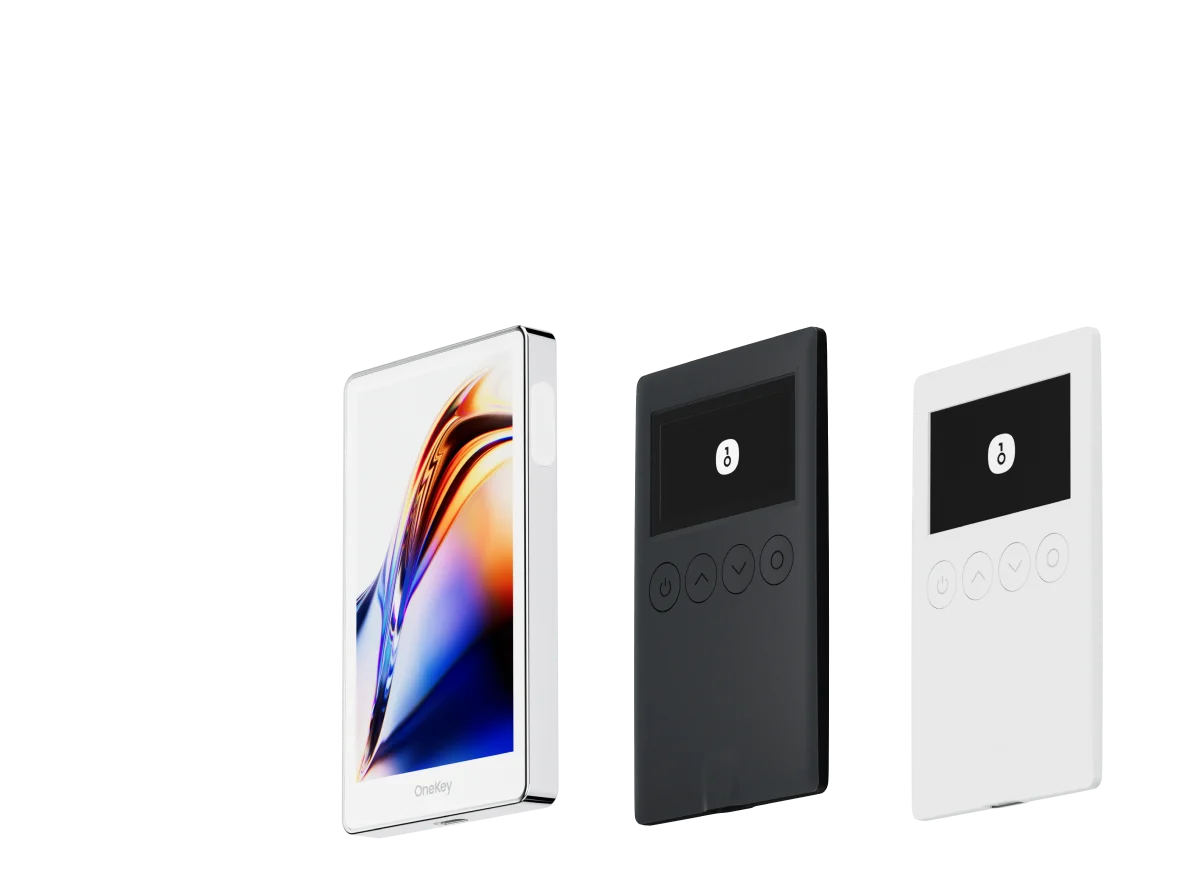
For users who plan to hold KAIA or other digital assets beyond short-term trading, self-custody can reduce reliance on exchange account security. A hardware wallet such as OneKey helps keep private keys offline, supports transparent transaction verification, and gives users greater control over their assets. As always, users should confirm asset and network compatibility before transferring funds.
Final Thoughts
Upbit’s addition of KAIA trading pairs against KRW, BTC, and USDT is a meaningful market access event for the Kaia ecosystem. The listing may improve liquidity, expand regional visibility, and create new trading routes for users who follow Asia-focused blockchain projects.
At the same time, traders should approach the launch with discipline. New listings can be exciting, but volatility, network mistakes, and phishing risks are common. Whether using a centralized exchange for liquidity or a hardware wallet for long-term storage, the key is the same: verify information, manage risk, and keep control of your assets.