La billetera General Impressions te ayuda a almacenar, enviar y recibir activos digitales con facilidad. Puedes realizar transacciones de tokens entre cadenas en cualquier momento, explorar mercados de NFT y dApps, y descubrir más oportunidades. Como una billetera integrada para el ecosistema de General Impressions, te ofrece una experiencia en cadena segura.

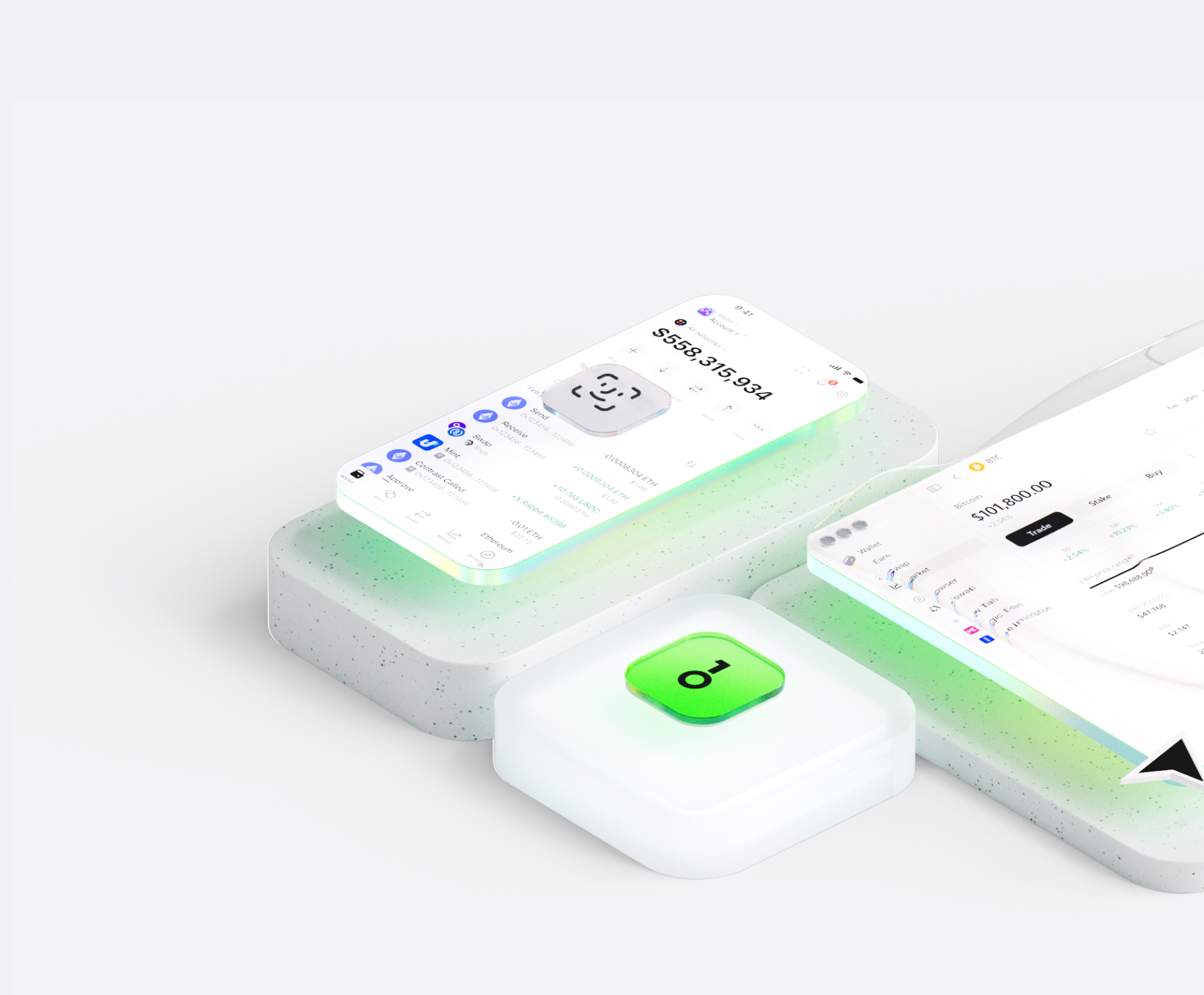


Por qué elegir las carteras General Impressions de OneKey
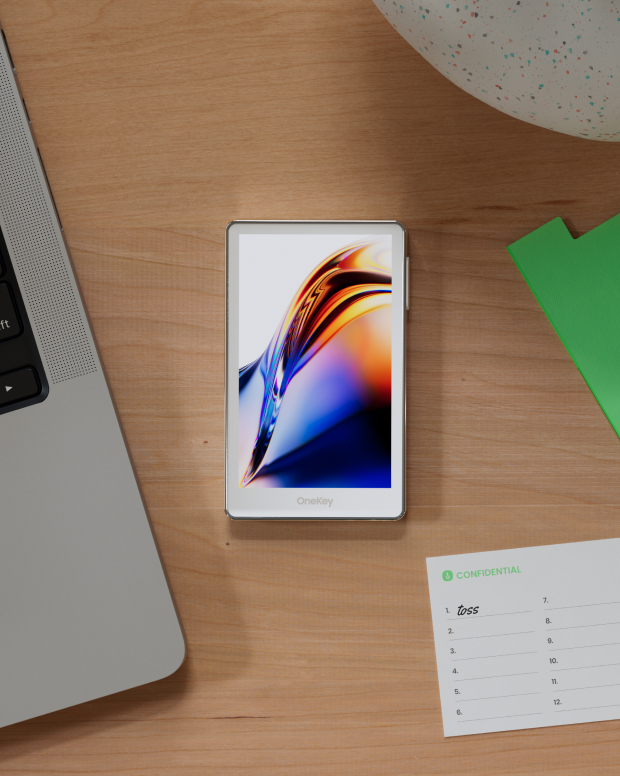
Toma el control de la seguridad que te pertenece
No se requiere verificación de nombre real. No recopilamos ni rastreamos datos de usuario. Tu billetera es solo tuya.
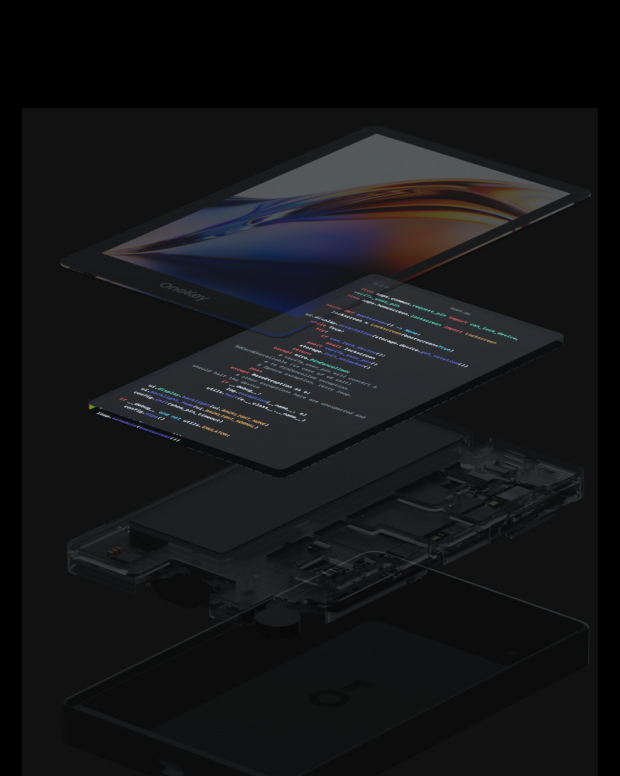
100% de código abierto y transparente
General Impressions Wallet es una billetera de código abierto; cada línea de código puede ser auditada y verificada por expertos en seguridad. La seguridad no se basa en promesas, sino en transparencia.
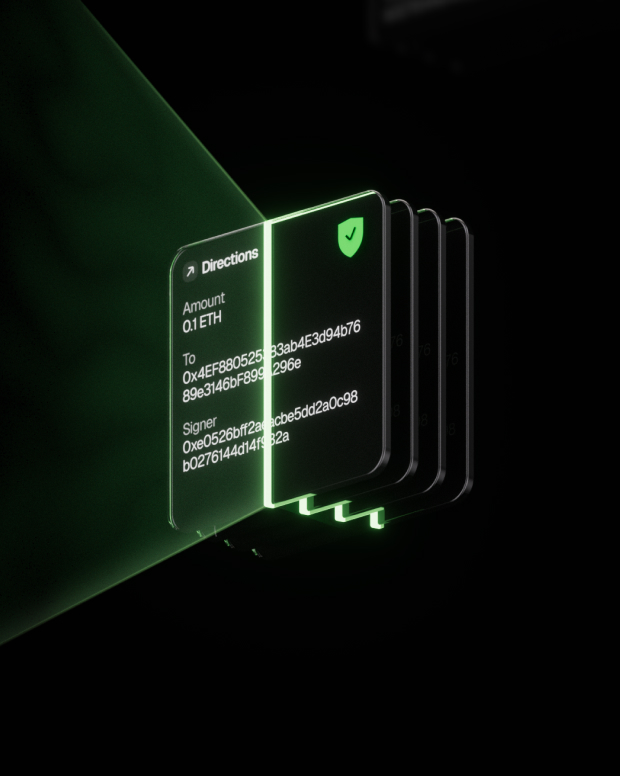
Protección inteligente de riesgos
La protección antiphishing de dApp incorporada y las funciones de plegado de tokens sospechosos detectan automáticamente contratos riesgosos para evitar aprobaciones maliciosas o robo de activos.

Soporte global
Brindamos soporte al cliente multilingüe las 24 horas, los 7 días de la semana para resolver sus problemas en cualquier momento.

Preguntas frecuentes
Qué es General Impressions?
General Impressions (GI) is a decentralized execution framework designed to support the emergence of Agentic AI—systems composed of autonomous software agents that can persist over time, coordinate with other agents, and adapt their behavior as they learn. Unlike traditional AI tools such as Manus, which executes discrete tasks without memory, or n8n, which automates workflows through static rule-based logic, GI provides a fully programmable runtime for long-lived, composable, and self-evolving agents. It does this through Glint, an open-source engine written in Rust, where agents are not stateless scripts but autonomous processes capable of maintaining state onchain, coordinating with other agents via native protocols, and dynamically updating their logic mid-execution. This enables a new kind of software behavior: not one-off responses, but ongoing loops of perception, memory, reasoning, and action—functionally similar to operating systems for agents.
Rust plays a central role in GI’s design. The language’s memory safety guarantees, concurrency model, and strict lifecycle control provide the stability and performance necessary for running agents over long time horizons. GI’s architecture embraces modularity at its core: agent logic is structured as a graph, where nodes represent functional modules and edges encode control and data flows. These modules are designed to be reused and recombined, allowing developers to build complex systems from simple, interoperable components. This makes GI fundamentally different from orchestration frameworks like LangChain or AutoGen, which focus on chaining prompts or managing tools, but lack persistence, runtime coordination, or any notion of lifecycle-aware agents.
What distinguishes GI is its ability to solve the “agentic trilemma”—the challenge of building agents that are at once flexible, general-purpose, and reusable. In legacy systems, agents either reset between runs (as with Manus), or rely on external, human-managed logic (as with n8n). In GI, agents can learn and change, coordinate natively, and persist their knowledge across context switches. These capabilities are not theoretical; GI has validated them in production through its Telegram Swarm, a network of agents operating across over 330,000 Telegram groups. These agents continuously scan messages, classify sentiment, track influencer dynamics, and autonomously take actions such as posting or triggering downstream systems—demonstrating the scalability and effectiveness of GI’s runtime.
More broadly, GI addresses a critical missing layer in the AI and crypto ecosystem. While many current projects focus on agent frontends, tooling layers, or token marketplaces, GI focuses on execution—the substrate on which all agent behavior runs. Just as Ethereum became the default environment for decentralized applications by solving composable, trustless execution for contracts, GI aspires to be the default runtime for autonomous agents. It is designed for a world in which software agents will increasingly operate without constant human supervision—researching, trading, moderating, governing, and negotiating in dynamic environments. In that world, the ability to persist, coordinate, and evolve will no longer be optional; it will be foundational. GI is building the infrastructure for that world.
¿Cuál es la mejor billetera General Impressions?
Cómo conseguir una General Impressions ¿billetera?
Cómo usar la billetera General Impressions
Suscríbete a nuestro boletín
Suscríbase a los boletines de OneKey para recibir las últimas novedades y ofertas de productos.