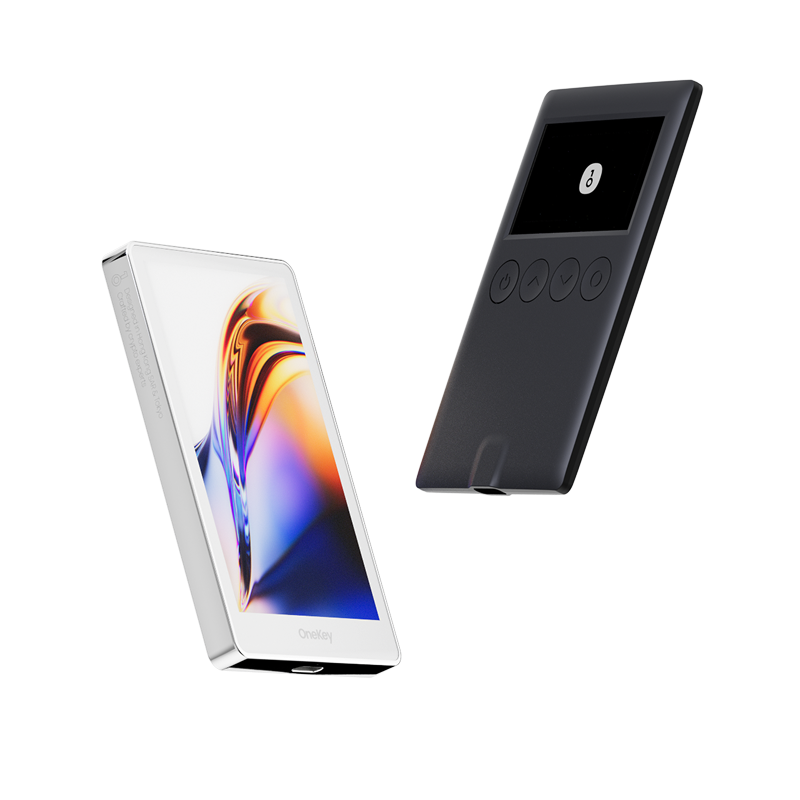
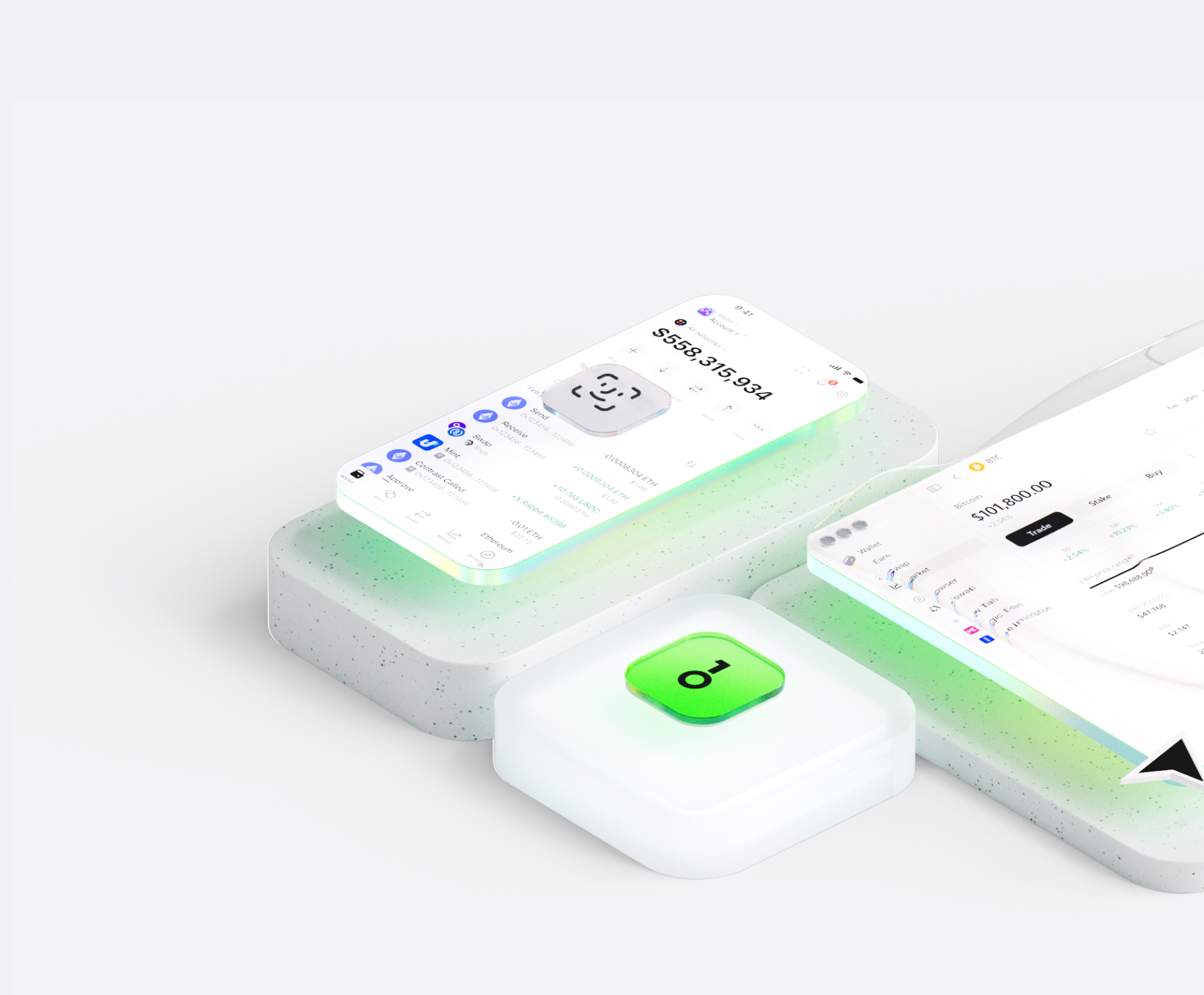
La billetera Lagrange te ayuda a almacenar, enviar y recibir activos digitales con facilidad. Puedes realizar transacciones de tokens entre cadenas en cualquier momento, explorar mercados de NFT y dApps, y descubrir más oportunidades. Como una billetera integrada para el ecosistema de Lagrange, te ofrece una experiencia en cadena segura.


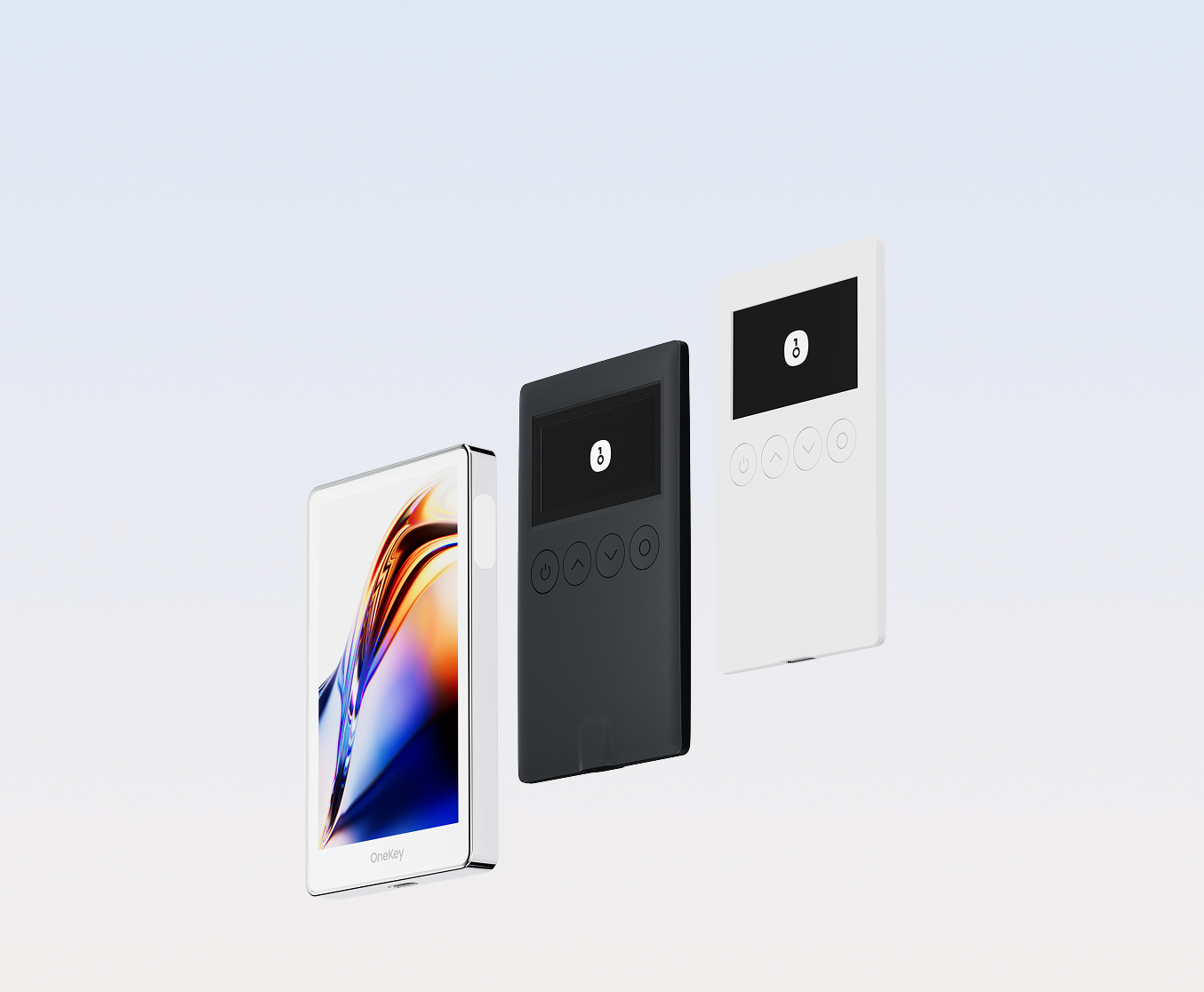
Por qué elegir las carteras Lagrange de OneKey
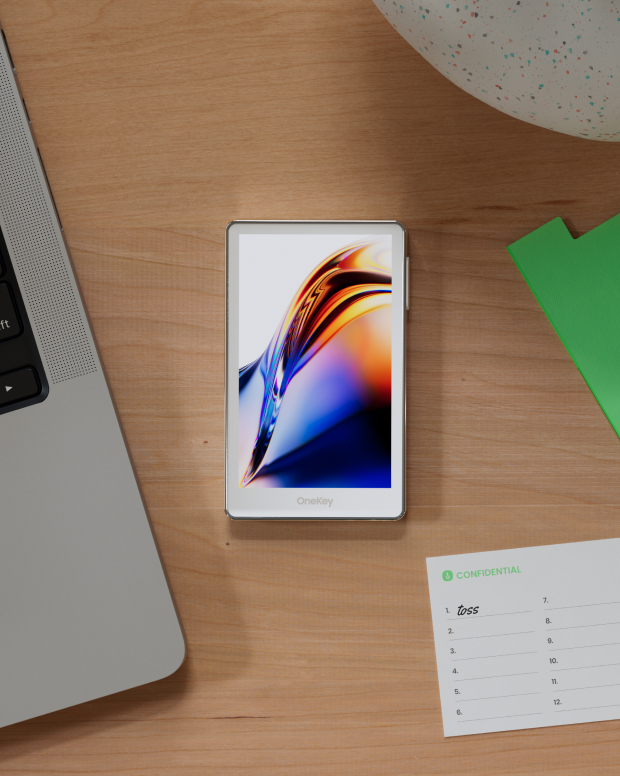
Toma el control de la seguridad que te pertenece
No se requiere verificación de nombre real. No recopilamos ni rastreamos datos de usuario. Tu billetera es solo tuya.
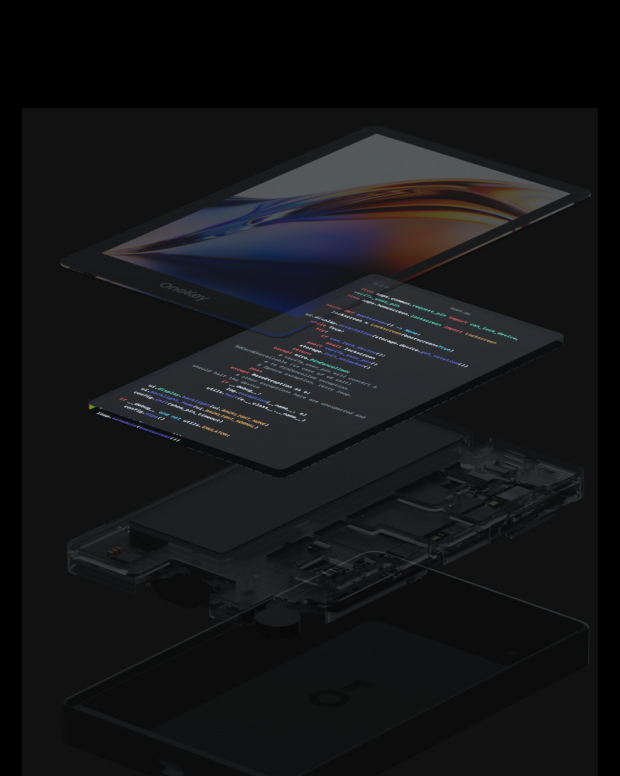
100% de código abierto y transparente
Lagrange Wallet es una billetera de código abierto; cada línea de código puede ser auditada y verificada por expertos en seguridad. La seguridad no se basa en promesas, sino en transparencia.
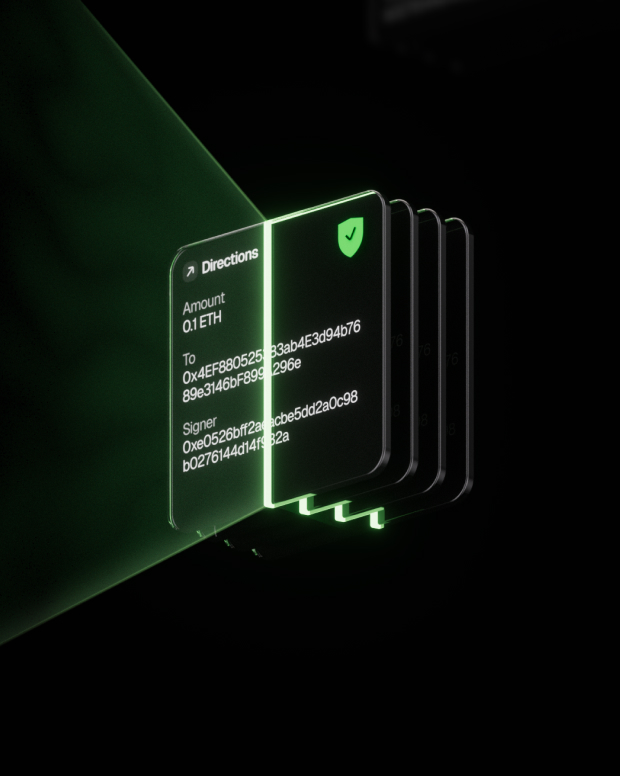
Protección inteligente de riesgos
La protección antiphishing de dApp incorporada y las funciones de plegado de tokens sospechosos detectan automáticamente contratos riesgosos para evitar aprobaciones maliciosas o robo de activos.

Soporte global
Brindamos soporte al cliente multilingüe las 24 horas, los 7 días de la semana para resolver sus problemas en cualquier momento.

Preguntas frecuentes
Qué es Lagrange?
Today, Lagrange has expanded its ZK Prover Network to power proof generation for ZK rollups, adding onto Lagrange’s existing ZK Coprocessor and State Committee offerings. With this new addition, Lagrange now unlocks proofs for anything – for rollups, apps, coprocessors and interoperability – as an infinite proving layer that enables anyone to prove everything at internet scale. Previously, Lagrange launched the first production-ready ZK prover network in the industry, operated by top operators including Coinbase, Kraken, OKX and more. Now, Lagrange’s ZK Prover Network is expanding to address key challenges faced by rollups and advance ZK adoption and utility.
The ZK Coprocessor can generate a proof of correct computation over arbitrary storage slots for arbitrary block ranges. For example, consider an application that wishes to compute the average on Ethereum for ETH / USDC pricing. A developer must first specify the memory slots and block range (~50,400) that they are interested in including in the data set. Next the developer writes the computations that is to be executed across the storage slots over the different blocks in parallel. Once the proof is generated, it will prove both the storage inclusion and the aggregated computation as valid with respect to a block header derived from smart contract information.
¿Cuál es la mejor billetera Lagrange?
Cómo conseguir una Lagrange ¿billetera?
Cómo usar la billetera Lagrange
Suscríbete a nuestro boletín
Suscríbase a los boletines de OneKey para recibir las últimas novedades y ofertas de productos.