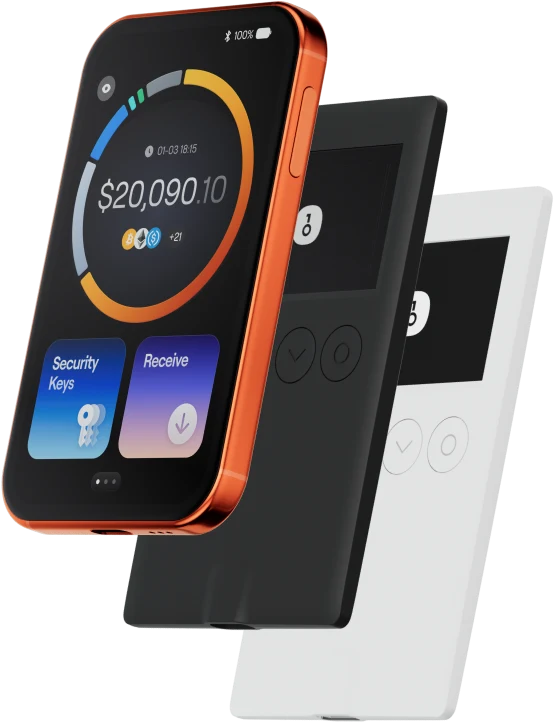
La billetera Victoria VR te ayuda a almacenar, enviar y recibir activos digitales con facilidad. Puedes realizar transacciones de tokens entre cadenas en cualquier momento, explorar mercados de NFT y dApps, y descubrir más oportunidades. Como una billetera integrada para el ecosistema de Victoria VR, te ofrece una experiencia en cadena segura.
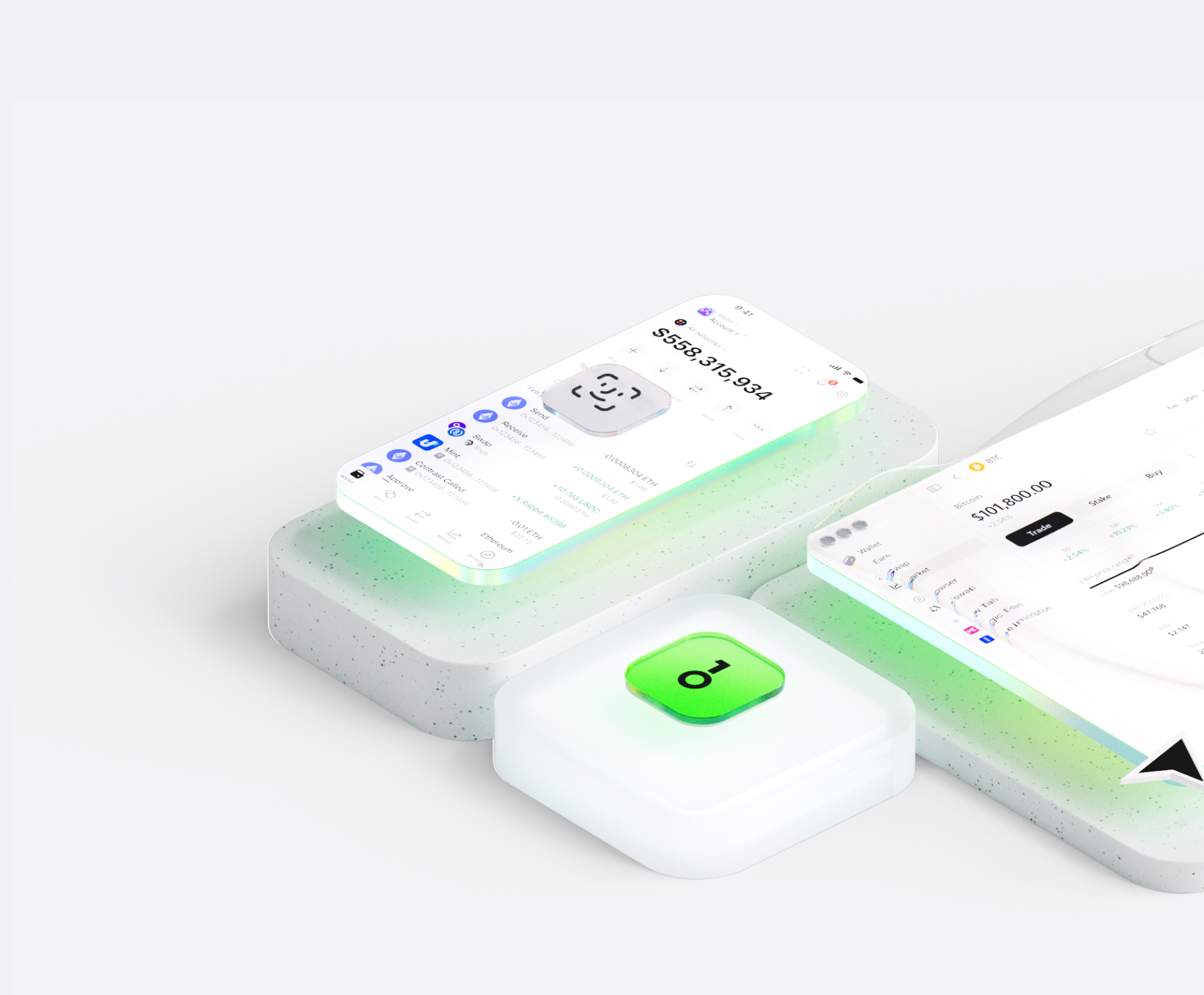
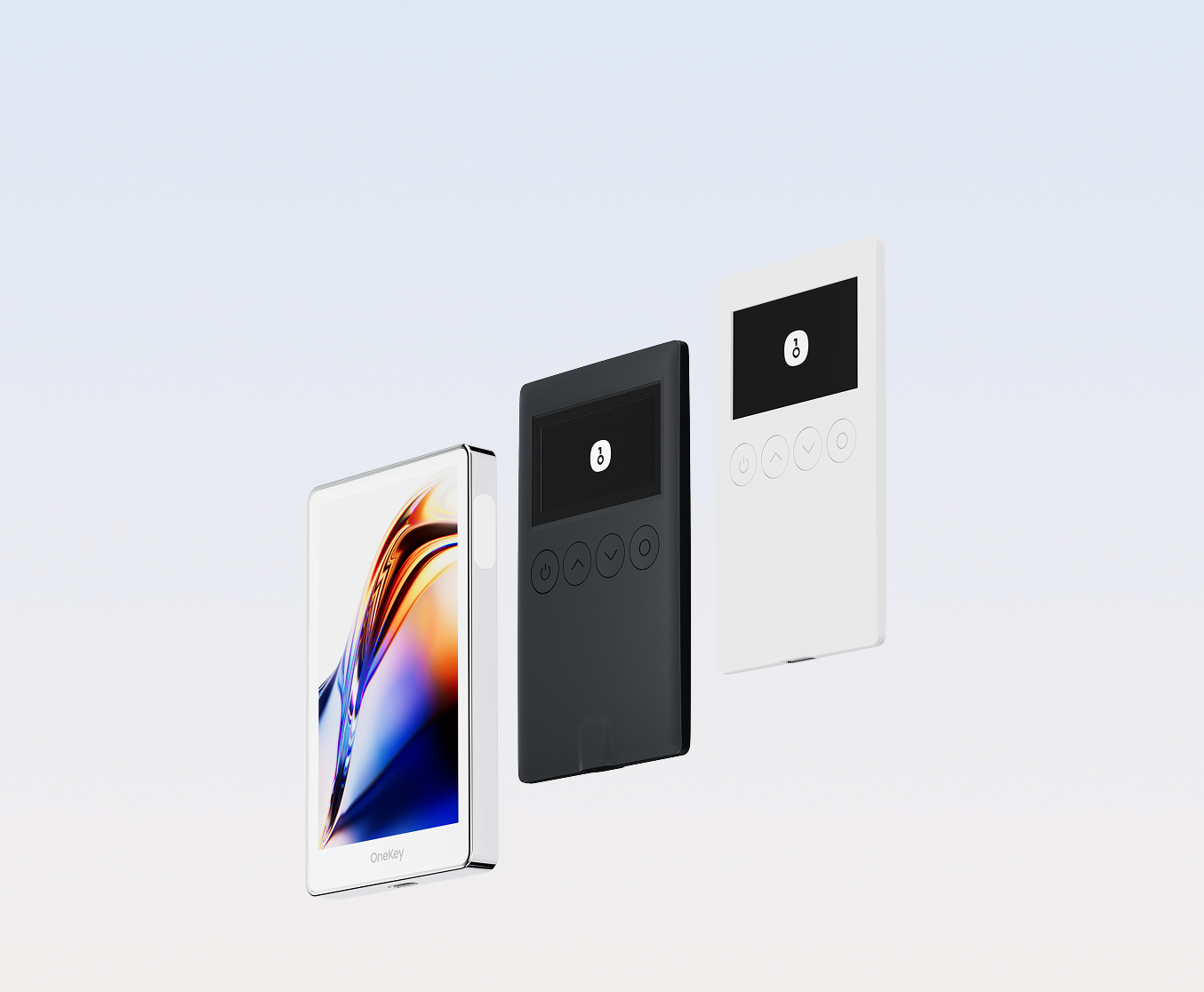
Por qué elegir las carteras Victoria VR de OneKey
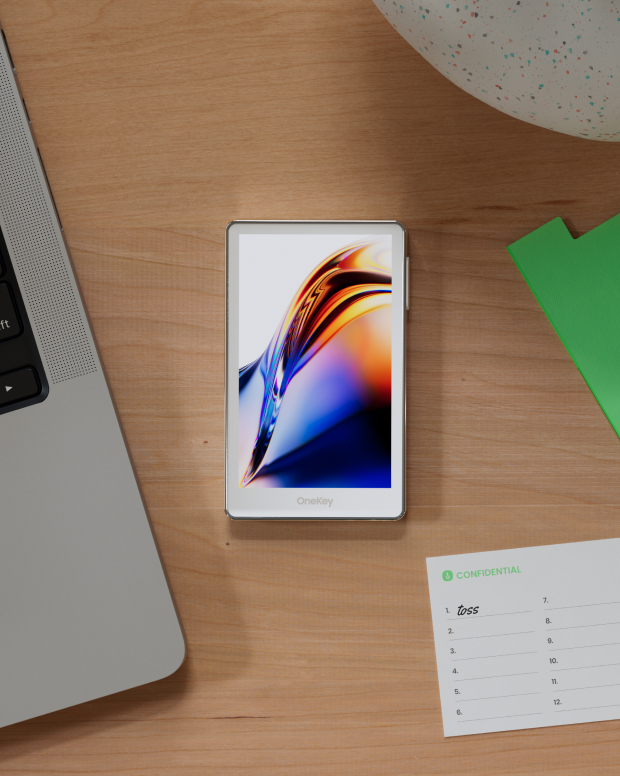
Toma el control de la seguridad que te pertenece
No se requiere verificación de nombre real. No recopilamos ni rastreamos datos de usuario. Tu billetera es solo tuya.
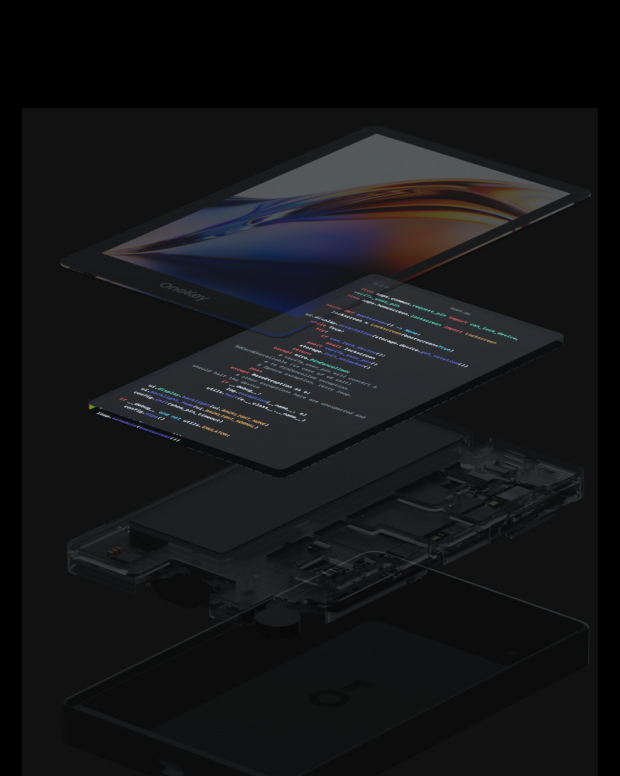
100% de código abierto y transparente
Victoria VR Wallet es una billetera de código abierto; cada línea de código puede ser auditada y verificada por expertos en seguridad. La seguridad no se basa en promesas, sino en transparencia.
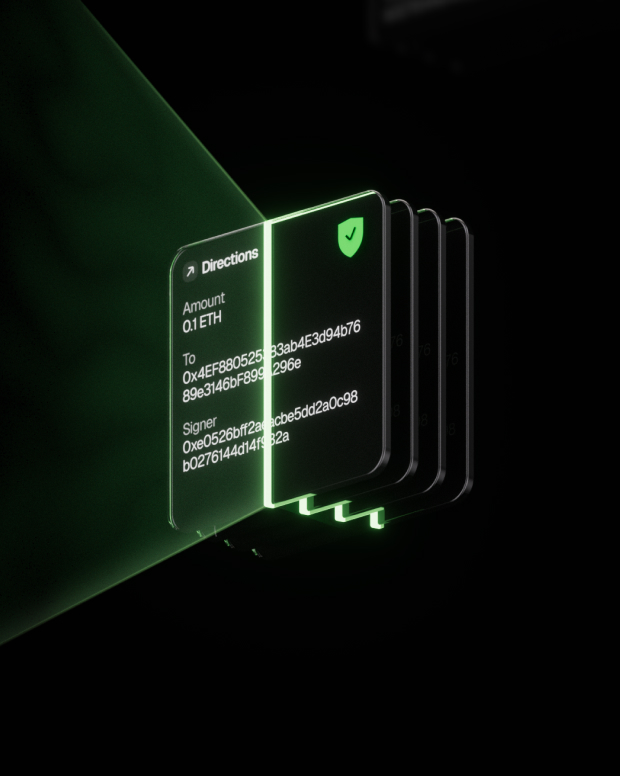
Protección inteligente de riesgos
La protección antiphishing de dApp incorporada y las funciones de plegado de tokens sospechosos detectan automáticamente contratos riesgosos para evitar aprobaciones maliciosas o robo de activos.

Soporte global
Brindamos soporte al cliente multilingüe las 24 horas, los 7 días de la semana para resolver sus problemas en cualquier momento.
Preguntas frecuentes
Victoria VR: Plataforma de IA de código abierto para el Internet 3D
Victoria VR es una plataforma de IA de código abierto que transforma prompts de lenguaje natural en contenido 3D y aplicaciones de próxima generación. Proporciona un entorno full-stack para crear, publicar y operar experiencias espaciales inmersivas en escritorio, VR y móvil — formando una capa base de Operating Reality y el Internet Inmersivo.
Sectores clave y aplicaciones
• AI Platform & Infrastructure: Plataforma de IA e infraestructura: plataforma prompt-to-3D con nube híbrida + colaboradores descentralizados
• Generative AI: Modelos espaciales convierten texto en assets, mundos y lógica.
• AI Robotics & Agentic AI: Agentes autónomos que usan herramientas con planificación y memoria para ejecutar tareas de múltiples pasos
• AI-Powered Avatars: NPCs/assistants listos para voz y autosuficientes en todos los dispositivos como personajes 3D totalmente rigged con movimiento espacial real (navegación, gestos, lip-sync).
• Spatial Computing: Runtime de producción para física, networking, identidad, despliegue y analíticas en VR, móvil y escritorio.
• Enterprise Applications: Twins sin código, configuradores, tiendas virtuales y showrooms.
• Education & Training: Módulos sin código para simulaciones, aprendizaje y formación laboral.
• Gaming: Construcción de juegos y experiencias, avatares con IA y publicación multiplataforma.
• AI Infrastructure: Orquestación de IA multi-modelo para datos de texto, imagen y 3D.
• Generative AI: Creación basada en prompts de entornos, assets y lógica.
• AI Robotics & Agentic AI: Avatares autónomos que funcionan como empleados digitales.
• Spatial Computing: Herramientas multiplataforma que habilitan aplicaciones interactivas en tiempo real.
• Education & Training: Módulos sin código para simulaciones, aprendizaje y formación laboral.
• Enterprise Applications: Colaboración, visualización de datos y copilotos de IA para operaciones.
• AI-Powered Avatars: Asistentes desplegables en retail, salud y servicios digitales.
Componentes centrales de la plataforma
• VR AI Builder – motor de creación zero-code (prompt-to-assets/logic/worlds). Los usuarios pueden crear mapas, juegos, módulos de entrenamiento y automatizaciones empresariales. Publicación NFTs con land-gating a VR/mobile/desktop; suscripciones + integraciones de marketplace.
• AI Hub – capa de orquestación escalable que integra múltiples modelos de IA (texto, imagen, 3D). Impulsa pipelines prompt-to-world, prompt-to-texture y prompt-to-3D object, y ofrece una fábrica de agentes no-code (persona, herramientas, memoria, conocimiento).
• AI Avatars (agents) – “AI employees” autónomos con memoria, personalidad, uso de herramientas y conversación multilingüe. Implementables en educación, retail, salud, operaciones y colaboración.
• AI Verse — La capa runtime y económica en red para mundos y agentes. Funciona sobre una nube de producción híbrida + participación descentralizada, ofrece identidad y acceso (perfiles, land-gating), pagos y recompensas por participación, telemetría/analíticas, moderación/compliance y catálogos de activos/modelos/datasets con interoperabilidad y SDKs/APIs para creadores y empresas.
• Magic Madness – juego PvP insignia de onboarding (Steam) usado como embudo de crecimiento (torneos, esports, cosméticos) dentro de la economía Builder/Agents/NFTs Land.
Audiencias objetivo
• Creadores independientes & estudios – creación de contenido sin código.
• Marcas & retail – escaparates virtuales, servicio al cliente con IA.
• Proveedores de educación & capacitación – simulaciones y tutores de IA.
• Empresas – copilotos de IA, entornos de colaboración y salas de datos espaciales.
• Usuarios generales – aplicaciones inmersivas con experiencias de onboarding integradas.
Por qué importa
• El tiempo de creación se reduce: los ciclos de creación pasan de semanas a horas.
• Accesibilidad: herramientas no-code y acceso multiplataforma reducen las barreras de entrada.
• Economía con utilidad: el token $VR sustenta transacciones, suscripciones y recompensas.
• Sostenibilidad: el diseño orientado a la utilidad reemplaza modelos especulativos.
• Alineación con el mercado: posicionada en infraestructura de IA, computación espacial y agentic AI—sectores pronosticados para superar $1 trillion en la próxima década
La mejor billetera Victoria VR debe equilibrar tanto la seguridad como la facilidad de uso. Con una billetera Victoria VR, no solo puede almacenar y administrar de forma segura (nombre del token), sino también realizar libremente transacciones entre cadenas, participar en protocolos DeFi e interactuar con DApps. La billetera Victoria VR ofrece seguimiento de transacciones en tiempo real, mecanismos de seguridad transparentes y de código abierto, y una experiencia fluida en la red Victoria VR, lo que le brinda un control total sobre sus criptoactivos.
1. Descargar la billetera: Visita el sitio web oficial de OneKey y descarga la app de OneKey para macOS, Windows, iOS o Android.
Crear la billetera: Abre la app y selecciona "Crear nueva billetera" o "Conectar billetera de hardware".
Copia de seguridad de la billetera: Anota la frase de recuperación de forma segura y guárdala sin conexión. Nunca subimos ni guardamos tu frase de recuperación.
Depositar Victoria VR: Copia la dirección de la billetera y transfiere Victoria VR desde un intercambio u otra billetera.
Todas las claves privadas se generan y almacenan sin conexión en el dispositivo, lo que le brinda control total sobre sus activos.
1. Enviar Victoria VR: introduce la dirección de Victoria VR y el monto, y confirma la firma en la app. La transacción se transmitirá a la blockchain inmediatamente después.
2. Recibir Victoria VR: haz clic en «Recibir» para obtener la dirección de la billetera, compártela con quien te envía y podrás ver el saldo en tiempo real en la app en cuanto recibas los tokens.
3. Gestionar activos: consulta el historial de transacciones, accede a protocolos DeFi o realiza operaciones entre cadenas en la billetera de Victoria VR, todo en una sola app.
Suscríbete a nuestro boletín
Suscríbase a los boletines de OneKey para recibir las últimas novedades y ofertas de productos.