Le portefeuille Kernel vous aide à stocker, envoyer et recevoir facilement des actifs numériques. Vous pouvez effectuer des transactions de jetons inter-chaînes à tout moment, explorer les marchés NFT et les dApps, et découvrir davantage d'opportunités. Portefeuille intégré pour l'écosystème Kernel, il vous offre une expérience sécurisée sur la blockchain.

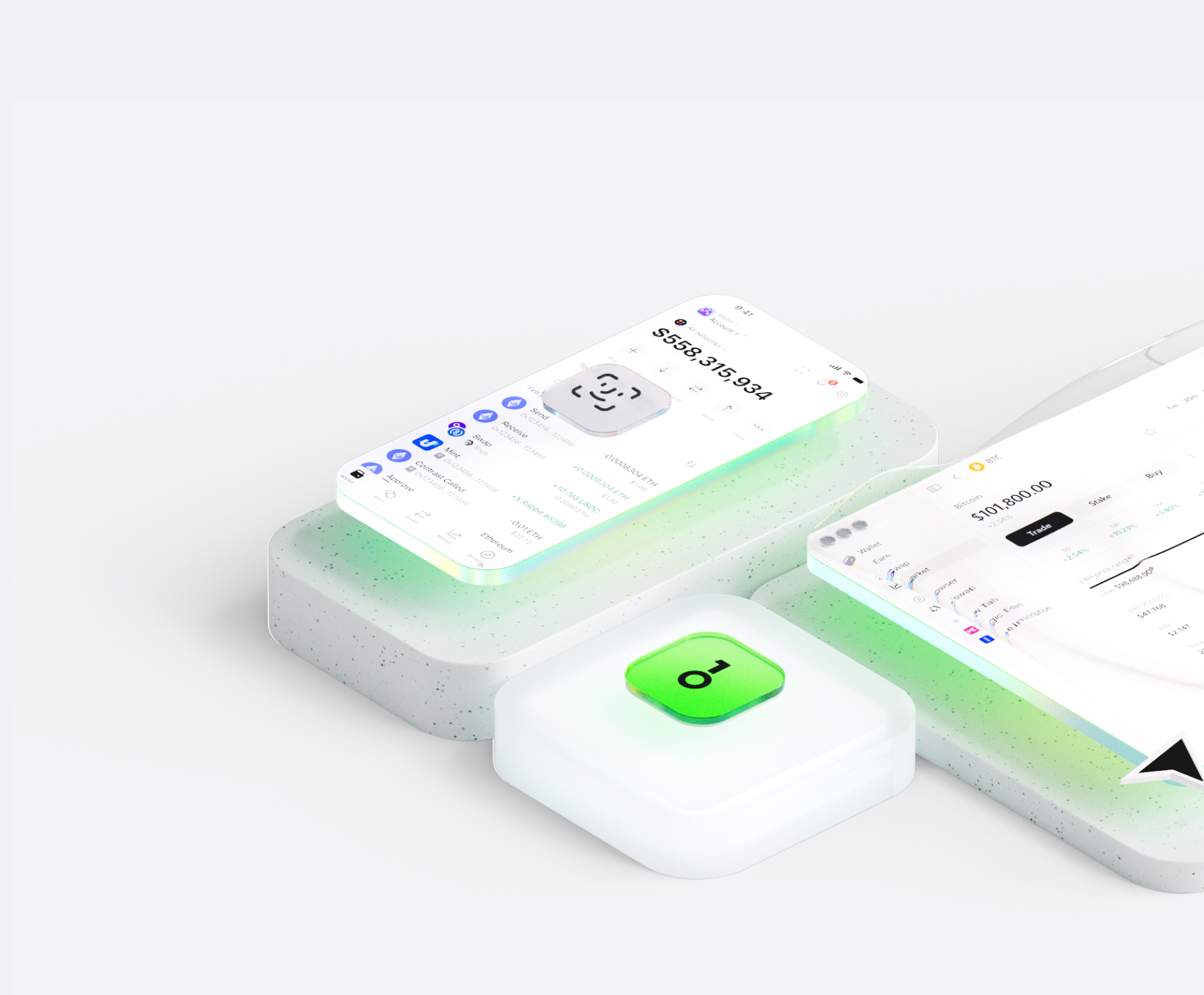

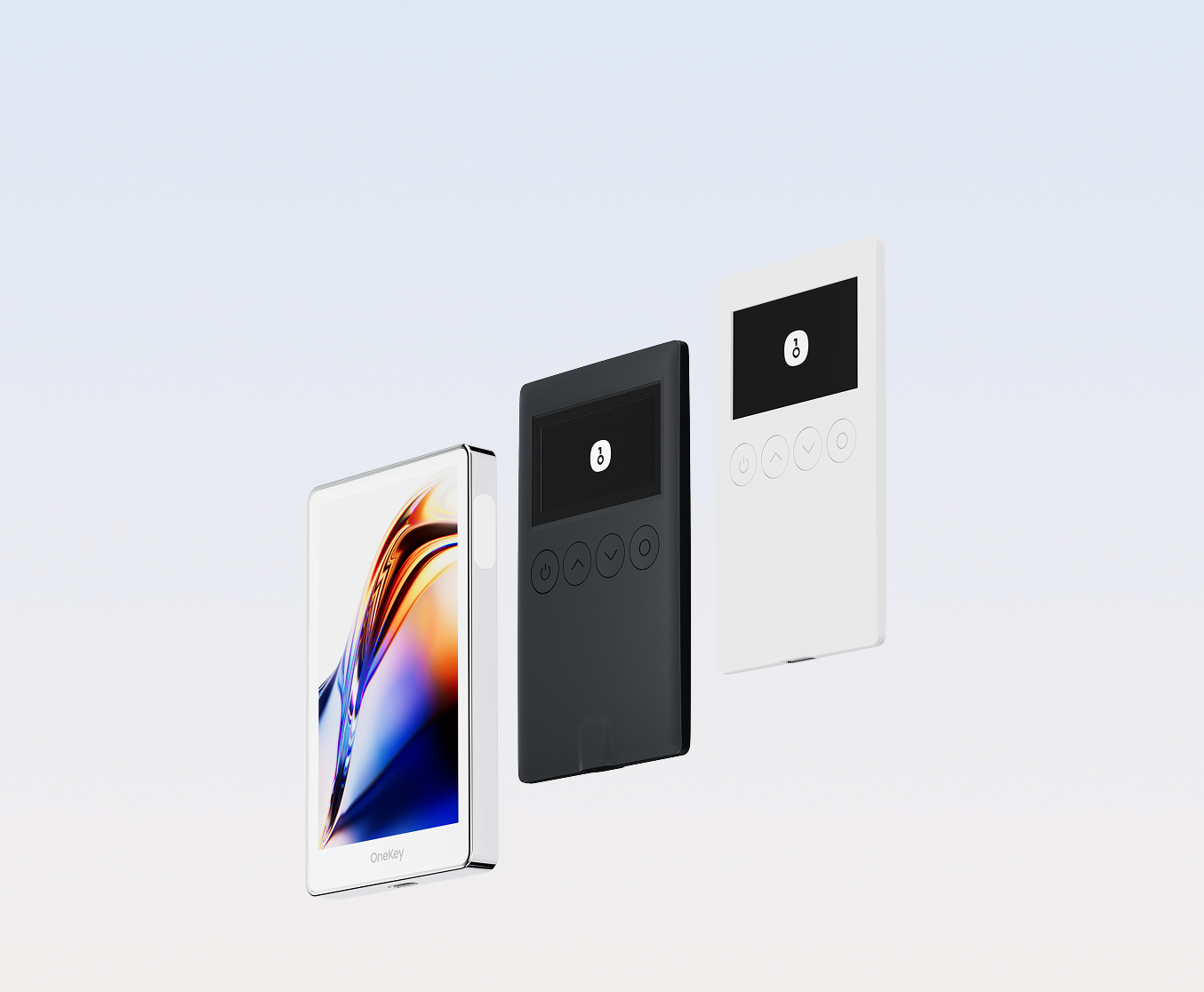
Pourquoi choisir les portefeuilles Kernel avec OneKey
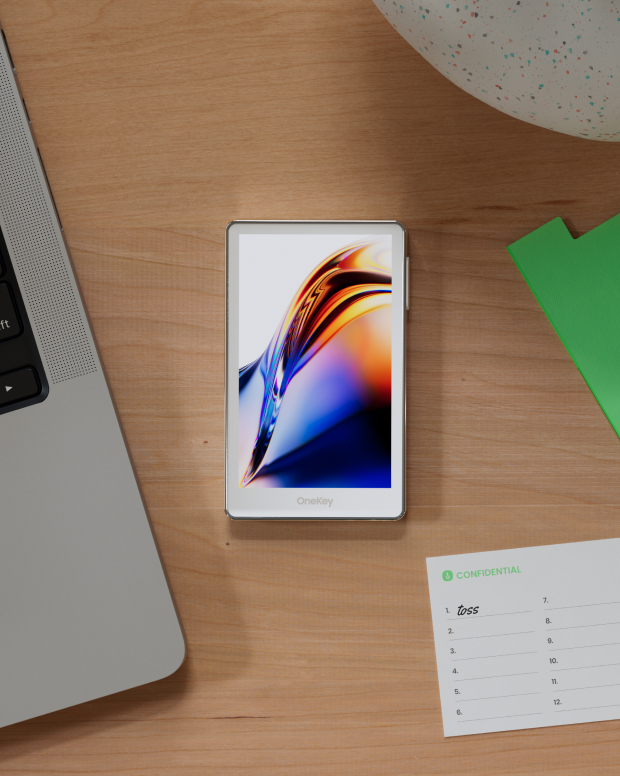
Prenez le contrôle de votre sécurité.
Aucune vérification d'identité n'est requise. Nous ne collectons ni ne suivons aucune donnée utilisateur. Votre portefeuille vous appartient exclusivement.
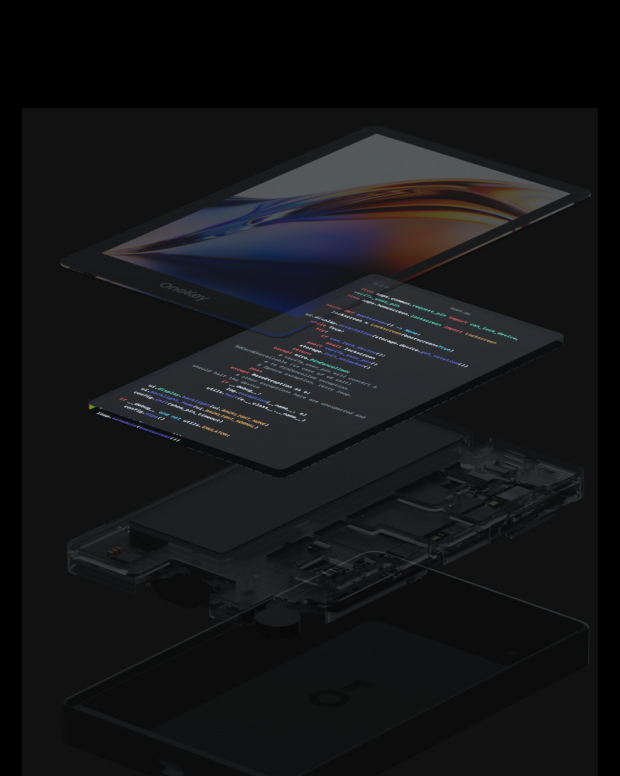
100 % open source et transparent
Kernel Ce portefeuille est entièrement open source ; chaque ligne de code peut être auditée et vérifiée par des experts en sécurité. La sécurité repose sur la transparence, et non sur des promesses.
Protection intelligente contre les risques
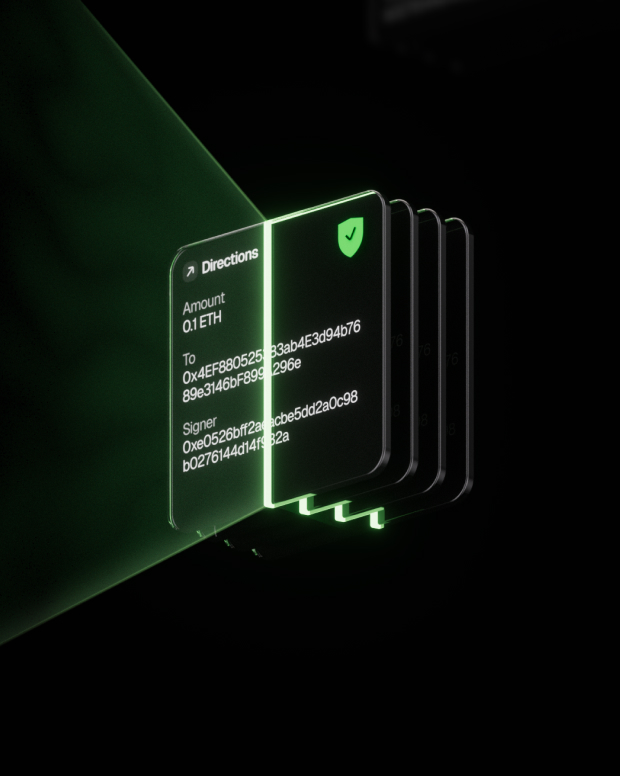
La protection intégrée contre le phishing des dApps et les fonctionnalités de repliement de jetons suspects détectent automatiquement les contrats à risque afin d'empêcher les approbations malveillantes ou le vol d'actifs.

Soutien mondial
Nous offrons un service client multilingue 24h/24 et 7j/7 pour résoudre vos problèmes à tout moment.

FAQ
Qu'est-ce que Kernel?
The First Suite Of Karak-Native LRTs, Unlocking Liquidity & Yields For The Karak Ecosystem
Karak Network is a totally unopinionated restaking protocol that allows users to deposit any asset to the platform in order to provide slashable security to various products and services built atop Karak, such as data availability layers, blockchains, oracles, and more. Unlike Ethereum and EigenLayer, where security can be provided solely through ETH for the former and ETH-denominated assets such as LSTs for the latter, Karak already features a basket of DeFi assets such as Pendle positions, EigenLayer-restaked LRTs, LP Positions across Uniswap v3 and Curve Finance, and stablecoins such as Ethena’s USDe.
This flexibility has benefits in the sense that it makes yield-bearing assets composable with restaking, as opposed to staking yield needing to outperform other DeFi yield in order for it to be viable. However, it also has the downside of lacking a single homogenous asset to peg Karak LRTs to. Consequently, restaked holdings on Karak cannot be deployed in further yield-bearing activities and Karak XP (their native points reward) cannot be traded on yield markets and other DeFi applications.
Kernel Protocol presents a solution where it creates Liquid Restaking Tokens (LRTs) that are composed of indexes for each of the main asset categories on Karak. This mitigates liquidity fragmentation compared to making specific LRTs for each and every individual asset, while also presenting enough variation in asset choice for an end LRT user, reflecting the diversity of restaking opportunities available on Karak.
Quel est le meilleur Kernel portefeuille ?
Comment obtenir un Kernel portefeuille ?
Comment utiliser un Kernel portefeuille ?
Abonnez-vous à notre newsletter
Abonnez-vous aux newsletters OneKey pour recevoir les dernières nouveautés et offres sur les produits.