Le portefeuille Lagrange vous aide à stocker, envoyer et recevoir facilement des actifs numériques. Vous pouvez effectuer des transactions de jetons inter-chaînes à tout moment, explorer les marchés NFT et les dApps, et découvrir davantage d'opportunités. Portefeuille intégré pour l'écosystème Lagrange, il vous offre une expérience sécurisée sur la blockchain.

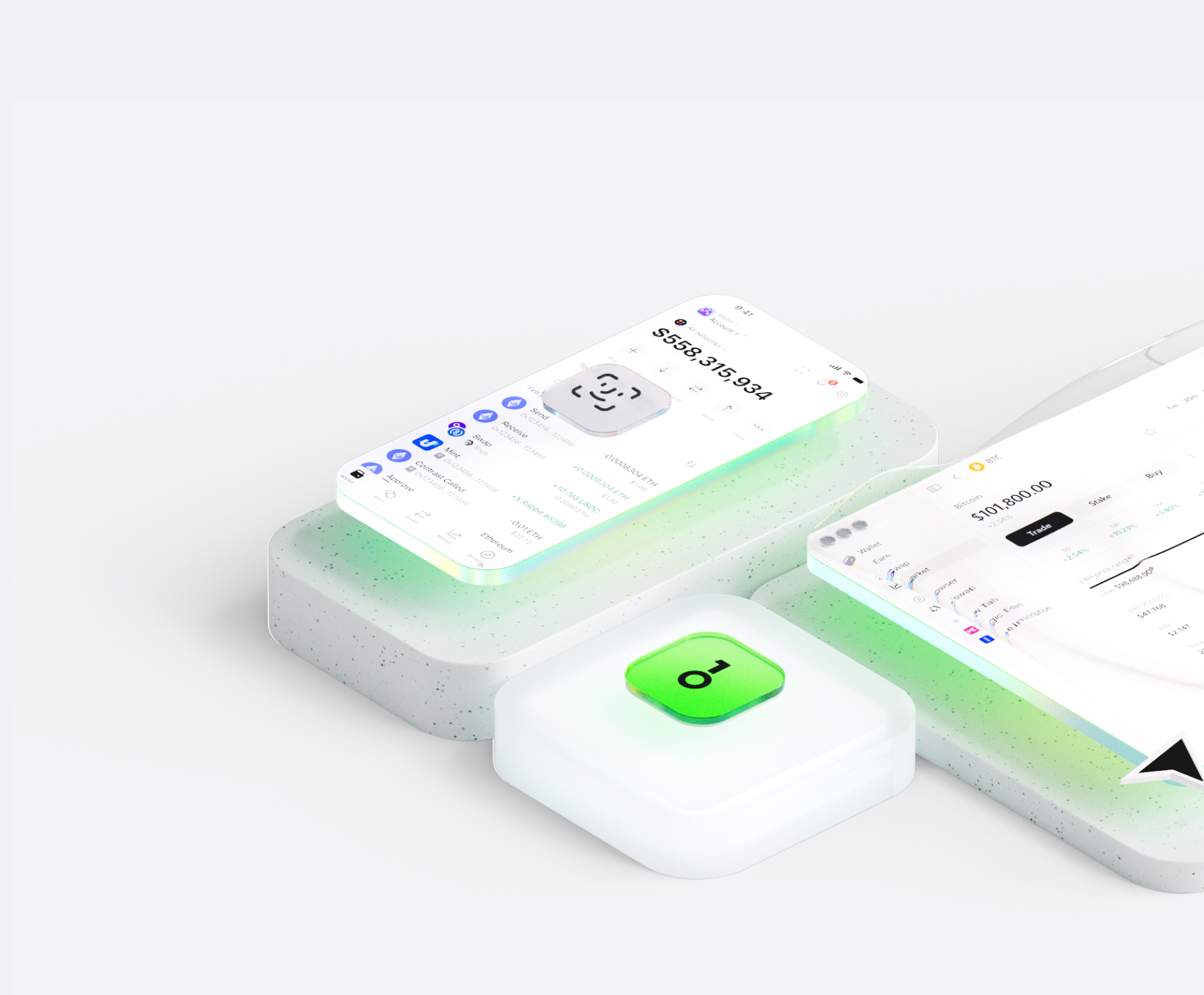

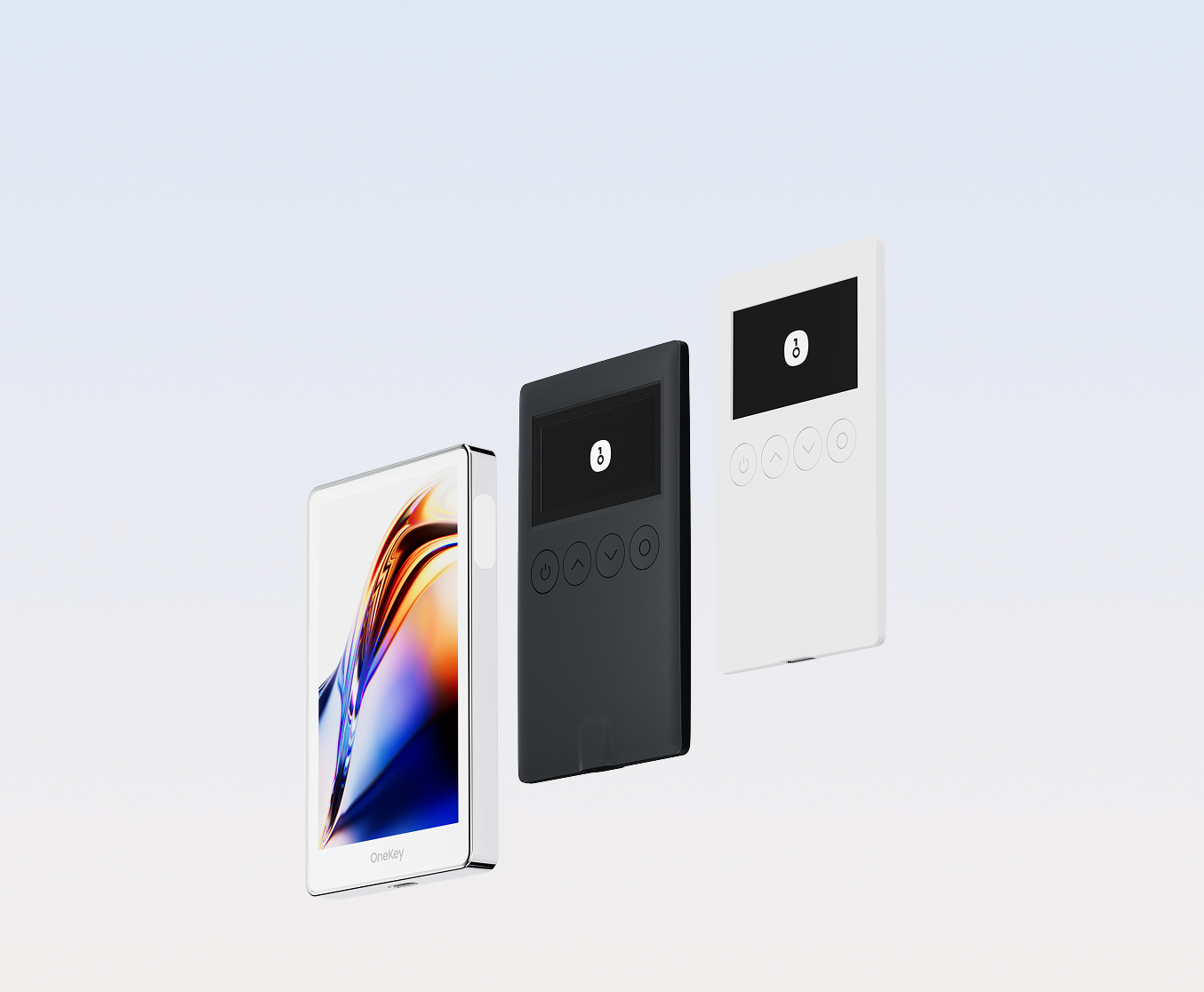
Pourquoi choisir les portefeuilles Lagrange avec OneKey
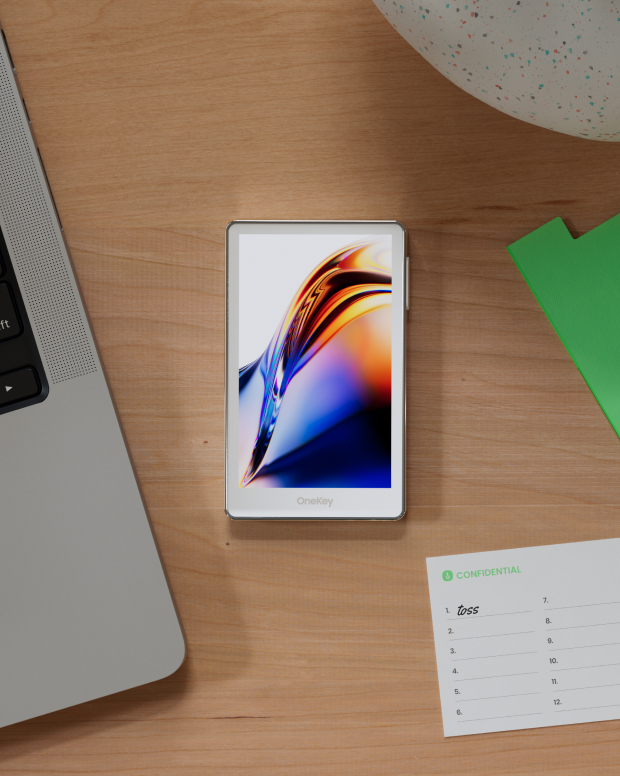
Prenez le contrôle de votre sécurité.
Aucune vérification d'identité n'est requise. Nous ne collectons ni ne suivons aucune donnée utilisateur. Votre portefeuille vous appartient exclusivement.
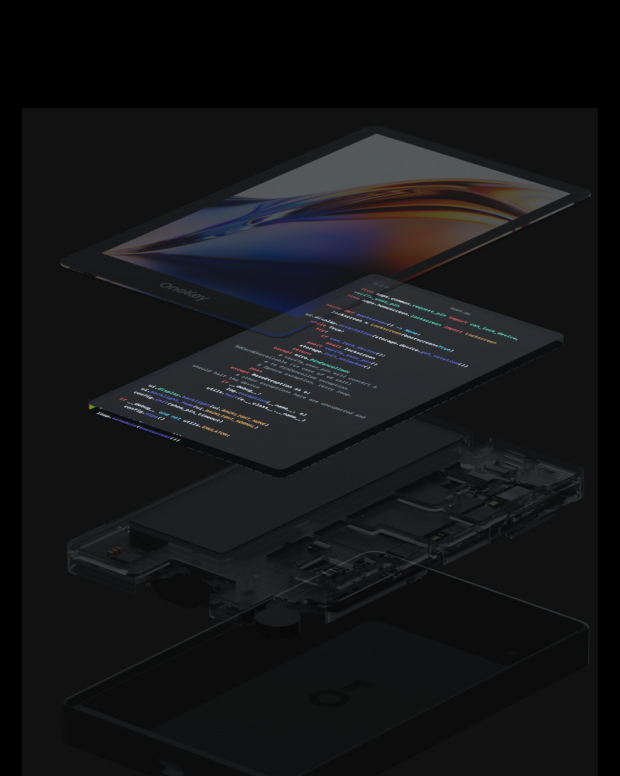
100 % open source et transparent
Lagrange Ce portefeuille est entièrement open source ; chaque ligne de code peut être auditée et vérifiée par des experts en sécurité. La sécurité repose sur la transparence, et non sur des promesses.
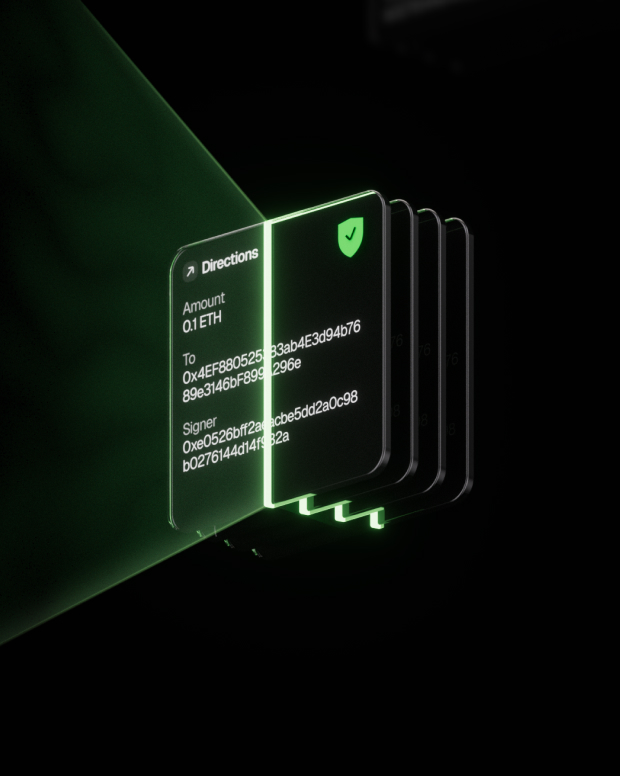
Protection intelligente contre les risques
La protection intégrée contre le phishing des dApps et les fonctionnalités de repliement de jetons suspects détectent automatiquement les contrats à risque afin d'empêcher les approbations malveillantes ou le vol d'actifs.

Soutien mondial
Nous offrons un service client multilingue 24h/24 et 7j/7 pour résoudre vos problèmes à tout moment.

FAQ
Qu'est-ce que Lagrange?
Today, Lagrange has expanded its ZK Prover Network to power proof generation for ZK rollups, adding onto Lagrange’s existing ZK Coprocessor and State Committee offerings. With this new addition, Lagrange now unlocks proofs for anything – for rollups, apps, coprocessors and interoperability – as an infinite proving layer that enables anyone to prove everything at internet scale. Previously, Lagrange launched the first production-ready ZK prover network in the industry, operated by top operators including Coinbase, Kraken, OKX and more. Now, Lagrange’s ZK Prover Network is expanding to address key challenges faced by rollups and advance ZK adoption and utility.
The ZK Coprocessor can generate a proof of correct computation over arbitrary storage slots for arbitrary block ranges. For example, consider an application that wishes to compute the average on Ethereum for ETH / USDC pricing. A developer must first specify the memory slots and block range (~50,400) that they are interested in including in the data set. Next the developer writes the computations that is to be executed across the storage slots over the different blocks in parallel. Once the proof is generated, it will prove both the storage inclusion and the aggregated computation as valid with respect to a block header derived from smart contract information.
Quel est le meilleur Lagrange portefeuille ?
Comment obtenir un Lagrange portefeuille ?
Comment utiliser un Lagrange portefeuille ?
Abonnez-vous à notre newsletter
Abonnez-vous aux newsletters OneKey pour recevoir les dernières nouveautés et offres sur les produits.