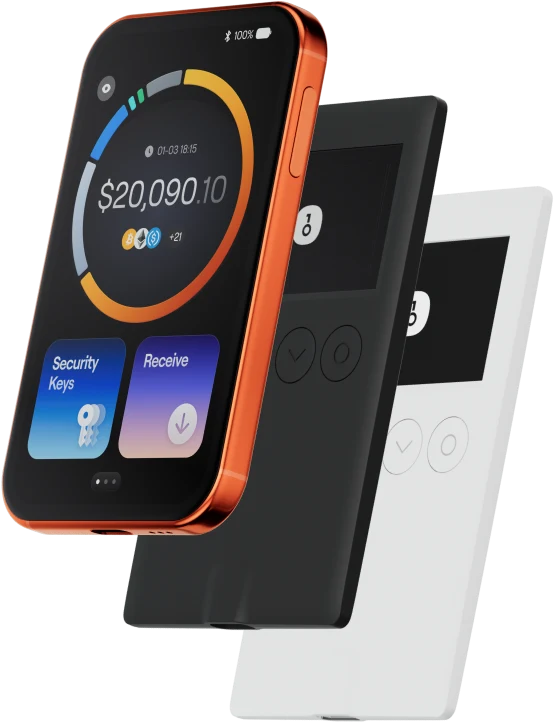
A carteira Victoria VR ajuda-o a armazenar, enviar e receber ativos digitais com facilidade. Pode realizar transações de tokens entre cadeias a qualquer momento, explorar mercados de NFT e dApps e descobrir mais oportunidades. Sendo uma carteira integrada no ecossistema Victoria VR, proporciona-lhe uma experiência segura on-chain.
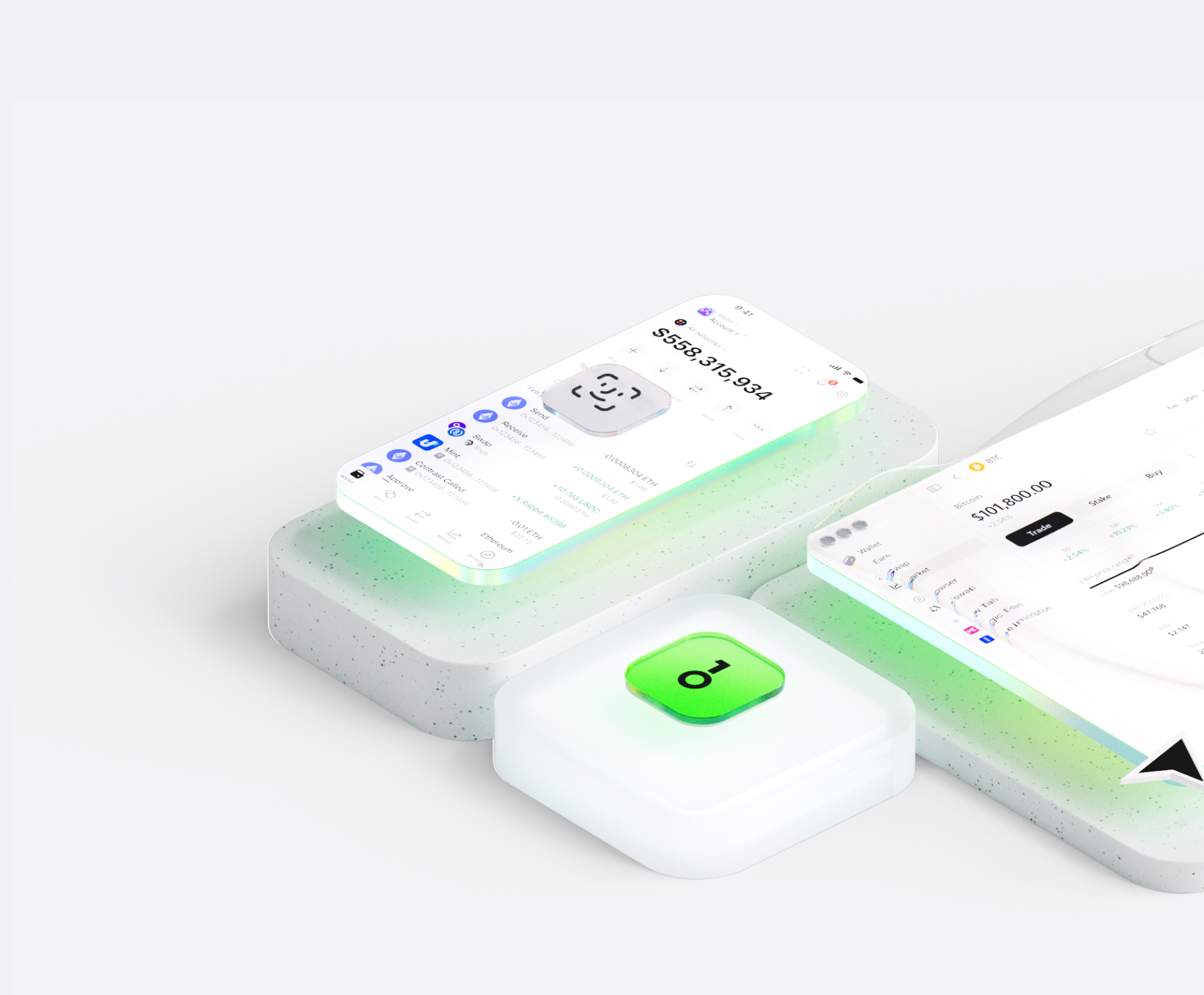
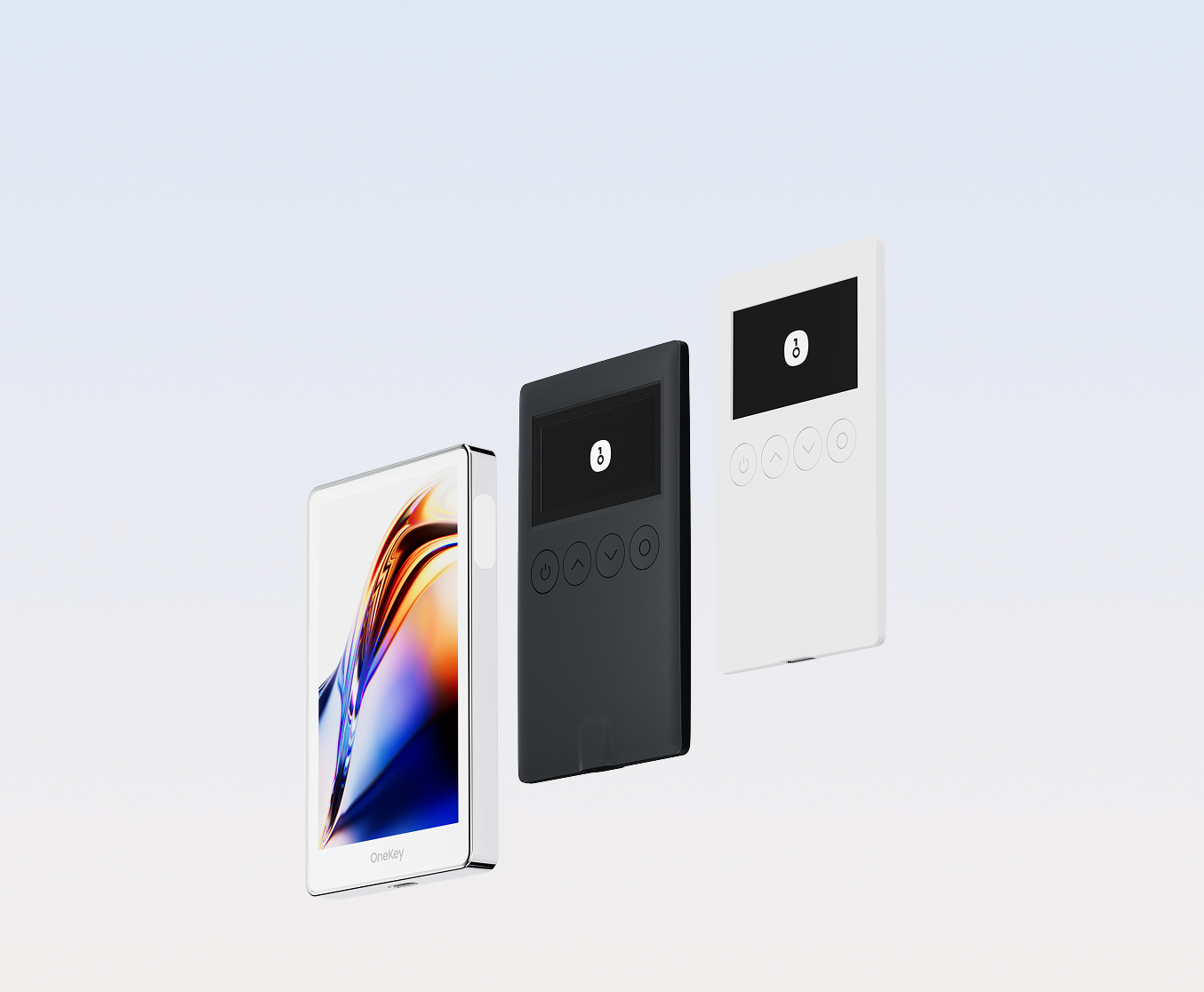
Por que escolher Victoria VR Carteiras com OneKey
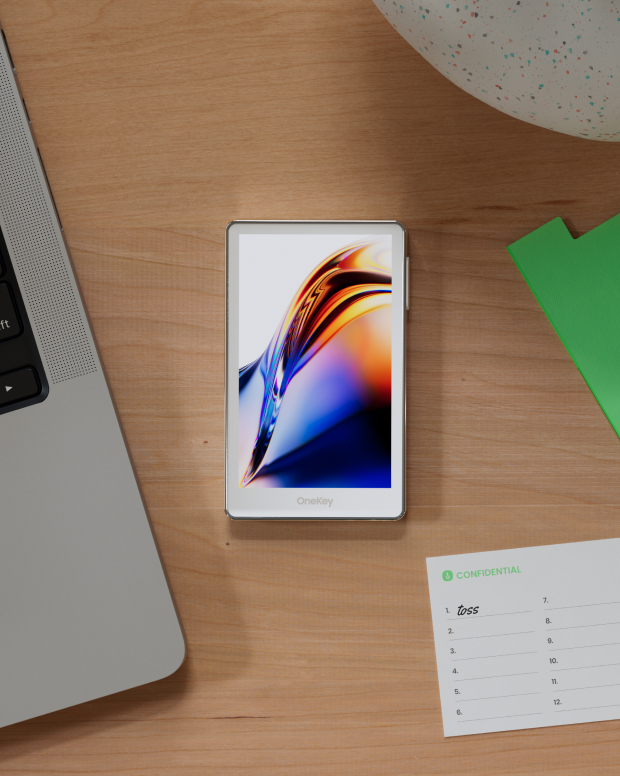
Assuma o controle da segurança que lhe pertence.
Não é necessária verificação de identidade real. Não recolhemos nem rastreamos dados dos utilizadores. A sua carteira pertence apenas a si.
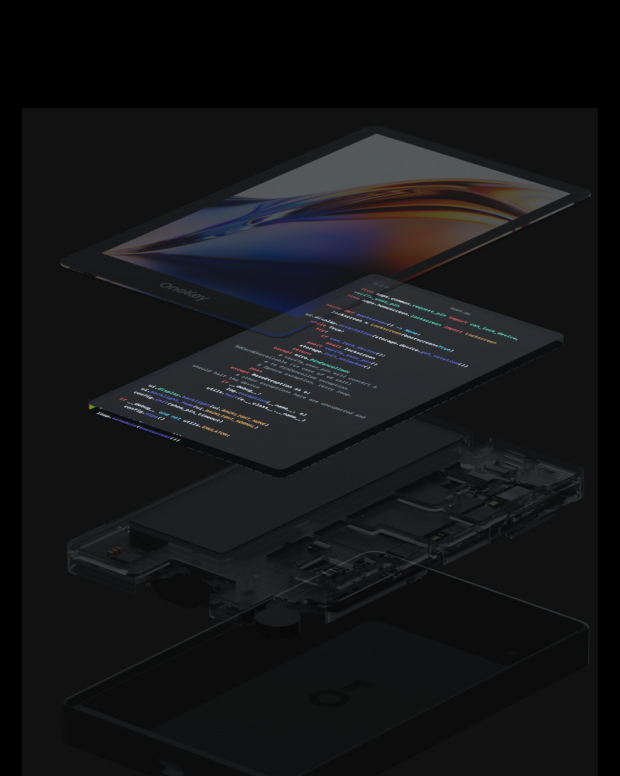
100% de código aberto e transparente
A carteira Victoria VR é totalmente de código aberto; cada linha de código pode ser auditada e verificada por especialistas em segurança. A segurança não se baseia em promessas, mas sim em transparência.
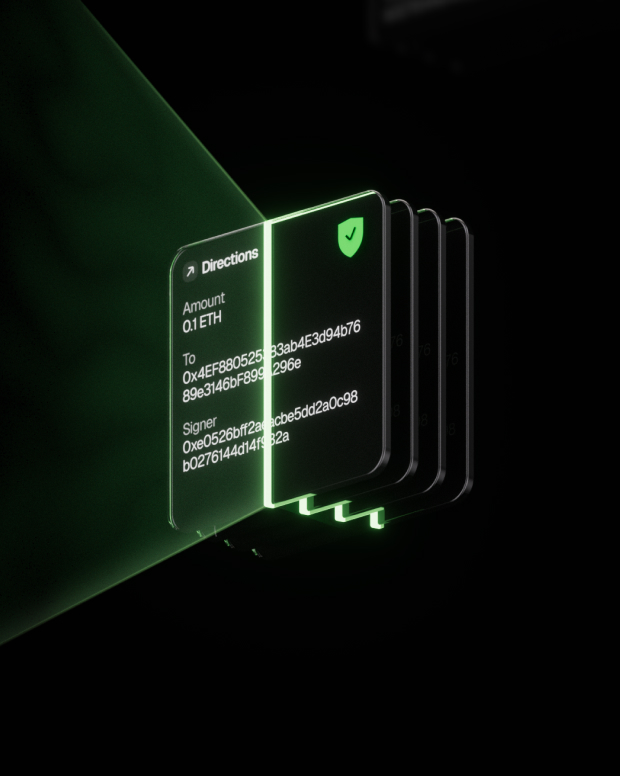
Proteção Inteligente contra Riscos
A proteção integrada contra phishing em dApps e os funcionalidades de deteção automática de tokens suspeitos identificam contratos de risco para evitar aprovações maliciosas ou roubo de ativos.
Apoio global
Oferecemos suporte ao cliente multilíngue 24 horas por dia, 7 dias por semana, para resolver seus problemas a qualquer momento.
Perguntas frequentes
Victoria VR: Plataforma de IA open-source para a Internet 3D
Victoria VR é uma plataforma de IA de código aberto que transforma prompts de linguagem natural em conteúdo 3D e aplicações de próxima geração. Ela fornece um ambiente full-stack para criar, publicar e operar experiências espaciais imersivas em desktop, VR e mobile — formando uma camada fundadora da Operating Reality e da Internet Imersiva.
Setores principais e aplicações
• AI Platform & Infrastructure: Plataforma prompt-to-3D com nuvem híbrida + contribuintes descentralizados
• Generative AI: Modelos espaciais convertem texto em assets, mundos e lógica.
• AI Robotics & Agentic AI: Agentes autônomos que usam ferramentas com planejamento e memória para executar tarefas de múltiplas etapas
• AI-Powered Avatars: NPCs/assistentes prontos para voz, auto-suficientes em todos os dispositivos como personagens 3D totalmente rigged com movimento espacial real (navegação, gestos, lip-sync).
• Spatial Computing: Runtime de produção para física, rede, identidade, implantação e analytics em VR, mobile e desktop.
• Enterprise Applications: Twins sem código, configuradores, lojas virtuais e showrooms.
• Education & Training: Módulos no-code para simulações, aprendizado e treinamento de mão de obra.
• Gaming: Criação de jogos e experiências, avatares de IA e publicação cross-platform.
• AI Infrastructure: Orquestração de IA multi-modelo para dados de texto, imagem e 3D.
• Generative AI: Criação baseada em prompts de ambientes, assets e lógica.
• AI Robotics & Agentic AI: Avatares autônomos funcionando como funcionários digitais.
• Spatial Computing: Ferramentas cross-platform para aplicações interativas em tempo real.
• Education & Training: Módulos no-code para simulações, aprendizado e treinamento de mão de obra.
• Enterprise Applications: Colaboração, visualização de dados e copilotos de IA para operações.
• AI-Powered Avatars: Assistentes implantáveis em varejo, saúde e serviços digitais.
Componentes principais da plataforma
• VR AI Builder – engine de criação zero-code (prompt-to-assets/logic/worlds). Usuários podem construir mapas, jogos, módulos de treinamento e automações empresariais. Publicação com NFTs land-gated para VR/mobile/desktop; assinaturas + integrações de marketplace.
• AI Hub – camada de orquestração escalável integrando múltiplos modelos de IA (texto, imagem, 3D). Alimenta pipelines prompt-to-world, prompt-to-texture e prompt-to-3D object, e fornece uma fábrica de agentes no-code (persona, ferramentas, memória, conhecimento).
• AI Avatars (agents) – “AI employees” autônomos com memória, personalidade, uso de ferramentas e conversa multilíngue. Implantáveis em educação, varejo, saúde, operações e colaboração.
• AI Verse — A camada runtime em rede e de economia para mundos e agentes. Opera em uma production cloud híbrida + participação descentralizada, oferece identidade e acesso (perfis, land-gating), pagamentos e recompensas de participação, telemetria/analytics, moderação/compliance e catálogos de assets/modelos/datasets com interoperabilidade e SDKs/APIs para criadores e empresas.
• Magic Madness – jogo PvP de destaque de onboarding (Steam) usado como funil de crescimento (torneios, esports, cosméticos) para a economia Builder/Agents/NFTs Land.
Público-alvo
• Criadores independentes & estúdios – criação de conteúdo sem código.
• Marcas & varejo – vitrines virtuais, atendimento ao cliente com IA.
• Provedores de educação & treinamento – simulações e tutores de IA.
• Empresas – copilotos de IA, ambientes de colaboração e salas de dados espaciais.
• Usuários gerais – aplicações imersivas com experiências de onboarding integradas.
Por que é importante
• O time-to-content despenca: ciclos de criação caem de semanas para horas.
• Acessibilidade: ferramentas no-code e acesso cross-device reduzem barreiras de entrada.
• Economia com utilidade: token $VR sustenta transações, assinaturas e recompensas.
• Sustentabilidade: design orientado à utilidade substitui modelos especulativos.
• Alinhamento com o mercado: posicionado em infraestrutura de IA, computação espacial e agentic AI — setores previstos para ultrapassar $1 trillion na próxima década
A melhor carteira Victoria VR deve equilibrar segurança e facilidade de uso. Com uma carteira Victoria VR, pode não apenas armazenar e gerir (nome do token) com segurança, mas também realizar livremente transações entre blockchains, participar em protocolos DeFi e interagir com DApps. A carteira Victoria VR oferece rastreamento de transações em tempo real, mecanismos de segurança de código aberto e transparentes e uma experiência fluida na rede Victoria VR, dando-lhe controlo total sobre os seus criptoativos.
1. Transferir a carteira: aceda ao site oficial da OneKey e transfira a aplicação OneKey para macOS, Windows, iOS ou Android.
2. Criar a carteira: abra a aplicação e selecione "Criar nova carteira" ou "Ligar carteira de hardware".
3. Fazer cópia de segurança: anote a frase de recuperação em segurança e guarde-a offline. Nunca enviamos nem guardamos a sua frase de recuperação.
4. Depositar Victoria VR: copie o endereço da carteira e transfira Victoria VR a partir de uma exchange ou de outra carteira.
Todas as chaves privadas são geradas e armazenadas offline no dispositivo, dando-lhe controlo total sobre os seus ativos.
1. Enviar Victoria VR: introduza o endereço de Victoria VR e o valor e, em seguida, confirme a assinatura na app. A transação é transmitida para a blockchain imediatamente após a conclusão.
2. Receber Victoria VR: clique em "Receber" para obter o endereço da carteira, partilhe-o com o remetente e, depois de receber os tokens, pode consultar o saldo em tempo real na app.
3. Gerir ativos: acompanhe o histórico de transações, aceda a protocolos DeFi ou faça operações entre blockchains na carteira Victoria VR, tudo numa só app.
Assine nossa newsletter
Assine os boletins informativos da OneKey para receber as últimas notícias e ofertas de produtos.