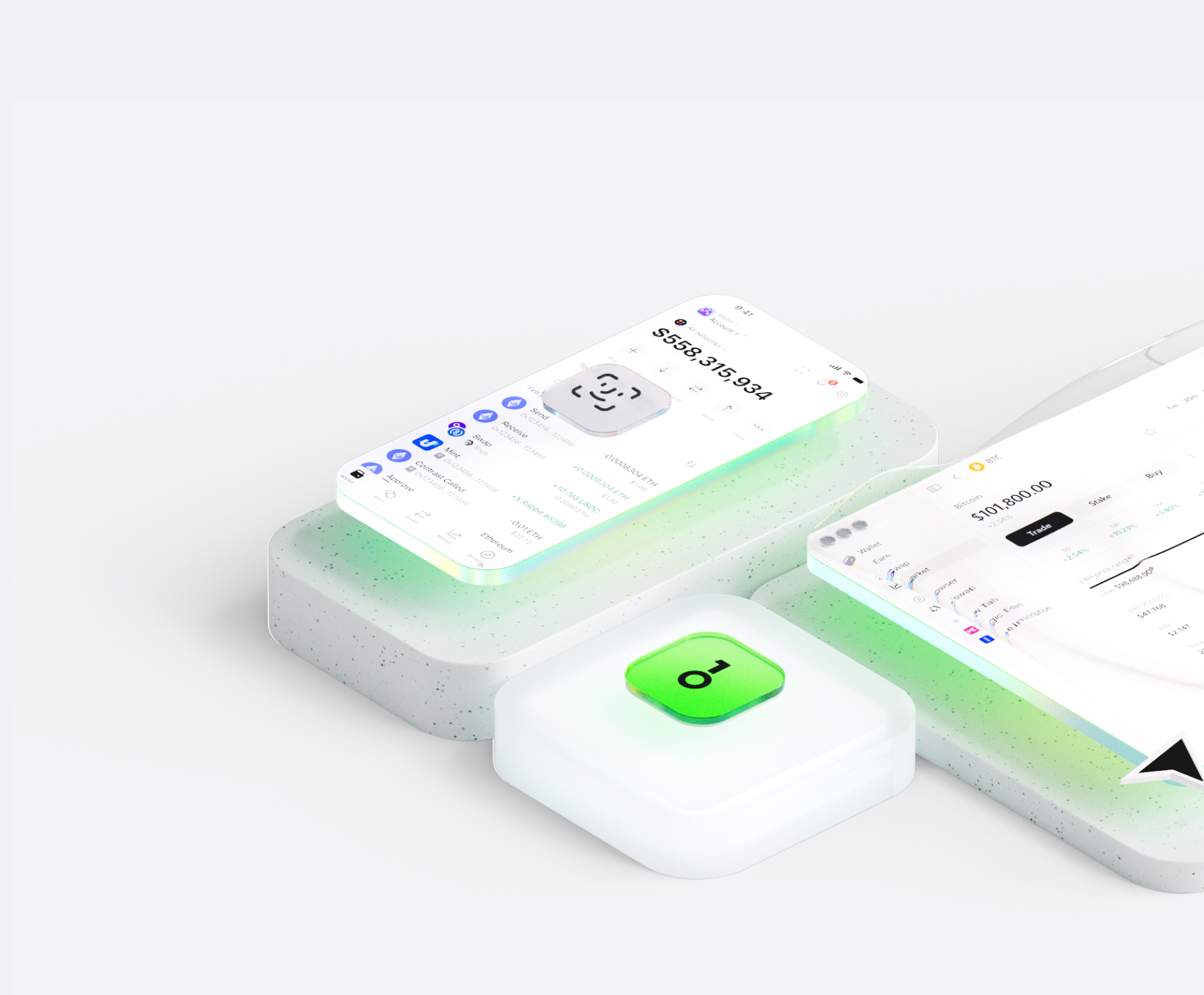


為什麼選擇 Cardstack 錢包搭配 OneKey

掌握屬於你的安全防護
不需實名驗證。我們不會收集或追蹤任何使用者資料,你的錢包只屬於你。
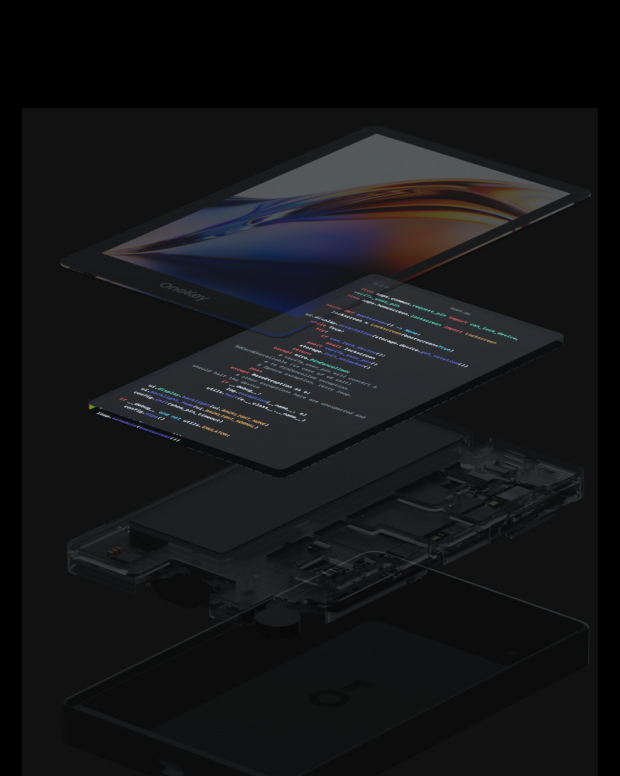
100% 開放原始碼且透明
Cardstack 錢包是一個完全開源的錢包,每一行程式碼都能由安全專家進行審核與驗證。安全並非基於承諾,而是基於透明度。
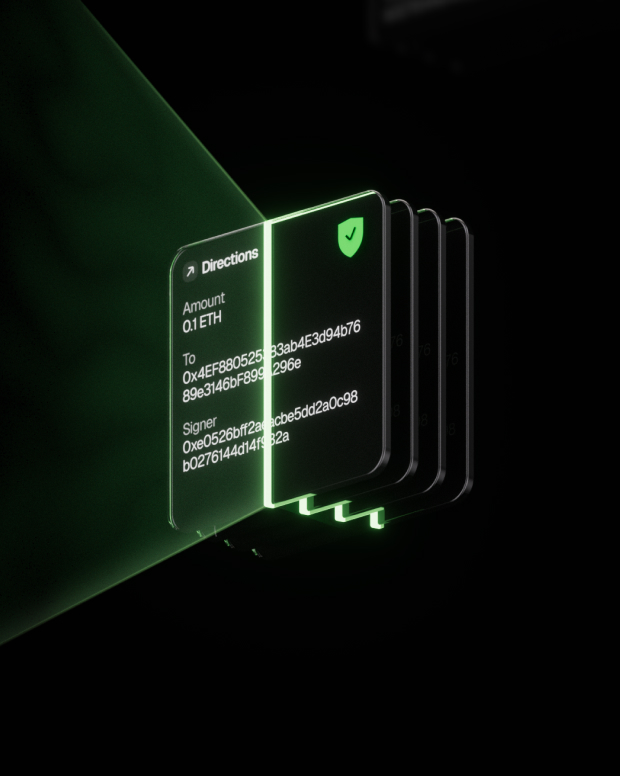
智慧風險防護
內建的 DApp 防釣魚保護與可疑代幣摺疊功能會自動偵測高風險合約,防止惡意授權或資產遭竊。

全球支援
提供 24/7 多語言客戶支援,隨時解決你的問題

常見問題
什麼是 Cardstack?
Cardstack is an open-source framework and consensus protocol that makes blockchains usable and scalable for the mass market, creating a decentralized software ecosystem that can challenge today’s digital superpowers. Cardstack Token (CARD) is a utility token allowing end- users and businesses to use applications that interact with multiple blockchains, decentralized protocols, app-coin-backed dApps, and cloud- based services while paying a single on-chain transaction fee.
The main value proposition of the Cardstack ICO is to breakdown the user experience of disparate software, cloud and blockchain silos which now exist on various levels of the digital world, allowing both developers and users to engage in customizable workflows. To overcome these disparate app silos, Cardstack offers a new UI, deployed via the web or as a peer-to-peer app, which turns each service created by open-source developers into a “card”. Each card comprises a visual embodiment of key information, whereby users can then connect related cards for any type of workflow or utility they desire. These cards are the point of interaction between local services, cloud-based services and blockchain services all on one interface called Cardstack Hub. Underlying the Cardstack ecosystem is the Cardstack Token (CARD), an Ethereum-based ERC20 token.
The Cardstack Team comprises many open source contributors. Check out the full list of contributors here. Heading the development of Cardstack is Christopher Tse. Christopher holds a BSc in Computer Science from Columbia University and is the Co-Founder of Monegraph and dotBlockchain Media. He has also served as Senior Director of Innovation at Businessweek. Ed Faulkner is the Lead Developer at Cardstack. He holds a Master of Engineering in Electrical Engineering and Computer Science from MIT. He has founded three of his own tech ventures of which all are currently operational. Hassan Abdel-Rahman is the Lead Blockchain Developer for Cardstack. He holds a BSc in Computer Science and Mathematics from Colorado School of Mines. Previous roles include over 2 years as Senior Software Designer at Monegraph and Principal Engineer at McGraw-Hill Education.
One of the most important features Cardstack will deploy is an entry channel payment system that does not require users to purchase cryptocurrency from an exchange. Users can simply pay with fiat, such as a credit card, to purchase CARD tokens directly on the platform, bypassing the need for any prior familiarity with crypto. Once users purchase CARD tokens, they are stored on a native wallet accessible from the Cardstack Hub. CARD tokens held in the native wallet are then used to purchase SSCs for every app and service they users with to access. To make any project appealing to the mass consumer market, this type of simplified entry into the cryptospace is a necessity. Cardstack have made some progress on the development front. The code for over 30 initial modules on the Cardstack platform has been made available via their Github. Also, the Solidity code for the Scalable Payment Pool has already been open-sourced. The Scalability Payment Pool is one of the core back-end mechanisms of the platform that issues rewards to developers for their work.
Cardstack aims to create an economically-sustainable software ecosystem that avoids the problems of today’s centralized platforms. It’s an “experience layer” for the decentralized internet of the future, allowing users to combine services across cloud apps and decentralized apps. The ecosystem revolves around the use of Cardstack tokens, or CARD.
最好的Cardstack錢包是什麼?
如何取得 Cardstack 錢包
如何使用 Cardstack 錢包?
訂閱我們的電子報
訂閱 OneKey 電子報,獲取最新產品資訊與優惠。