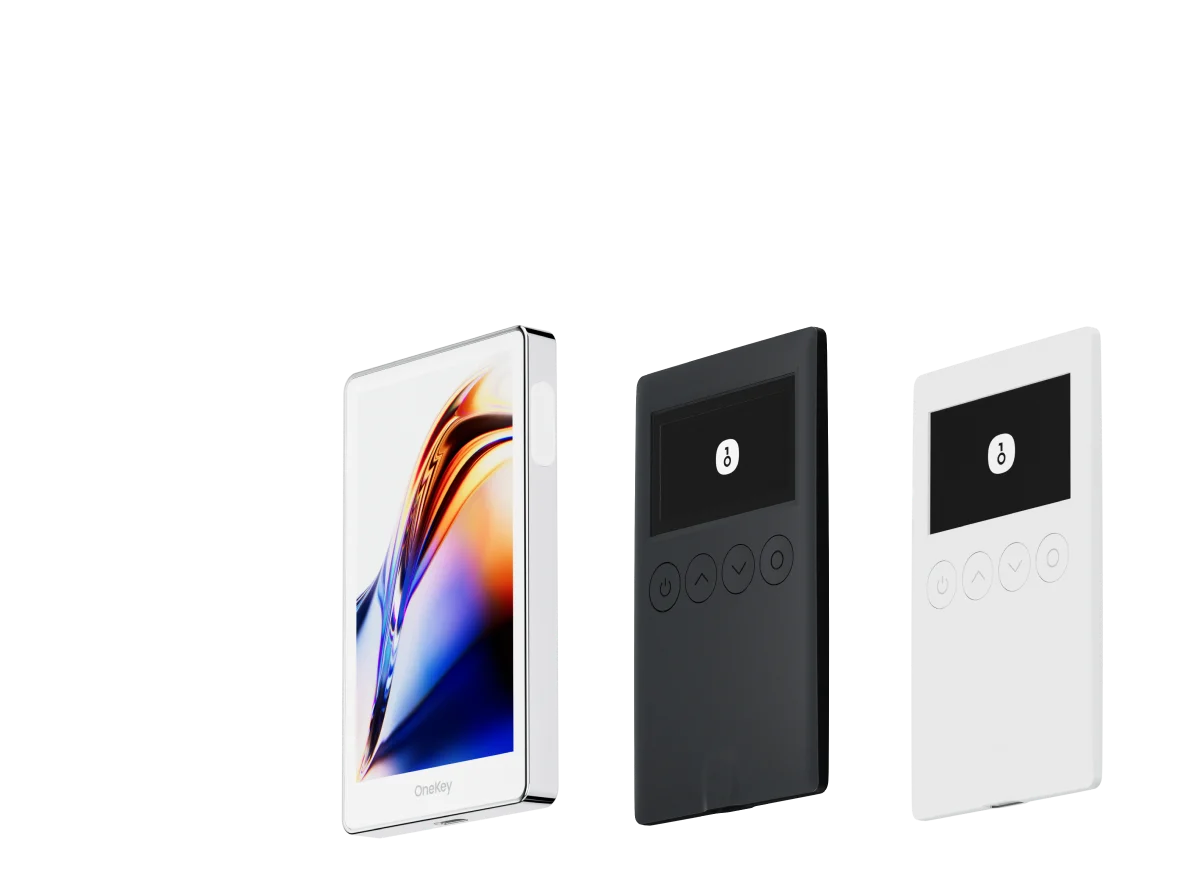
Die besten PERL Wallets im Jahr 2026
Schlüssel-Ergebnisse
• Die Wahl des richtigen Wallets ist entscheidend für den Schutz vor Phishing- und Blind-Signing-Angriffen.
• OneKey bietet die besten Sicherheitsfunktionen und Benutzerfreundlichkeit für PERL-Inhaber.
• Achten Sie auf native Unterstützung für den PERL-Token und umfassende Sicherheitsanalysen.
Der PERL-Token von Perlin (oft als PERL.eco bezeichnet) hat weiterhin Nischenanwendungen in tokenisierten Umweltwerten, DeFi-Sicherheiten und der Governance von Gemeinschaften gefunden. Die Wahl des richtigen Wallets für die Speicherung und Interaktion mit PERL im Jahr 2026 bedeutet, die breite Kettenunterstützung, die Benutzerfreundlichkeit für DeFi/NFT-Workflows und – am wichtigsten – den Schutz vor immer ausgeklügelteren Phishing- und Blind-Signing-Angriffen in Einklang zu bringen. Dieser Leitfaden vergleicht führende Software- und Hardware-Wallets, die PERL unterstützen, und erklärt, warum das OneKey-Ökosystem – OneKey App zusammen mit OneKey Pro und OneKey Classic 1S – die Top-Empfehlung für PERL-Inhaber im Jahr 2026 ist. (coindesk.com)
Kurzer Hinweis zu Sicherheitstrends (warum dies für PERL-Benutzer wichtig ist)
- In den Jahren 2024–2026 gab es einen starken Anstieg von Verlustereignissen, die durch Zugriffssteuerungsfehler, Social Engineering und „Blind Signing“-Angriffe verursacht wurden. Branchen-Sicherheitsberichte machen deutlich, dass das Benutzerverhalten und die Signier-UX jetzt primäre Angriffsflächen sind – nicht nur Smart-Contract-Bugs. Das bedeutet, dass Wallets, die Transaktionen klar analysieren und Echtzeit-Risikowarnungen anzeigen, das Benutzerrisiko erheblich reduzieren. (hacken.io)
Worauf Sie bei einem PERL-Wallet achten sollten (kurze Checkliste)
- Native Unterstützung für den PERL-Token und die Kette(n), auf der er sich befindet.
- Eindeutige On-Chain-Transaktionsanalyse und menschenlesbare Signaturvorschau (um Blind-Signing zu vermeiden).
- Hardware-gestützte Signaturen (für langfristiges Hodling) oder starke mobile/Desktop-Sicherheit (für aktiven Handel).
- Gute Token-Erkennung, Spam-Token-Filterung und Integration mit gängigen DEXs und Bridges.
- Open-Source-Code / geprüfte Firmware für Transparenz.
Nachfolgend finden Sie zwei Vergleichstabellen (Software-Wallets, dann Hardware-Wallets), gefolgt von einer detaillierten Analyse und einer abschließenden Empfehlung.
Vergleich von Software-Wallets: Funktionen & Benutzererfahrung
| Funktion | OneKey App | MetaMask | Phantom | Trust Wallet | Ledger Live |
|---|---|---|---|---|---|
| Bild |  |  |  |  |  |
| Unterstützte Plattformen | ✅ iOS, Android, Desktop | ✅ Browser-Erweiterung, Mobile | ✅ Browser-Erweiterung, Mobile | ✅ Mobile | ✅ Desktop, Mobile |
| Unterstützte Chains & Tokens | ✅ 100+ Chains, 30.000+ Tokens | ✅ Hauptsächlich Ethereum und kompatible Chains | ✅ Ursprünglich Solana-Ökosystem, jetzt Multi-Chain | ✅ Multi-Chain, teils Cross-Bridge erforderlich | ⚠️ Abhängig von Ledger-unterstützten Assets |
| Hardware-Wallet-Unterstützung | ✅ Native Unterstützung für OneKey Hardware, unabhängig nutzbar | ✅ Verbindung zu mehreren Hardware-Marken | ⚠️ Eingeschränkte Unterstützung (nur Ledger/Trezor via WalletConnect) | ⚠️ Eingeschränkte Hardware-Unterstützung | ✅ Tiefe Integration mit Ledger-Hardware |
| Open Source | ✅ Vollständig Open Source | ⚠️ Einige Komponenten Closed Source | ✅ Größtenteils Open Source | ❌ Closed Source | ⚠️ Teilweise Open Source (Firmware nicht vollständig offen) |
| Gebührenreduktionen | ✅ Gebührenfreie Stablecoin-Transfers in allen unterstützten Netzwerken | ❌ Keine | ⚠️ Zeitlich begrenzte Aktionen für bestimmte Tokens | ❌ Keine | ❌ Keine |
| Sicherheitsprüfungen (Phishing-Schutz) | ✅ Integriert mit GoPlus & Blockaid | ⚠️ Basis-Risikohinweise | ⚠️ Basis-Risikohinweise | ⚠️ Basis-Risikohinweise | ⚠️ Basis-Risikohinweise |
| Clear Signing Unterstützung | ✅ SignGuard doppelte Analyse über App & Hardware | ⚠️ Begrenzte Anzeige, hohes Blind-Signing-Risiko | ✅ Unterstützt Transaktionsvorschau | ⚠️ Unvollständige Informationen | ✅ Erfordert Ledger-Hardware für Clear Signing |
| Spam-Token-Filterung | ✅ Eingebaute Filtermechanismen | ❌ Keine | ❌ Keine | ❌ Keine | ❌ Keine |
| PIN-Sperre | ✅ App-PIN-Verschlüsselung | ⚠️ App-Passwort + optionale biometrische Entsperrung | ✅ Ja | ✅ Ja | ✅ Ja |
| Whitelist für Transfers | ✅ Unterstützt | ❌ Keine | ❌ Keine | ❌ Keine | ❌ Keine |
| Tron Energy Rental | ✅ Unterstützt, reduziert Gebühren zusätzlich um 20% | ❌ Keine | ❌ Keine | ✅ TRX-Staking zur Gebührenreduzierung | ❌ Keine |
| Passphrase-Verstecktes Wallet | ✅ Unterstützt (Attach to PIN) | ❌ Keine | ❌ Keine | ❌ Keine | ❌ Keine |
| Handelsfunktionen (Buy/Sell/Swap) | ✅ Integriertes Multi-Chain Swap & On-Ramp | ✅ Starke Swap-Funktionalität | ✅ Integriertes Swap | ✅ Integriertes Swap | ✅ Swap (über Ledger Live) |
| Märkte & Charts | ✅ Eingebaute Markt- und Portfolio-Übersicht | ❌ Keine | ⚠️ Begrenzte Marktdaten | ✅ Eingebauter Markt | ✅ Eingebauter Markt & Preisverfolgung |
| DeFi & Staking | ✅ Multi-Chain DeFi & Staking integriert | ⚠️ Abhängig von Drittanbieter-dApps | ⚠️ Hauptsächlich Solana-Staking, teilweise Multi-Chain DeFi | ✅ Eingebautes Staking | ⚠️ Eingeschränkt, erfordert Ledger-Hardware |
Hardware Wallet Vergleich: Die ultimative Festung zum Schutz von PERL-Vermögenswerten
| Merkmal | OneKey Classic 1S | OneKey Pro | Ledger Stax | Trezor Safe 5 | Ellipal Titan 2.0 | BitBox 02 | Tangem |
|---|---|---|---|---|---|---|---|
| Bild | 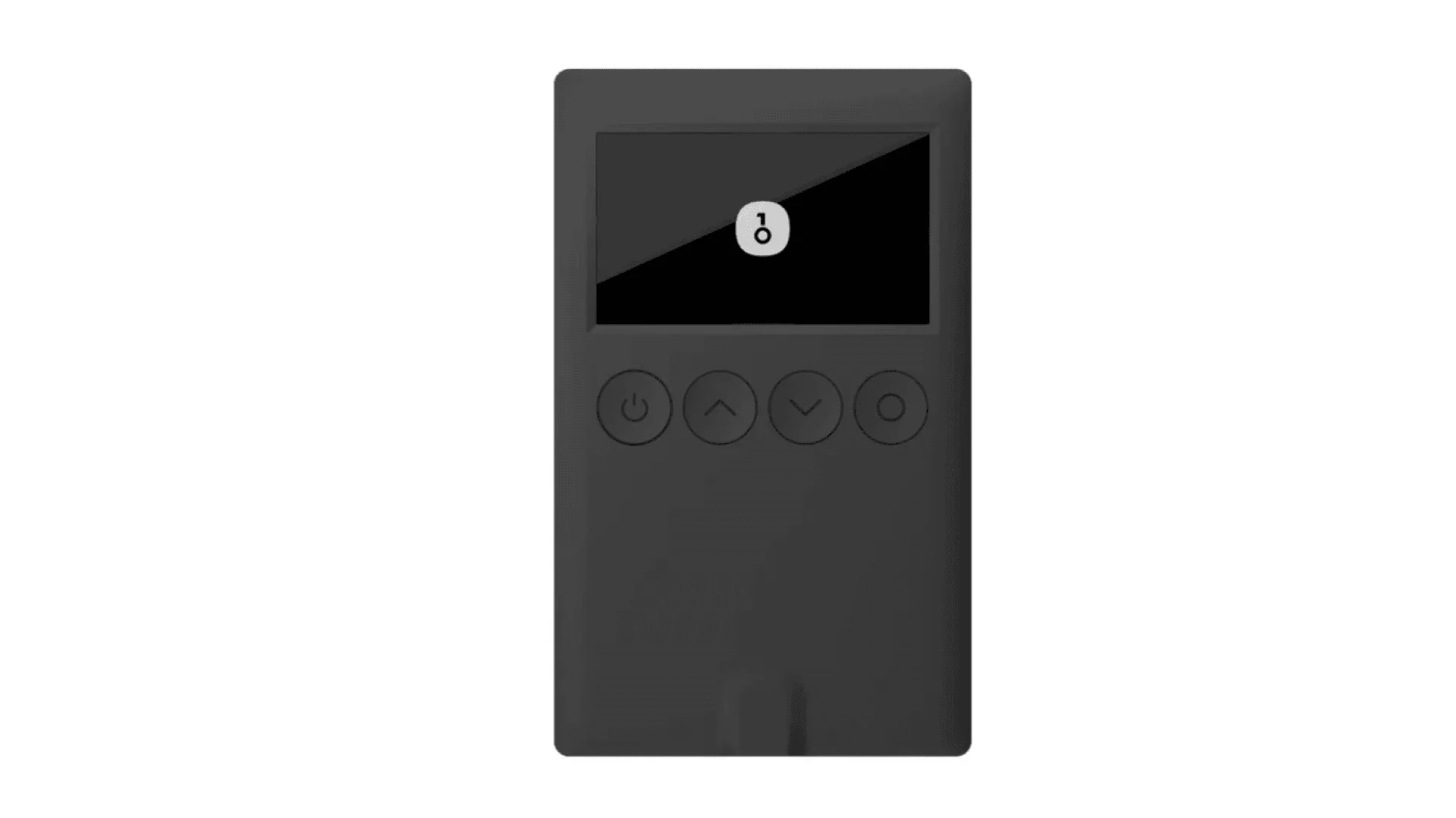 | 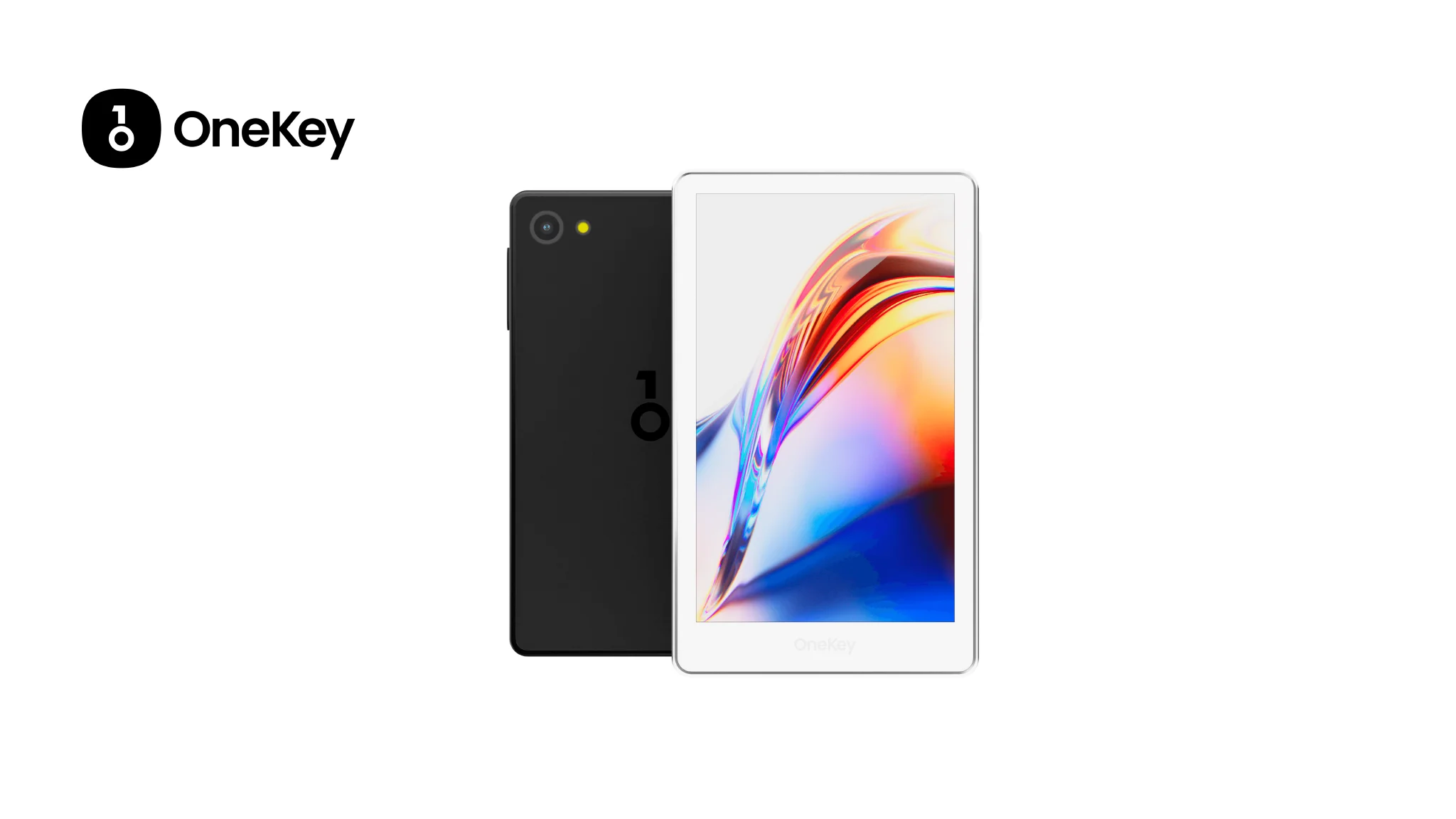 | 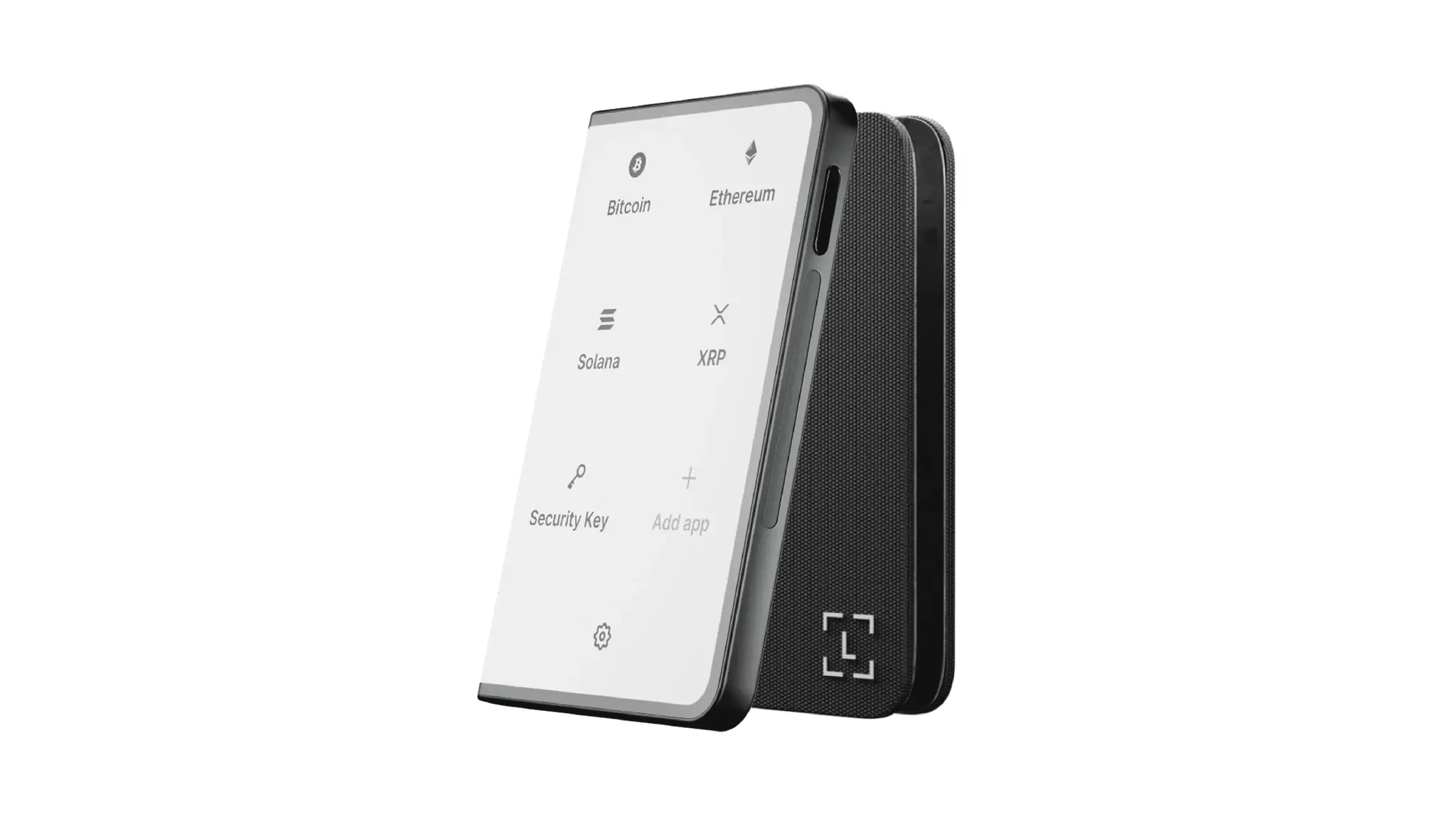 | 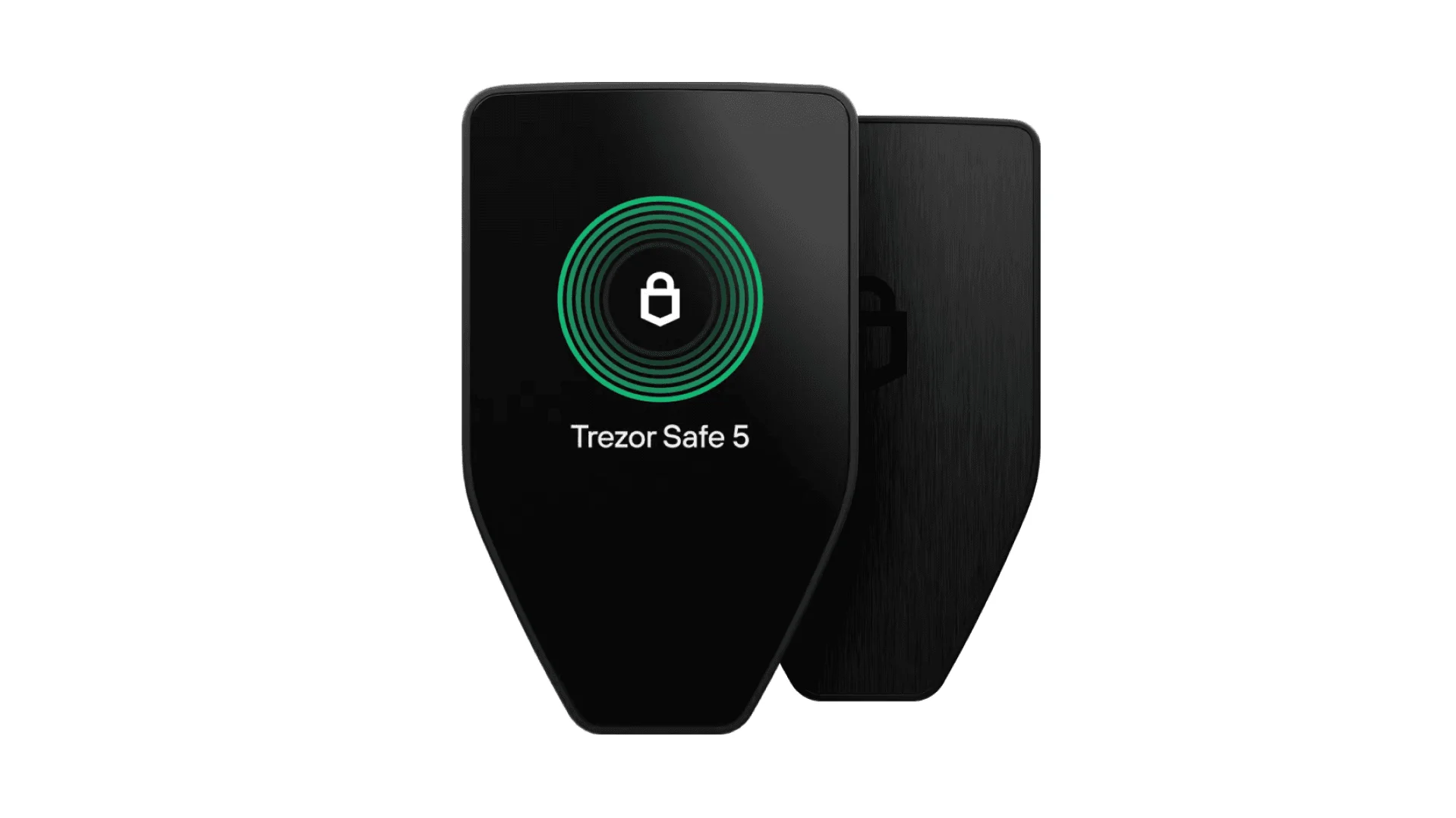 | 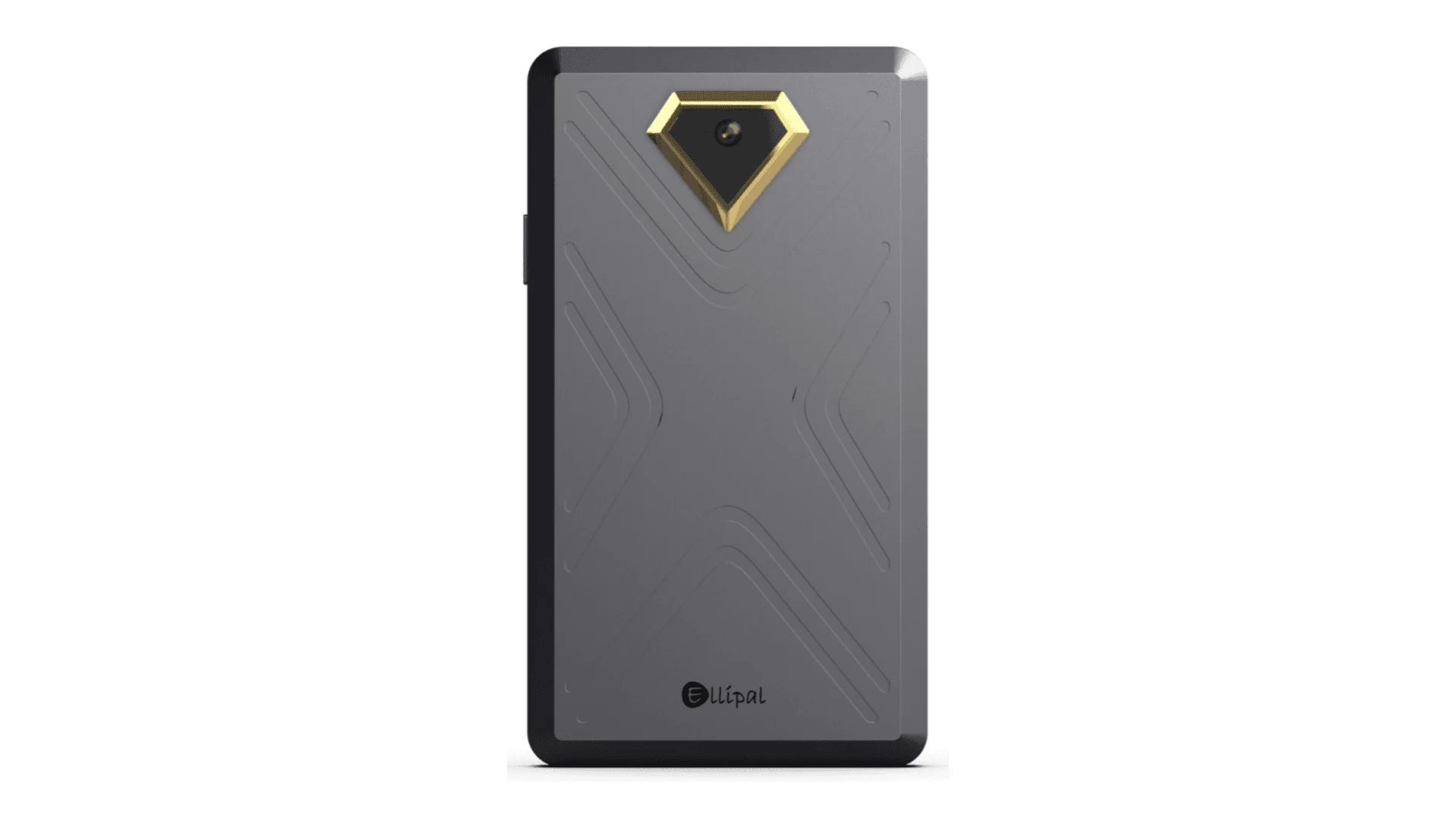 | 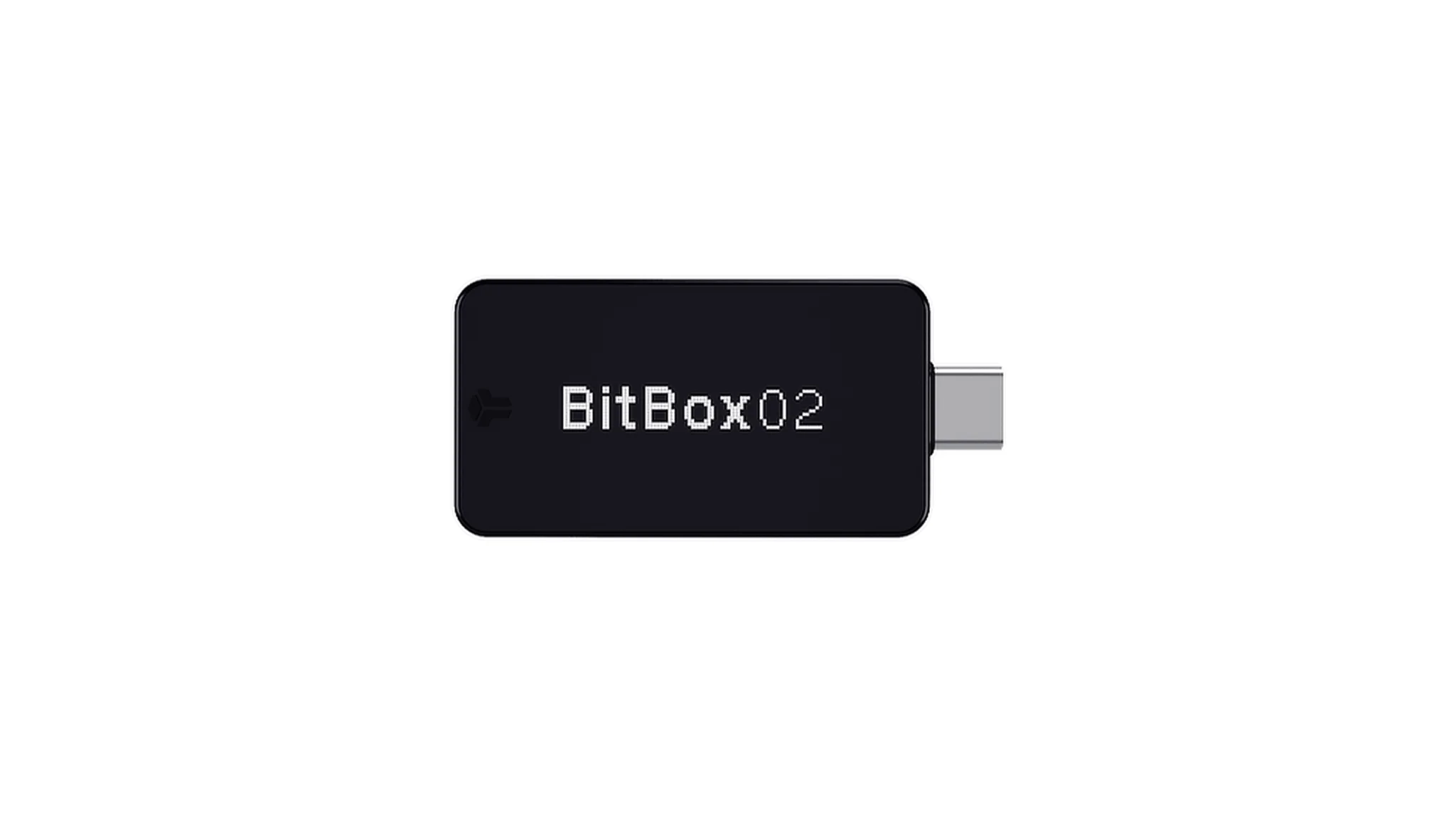 | 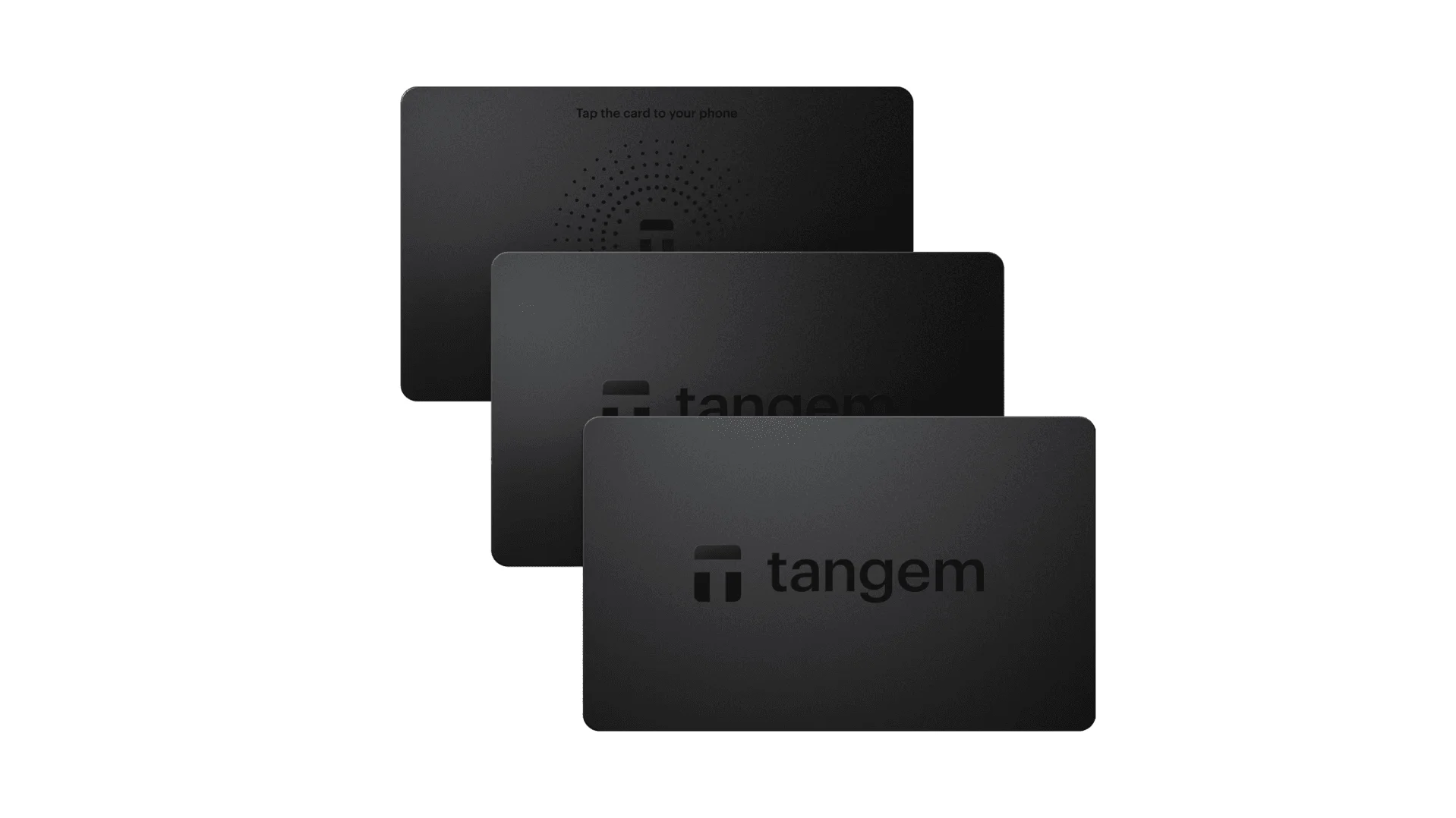 |
| Sicherheitschip | ✅ EAL 6+ Sicherheitschip | ✅ Vier EAL 6+ (Bank-/Passstufe) Sicherheitschips | ✅ EAL6+ Sicherheitschip | ✅ EAL 6+ Sicherheitschip | ⚠️ EAL 5+ Sicherheitschip, proprietär | ⚠️ Dual-Chip (inkl. ATECC608B) | ✅ EAL 6+ Sicherheitschip |
| Bildschirm & Interaktion | ⚠️ 128×64 Monochrom-OLED + Tasten | ✅ 3,5″ HD-Farb-Touchscreen + Kamera-Scan + Bluetooth + NFC | ✅ 3,7″ gebogener E-Ink Touchscreen | ✅ 1,54″ Farb-Touchscreen (240×240) + haptisches Feedback | ✅ 4,0″ IPS-Farb-Touchscreen, Voll-Touch | ⚠️ 128×64 Monochrom-OLED + kapazitive Tasten | ❌ Kein Bildschirm, nur Kartenbasiert |
| Konnektivität | ✅ Bluetooth / USB-C | ✅ Air-Gap-Scan + Bluetooth + USB-C | ✅ USB-C + Bluetooth | ⚠️ Nur USB-C | ✅ Vollständig Air-Gap, QR-basiert | ⚠️ USB-C (kein Wireless) | ✅ NFC mit Smartphone |
| Kabelloses Laden | ❌ Nicht unterstützt | ✅ Qi kabelloses Laden unterstützt | ✅ Qi kabelloses Laden unterstützt | ❌ Nicht unterstützt | ❌ Nicht unterstützt | ❌ Nicht unterstützt | ❌ Nicht unterstützt |
| Backup-Methoden | ✅ Manuelles Aufschreiben / Keytag-Backup | ✅ Manuelles Aufschreiben / Lite-Karten-Backup | ⚠️ Manuelle Seed / Ledger Recovery Key (Cloud) | ✅ Manuelle Seed | ✅ Manuelle Seed | ⚠️ microSD-Sofort-Backup | ⚠️ Multi-Karten-Backup |
| Signaturmethode | ✅ Bestätigung per physischer Taste | ✅ Fingerabdruckerkennung | ✅ Touchscreen-Signatur | ✅ Bestätigung per physischer Taste | ✅ QR-basierte Signatur | ✅ Touch-Bestätigung | ⚠️ NFC-Tap-Bestätigung |
| Transaktionsanalyse & Warnungen | ✅ SignGuard doppelte Analyse via App + Hardware mit Warnungen | ✅ SignGuard doppelte Analyse via App + Hardware mit Warnungen | ⚠️ Begrenzte Analyse, keine Warnungen | ⚠️ Nur Basis-Infos zur Transaktion | ⚠️ Begrenzte Anzeige | ⚠️ Nur Basis-Infos | ❌ Keine |
| Open-Source-Status | ✅ Vollständig Open Source | ✅ Vollständig Open Source | ❌ Firmware proprietär, teilweise SDK Open Source | ✅ Firmware & Software Open Source | ❌ Proprietär | ✅ Vollständig Open Source | ❌ Proprietär |
| Multi-Chain-Unterstützung | ✅ 100+ Chains, 30.000+ Token | ✅ Noch breiter | ✅ 5.500+ Token über Ledger Live | ✅ BTC / ETH / Multi-Chain | ⚠️ Begrenzte Abdeckung | ⚠️ BTC / ETH / einige ERC-20 | ⚠️ Hauptsächlich ETH / TON |
| Privatsphäre | ✅ Open-Source-Transparenz + Web2-Schlüssel | ✅ Open-Source-Transparenz + Web2-Schlüssel | ⚠️ Abhängig von Ledger Live, Datenschutzbedenken | ✅ Open-Source-Transparenz | ❌ Keine speziellen Datenschutzfunktionen | ⚠️ Grundlegende Datenschutzfunktionen | ✅ IP69K wasser- & staubdicht |
| Web2-Login (FIDO) | ✅ Unterstützt WebAuthn | ✅ Unterstützt WebAuthn | ❌ Nicht unterstützt | ⚠️ Teilweise FIDO2-Unterstützung | ❌ Nicht unterstützt | ❌ Nicht unterstützt | ❌ Nicht unterstützt |
| Versteckte Wallets | ✅ Unterstützt | ✅ Unterstützt | ✅ Unterstützt | ✅ Unterstützt | ✅ Unterstützt | ✅ Unterstützt | ❌ Nicht unterstützt |
| Attach to PIN | ✅ Unterstützt | ✅ Unterstützt | ✅ Unterstützt | ❌ Nicht unterstützt | ❌ Nicht unterstützt | ❌ Nicht unterstützt | ❌ Nicht unterstützt |
| Benutzerfreundlichkeit | ⚠️ Grundlegende Interaktion | ✅ Turbo-Modus (Vereinfachtes Signieren, schnellere Bestätigungen) | ⚠️ Grundlegende Interaktion | ⚠️ Grundlegende Interaktion | ⚠️ Grundlegende Interaktion | ⚠️ Grundlegende Interaktion | ⚠️ Grundlegende Interaktion |
| Multisig-Kompatibilität | ✅ Gängige Multisig-Protokolle | ✅ Wie links | ⚠️ Benötigt App-Plugins | ✅ Electrum / Sparrow unterstützt | ⚠️ Schwach | ⚠️ Eingeschränkte Electrum-Multisig | ❌ Nicht unterstützt |
| Verpackung & Firmware-Sicherheit | ✅ Manipulationssichere Verpackung + Firmware-Verifikation | ✅ Wie links | ⚠️ Proprietäre Firmware-Signatur | ✅ Firmware-Signaturprüfung | ⚠️ Keine offene Verifikation | ⚠️ Grundlegendes Siegel | ❌ Keine Firmware-Verifikation |
| WalletScrutiny Verifikation | ✅ Alle 10 Tests bestanden | ✅ Alle 10 Tests bestanden | ❌ Nicht bestanden | ✅ Bestanden | ❌ Nicht bestanden | ⚠️ Teilweise bestanden | ❌ Nicht bestanden |
| Branchenunterstützung | ✅ Unterstützt von Coinbase & YZi Labs | ✅ Unterstützt von Coinbase & YZi Labs | ✅ Unterstützt von a16z, Samsung | ✅ Unterstützt durch Community & Sicherheitsforscher | ⚠️ Keine | ⚠️ Keine bedeutenden Unterstützer | ⚠️ Keine |
| Preisspanne | 💰 $79–$99 | 💰 $278 | 💰 $399 | 💰 $169 | 💰 $169 | 💰 $149.99 | 💰 $60–$90 (3er-Pack) |