When Pure Goes Clear

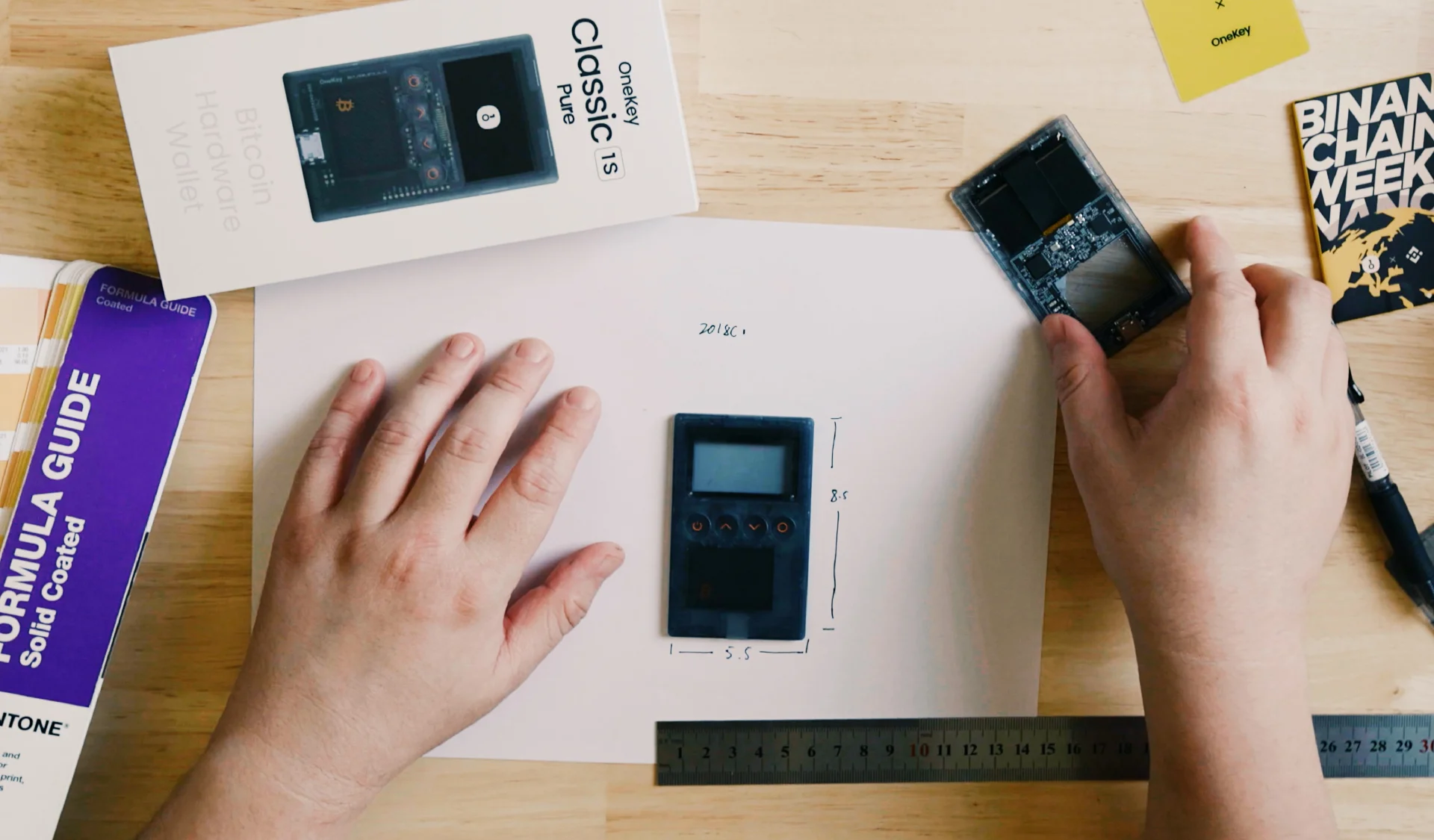
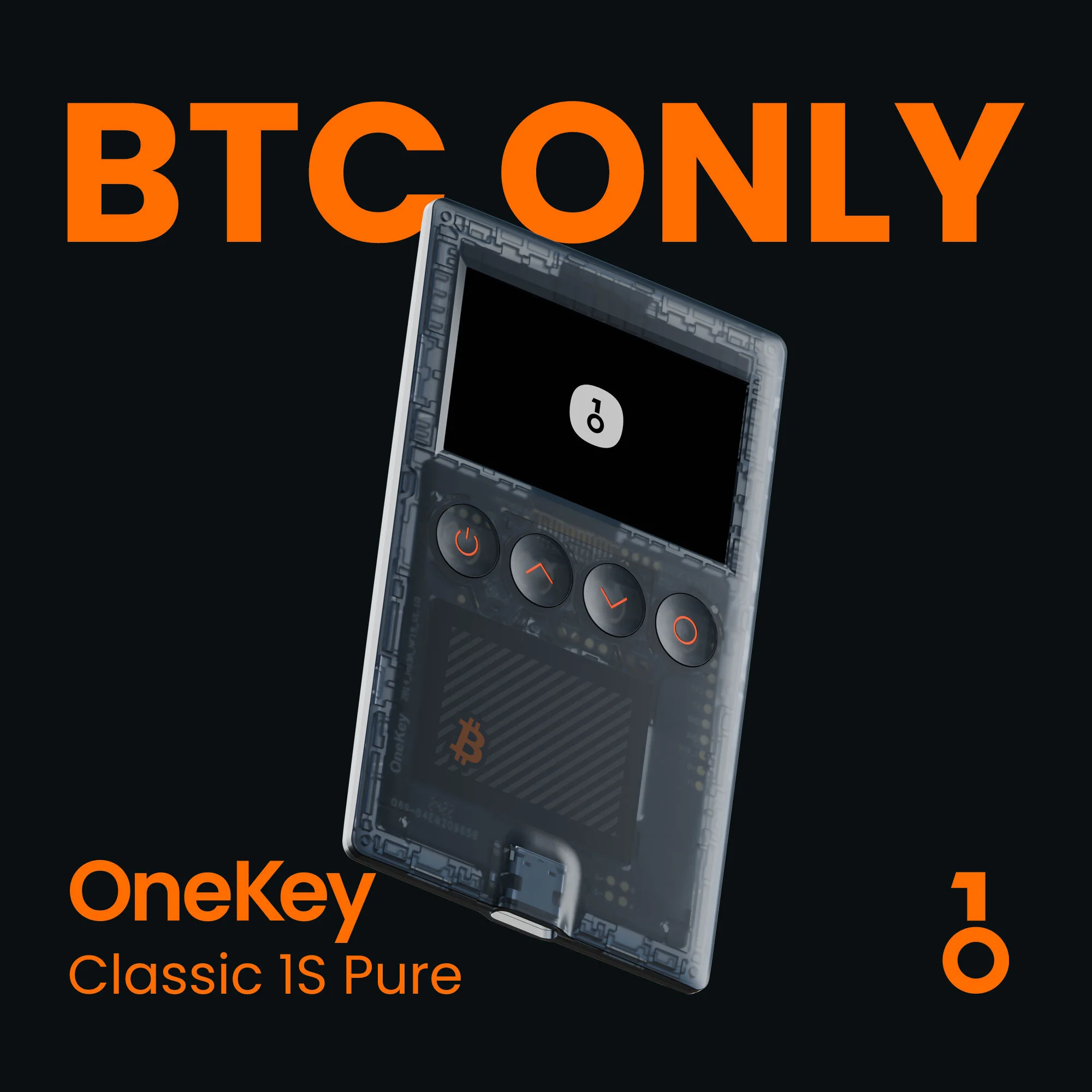
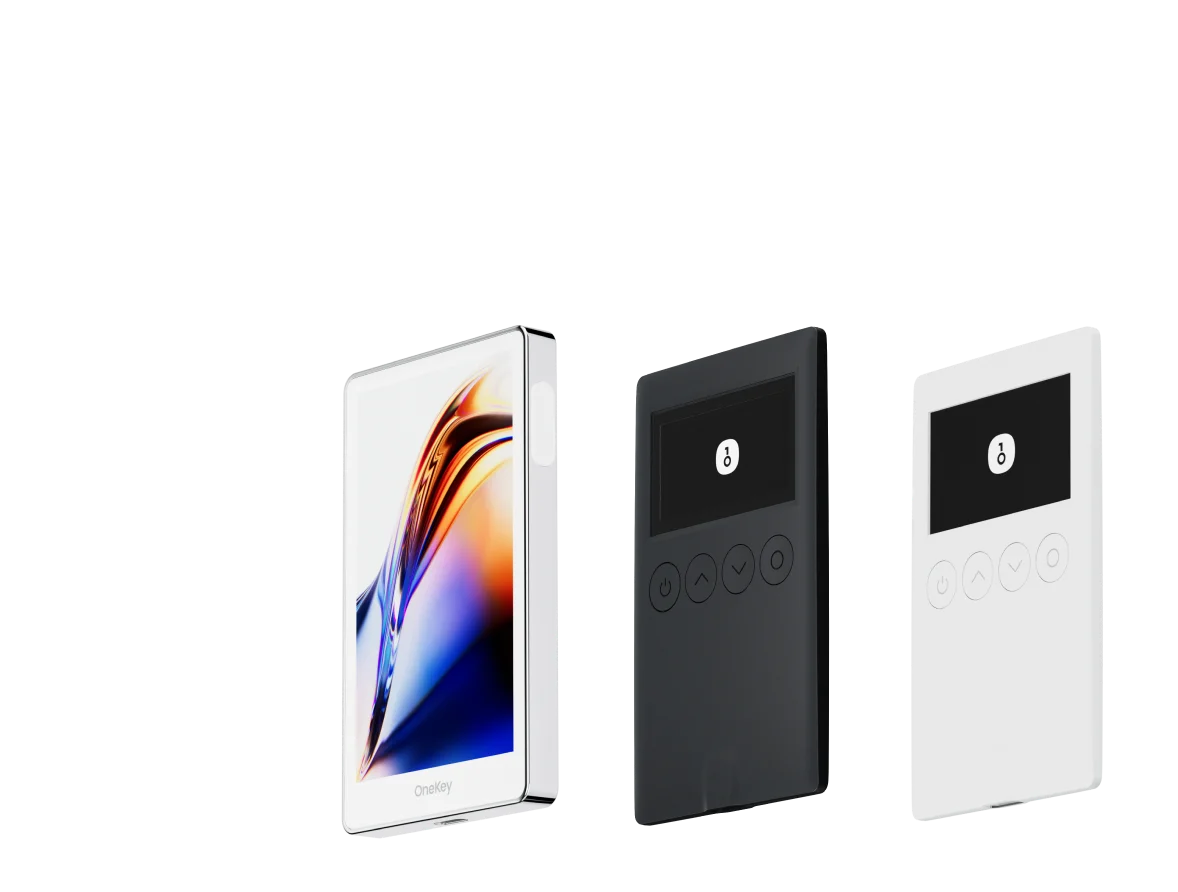
In OneKey's lineup, the Classic 1S Pure has always been the odd one out.
It has no battery. The moment we took the battery out, it stopped keeping pace with the "use it, charge it, replace it" rhythm of consumer electronics. It isn't a device you pull out of your pocket every day. Its job is to seal your private keys away — in a safe, in a drawer, somewhere out of reach — with none of the chemical aging that eventually kills any battery.
Beyond that, there isn't much to it — next to the Classic 1S, dropping the battery is really the only change. So this time we wanted the shell to be just as straightforward: whatever's inside, you should be able to see it.
That's where the Classic 1S Pure / BTC-Only transparent edition comes from.
Nothing in here needs hiding
Most shells are opaque, and there's nothing wrong with that. A shell's job is simple: wrap the internals, keep them safe, done — it owes you no view of what's inside. Transparency was never a requirement.
But we wanted Pure to be transparent anyway. Transparency turns the tables and makes a demand of you: the inside has to hold up to being looked at. That's the harder version of the job — once you commit to high-clarity polycarbonate (PC), every engineering detail is out under a magnifying glass, with nowhere to be vague.
Its structure was up to it. With the bulky battery gone, the circuit board becomes the part of the device that most deserves to be seen. To live up to that transparency, we cleaned up the black board more carefully than usual — nudging each component straight and into line, the way you'd go over a piece of source code. Under a clear shell, the traces, solder joints and chip layout stop being wiring nobody looks at; they're the grain of the device.
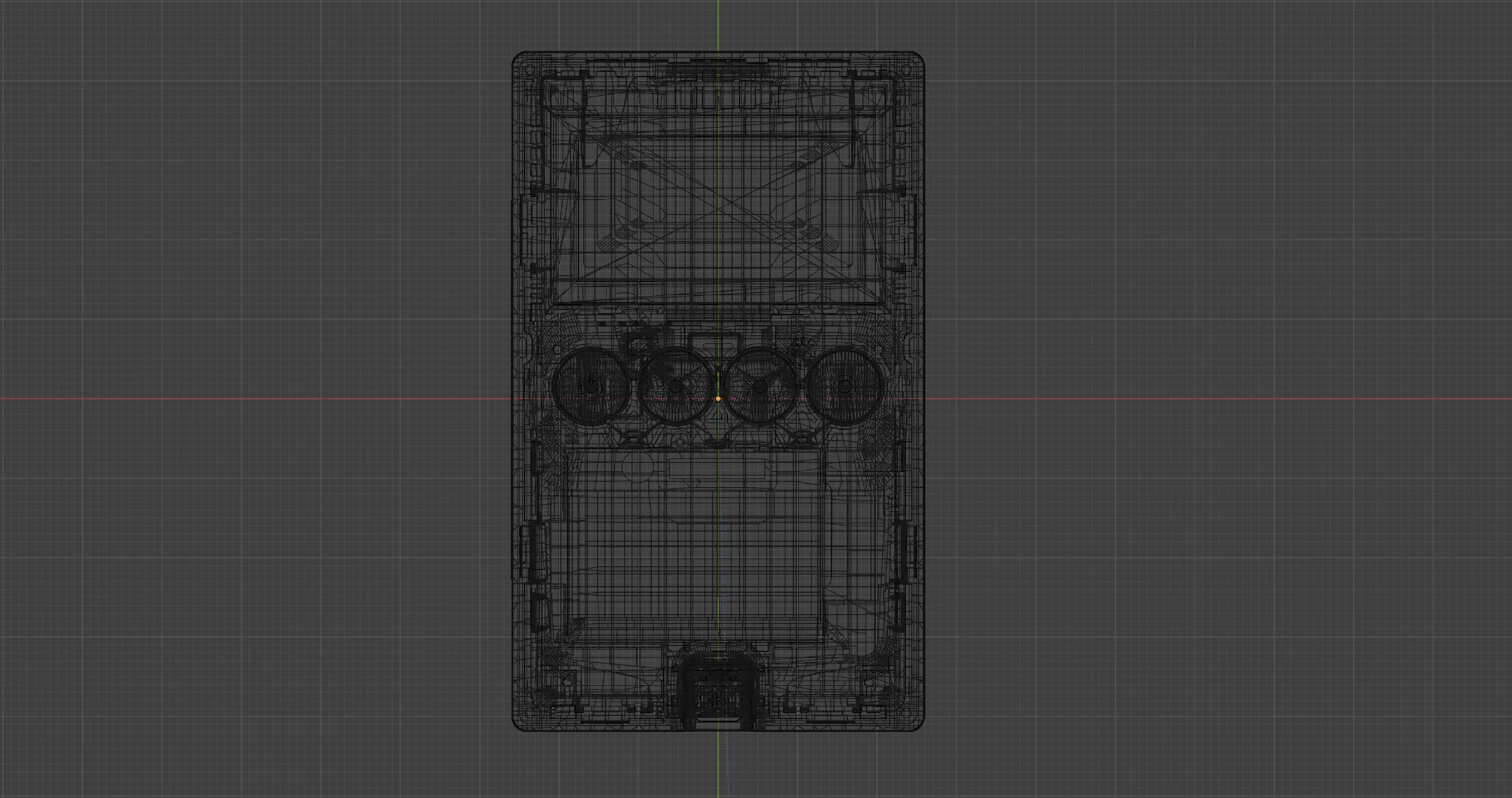 Wireframe of the Classic 1S Pure transparent edition's internal structure
That kind of order, sitting on the inside, wasn't something we were willing to bury under a layer of ordinary plastic.
The only color goes to Bitcoin orange
Clear body, black board underneath — we kept exactly one bit of color: Bitcoin orange.
It isn't a sticker on the surface. We printed that orange into the lowest silkscreen layer of the board itself. Light passes through the clear shell, skims across the evenly soldered chips, and lands on the orange logo at the very bottom. Layer over layer, it gives the thing a real sense of depth.
 The Bitcoin orange logo glowing through the transparent Pure in a shirt pocket, seen under X-ray
We call it "orange meets black." You don't have to power it on, you don't have to wake the screen. As long as there's light, that bit of orange is sitting there underneath — a quiet marker, reminding you there's no showmanship inside this device, just math and circuitry as they actually are.
It's still the same Pure
A transparent edition isn't us chasing novelty or fishing for attention.
Pure is still exactly what Pure was: no charging, content to lock your private keys in a safe and sleep through a few halving cycles. Transparency just turns that restraint into something you can see and hold.
In a hardware market wrapped in layers of packaging and over-marketing, a tool you can see straight into — one that does a single job — isn't easy to come by.
It has no ambition beyond going back to what a tool should be. The rest, we leave to time.