Il wallet Ethereum ti aiuta a conservare, inviare e ricevere facilmente asset digitali. Puoi effettuare transazioni di token cross-chain in qualsiasi momento, esplorare marketplace NFT e dApp e scoprire nuove opportunità. Portafoglio integrato per l’ecosistema Ethereum, ti offre un’esperienza on-chain sicura.




Perché scegliere i portafogli Ethereum con OneKey

Prendi il controllo della sicurezza che ti appartiene
Non è richiesta la verifica del nome reale. Non raccogliamo né tracciamo alcun dato utente. Il tuo portafoglio appartiene solo a te.
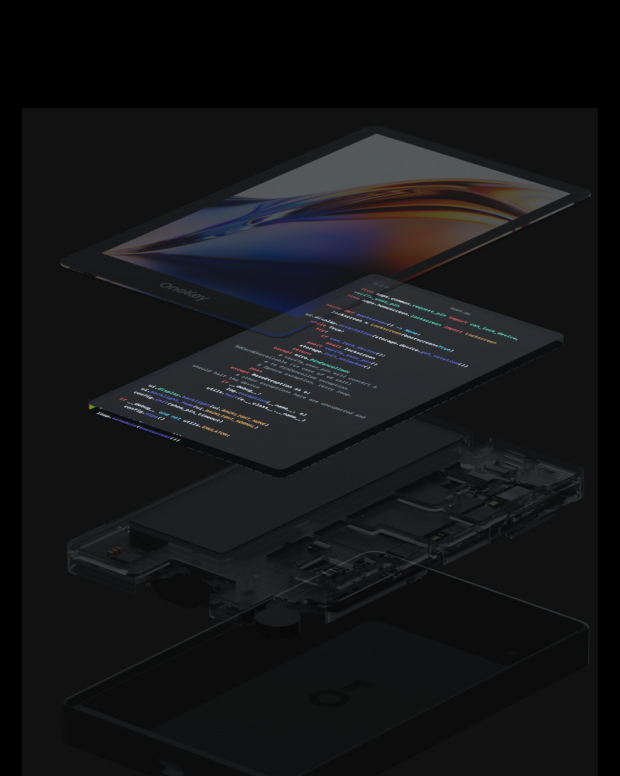
100% open source e trasparente
Ethereum Wallet è un portafoglio completamente open source; ogni riga di codice può essere verificata e verificata da esperti di sicurezza. La sicurezza non si basa sulle promesse, ma sulla trasparenza.

Protezione intelligente dai rischi
La protezione integrata contro il phishing delle dApp e le funzionalità per individuare token sospetti rilevano automaticamente i contratti rischiosi per impedire approvazioni dannose o furti di asset.

Supporto globale
Forniamo assistenza clienti multilingue 24 ore su 24, 7 giorni su 7 per risolvere i tuoi problemi in qualsiasi momento.

Domande frequenti
Ethereum è una piattaforma globale open-source per applicazioni decentralizzate. In altre parole, è una piattaforma blockchain decentralizzata che consente agli sviluppatori di creare e distribuire smart contract e applicazioni senza il controllo di un'autorità centrale. A differenza di Bitcoin, che funziona principalmente come valuta digitale, Ethereum opera come un computer globale programmabile in cui gli sviluppatori possono creare qualsiasi tipo di servizio decentralizzato.
La piattaforma ospita oltre 14 miliardi di dollari in applicazioni DeFi con centinaia di migliaia di utenti attivi in protocolli finanziari, mercati NFT e piattaforme di gioco. La sua transizione al Proof of Stake nel settembre 2022 ha ridotto il consumo energetico di oltre il 99%, affrontando le preoccupazioni ambientali e rafforzando la sicurezza della rete.
La rete opera attraverso migliaia di nodi validatori indipendenti che elaborano transazioni ed eseguono smart contract sulla Macchina Virtuale di Ethereum. Gli smart contract sono programmi autoeseguibili scritti in Solidity che eseguono automaticamente gli accordi quando le condizioni sono soddisfatte, eliminando intermediari come banche o broker.
I validatori mettono in staking ETH come garanzia per proporre e validare blocchi, guadagnando ricompense per la partecipazione onesta e affrontando penalità per comportamenti dannosi. L'aggiornamento EIP-1559 ha introdotto un meccanismo di commissione base dinamico che brucia ETH con ogni transazione, creando pressione deflazionistica durante l'elevata attività della rete quando viene bruciato più ETH di quanto emesso ai validatori.
Vitalik Buterin ha proposto Ethereum nel 2013, ma sette cofondatori hanno contribuito a costruirlo, tra cui Gavin Wood che ha creato Solidity e la specifica tecnica dell'EVM, e Joseph Lubin che ha fondato ConsenSys. Il progetto è stato lanciato nel luglio 2015 dopo aver raccolto oltre 18 milioni di dollari tramite crowdfunding, diventando rapidamente la più grande comunità di sviluppatori blockchain. Le tappe principali includono il lancio della Beacon Chain nel 2020, il hard fork London del 2021 che ha implementato la bruciatura delle commissioni e la Merge al Proof of Stake nel 2022.
Ether (ETH) svolge molteplici funzioni: pagare le commissioni di transazione (gas), fare staking per proteggere la rete e guadagnare rendimenti annuali del 3-5%, fungere da garanzia nei protocolli DeFi e acquistare NFT e asset digitali. L'asset è sempre più adottato dalle istituzioni tradizionali, con società quotate che aggiungono ETH ai tesori aziendali per generare rendimenti da staking mantenendo l'esposizione al blockchain, e nel 2024 la SEC ha approvato gli ETF spot su Ethereum, consentendo agli investitori tradizionali di ottenere esposizione tramite conti di intermediazione convenzionali.
La roadmap di Ethereum si concentra sull'aumento drastico della capacità di transazione a oltre 100.000 al secondo, sulla riduzione dei tempi di conferma e sul miglioramento della decentralizzazione mantenendo la sicurezza contro minacce future come il calcolo quantistico.
Il miglior portafoglio Ethereum deve bilanciare sicurezza e facilità d'uso. Con un portafoglio Ethereum puoi conservare e gestire in modo sicuro (nome del token), effettuare liberamente transazioni cross-chain, partecipare a protocolli DeFi e interagire con DApp. Il portafoglio Ethereum offre monitoraggio in tempo reale delle transazioni, meccanismi di sicurezza open source e trasparenti e un'esperienza fluida sulla rete Ethereum, dandoti il controllo completo sui tuoi asset crypto.
1. Scarica il portafoglio: visita il sito web ufficiale di OneKey e scarica l'app OneKey per macOS, Windows, iOS o Android.
2. Crea il portafoglio: apri l'app, seleziona "Crea nuovo portafoglio" o "Collega portafoglio hardware".
3. Backup del portafoglio: annota in modo sicuro la frase di recupero e conservala offline. Non caricheremo né salveremo mai la tua frase di recupero.
4. Deposita Ethereum: Copia l'indirizzo del portafoglio e trasferisci Ethereum da un exchange o da un altro portafoglio.
Tutte le chiavi private vengono generate e archiviate offline sul dispositivo, offrendoti il controllo completo sui tuoi asset.
1. Invia Ethereum: inserisci l'indirizzo Ethereum e l'importo, poi conferma la firma nell'app. La transazione verrà trasmessa alla blockchain subito dopo il completamento.
2. Ricevi Ethereum: fai clic su "Ricevi" per ottenere l'indirizzo del portafoglio, condividilo con il mittente e, dopo aver ricevuto i token, potrai vedere il saldo in tempo reale nell'app.
3. Gestisci gli asset: monitora la cronologia delle transazioni, accedi ai protocolli DeFi o esegui operazioni cross-chain nel portafoglio Ethereum, tutto in un'unica app.
Iscriviti alla nostra newsletter
Iscriviti alle newsletter OneKey per ricevere le ultime novità sui prodotti e le offerte.