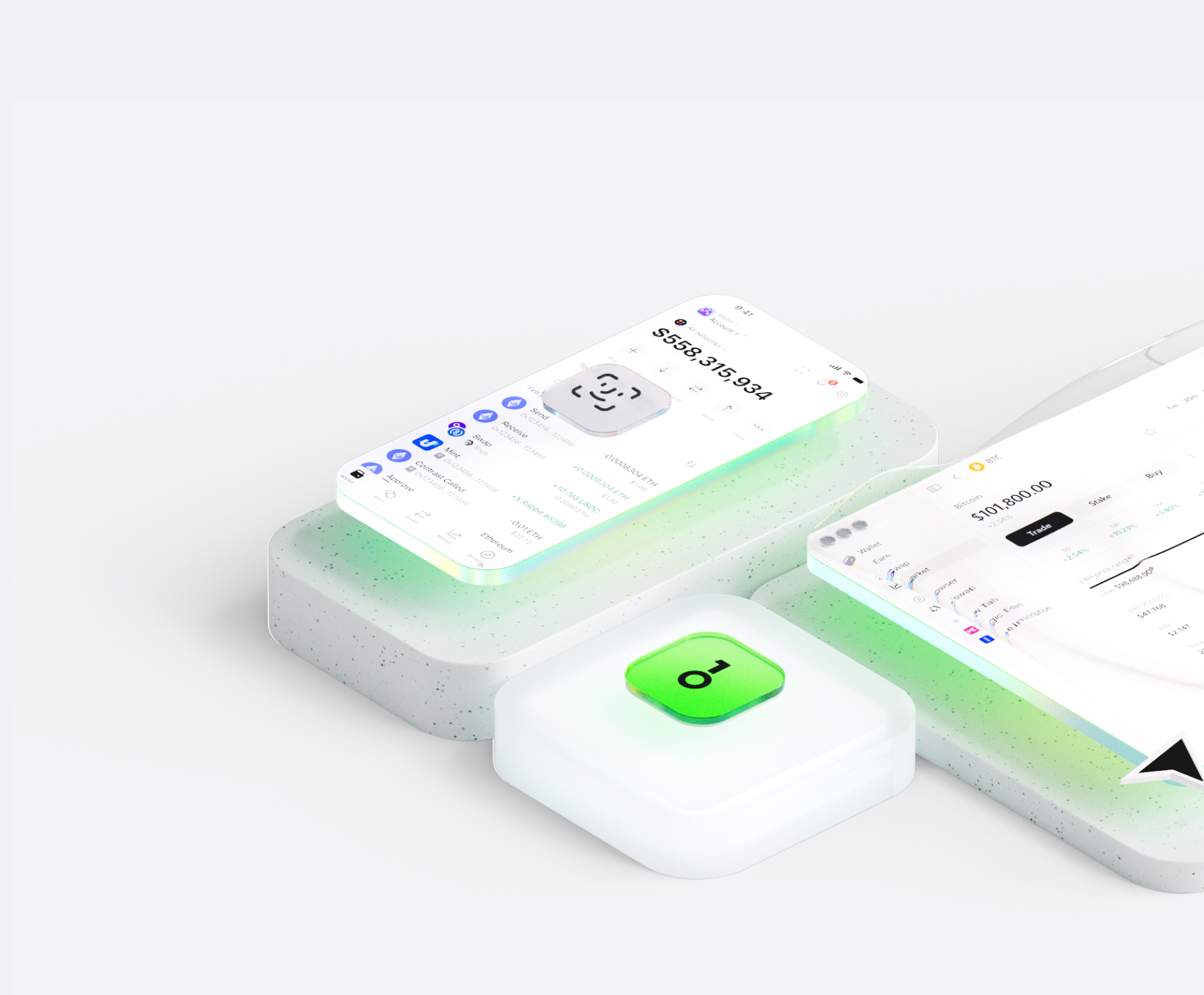

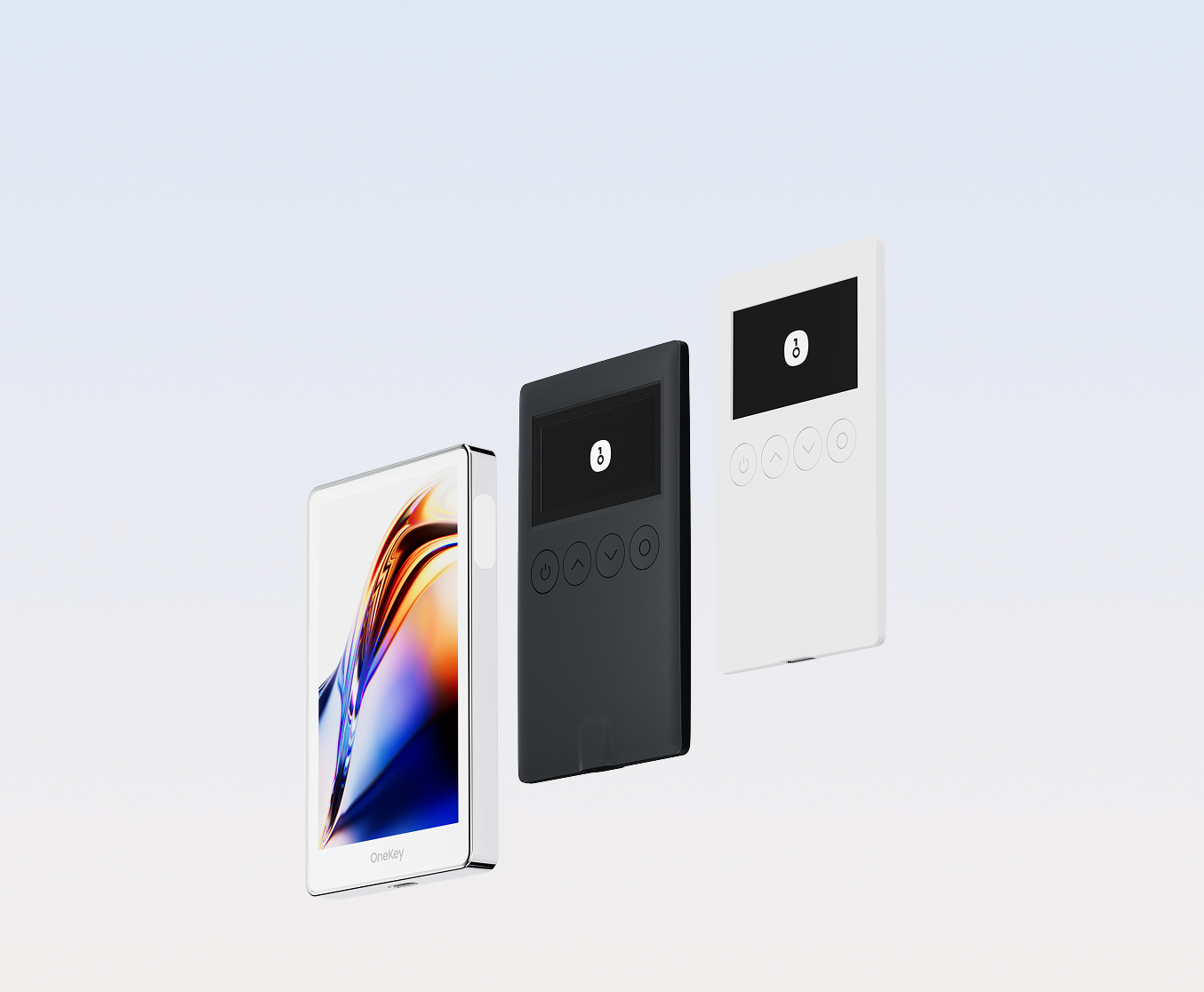
왜 선택해야 하나요? Sai OneKey가 있는 지갑
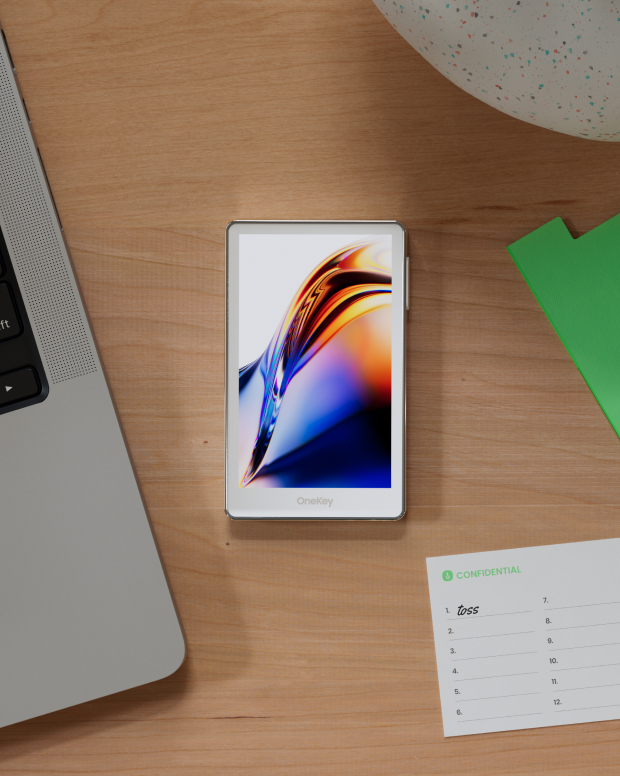
당신에게 속한 안전을 장악하세요
실명 확인이 필요하지 않습니다. 사용자 데이터를 수집하거나 추적하지 않습니다. 귀하의 지갑은 오직 귀하만의 것입니다.
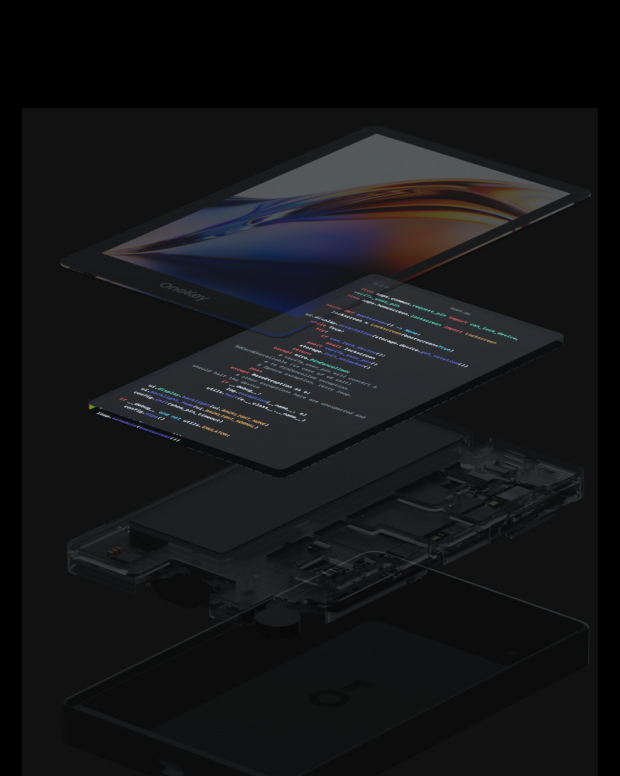
100% 오픈소스 및 투명성
Sai Wallet은 완전한 오픈소스 지갑입니다. 모든 코드는 보안 전문가의 감사 및 검증을 받을 수 있습니다. 보안은 약속이 아닌 투명성에 기반합니다.
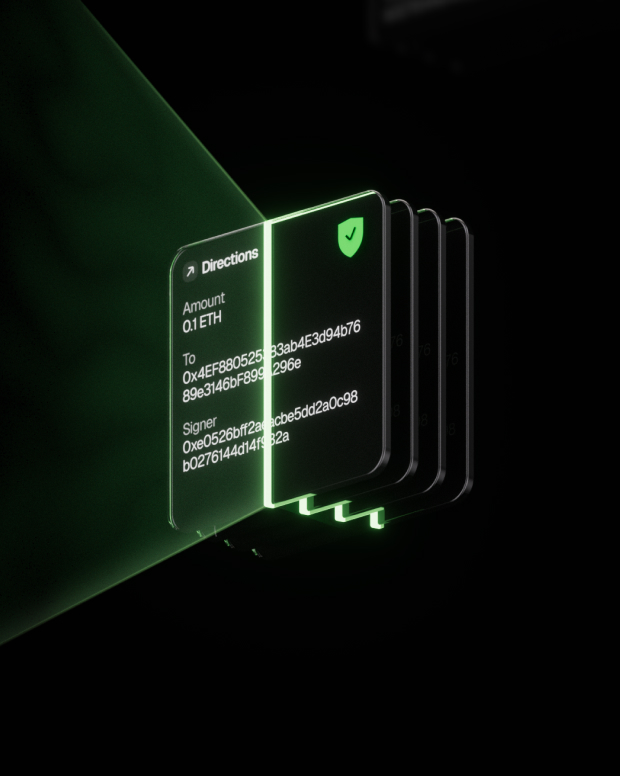
지능형 위험 보호
내장된 dApp 피싱 보호 기능과 의심스러운 토큰 폴딩 기능은 위험한 계약을 자동으로 감지하여 악의적인 승인이나 자산 도난을 방지합니다.

글로벌 지원
언제든지 고객의 문제를 해결하기 위해 24시간 연중무휴 다국어 고객 지원을 제공합니다.

자주 묻는 질문
무엇인가요 Sai?
Dai is a stablecoin. It is an Ethereum ERC20 token that is pegged to $1 USD — every Dai is worth $1, and will always be worth $1, regardless of how much Dai is in existence. There is no centralized authority like Tether that backs its value, and no traditional bank that backs each Dai with a real US dollar. There is nothing that can be shut down, and no centralized authority that needs to be trusted. Dai lives entirely within the Ethereum blockchain using smart contracts.
*Features of Dai:
1. Dai is always worth $1 USD each
2. It can be freely traded like any other ERC20 token
3. Anyone with an Ethereum wallet can own, accept, and transfer it
4. It can be exchanged without any middleman
5. No individual person or company has control over it
6. No government or authority can shut it down
*How Dai Works?
Dai is a masterpiece of game theory that carefully balances economic incentives in the pursuit of one goal — a token that is continuously approaching the value of $1 USD.
When Dai is worth above $1, mechanisms work to decrease the price. When Dai is worth below $1, mechanisms work to increase the price. The rational actors that take part in these mechanisms do so because they earn money anytime Dai is not perfectly worth $1. This is why Dai is always floating slightly above or below $1 — it is an endless wave function bouncing infinitely close to $1, but never quite achieving it. The farther Dai goes from $1, the more incentive there is to fix it. This is the magic of Dai.
*How is Dai Created?
Dai is simply a loan against Ethereum. By using the MakerDAO dApp, advanced users can take loans out in Dai against their ETH holdings.
First, ETH is turned into “wrapped ETH” (WETH), which is simply an ERC20 wrapping around ETH. This “tokenizes” ETH so it can be used like any other ERC20 token. Next, WETH is turned into “pooled ETH” (PETH), which means it joins a large pool of Ethereum that is the collateral for all Dai created. Once you have PETH, you can create a “collateralized debt position” (CDP), which locks up your PETH and allows you to draw Dai against your collateral, which is PETH. As you draw out Dai, the ratio of debt in the CDP increases. There is a debt limit that sets a maximum amount of Dai you can draw against your CDP. Once you have Dai, you can spend or trade it freely like any other ERC20 token.
*There are several important reasons why you would create Dai, despite the hassle:
1. You need a loan, and have an asset (ETH) to use as collateral for your loan
2. You believe ETH is going up in value. You can use your CDP to buy ETH on margin — you lock up your ETH in a CDP, draw Dai against it, use the Dai to buy more ETH on an exchange, and then use that ETH to further increase the size of your CDP. This can be accomplished without any third-party or centralized authority allowing you to do so — margin trading can be accomplished entirely on the blockchain.
3. The demand for Dai has driven the price above $1 USD. When this occurs, you can create Dai then immediately sell it on an exchange for greater than $1 USD. This is essentially free money, and is one of the mechanisms the Maker system uses to keep Dai pegged to $1 USD. Dai being worth over $1 USD encourages more Dai to be created.
These three reasons are enough to ensure that Dai is continually created.
가장 좋은 Sai 지갑은?
Sai 지갑은 어떻게 받나요?
Sai 지갑 사용 방법
뉴스레터를 구독하세요
최신 제품 소식과 특가 정보를 받아보려면 OneKey 뉴스레터를 구독하세요.