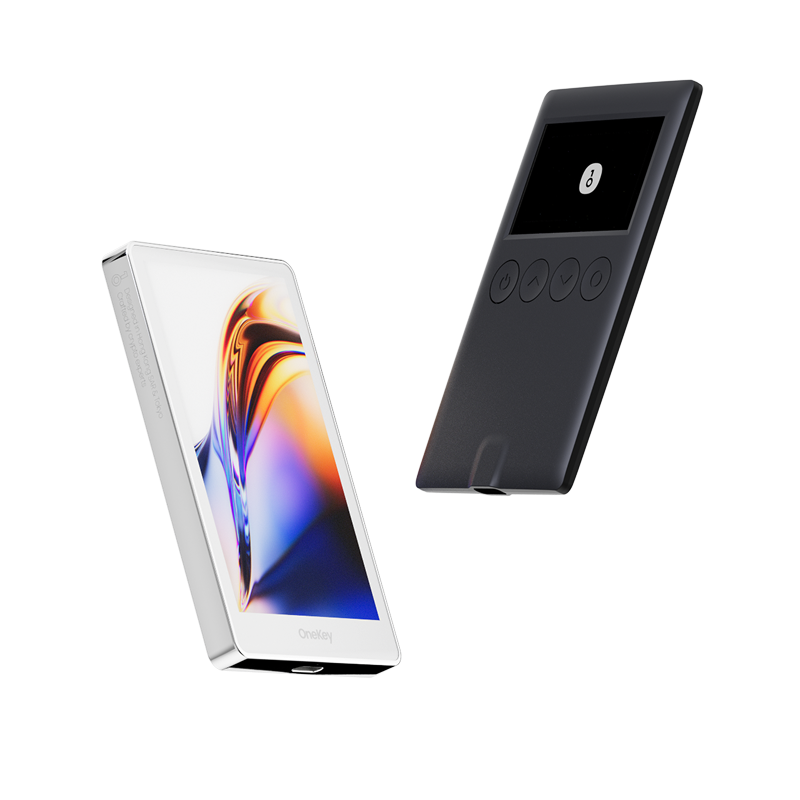
Wrapped CurrencyCoin 지갑은 디지털 자산을 쉽고 편리하게 보관하고, 보내고, 받을 수 있도록 도와줍니다. 언제든지 크로스체인 토큰 거래를 수행하고, NFT 마켓플레이스와 dApp을 탐색하며, 더 많은 기회를 발견할 수 있습니다. Wrapped CurrencyCoin 생태계를 위한 통합 지갑으로서, 안전한 온체인 경험을 제공합니다.

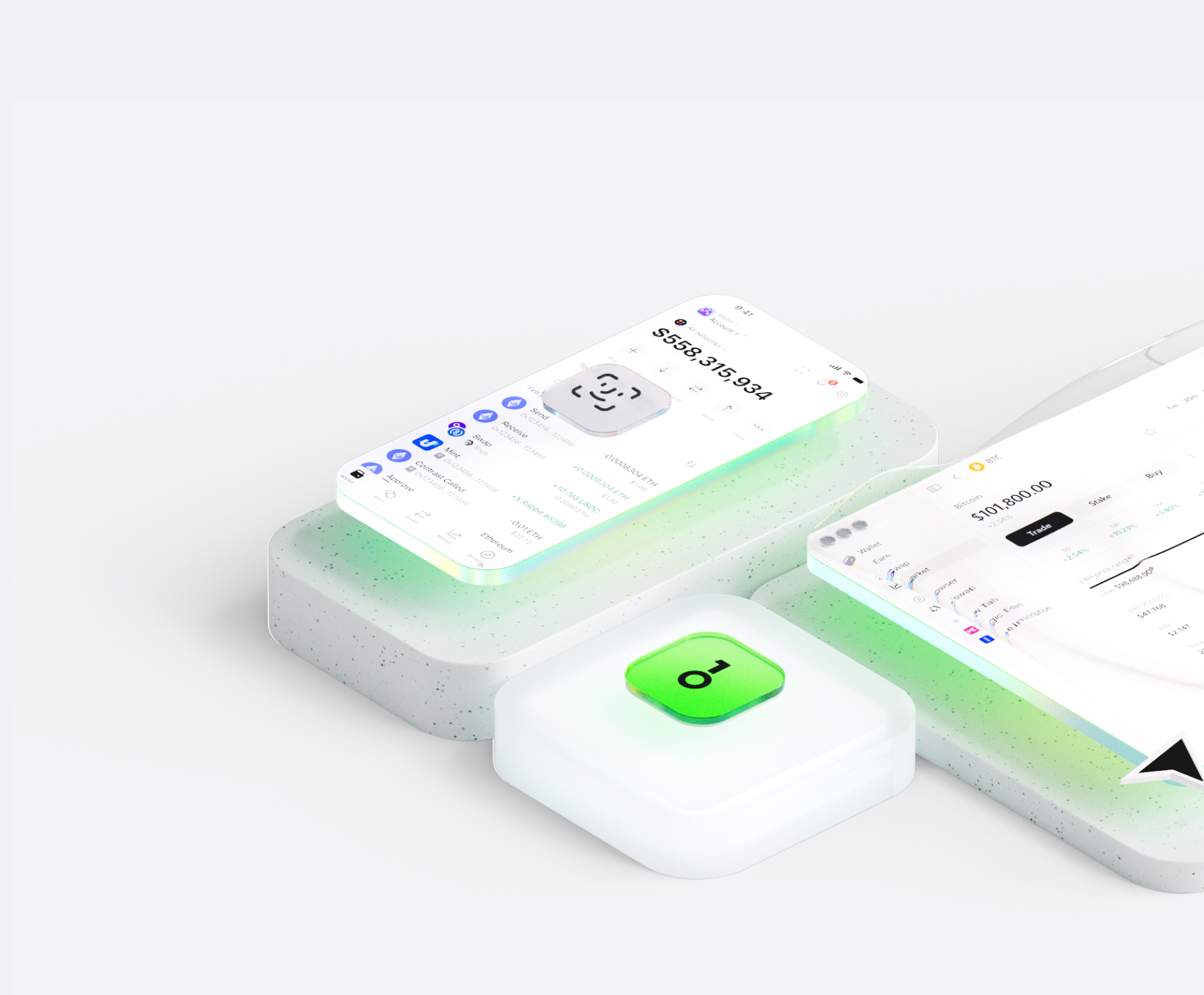

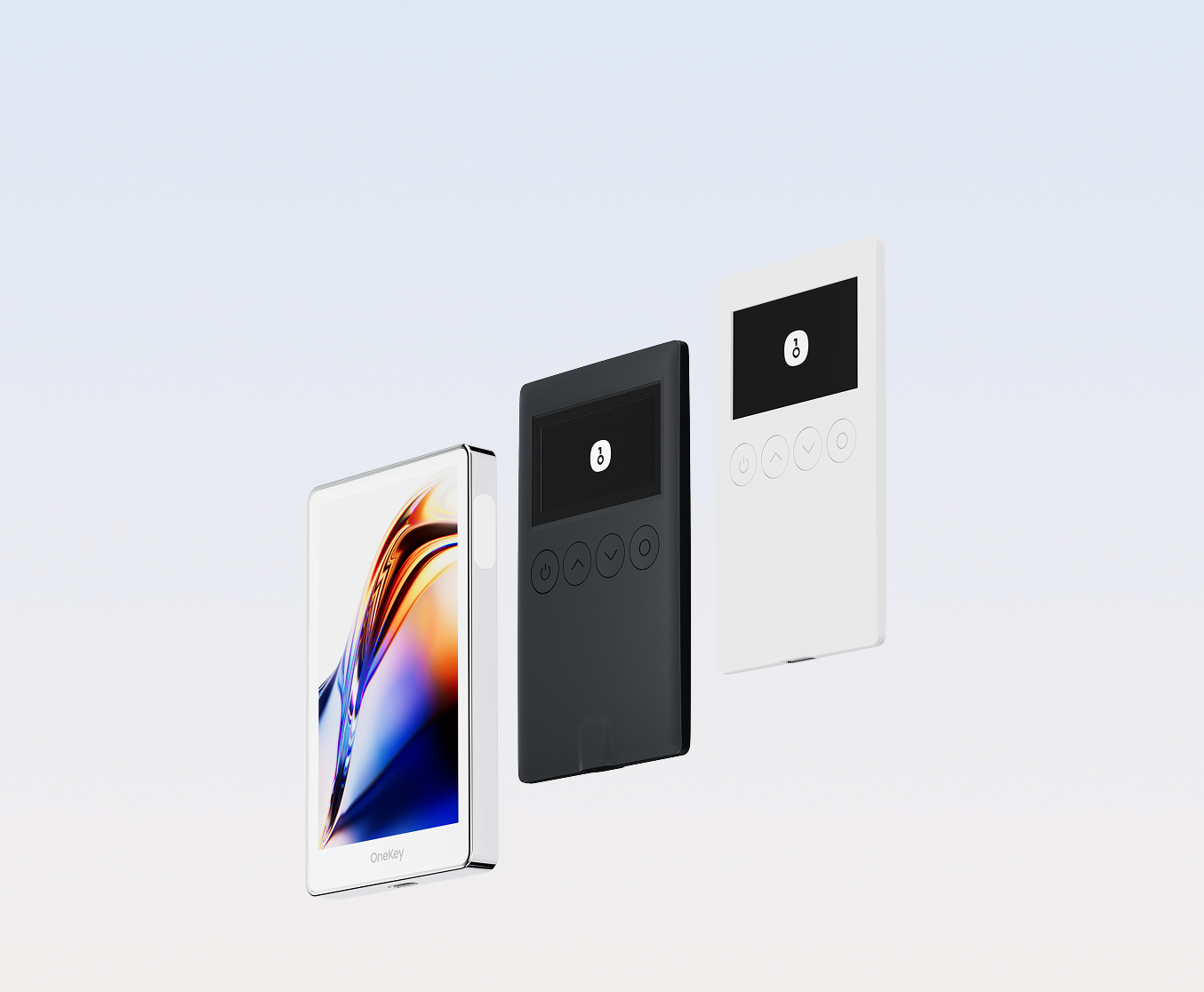
왜 선택해야 하나요? Wrapped CurrencyCoin OneKey가 있는 지갑
당신에게 속한 안전을 장악하세요
실명 확인이 필요하지 않습니다. 사용자 데이터를 수집하거나 추적하지 않습니다. 귀하의 지갑은 오직 귀하만의 것입니다.
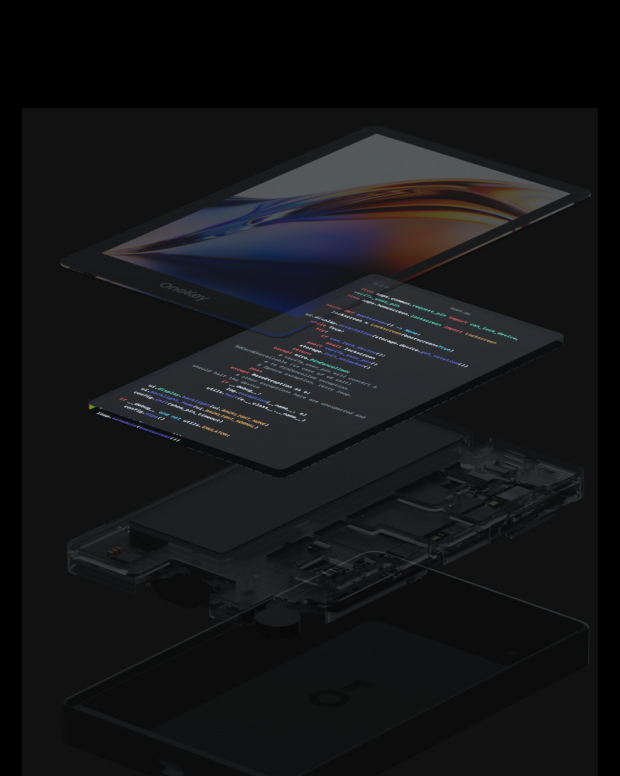
100% 오픈소스 및 투명성
Wrapped CurrencyCoin Wallet은 완전한 오픈소스 지갑입니다. 모든 코드는 보안 전문가의 감사 및 검증을 받을 수 있습니다. 보안은 약속이 아닌 투명성에 기반합니다.
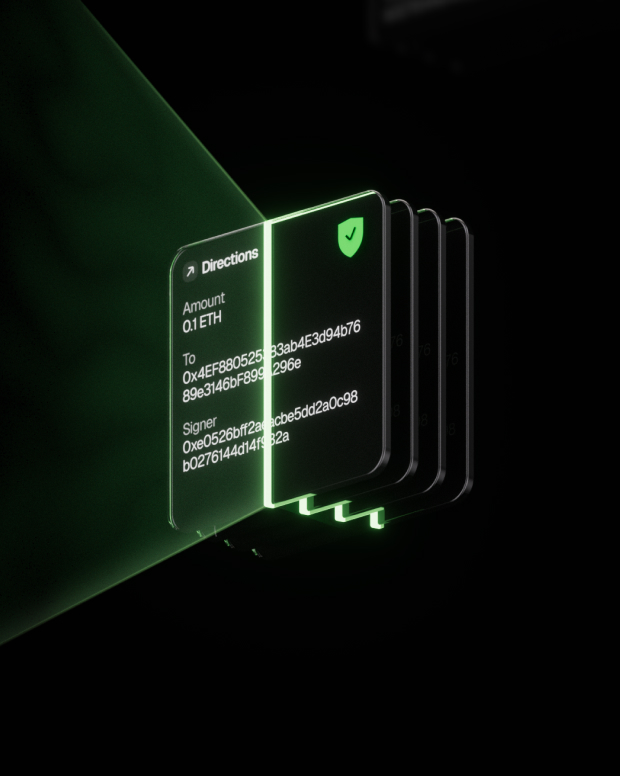
지능형 위험 보호
내장된 dApp 피싱 보호 기능과 의심스러운 토큰 폴딩 기능은 위험한 계약을 자동으로 감지하여 악의적인 승인이나 자산 도난을 방지합니다.

글로벌 지원
언제든지 고객의 문제를 해결하기 위해 24시간 연중무휴 다국어 고객 지원을 제공합니다.

자주 묻는 질문
무엇인가요 Wrapped CurrencyCoin?
From an Ethereum Wiki to the World's ERC-20 Standard
In the chaotic early days of Ethereum, there was no standard for tokens. Developers were creating incompatible contracts, leading to ecosystem fragmentation.
Recognizing this, Vitalik Buterin initiated the Standardized_Contract_APIs repository on GitHub. This public workspace became the cited foundation for what would eventually become ERC-20. The process was collaborative; developers like Caktux and Simon de la Rouviere (Simondlr) and many others contributed ideas and code, debating function names like disapprove versus unapprove.
On September 6, 2015, Vitalik Buterin committed the Solidity version of currency.sol, which served as the initial code template used in discussions and cited in the Final ERC-20 Standard. Just two days later, on September 8, 2015, developer 'rfikki' deployed a modified version of this contract to the mainnet. This deployment became a live implementation of some of the earliest code examples by which currency.sol was used to later formalize the official EIP-20 proposal.
가장 좋은 Wrapped CurrencyCoin 지갑은?
Wrapped CurrencyCoin 지갑은 어떻게 받나요?
Wrapped CurrencyCoin 지갑 사용 방법
뉴스레터를 구독하세요
최신 제품 소식과 특가 정보를 받아보려면 OneKey 뉴스레터를 구독하세요.