지원 네트워크
EthereumMoonbeamPolygonSolanaKusama


무엇인가요 Lido?
사용 방법 Lido
01
OneKey 브라우저를 엽니다


OneKey 앱에서 브라우저를 열고 다음을 검색하세요. Lido.
02
지갑 연결


에 Lido 페이지에서 OneKey를 선택하고 연결을 승인하세요.
03
작업 선택


Lido에서 작업을 선택하고 세부 정보를 입력하세요.
04
확인하고 서명하세요


OneKey에서 거래를 검토한 후, 장치에서 확인하고 서명하세요.
OneKey가 최고의 파트너인 이유는 무엇입니까? Lido?

모든 플랫폼에서 지원됨
데스크톱, 모바일 및 브라우저 확장 프로그램 - 안전하게 연결 Lido 어떤 기기에서든.

멀티체인 호환
주요 공공 체인에 대한 기본 지원 Lido (예: Ethereum, Arbitrum, Polygon, BNB Chain, Avalanche 등)을 운영하여 하나의 지갑으로 여러 체인에 걸쳐 자산을 관리할 수 있습니다.

내장된 dApp 브라우저
OneKey의 보안 dApp 브라우저를 사용하면 한 번의 탭으로 액세스할 수 있습니다. Lido보다 안전한 상호작용을 위해 계약 및 피싱 검사를 실시합니다.

하드웨어 수준 보안
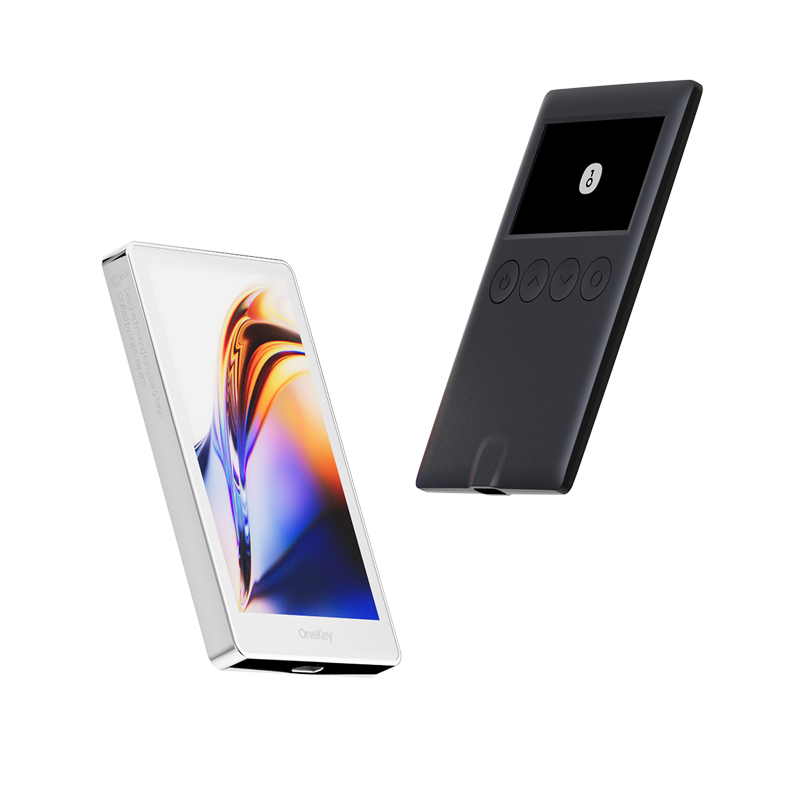
OneKey 하드웨어 지갑을 사용하면 키가 오프라인 상태로 유지되고 모든 중요한 작업이 장치에서 확인되어 하드웨어 수준의 보호가 제공됩니다.
하드웨어 지갑이 dApp을 더 안전하게 만드는 이유는 무엇일까요?
오프라인으로 저장된 개인 키
귀하의 개인 키는 안전한 오프라인 칩에 저장되며 인터넷에 절대 접속되지 않습니다.

모든 거래를 물리적으로 확인하세요.
하드웨어 지갑 화면에서 모든 거래를 보고 승인하세요.

악성 소프트웨어로부터 보호
휴대폰이나 컴퓨터가 감염되더라도 보안 칩이 귀하의 자산을 안전하게 보호합니다.

오픈소스 검증 가능
OneKey는 완전히 오픈 소스이며, 커뮤니티를 통해 보안이 입증되었습니다.
OneKey 하드웨어 지갑과 함께 사용하면 차원이 다른 보안을 누릴 수 있습니다.


뉴스레터를 구독하세요
최신 제품 소식과 특가 정보를 받아보려면 OneKey 뉴스레터를 구독하세요.