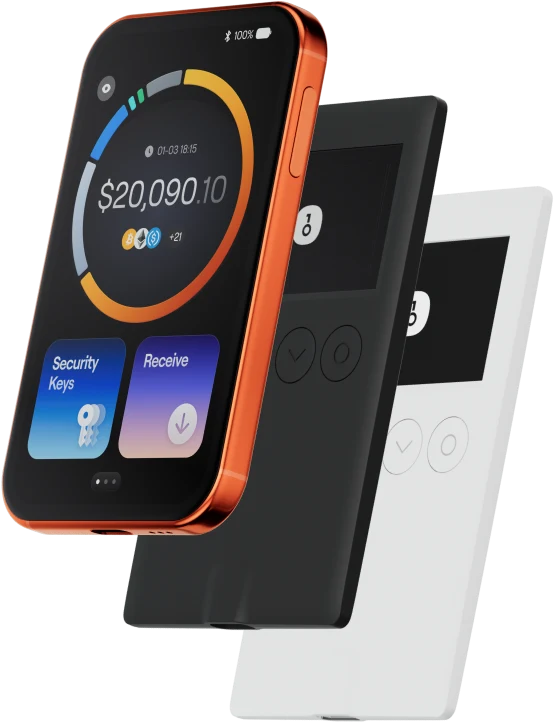
A carteira Syndicate ajuda você a armazenar, enviar e receber ativos digitais facilmente. Você pode realizar transações de tokens entre cadeias a qualquer momento, explorar marketplaces de NFT e dApps, e descobrir mais oportunidades. Uma carteira integrada para o ecossistema Syndicate, ela oferece uma experiência segura on-chain.
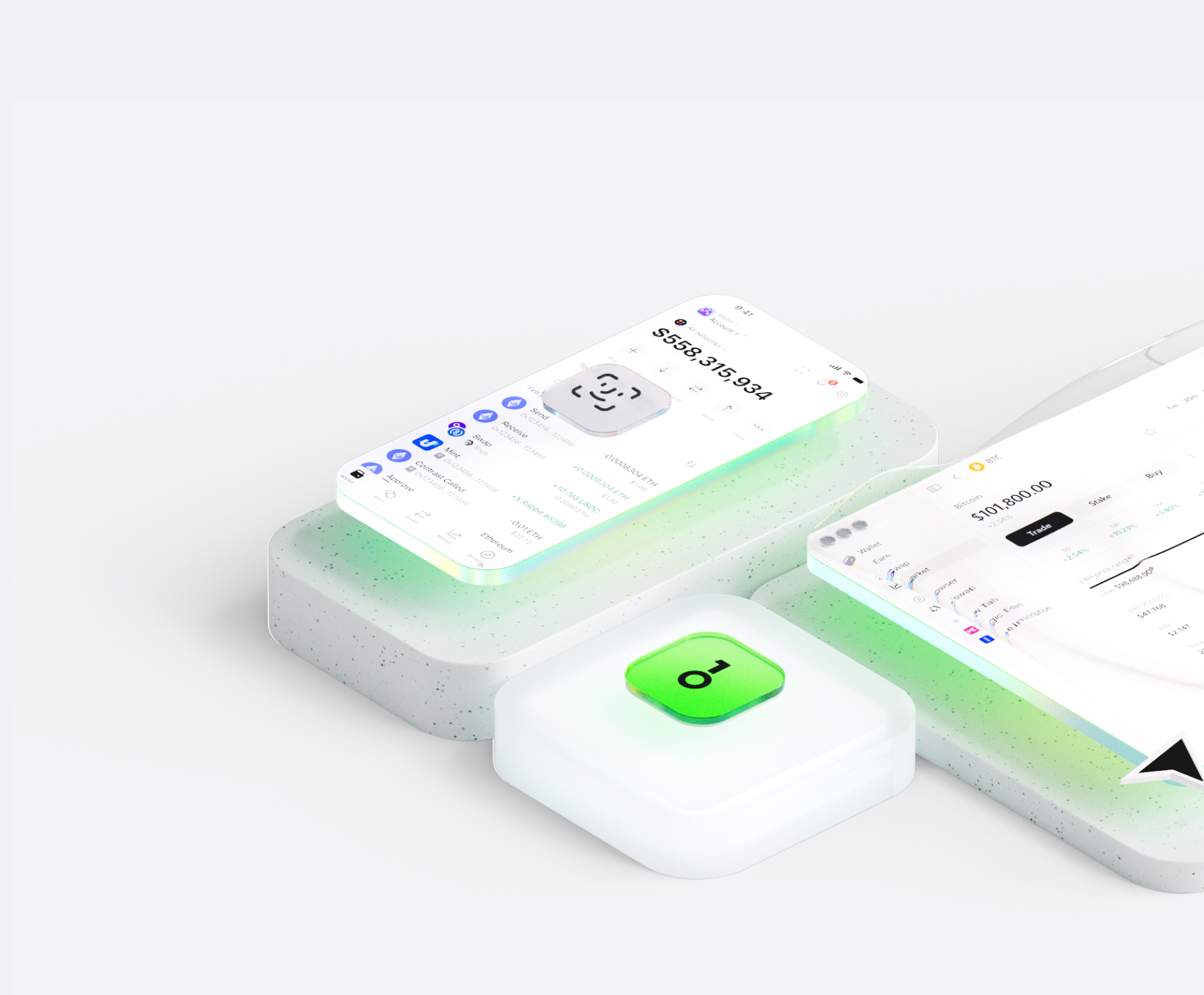
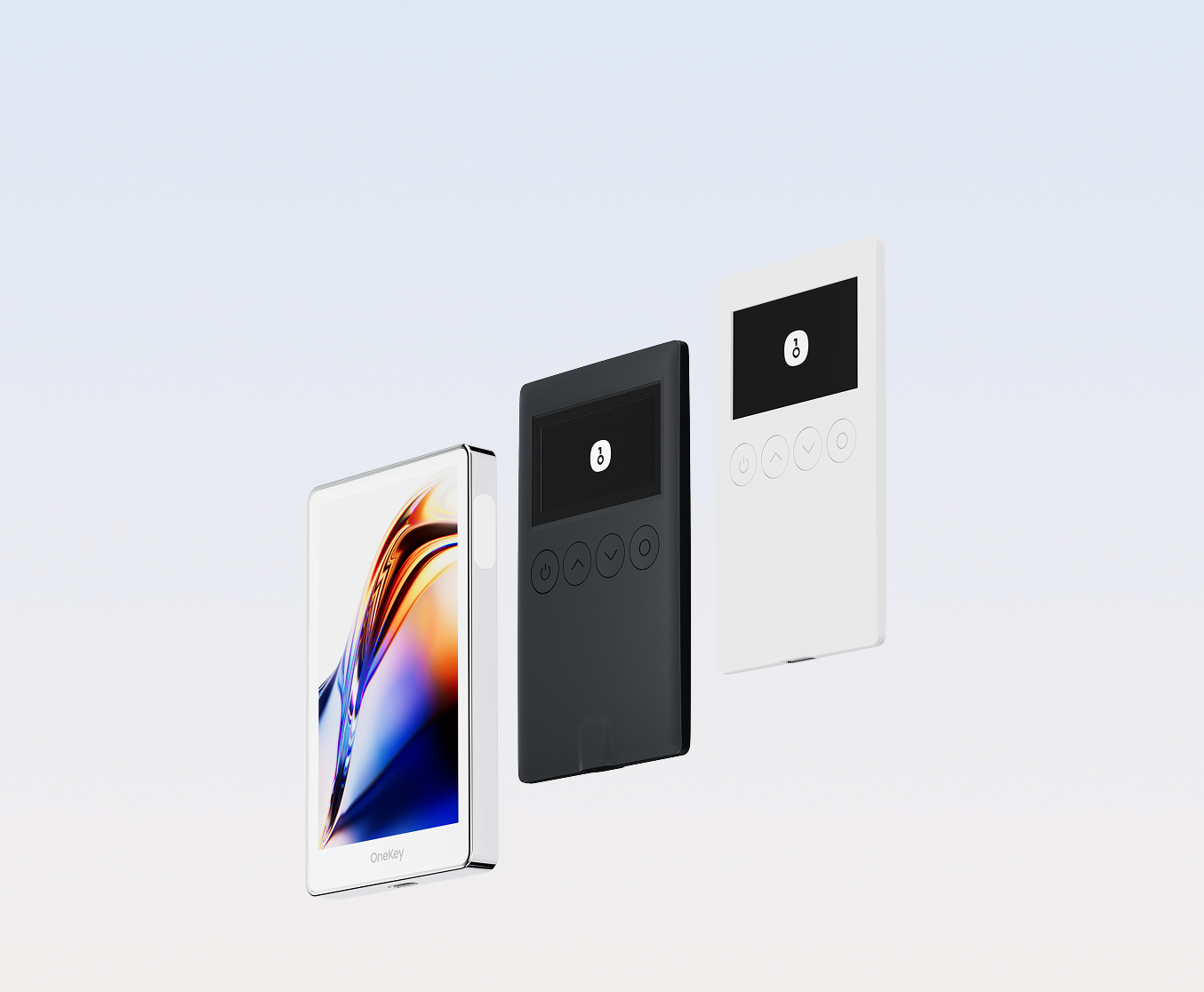
Por que escolher Syndicate Carteiras com OneKey
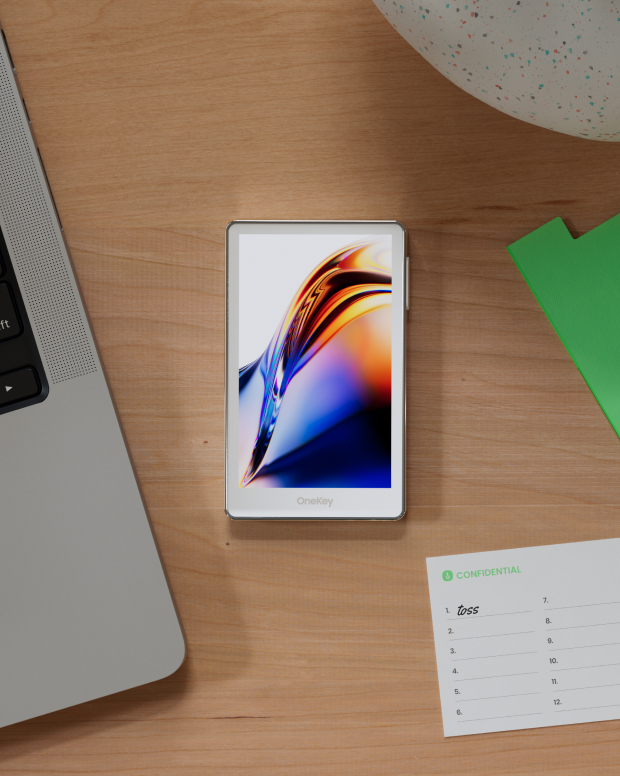
Assuma o controle da segurança que lhe pertence.
Não é necessária verificação de nome real. Não coletamos nem rastreamos dados do usuário. Sua carteira pertence somente a você.
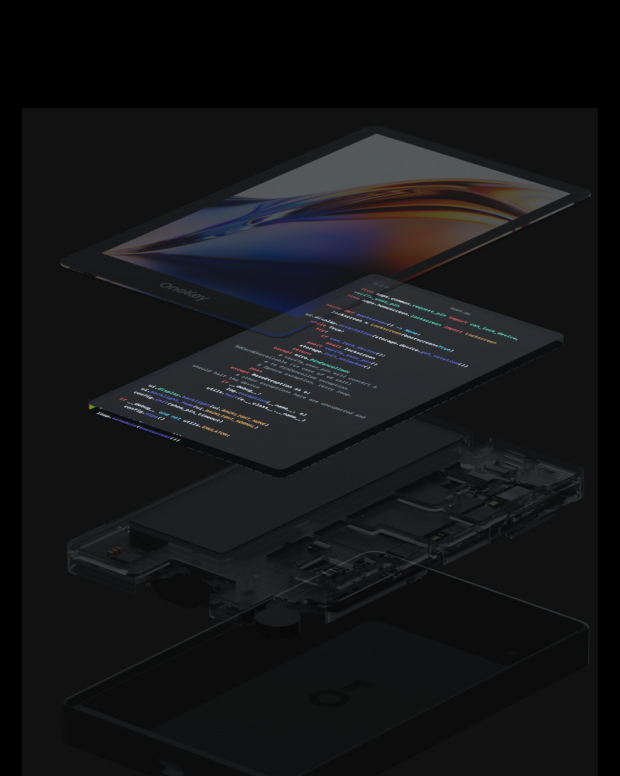
100% de código aberto e transparente
A carteira Syndicate é totalmente de código aberto; cada linha de código pode ser auditada e verificada por especialistas em segurança. A segurança não se baseia em promessas, mas em transparência.
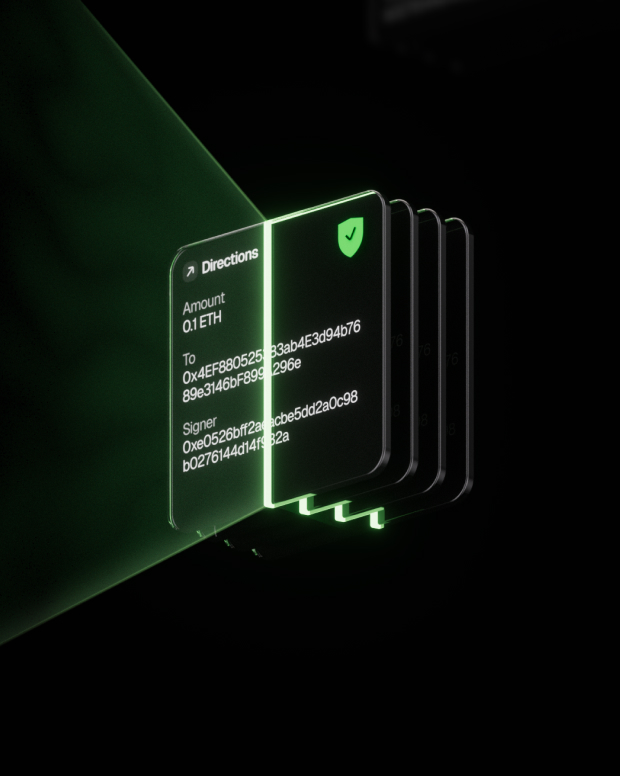
Proteção Inteligente contra Riscos
A proteção integrada contra phishing em dApps e os recursos de detecção automática de tokens suspeitos identificam contratos de risco para evitar aprovações maliciosas ou roubo de ativos.

Apoio global
Oferecemos suporte ao cliente multilíngue 24 horas por dia, 7 dias por semana, para resolver seus problemas a qualquer momento.
Perguntas frequentes
The Syndicate Network permite que desenvolvedores construam e operem smart rollups—blockchains específicas para aplicações (appchains) com smart sequencers programáveis e onchain. Com lançamento previsto para 2025-09-17, a Syndicate move a lógica de sequenciamento de serviços centralizados e offchain para smart contracts transparentes na Syndicate Network, permitindo que as aplicações personalizem sua ordem de transações, estruturas de taxas e modelos de governança. O token SYND, com oferta fixa de 1 billion tokens, serve tanto como o token nativo de gas da Syndicate Network e da Commons Chain (a L3 da Syndicate que faz settlement na Base) quanto como o token de governança de toda a rede. Originalmente implantado na Ethereum Mainnet com bridge para a Base, o SYND é lançado com 92% da oferta mintada no genesis e 8% distribuídos por meio de emissões programáticas ao longo de quatro anos. O SYND funciona como infraestrutura essencial para operações e governança da rede. Como token de gas, operadores de appchains usam SYND para pagar por transações de sequenciamento, implantação de contratos de sequencer e gravação de blocos na Syndicate Network. Como token de governança, os holders de SYND controlam a direção da rede por meio de uma Wyoming Decentralized Unincorporated Nonprofit Association (DUNA), que detém o tesouro de 258.7 million tokens. Os holders votam em alocações do tesouro, upgrades da rede e parcerias estratégicas, garantindo que a comunidade mantenha o controle sobre a evolução do ecossistema. Com início das emissões previsto para 2025-10-01, os holders também fazem staking de SYND na Commons Chain para ganhar a partir de um pool de 80 million tokens distribuído ao longo de 48 thirty-day epochs em três pools: o Base Pool (30%) oferece retornos proporcionais ao valor e à duração do stake, o Performance Pool (30%) recompensa os stakers com base no sucesso das appchains que apoiam, e o Appchain Pool (40%) financia diretamente as appchains com base nas taxas geradas e no stake atraído. Os holders interagem com SYND por meio da infraestrutura padrão de web3 tanto para staking quanto para governança. Após fazer bridge dos tokens da Ethereum ou da Base para a Commons Chain, os holders depositam SYND no contrato de staking e alocam seu stake entre appchains em epochs de 30-day. A partir de 2025-10-31, os stakers deverão alocar 100% de seu stake para appchains específicas, criando um alinhamento direto entre holders de tokens e o crescimento do ecossistema. As recompensas de staking são calculadas com base tanto no valor staked quanto no desempenho das appchains apoiadas—holders que identificam appchains bem-sucedidas cedo obtêm retornos desproporcionais do Performance Pool. Além do staking, os holders participam de decisões de governança que moldam o futuro da rede, desde alocações do tesouro até upgrades de protocolo, garantindo que a comunidade retenha soberania sobre a infraestrutura que utiliza. A arquitetura de smart sequencer permite que as appchains evoluam por meio de upgrades de smart contract, e não de mudanças de infraestrutura—alterando tudo, da ordem das transações à distribuição de taxas, por meio de simples atualizações de módulos. À medida que a rede amadurece, o papel do SYND se expande para proteger a própria Syndicate Network por meio de validação proof-of-stake, com o modelo econômico migrando de emissão-driven para fee-driven à medida que o uso cresce. A estrutura de governança garante que as principais decisões—desde ajustes no cronograma de emissões até desembolsos do tesouro para o desenvolvimento do ecossistema—permaneçam sob o controle dos holders por meio da estrutura DUNA. Esse design alinha os incentivos de todos os participantes: desenvolvedores capturam valor por meio de appchains personalizadas, holders de tokens ganham retornos apoiando projetos bem-sucedidos enquanto governam a direção da rede, e o ecossistema mais amplo se beneficia de chains construídas para propósito específico, com economia programável e composabilidade atômica entre chains.
A melhor carteira Syndicate equilibra segurança e facilidade de uso. Com uma carteira Syndicate, você pode armazenar e gerenciar (nome do token) com segurança, realizar transações entre blockchains, participar de protocolos DeFi e interagir com DApps. A carteira Syndicate oferece rastreamento de transações em tempo real, mecanismos de segurança de código aberto e transparentes e uma experiência fluida na rede Syndicate, dando a você controle total sobre seus criptoativos.
1. Baixe a carteira: Acesse o site oficial da OneKey e baixe o app OneKey para macOS, Windows, iOS ou Android.
2. Crie a carteira: Abra o app e selecione "Criar nova carteira" ou "Conectar carteira de hardware".
3. Faça backup da carteira: Anote a frase de recuperação com segurança e guarde-a offline. Nós nunca enviamos nem salvamos sua frase de recuperação.
4. Deposite Syndicate: Copie o endereço da carteira e transfira Syndicate de uma corretora ou de outra carteira.
Todas as chaves privadas são geradas e armazenadas offline no dispositivo, dando a você controle total sobre seus ativos.
1. Enviar Syndicate: informe o endereço Syndicate e o valor e, em seguida, confirme a assinatura no aplicativo. A transação é transmitida para a blockchain imediatamente após a conclusão.
2. Receber Syndicate: clique em "Receber" para obter o endereço da carteira e compartilhe-o com o remetente; depois de receber os tokens, você acompanha o saldo em tempo real no aplicativo.
3. Gerenciar ativos: acompanhe o histórico de transações, acesse protocolos DeFi ou faça operações entre blockchains na carteira Syndicate — tudo em um só aplicativo.
Assine nossa newsletter
Assine os boletins informativos da OneKey para receber as últimas notícias e ofertas de produtos.