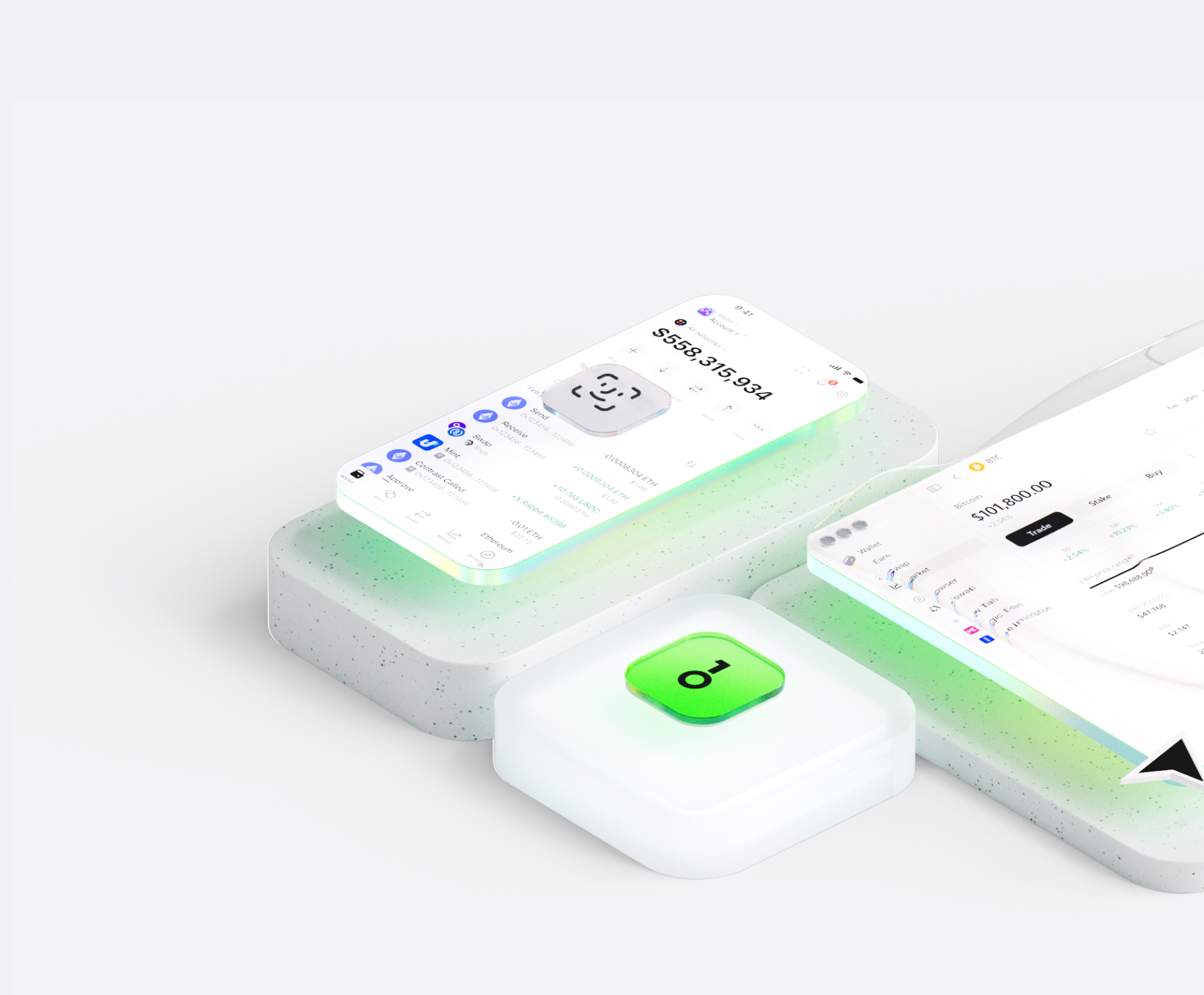


為什麼選擇 OneKey 的 General Impressions 錢包

掌控屬於你的安全
無需實名驗證即可使用。我們不收集、不追蹤任何用戶數據。你的錢包,只屬於你自己。
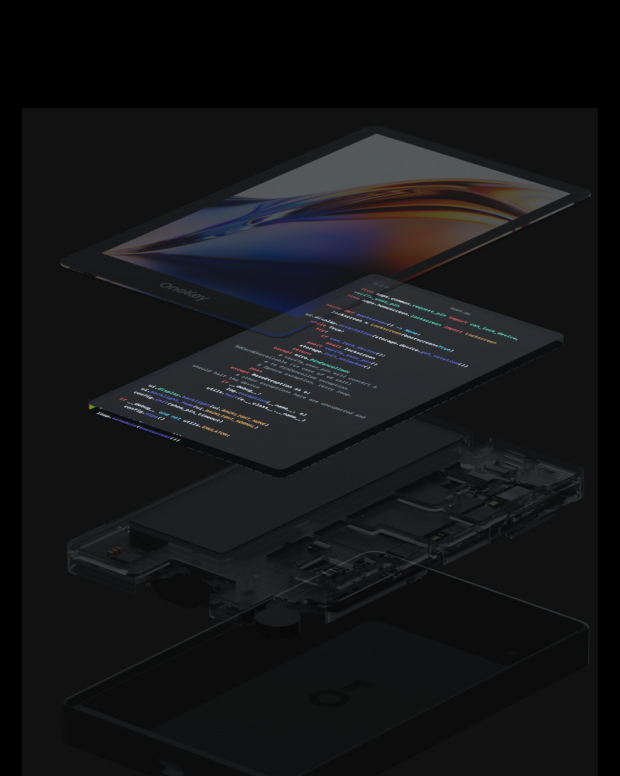
100% 開源透明
General Impressions wallet 是完全開源的錢包,每一行代碼都可被安全專家審計與驗證。安全,不靠承諾,而靠透明。
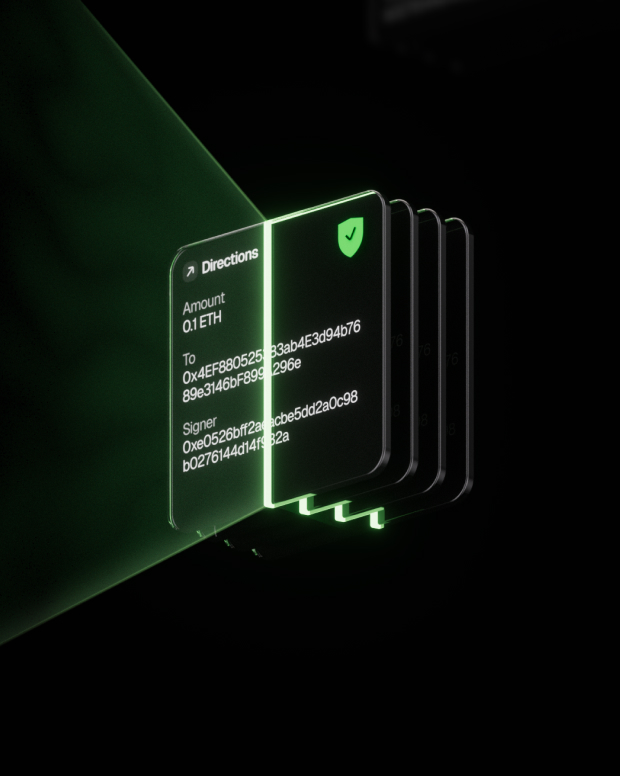
智慧風險防護
內置 dApp 釣魚防護與可疑代幣摺疊功能,自動識別風險合約,防止被惡意授權或盜取資產。

全球支持
提供 7×24 小時多語言客服支持,隨時為你解決問題。

常見問題
什麼是 General Impressions?
General Impressions (GI) is a decentralized execution framework designed to support the emergence of Agentic AI—systems composed of autonomous software agents that can persist over time, coordinate with other agents, and adapt their behavior as they learn. Unlike traditional AI tools such as Manus, which executes discrete tasks without memory, or n8n, which automates workflows through static rule-based logic, GI provides a fully programmable runtime for long-lived, composable, and self-evolving agents. It does this through Glint, an open-source engine written in Rust, where agents are not stateless scripts but autonomous processes capable of maintaining state onchain, coordinating with other agents via native protocols, and dynamically updating their logic mid-execution. This enables a new kind of software behavior: not one-off responses, but ongoing loops of perception, memory, reasoning, and action—functionally similar to operating systems for agents.
Rust plays a central role in GI’s design. The language’s memory safety guarantees, concurrency model, and strict lifecycle control provide the stability and performance necessary for running agents over long time horizons. GI’s architecture embraces modularity at its core: agent logic is structured as a graph, where nodes represent functional modules and edges encode control and data flows. These modules are designed to be reused and recombined, allowing developers to build complex systems from simple, interoperable components. This makes GI fundamentally different from orchestration frameworks like LangChain or AutoGen, which focus on chaining prompts or managing tools, but lack persistence, runtime coordination, or any notion of lifecycle-aware agents.
What distinguishes GI is its ability to solve the “agentic trilemma”—the challenge of building agents that are at once flexible, general-purpose, and reusable. In legacy systems, agents either reset between runs (as with Manus), or rely on external, human-managed logic (as with n8n). In GI, agents can learn and change, coordinate natively, and persist their knowledge across context switches. These capabilities are not theoretical; GI has validated them in production through its Telegram Swarm, a network of agents operating across over 330,000 Telegram groups. These agents continuously scan messages, classify sentiment, track influencer dynamics, and autonomously take actions such as posting or triggering downstream systems—demonstrating the scalability and effectiveness of GI’s runtime.
More broadly, GI addresses a critical missing layer in the AI and crypto ecosystem. While many current projects focus on agent frontends, tooling layers, or token marketplaces, GI focuses on execution—the substrate on which all agent behavior runs. Just as Ethereum became the default environment for decentralized applications by solving composable, trustless execution for contracts, GI aspires to be the default runtime for autonomous agents. It is designed for a world in which software agents will increasingly operate without constant human supervision—researching, trading, moderating, governing, and negotiating in dynamic environments. In that world, the ability to persist, coordinate, and evolve will no longer be optional; it will be foundational. GI is building the infrastructure for that world.
什麼是最好的 General Impressions 錢包?
如何獲得 General Impressions 錢包?
如何使用 General Impressions 錢包?
訂閱我們的電子報
訂閱 OneKey 新聞通訊,了解最新產品新聞和優惠。