The General Impressions wallet helps you easily store, send, and receive digital assets. You can perform cross-chain token transactions at any time, explore NFT marketplaces and dApps, and discover more opportunities. An integrated wallet for the General Impressions ecosystem, it provides you with a secure on-chain experience.

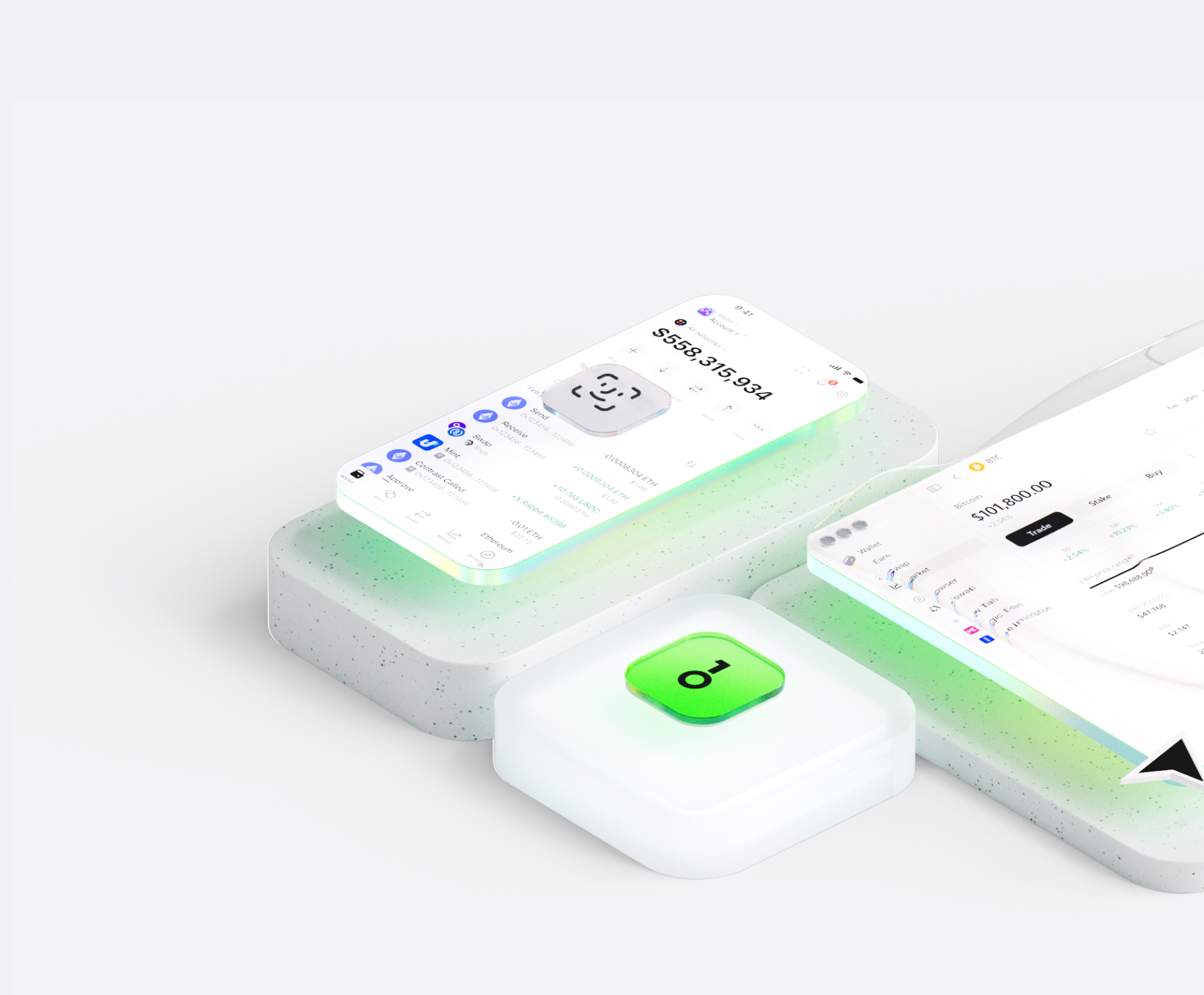


Why choose General Impressions wallets with OneKey
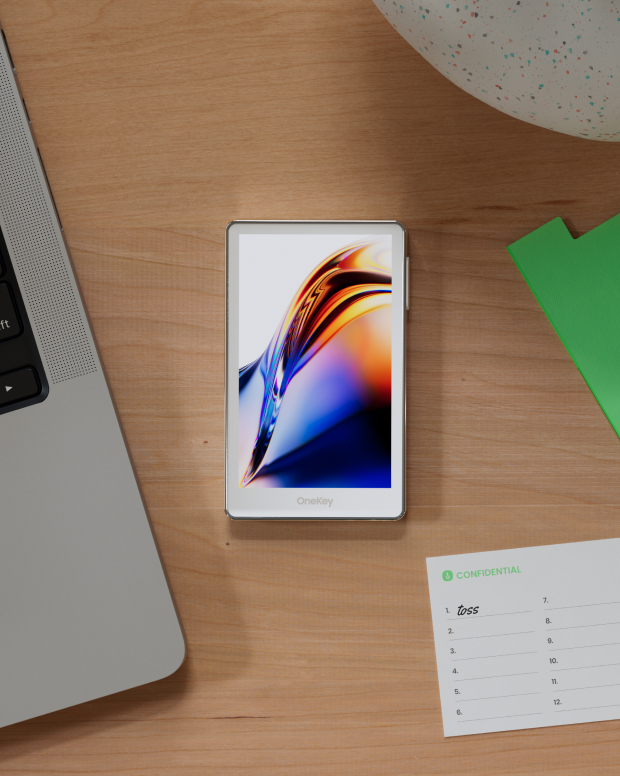
Take control of the safety that belongs to you
No real-name verification required. We collect and track no user data. Your wallet belongs only to you.
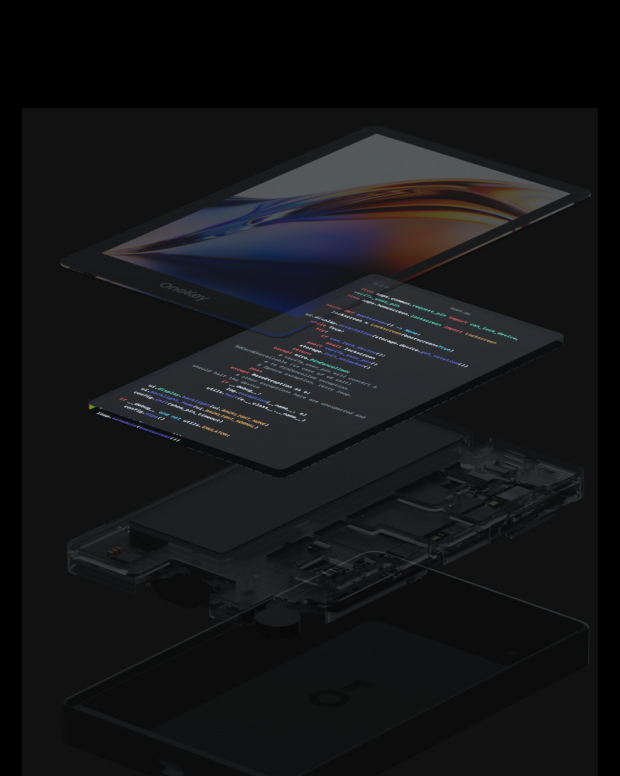
100% open-source and transparent
General Impressions wallet is a fully open-source wallet; every line of code can be audited and verified by security experts. Security is not based on promises, but on transparency.
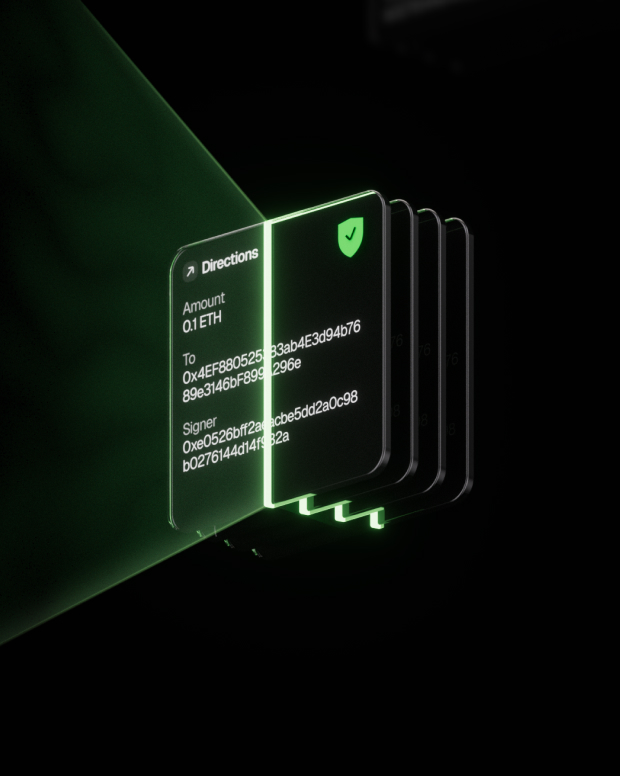
Intelligent Risk Protection
Built-in dApp phishing protection and suspicious token folding features automatically detect risky contracts to prevent malicious approvals or asset theft.

Global support
Provide 24/7 multilingual customer support to resolve your issues at any time.

FAQ’s
What is General Impressions?
General Impressions (GI) is a decentralized execution framework designed to support the emergence of Agentic AI—systems composed of autonomous software agents that can persist over time, coordinate with other agents, and adapt their behavior as they learn. Unlike traditional AI tools such as Manus, which executes discrete tasks without memory, or n8n, which automates workflows through static rule-based logic, GI provides a fully programmable runtime for long-lived, composable, and self-evolving agents. It does this through Glint, an open-source engine written in Rust, where agents are not stateless scripts but autonomous processes capable of maintaining state onchain, coordinating with other agents via native protocols, and dynamically updating their logic mid-execution. This enables a new kind of software behavior: not one-off responses, but ongoing loops of perception, memory, reasoning, and action—functionally similar to operating systems for agents.
Rust plays a central role in GI’s design. The language’s memory safety guarantees, concurrency model, and strict lifecycle control provide the stability and performance necessary for running agents over long time horizons. GI’s architecture embraces modularity at its core: agent logic is structured as a graph, where nodes represent functional modules and edges encode control and data flows. These modules are designed to be reused and recombined, allowing developers to build complex systems from simple, interoperable components. This makes GI fundamentally different from orchestration frameworks like LangChain or AutoGen, which focus on chaining prompts or managing tools, but lack persistence, runtime coordination, or any notion of lifecycle-aware agents.
What distinguishes GI is its ability to solve the “agentic trilemma”—the challenge of building agents that are at once flexible, general-purpose, and reusable. In legacy systems, agents either reset between runs (as with Manus), or rely on external, human-managed logic (as with n8n). In GI, agents can learn and change, coordinate natively, and persist their knowledge across context switches. These capabilities are not theoretical; GI has validated them in production through its Telegram Swarm, a network of agents operating across over 330,000 Telegram groups. These agents continuously scan messages, classify sentiment, track influencer dynamics, and autonomously take actions such as posting or triggering downstream systems—demonstrating the scalability and effectiveness of GI’s runtime.
More broadly, GI addresses a critical missing layer in the AI and crypto ecosystem. While many current projects focus on agent frontends, tooling layers, or token marketplaces, GI focuses on execution—the substrate on which all agent behavior runs. Just as Ethereum became the default environment for decentralized applications by solving composable, trustless execution for contracts, GI aspires to be the default runtime for autonomous agents. It is designed for a world in which software agents will increasingly operate without constant human supervision—researching, trading, moderating, governing, and negotiating in dynamic environments. In that world, the ability to persist, coordinate, and evolve will no longer be optional; it will be foundational. GI is building the infrastructure for that world.
What is the best General Impressions wallet?
How to get a General Impressions wallet?
How to use a General Impressions wallet?
Subscribe to our newsletter
Subscribe to OneKey newsletters for the latest product news and offers.