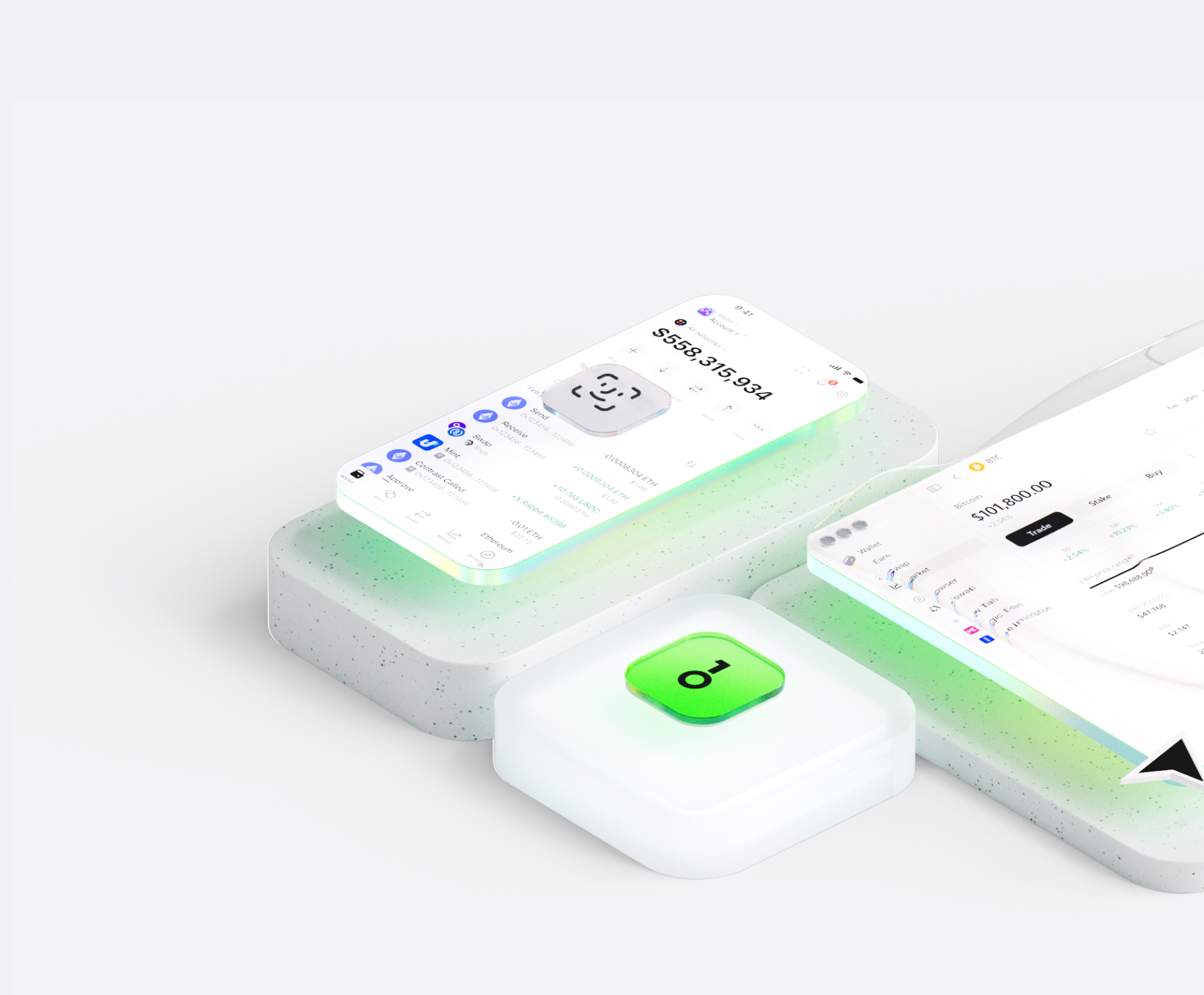
The Kernel wallet helps you easily store, send, and receive digital assets. You can perform cross-chain token transactions at any time, explore NFT marketplaces and dApps, and discover more opportunities. An integrated wallet for the Kernel ecosystem, it provides you with a secure on-chain experience.


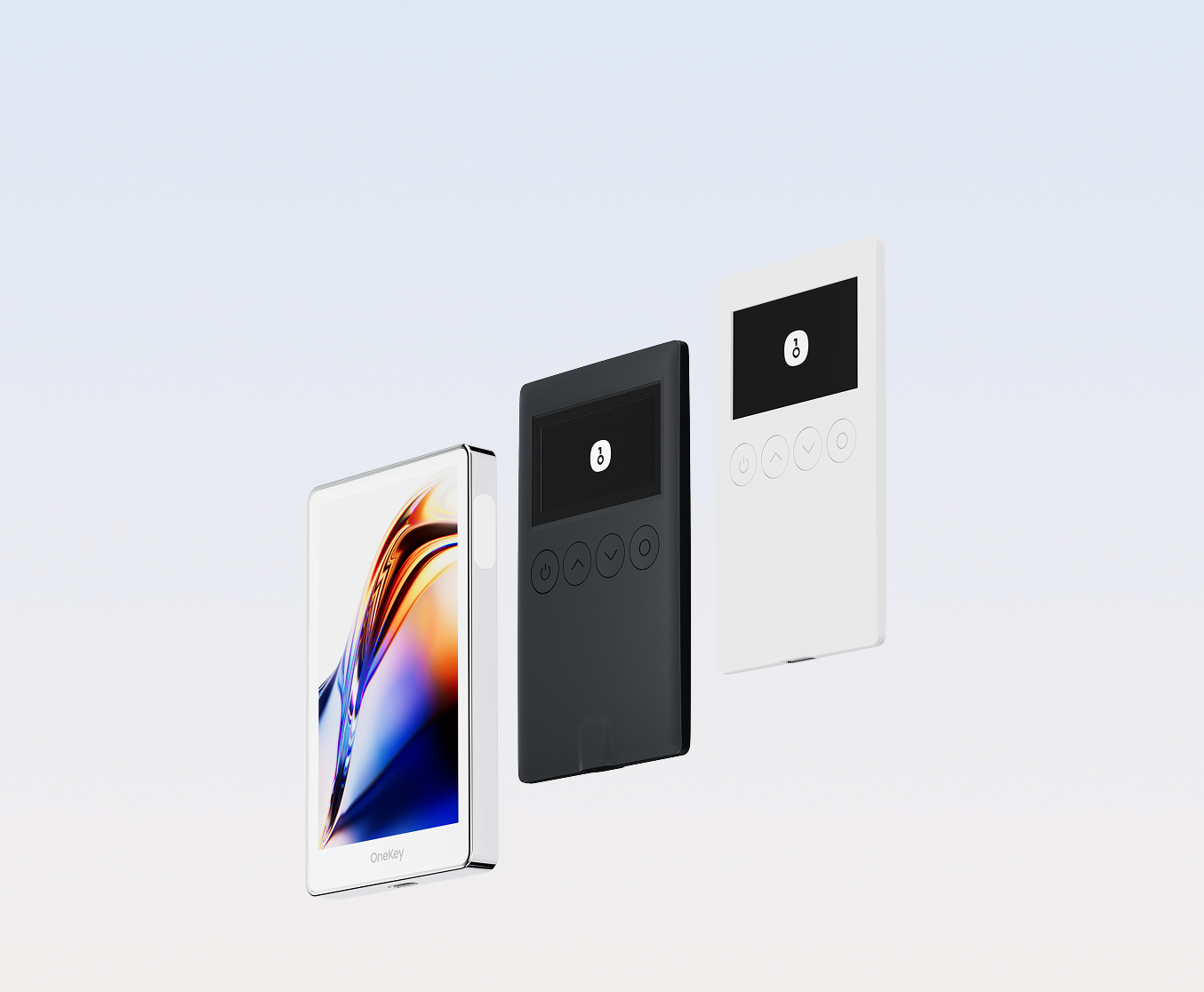
Why choose Kernel wallets with OneKey
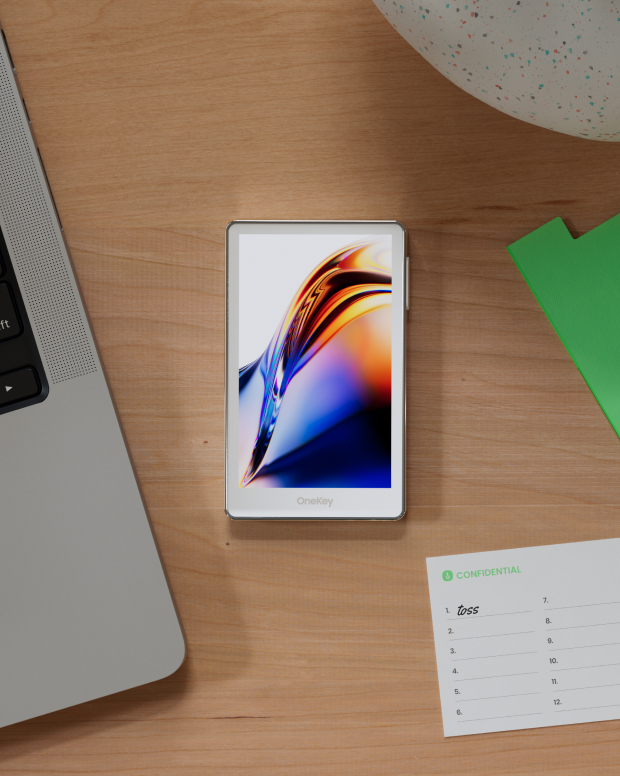
Take control of the safety that belongs to you
No real-name verification required. We collect and track no user data. Your wallet belongs only to you.
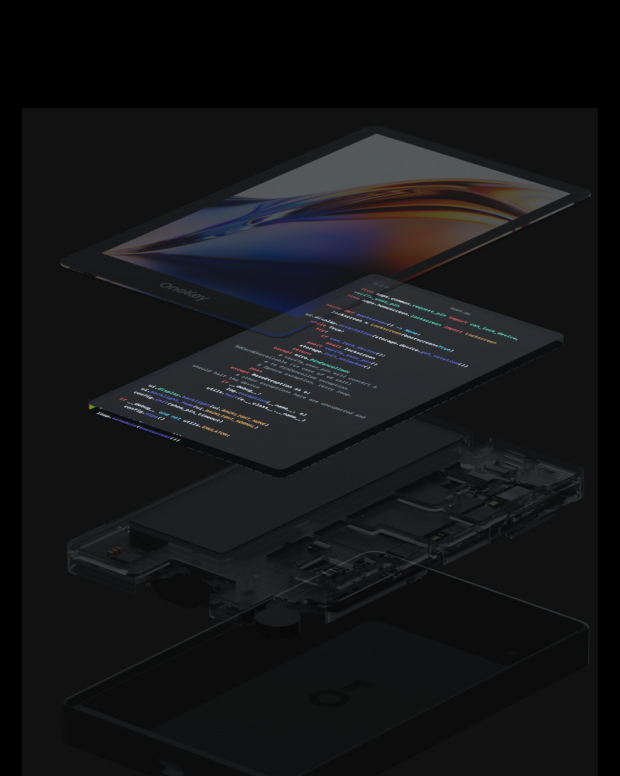
100% open-source and transparent
Kernel wallet is a fully open-source wallet; every line of code can be audited and verified by security experts. Security is not based on promises, but on transparency.
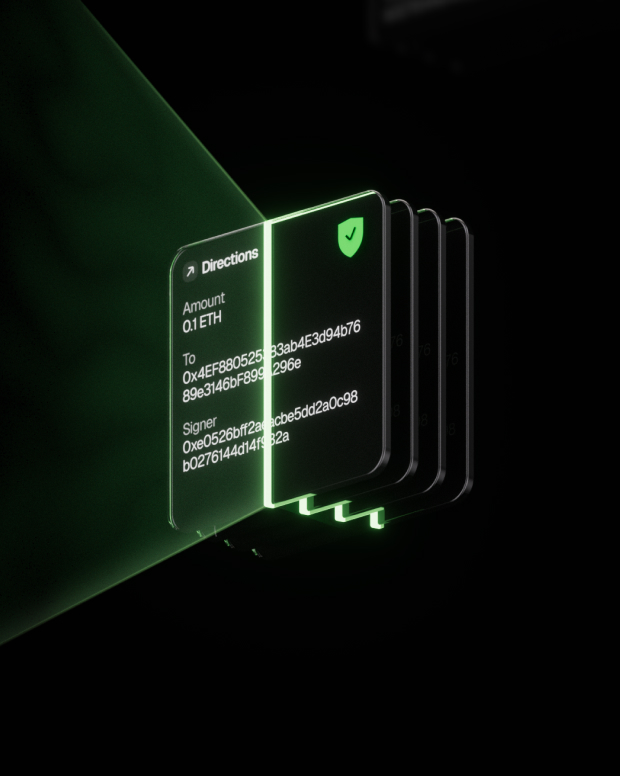
Intelligent Risk Protection
Built-in dApp phishing protection and suspicious token folding features automatically detect risky contracts to prevent malicious approvals or asset theft.

Global support
Provide 24/7 multilingual customer support to resolve your issues at any time.

FAQ’s
What is Kernel?
The First Suite Of Karak-Native LRTs, Unlocking Liquidity & Yields For The Karak Ecosystem
Karak Network is a totally unopinionated restaking protocol that allows users to deposit any asset to the platform in order to provide slashable security to various products and services built atop Karak, such as data availability layers, blockchains, oracles, and more. Unlike Ethereum and EigenLayer, where security can be provided solely through ETH for the former and ETH-denominated assets such as LSTs for the latter, Karak already features a basket of DeFi assets such as Pendle positions, EigenLayer-restaked LRTs, LP Positions across Uniswap v3 and Curve Finance, and stablecoins such as Ethena’s USDe.
This flexibility has benefits in the sense that it makes yield-bearing assets composable with restaking, as opposed to staking yield needing to outperform other DeFi yield in order for it to be viable. However, it also has the downside of lacking a single homogenous asset to peg Karak LRTs to. Consequently, restaked holdings on Karak cannot be deployed in further yield-bearing activities and Karak XP (their native points reward) cannot be traded on yield markets and other DeFi applications.
Kernel Protocol presents a solution where it creates Liquid Restaking Tokens (LRTs) that are composed of indexes for each of the main asset categories on Karak. This mitigates liquidity fragmentation compared to making specific LRTs for each and every individual asset, while also presenting enough variation in asset choice for an end LRT user, reflecting the diversity of restaking opportunities available on Karak.
What is the best Kernel wallet?
How to get a Kernel wallet?
How to use a Kernel wallet?
Subscribe to our newsletter
Subscribe to OneKey newsletters for the latest product news and offers.