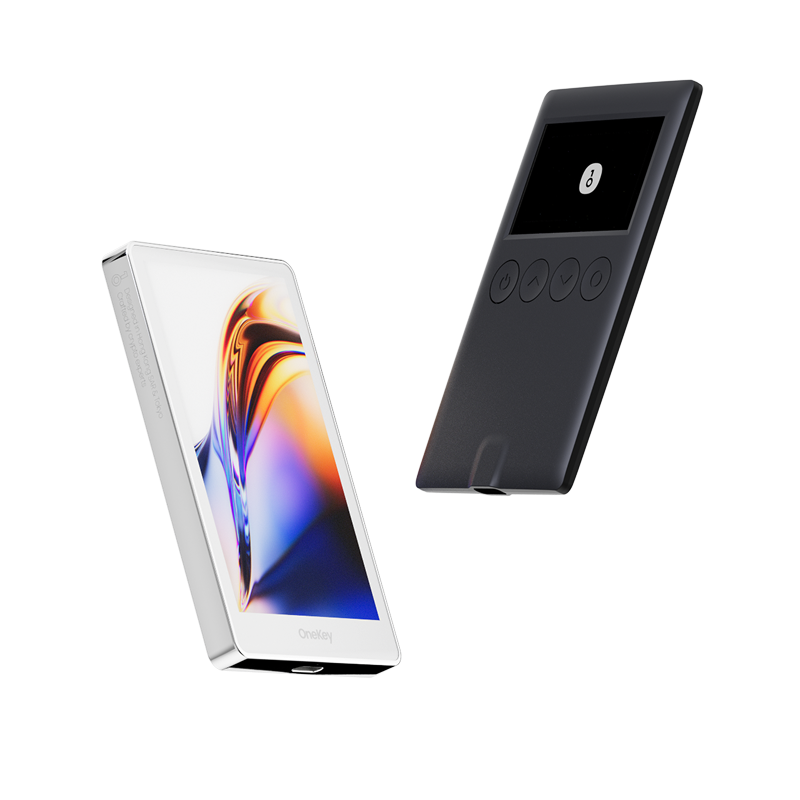
The Peercoin wallet helps you easily store, send, and receive digital assets. You can perform cross-chain token transactions at any time, explore NFT marketplaces and dApps, and discover more opportunities. An integrated wallet for the Peercoin ecosystem, it provides you with a secure on-chain experience.

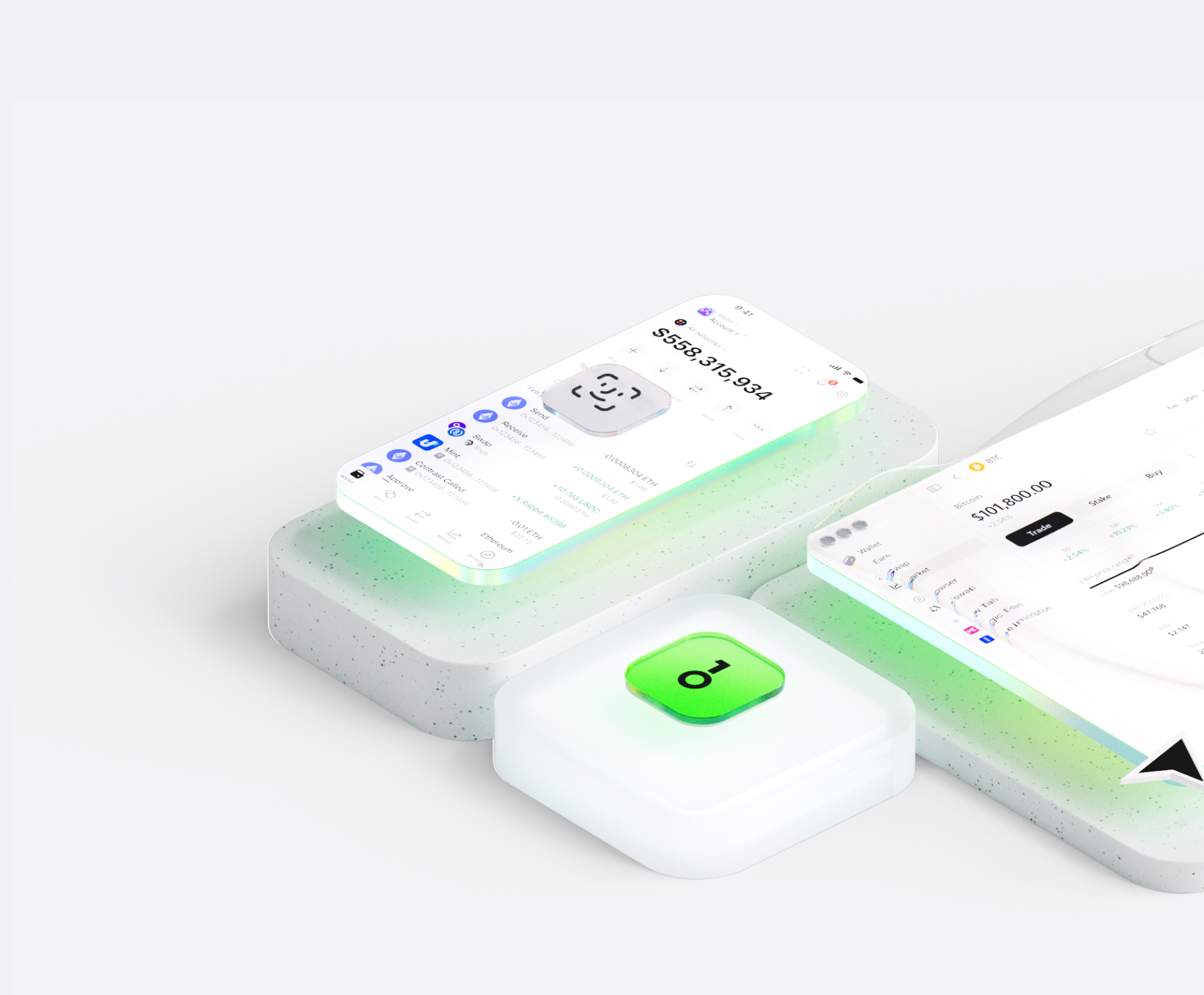

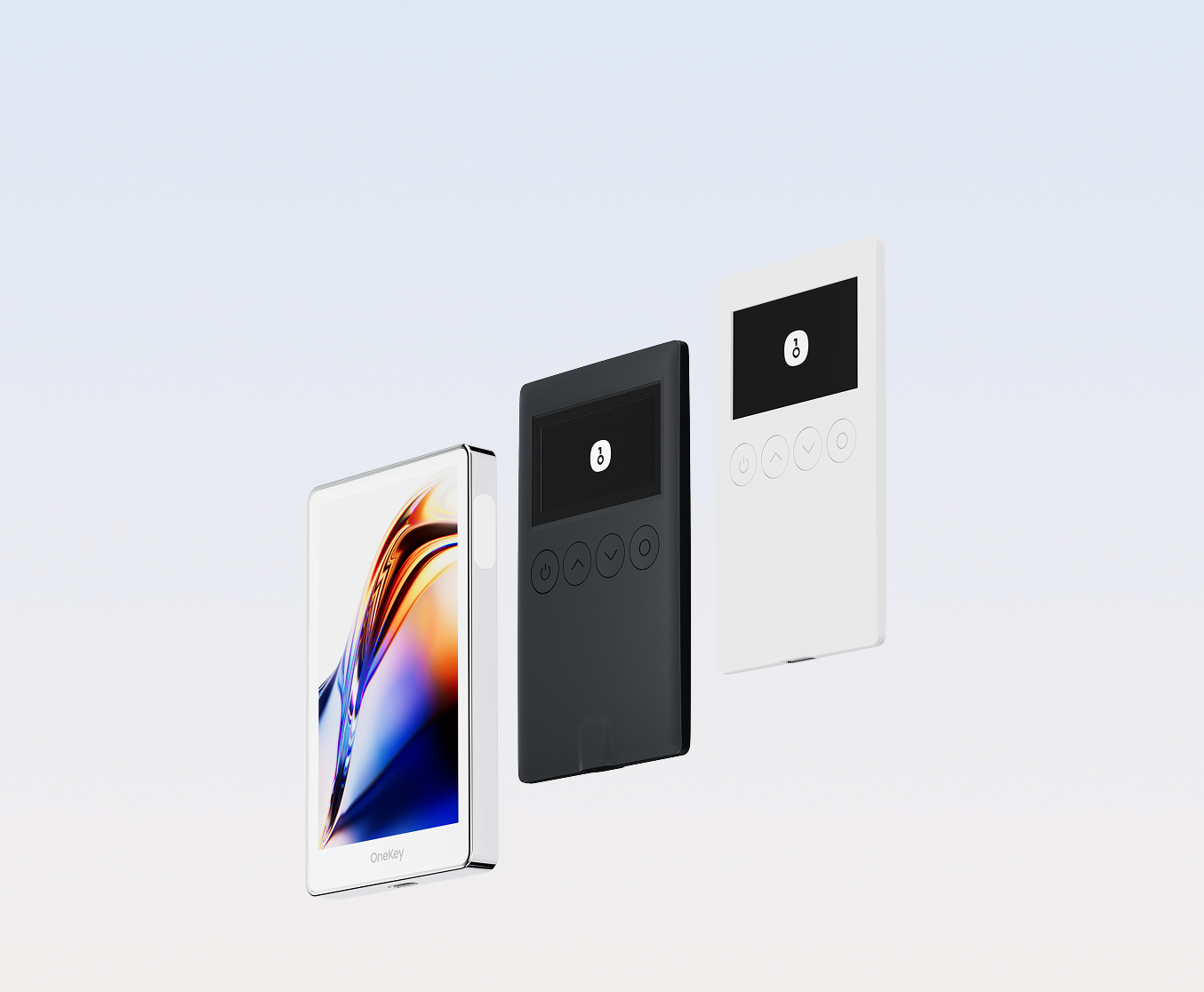
Why choose Peercoin wallets with OneKey
Take control of the safety that belongs to you
No real-name verification required. We collect and track no user data. Your wallet belongs only to you.
100% open-source and transparent
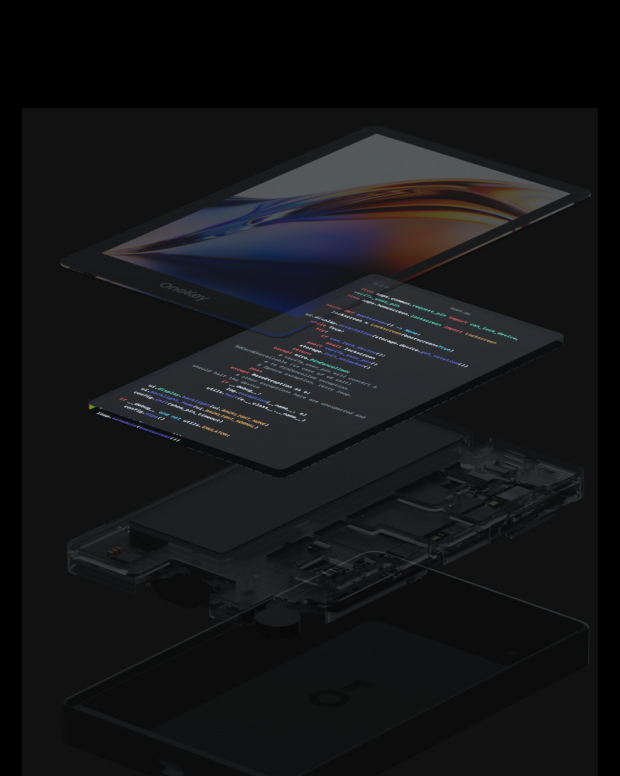
Peercoin wallet is a fully open-source wallet; every line of code can be audited and verified by security experts. Security is not based on promises, but on transparency.
Intelligent Risk Protection
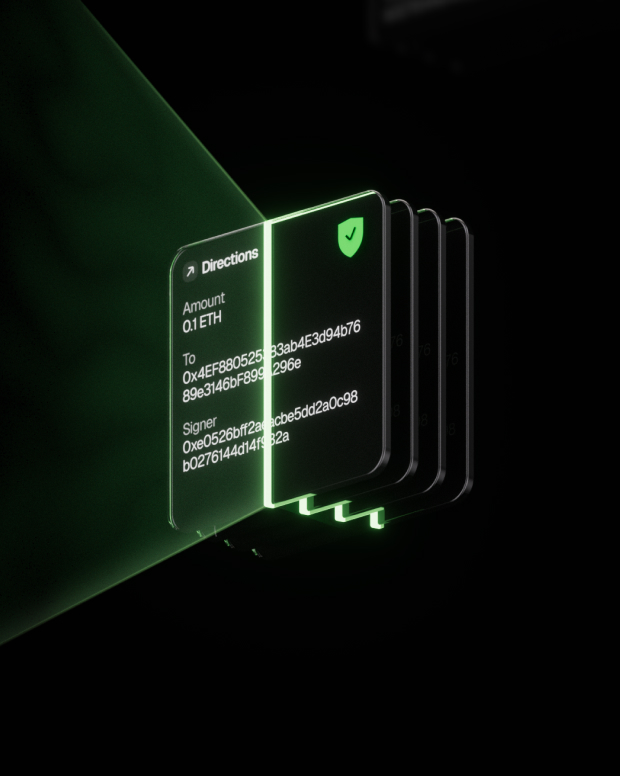
Built-in dApp phishing protection and suspicious token folding features automatically detect risky contracts to prevent malicious approvals or asset theft.

Global support
Provide 24/7 multilingual customer support to resolve your issues at any time.

FAQ’s
What is Peercoin?
The Peercoin network activated in 2012 and is one of the first cryptocurrencies to ever be released. It is responsible for inventing proof-of-stake consensus, which makes it the first efficient and sustainable public blockchain technology. Peercoin was inspired by bitcoin, and it shares much of the source code and technical implementation of bitcoin. The Peercoin source code is distributed under the MIT/X11 software license. Unlike bitcoin, Namecoin, and Litecoin, Peercoin does not have a hard limit on the number of possible coins, but is designed to eventually attain an annual inflation rate of 1%. There is a deflationary aspect to Peercoin as the transaction fee of 0.01 PPC/kb paid to the network is destroyed. This feature, along with increased energy efficiency, aim to allow for greater long-term scalability.
With the same cryptographic hash function as Bitcoin (SHA-256), Peercoin is 100 times more energy efficient. Transactions in the Peercoin network are faster and cheaper. If there were not fierce competition on the cryptocurrency market, Peercoin would probably have long since become one of the most important cryptocurrencies. But in 2014 and 2015, however, there were many other interesting innovations in the cryptocurrency market that outperformed peercoin in a number of important properties. In contrast to DASH, Peercoin could not offer anonymity and the transactions in Dogecoin were even faster and cheaper than those of Peercoin. PoS technology ceased to be an advantage of peercoin and PoS continued to spread to other cryptocurrencies. The interest of the users drew it to the side of the minings on the CPUs and GPUs, then to the side of the Smart Contracts and PPC began to get a little forgotten.
The Peercoin Team believes that adapting blockchains for wide scale use only through on-chain transactions will negatively affect the decentralization level and security of the network over time, therefore we choose to develop the Peercoin blockchain as a base layer settlement network with a sole focus on securing all forms of value recorded into the chain. This can be accomplished through Peercoin's philosophy of preserving and maximizing decentralization (which increases security) by developing the majority of features and technologies on top of the blockchain, rather than directly into the blockchain protocol itself.
Thus the Peercoin Team focuses on developing second layer protocols and sub-networks that can interact with the base layer blockchain to adapt it for wide scale use and improve functionality such as tokens, smart contracts and high speed low cost transaction processing. In this way, Peercoin will act as a secure and censorship resistant base layer for the future blockchain connected world.
What is the best Peercoin wallet?
How to get a Peercoin wallet?
How to use a Peercoin wallet?
Subscribe to our newsletter
Subscribe to OneKey newsletters for the latest product news and offers.