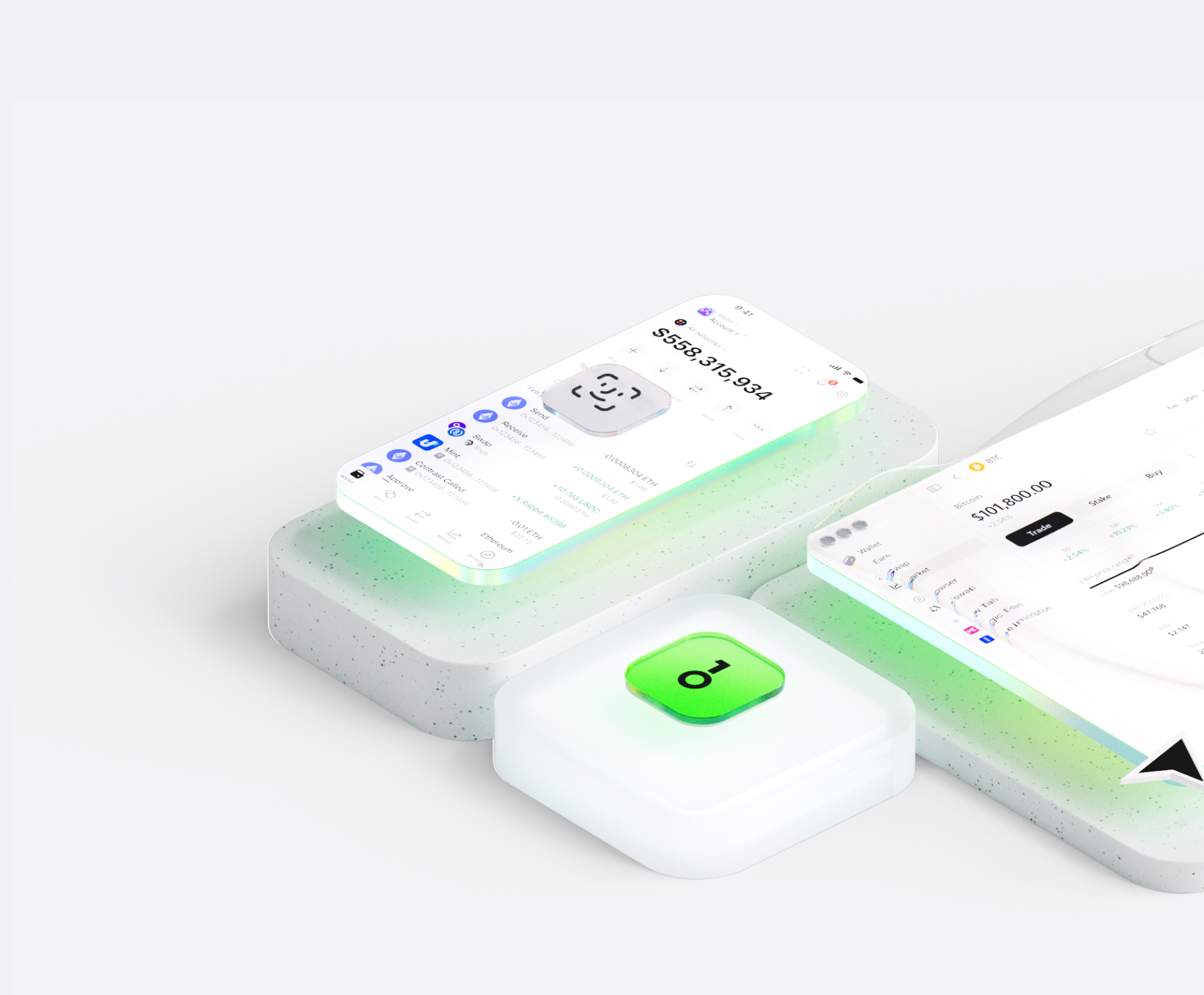
The Sai wallet helps you easily store, send, and receive digital assets. You can perform cross-chain token transactions at any time, explore NFT marketplaces and dApps, and discover more opportunities. An integrated wallet for the Sai ecosystem, it provides you with a secure on-chain experience.


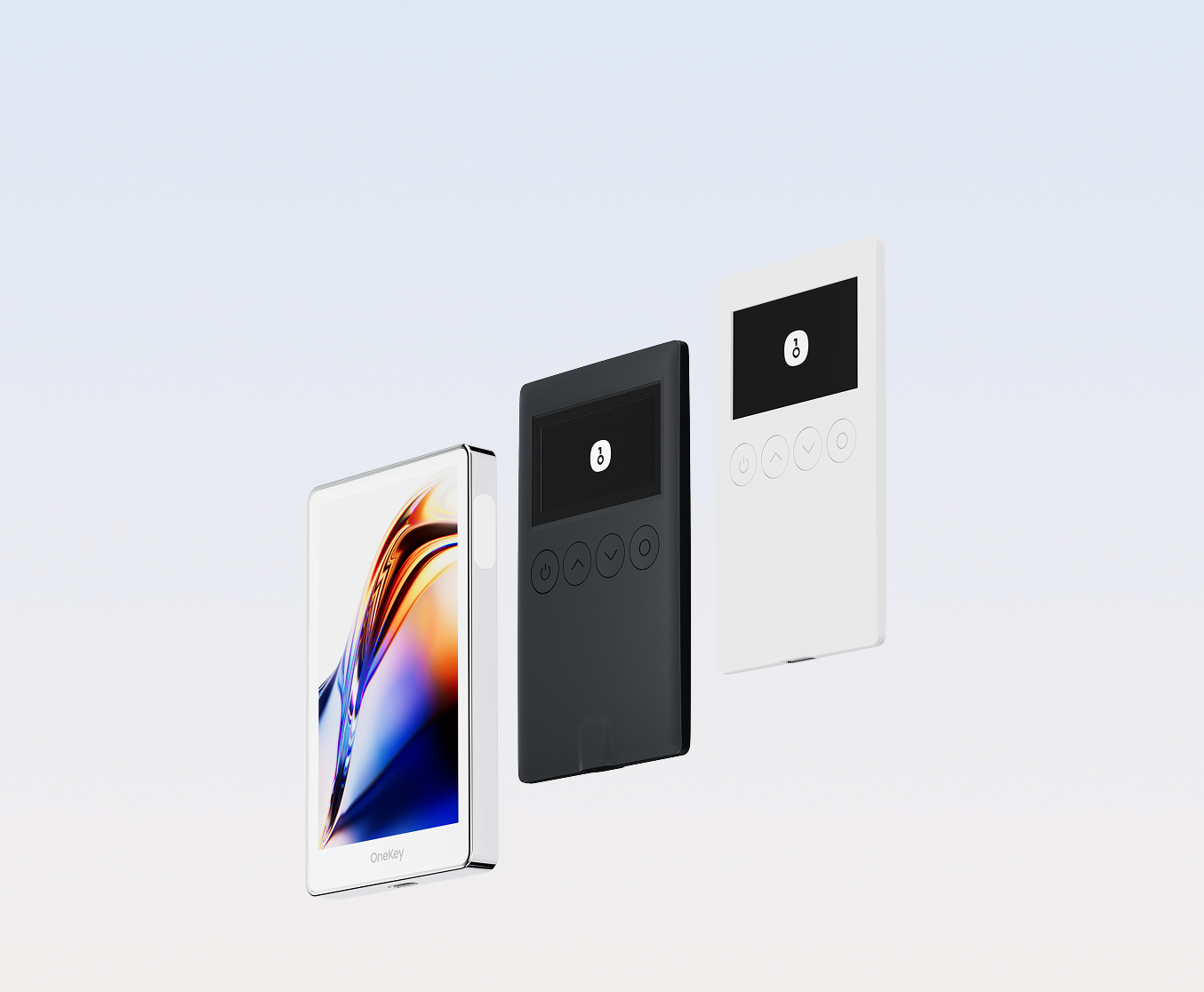
Why choose Sai wallets with OneKey
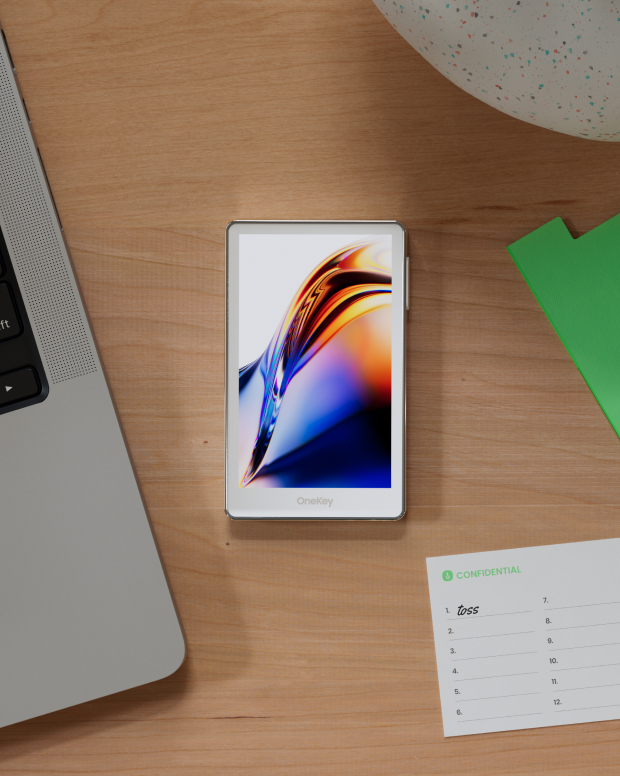
Take control of the safety that belongs to you
No real-name verification required. We collect and track no user data. Your wallet belongs only to you.
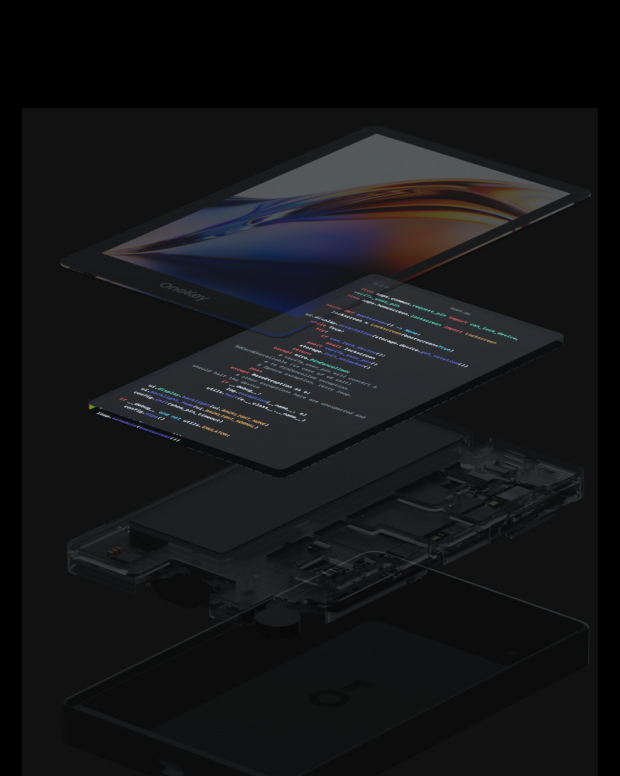
100% open-source and transparent
Sai wallet is a fully open-source wallet; every line of code can be audited and verified by security experts. Security is not based on promises, but on transparency.
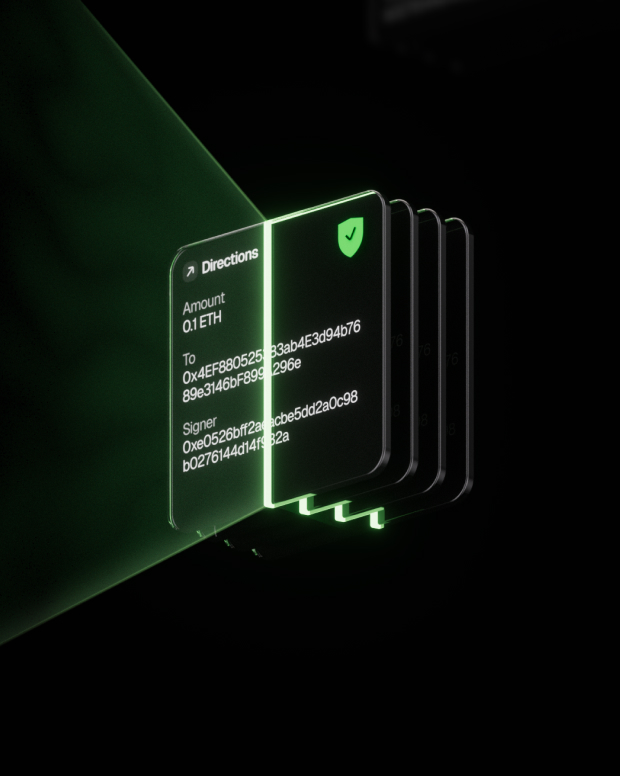
Intelligent Risk Protection
Built-in dApp phishing protection and suspicious token folding features automatically detect risky contracts to prevent malicious approvals or asset theft.

Global support
Provide 24/7 multilingual customer support to resolve your issues at any time.

FAQ’s
What is Sai?
Dai is a stablecoin. It is an Ethereum ERC20 token that is pegged to $1 USD — every Dai is worth $1, and will always be worth $1, regardless of how much Dai is in existence. There is no centralized authority like Tether that backs its value, and no traditional bank that backs each Dai with a real US dollar. There is nothing that can be shut down, and no centralized authority that needs to be trusted. Dai lives entirely within the Ethereum blockchain using smart contracts.
*Features of Dai:
1. Dai is always worth $1 USD each
2. It can be freely traded like any other ERC20 token
3. Anyone with an Ethereum wallet can own, accept, and transfer it
4. It can be exchanged without any middleman
5. No individual person or company has control over it
6. No government or authority can shut it down
*How Dai Works?
Dai is a masterpiece of game theory that carefully balances economic incentives in the pursuit of one goal — a token that is continuously approaching the value of $1 USD.
When Dai is worth above $1, mechanisms work to decrease the price. When Dai is worth below $1, mechanisms work to increase the price. The rational actors that take part in these mechanisms do so because they earn money anytime Dai is not perfectly worth $1. This is why Dai is always floating slightly above or below $1 — it is an endless wave function bouncing infinitely close to $1, but never quite achieving it. The farther Dai goes from $1, the more incentive there is to fix it. This is the magic of Dai.
*How is Dai Created?
Dai is simply a loan against Ethereum. By using the MakerDAO dApp, advanced users can take loans out in Dai against their ETH holdings.
First, ETH is turned into “wrapped ETH” (WETH), which is simply an ERC20 wrapping around ETH. This “tokenizes” ETH so it can be used like any other ERC20 token. Next, WETH is turned into “pooled ETH” (PETH), which means it joins a large pool of Ethereum that is the collateral for all Dai created. Once you have PETH, you can create a “collateralized debt position” (CDP), which locks up your PETH and allows you to draw Dai against your collateral, which is PETH. As you draw out Dai, the ratio of debt in the CDP increases. There is a debt limit that sets a maximum amount of Dai you can draw against your CDP. Once you have Dai, you can spend or trade it freely like any other ERC20 token.
*There are several important reasons why you would create Dai, despite the hassle:
1. You need a loan, and have an asset (ETH) to use as collateral for your loan
2. You believe ETH is going up in value. You can use your CDP to buy ETH on margin — you lock up your ETH in a CDP, draw Dai against it, use the Dai to buy more ETH on an exchange, and then use that ETH to further increase the size of your CDP. This can be accomplished without any third-party or centralized authority allowing you to do so — margin trading can be accomplished entirely on the blockchain.
3. The demand for Dai has driven the price above $1 USD. When this occurs, you can create Dai then immediately sell it on an exchange for greater than $1 USD. This is essentially free money, and is one of the mechanisms the Maker system uses to keep Dai pegged to $1 USD. Dai being worth over $1 USD encourages more Dai to be created.
These three reasons are enough to ensure that Dai is continually created.
What is the best Sai wallet?
How to get a Sai wallet?
How to use a Sai wallet?
Subscribe to our newsletter
Subscribe to OneKey newsletters for the latest product news and offers.