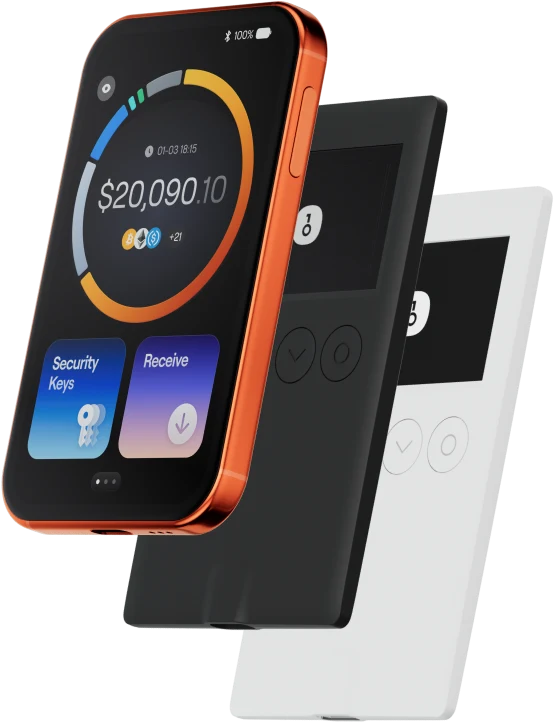
The BEAM wallet helps you easily store, send, and receive digital assets. You can perform cross-chain token transactions at any time, explore NFT marketplaces and dApps, and discover more opportunities. An integrated wallet for the BEAM ecosystem, it provides you with a secure on-chain experience.
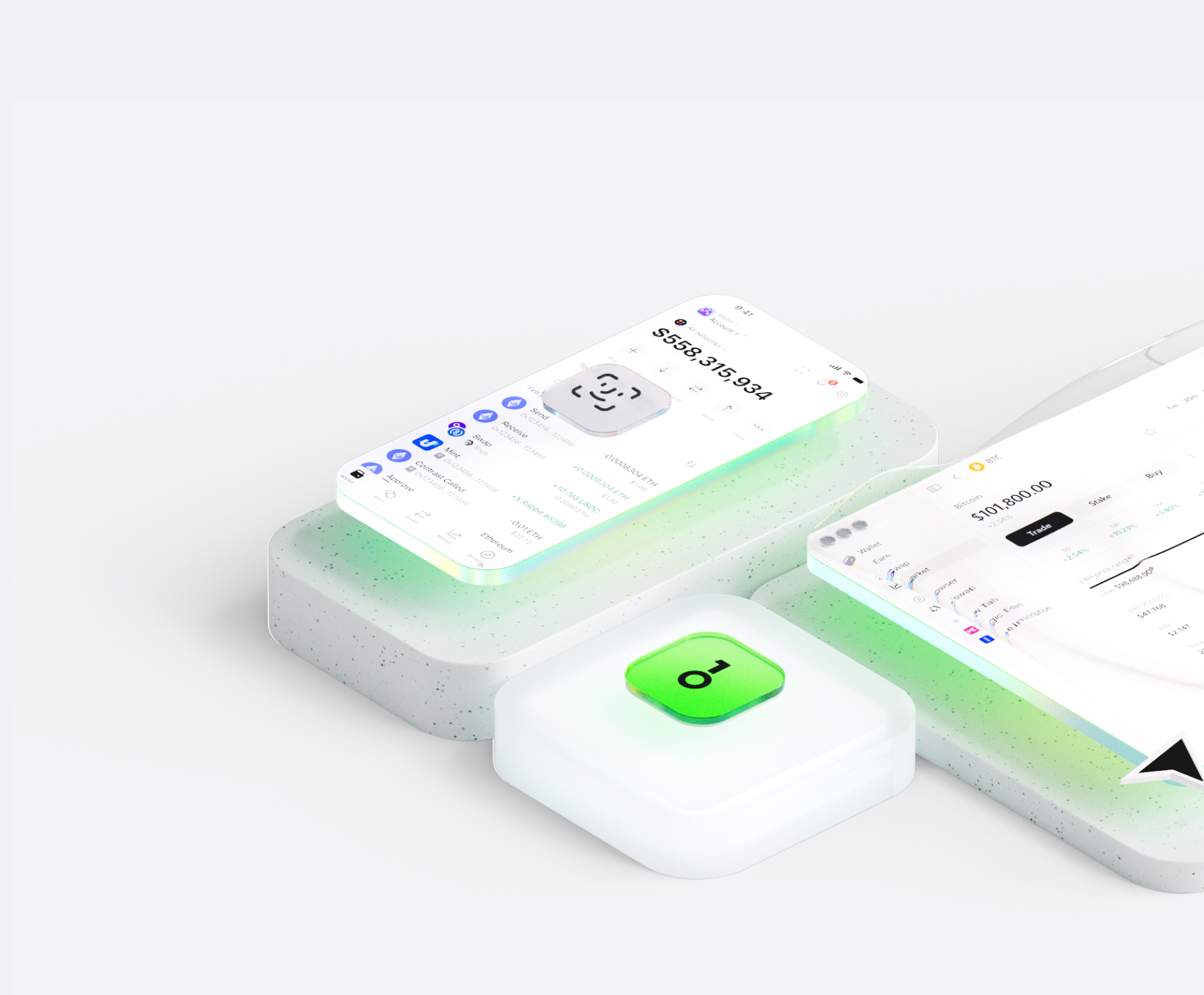
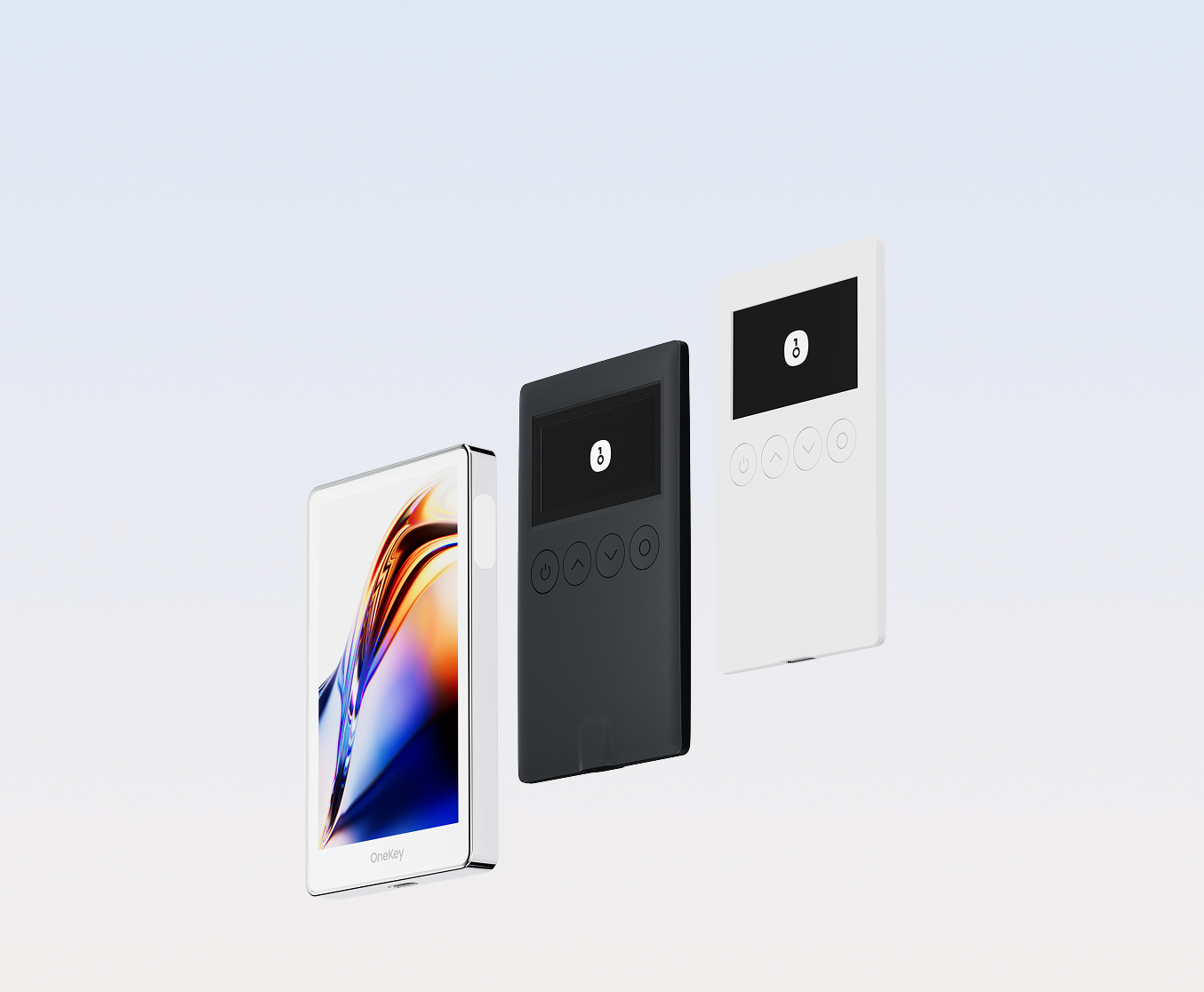
Why choose BEAM wallets with OneKey
Take control of the safety that belongs to you
No real-name verification required. We collect and track no user data. Your wallet belongs only to you.
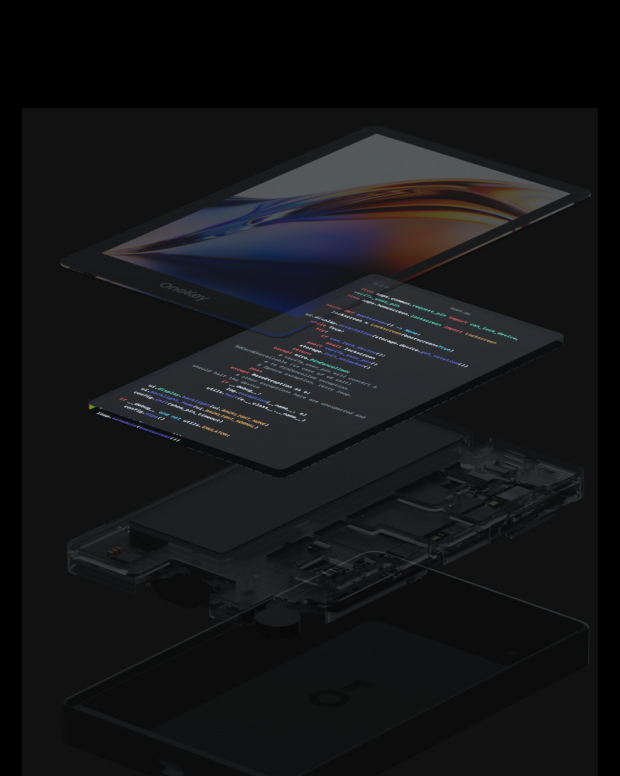
100% open-source and transparent
BEAM wallet is a fully open-source wallet; every line of code can be audited and verified by security experts. Security is not based on promises, but on transparency.
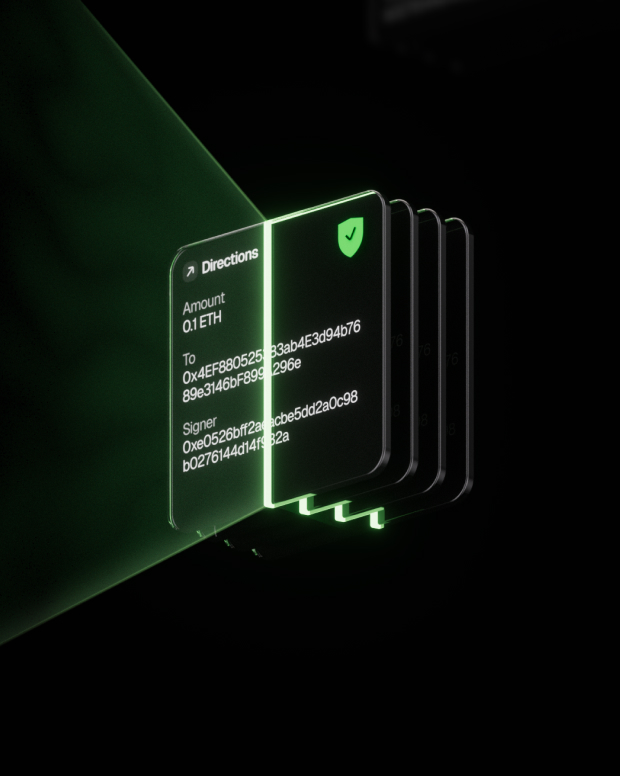
Intelligent Risk Protection
Built-in dApp phishing protection and suspicious token folding features automatically detect risky contracts to prevent malicious approvals or asset theft.

Global support
Provide 24/7 multilingual customer support to resolve your issues at any time.
FAQ’s
Beam Mimblewimble is a scalable, fungible, and confidential cryptocurrency based on the Mimblewimble implementation.
WHY BEAM?
Core features include complete control over your privacy, All transactions are private by default, No addresses or other private information are stored on the blockchain, Superior scalability due to compact blockchain size, Opt-in Auditability, Support online and offline transactions, atomic swap, hardware wallets integration.
Governance model
No premine, No ICO. Backed by Treasury
Establishing a non-profit foundation to govern the protocol after Mainnet launch
How does it work?
Wallets’ owners create new transaction using secure channel either online or offline
Both wallets participate in signing the transaction using Schnorr protocol
Wallet sends transaction to node
Each transaction contains a list of Inputs and Outputs represented by Pedersen Commitments, as well as explicit fees and kernels. Each transaction also contains non-interactive zero knowledge range proof to verify that the output transaction value is positive
Transaction is verified by the node
Each transaction is verified with respect to the recent blockchain state which is stored as a Merkle Tree. The root hash of the tree is recorded in block header along with a proof of work. In addition, each node periodically creates compacted history to allow ‘fast sync’ of new and existing nodes.
Transaction is added to the mining pool
A block is mined every minute and is sent back to the node for verification and distribution.
Mined blocks containing the new transactions are sent to the known peers
A valid block that is extending the longest chain is accepted as a new Tip and propagated further until full consensus is reached.
Fast sync
When a new node connects to the network for the first time it can request compacted history containing only system state and blockchain headers. There is no need to retrieve the entire transaction history.
The best BEAM wallet should balance both security and ease of use.
With a BEAM wallet, you can not only securely store and manage (token name), but also freely conduct cross-chain transactions, participate in DeFi protocols, and interact with DApps.
BEAM wallet provides real-time transaction tracking, open-source and transparent security mechanisms, and a smooth experience on the BEAM network, giving you complete control over your crypto assets.
1. Download wallet: Visit the OneKey official website and download the OneKey App for macOS, Windows, iOS, or Android.
2. Create wallet: Open the App, select "Create New Wallet" or "Connect Hardware Wallet".
3. Backup wallet: Safely write down the recovery phrase and store it offline. We never upload or save your recovery phrase.
4. Deposit BEAM: Copy the wallet address and transfer BEAM from an exchange or another wallet.
All private keys are generated and stored offline on the device, giving you complete control over your assets.
1. Send BEAM: Enter the BEAM address and amount, then confirm the signature in the App. The transaction will be broadcast to the blockchain immediately after completion.
2. Receive BEAM: Click "Receive" to get the wallet address, share it with the sender, and you can view the balance in real-time in the App after receiving the tokens.
3. Manage assets: Track transaction history, access DeFi protocols, or perform cross-chain operations in the BEAM wallet, all in one App.
Subscribe to our newsletter
Subscribe to OneKey newsletters for the latest product news and offers.