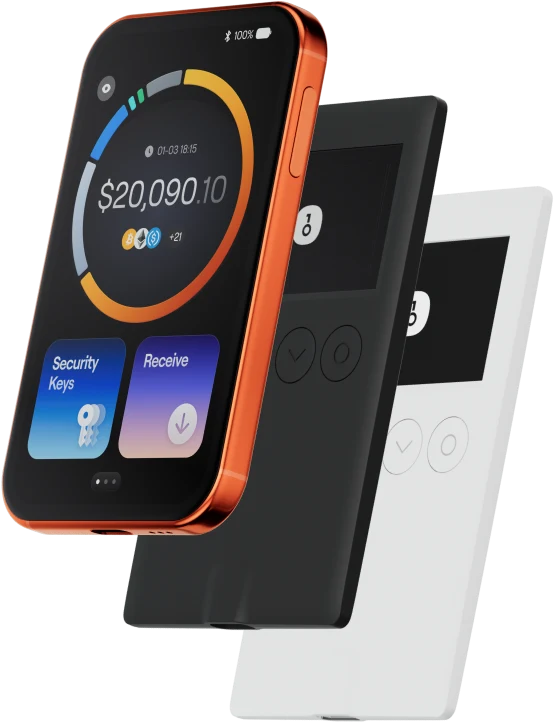
The Ethereum Name Service wallet helps you easily store, send, and receive digital assets. You can perform cross-chain token transactions at any time, explore NFT marketplaces and dApps, and discover more opportunities. An integrated wallet for the Ethereum Name Service ecosystem, it provides you with a secure on-chain experience.
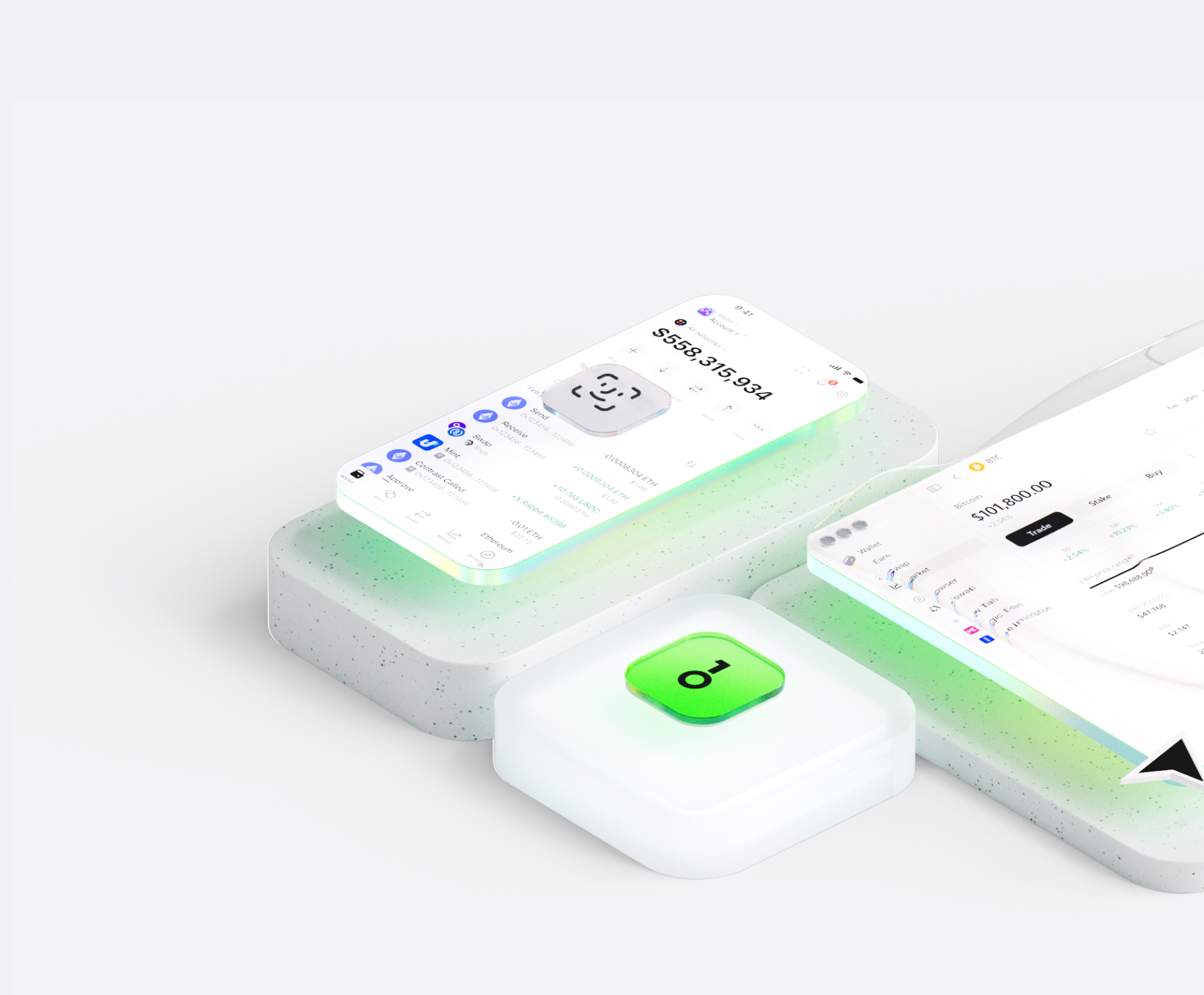

Why choose Ethereum Name Service wallets with OneKey
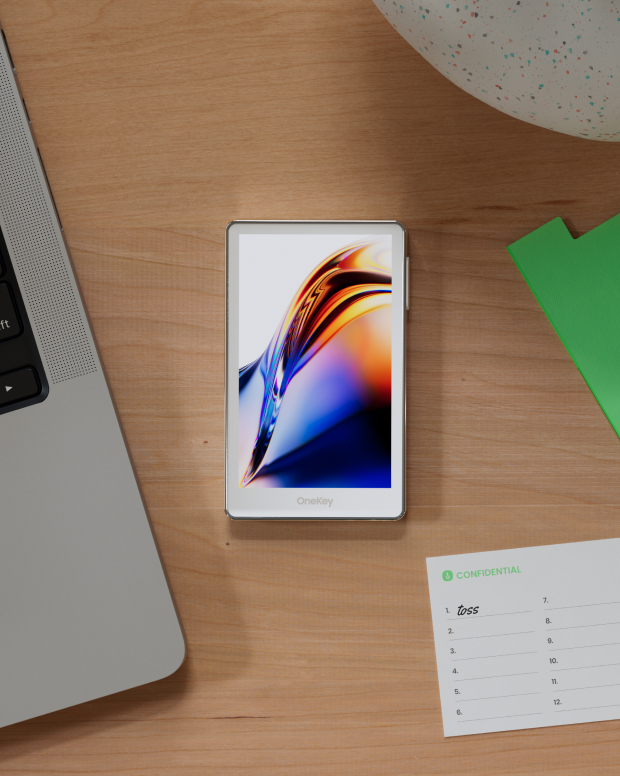
Take control of the safety that belongs to you
No real-name verification required. We collect and track no user data. Your wallet belongs only to you.
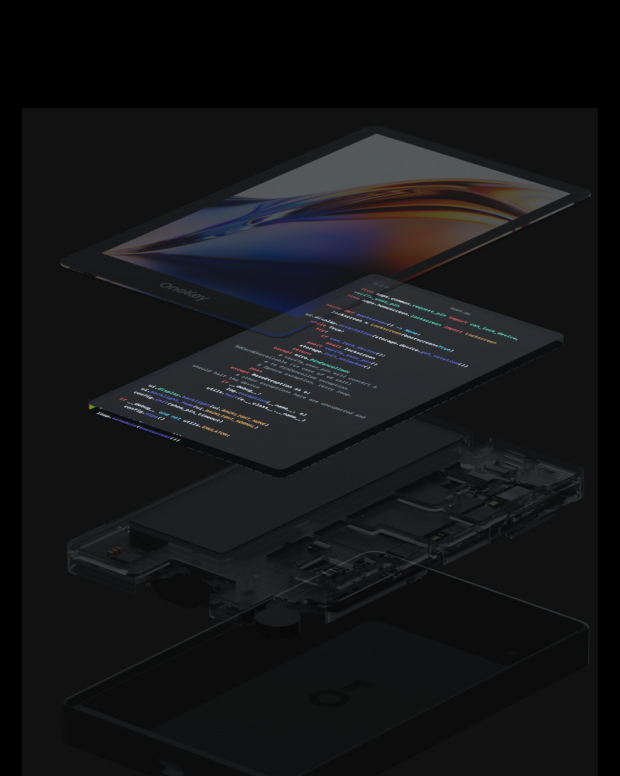
100% open-source and transparent
Ethereum Name Service wallet is a fully open-source wallet; every line of code can be audited and verified by security experts. Security is not based on promises, but on transparency.
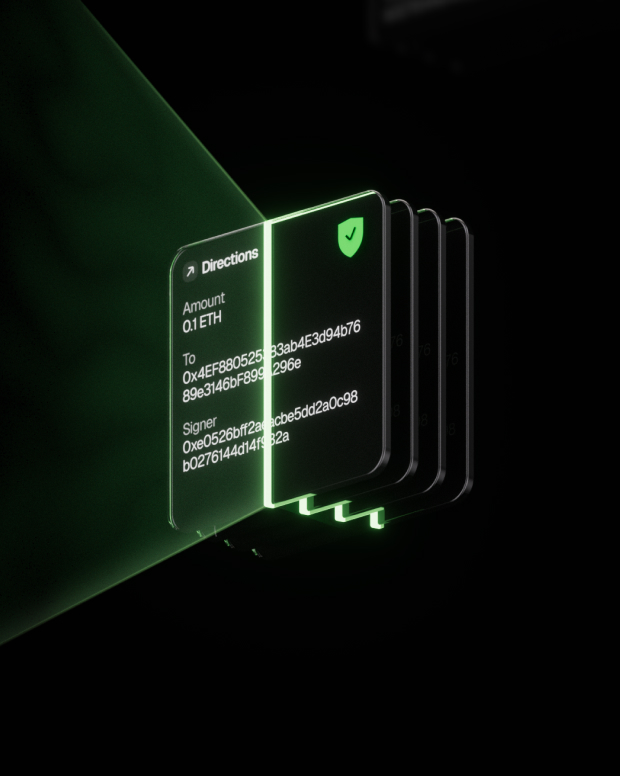
Intelligent Risk Protection
Built-in dApp phishing protection and suspicious token folding features automatically detect risky contracts to prevent malicious approvals or asset theft.

Global support
Provide 24/7 multilingual customer support to resolve your issues at any time.
FAQ’s
The Ethereum Name Service (ENS) is a distributed, open, and extensible naming system based on the Ethereum blockchain.
ENS’s job is to map human-readable names like ‘alice.eth’ to machine-readable identifiers such as Ethereum addresses, other cryptocurrency addresses, content hashes, and metadata. ENS also supports ‘reverse resolution’, making it possible to associate metadata such as canonical names or interface descriptions with Ethereum addresses.
ENS has similar goals to DNS, the Internet’s Domain Name Service, but has significantly different architecture due to the capabilities and constraints provided by the Ethereum blockchain. Like DNS, ENS operates on a system of dot-separated hierarchical names called domains, with the owner of a domain having full control over subdomains.
Top-level domains, like ‘.eth’ and ‘.test’, are owned by smart contracts called registrars, which specify rules governing the allocation of their subdomains. Anyone may, by following the rules imposed by these registrar contracts, obtain ownership of a domain for their own use. ENS also supports importing in DNS names already owned by the user for use on ENS.
Because of the hierarchal nature of ENS, anyone who owns a domain at any level may configure subdomains - for themselves or others - as desired. For instance, if Alice owns 'alice.eth', she can create 'pay.alice.eth' and configure it as she wishes.
ENS is deployed on the Ethereum main network and on several test networks. If you use a library such as the ensjs Javascript library, or an end-user application, it will automatically detect the network you are interacting with and use the ENS deployment on that network.
The best Ethereum Name Service wallet should balance both security and ease of use.
With a Ethereum Name Service wallet, you can not only securely store and manage (token name), but also freely conduct cross-chain transactions, participate in DeFi protocols, and interact with DApps.
Ethereum Name Service wallet provides real-time transaction tracking, open-source and transparent security mechanisms, and a smooth experience on the Ethereum Name Service network, giving you complete control over your crypto assets.
1. Download wallet: Visit the OneKey official website and download the OneKey App for macOS, Windows, iOS, or Android.
2. Create wallet: Open the App, select "Create New Wallet" or "Connect Hardware Wallet".
3. Backup wallet: Safely write down the recovery phrase and store it offline. We never upload or save your recovery phrase.
4. Deposit Ethereum Name Service: Copy the wallet address and transfer Ethereum Name Service from an exchange or another wallet.
All private keys are generated and stored offline on the device, giving you complete control over your assets.
1. Send Ethereum Name Service: Enter the Ethereum Name Service address and amount, then confirm the signature in the App. The transaction will be broadcast to the blockchain immediately after completion.
2. Receive Ethereum Name Service: Click "Receive" to get the wallet address, share it with the sender, and you can view the balance in real-time in the App after receiving the tokens.
3. Manage assets: Track transaction history, access DeFi protocols, or perform cross-chain operations in the Ethereum Name Service wallet, all in one App.
Subscribe to our newsletter
Subscribe to OneKey newsletters for the latest product news and offers.